by Nepal Yoga Home | Oct 26, 2026 | Yoga, Yoga School
Picture a quiet morning at the edge of a forest, with the Himalayas somewhere behind the haze. You unroll your mat, breathe slowly and begin the day that will turn you into a teacher.
That is daily life during yoga teacher training in Kathmandu. It asks for effort, but it gives back strength, clarity and a calmer mind.
We run this training at Nepal Yoga Home, about 5 km from the city centre. Here is what you will learn, how the 21 days work and how to choose the right school.
Why Kathmandu Is a Good Place to Train?
Kathmandu sits in the heart of the Himalayas, and Nepal is the birthplace of Lord Buddha. Meditation and yoga are part of everyday culture here. Our school stands by the Nagarjuna forest, so you get quiet, clean air and still stay close to the city.
Many students choose yoga teacher training in Kathmandu because it feels like a real break from home. You can learn more about who we are on our about us page.
7 Ways Yoga Teacher Training in Kathmandu Transforms You
1. A Calmer Mind
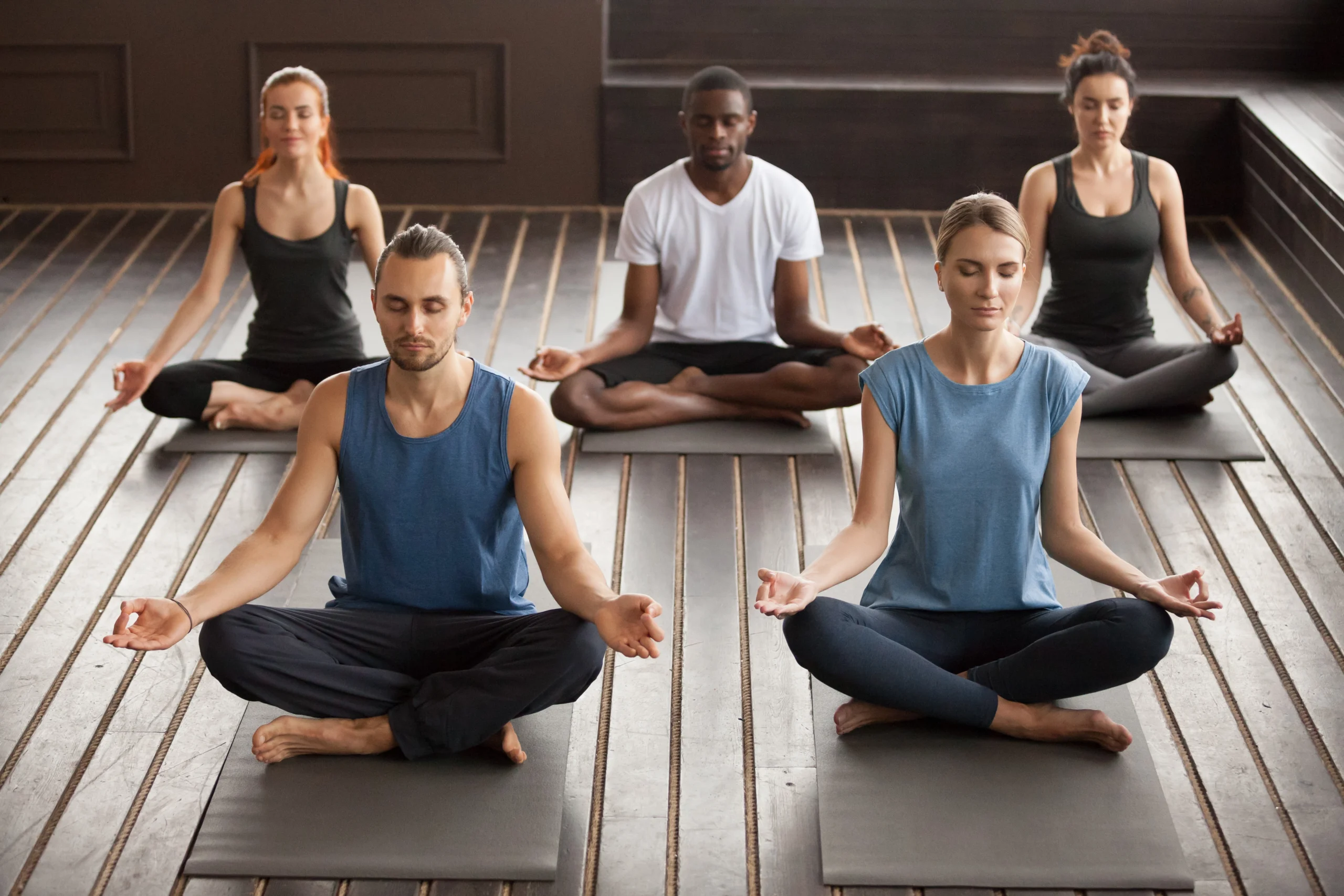
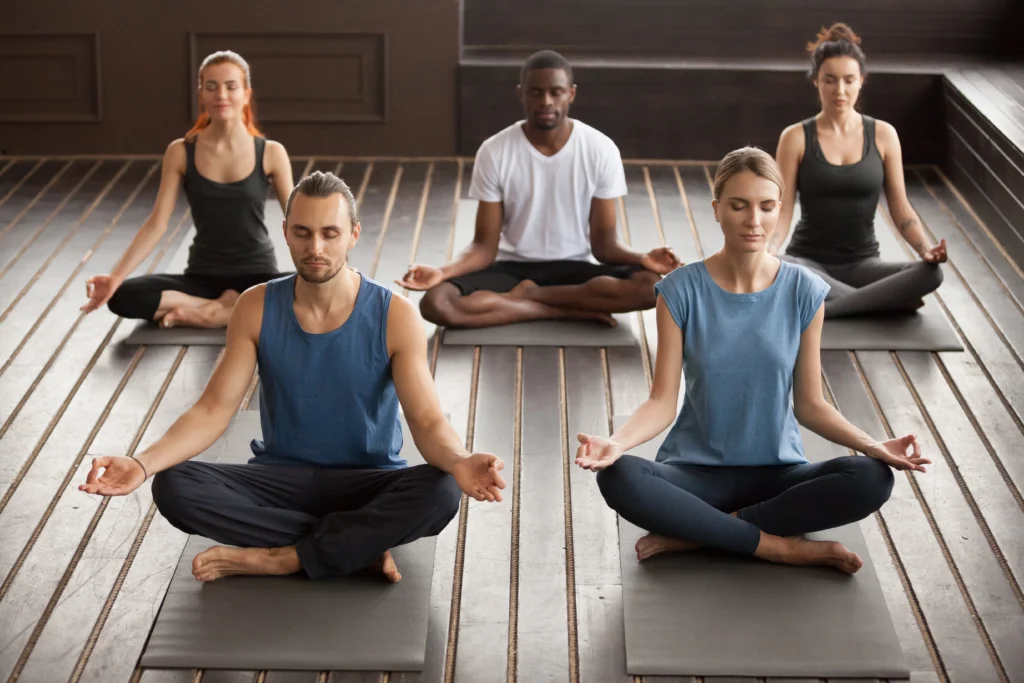
Meditation is part of every day. You try mindfulness, Vipassana, So-Ham, walking and Kundalini meditation. Over 21 days, you build a habit you can keep at home. Our meditation page explains the basics.
2. A Stronger Body
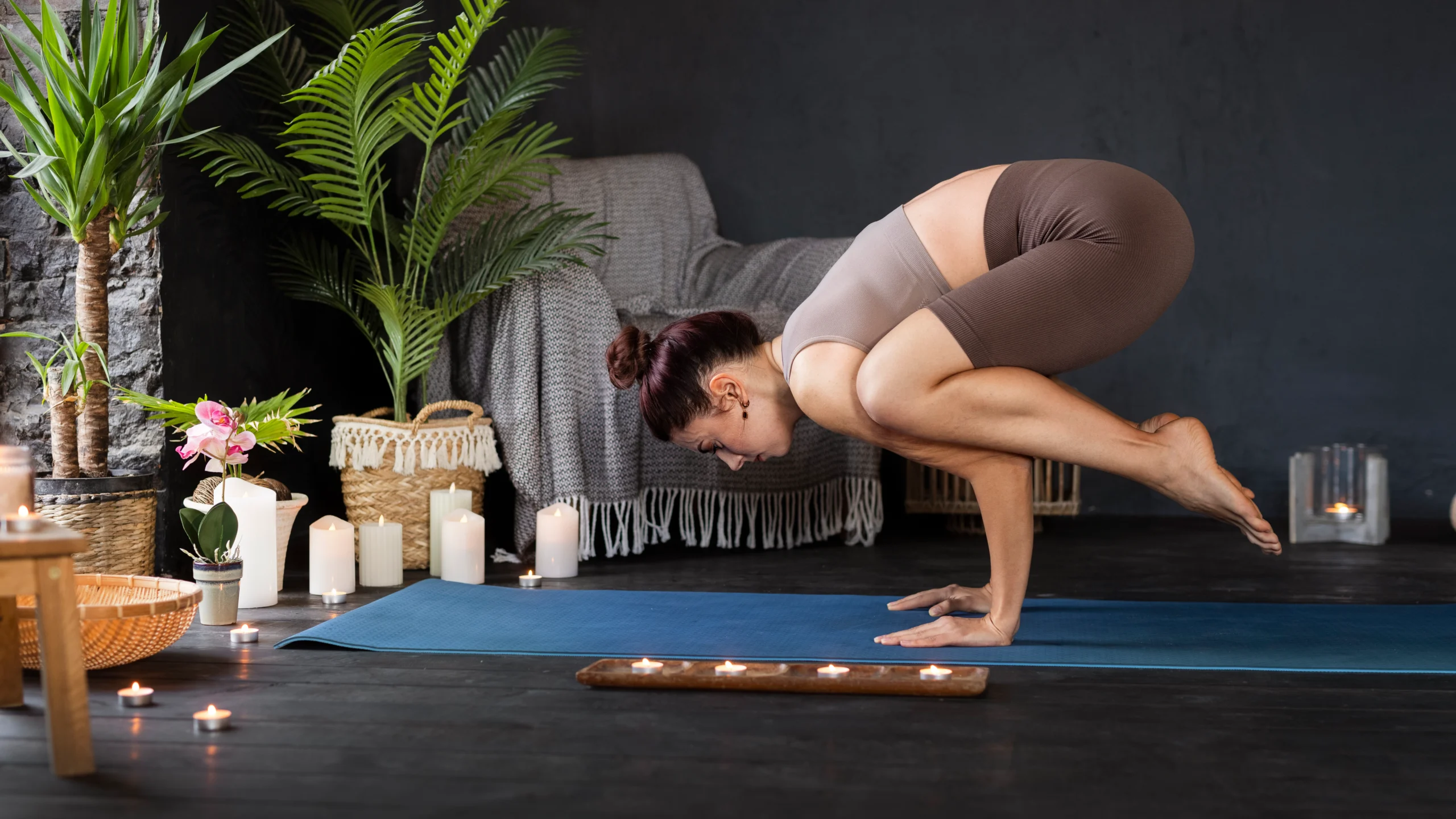
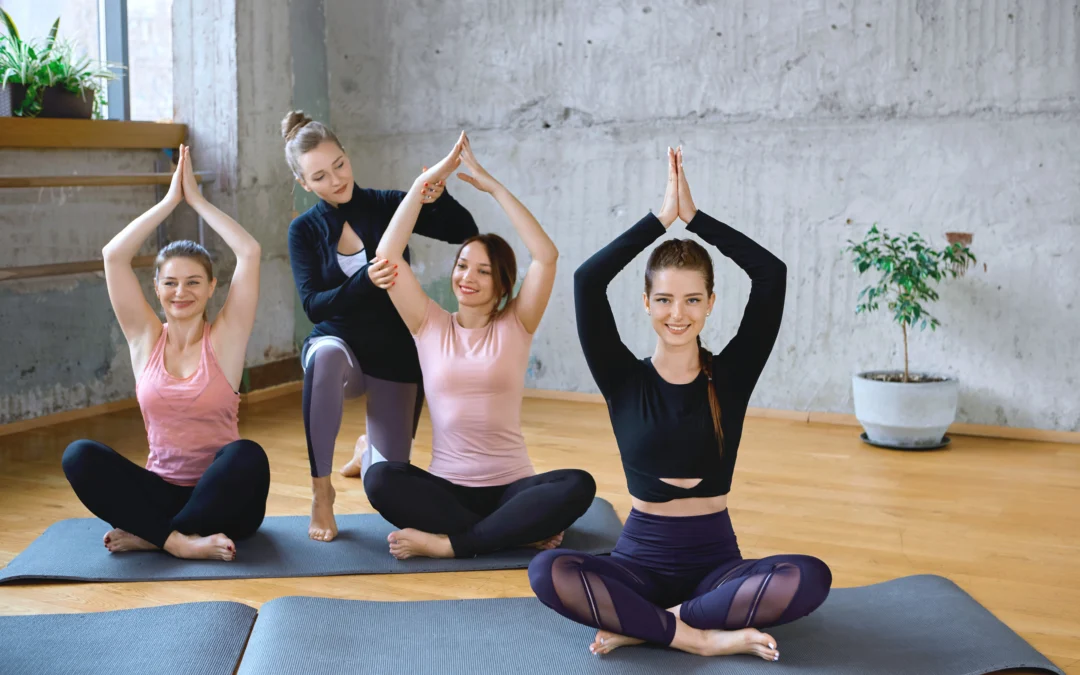
In yoga teacher training in Kathmandu, you practise about 7 hours a day with our teachers. Classes cover Hatha yoga and Ashtanga Vinyasa, with plenty of time for alignment. Beginners are welcome, and your teachers adjust poses to your body.
3. A Deeper Spirit
You study the Yoga Sutras of Patanjali, the eight limbs and the chakras. You also learn mantra chanting, including the Gayatri Mantra, and finish the day with deep relaxation through yoga nidra.
4. Real Teaching Skills
Every trainee completes at least 10 hours of supervised teaching practice. You learn to plan a class, give clear cues and handle feedback. Our post on the teaching practicum in yoga training goes deeper once it goes live.
Our founder, Dr. Prakash Acharya, holds a master’s degree in yoga and a PhD in meditation, and you can meet the full team on our teachers page.
5. A Cleaner Lifestyle
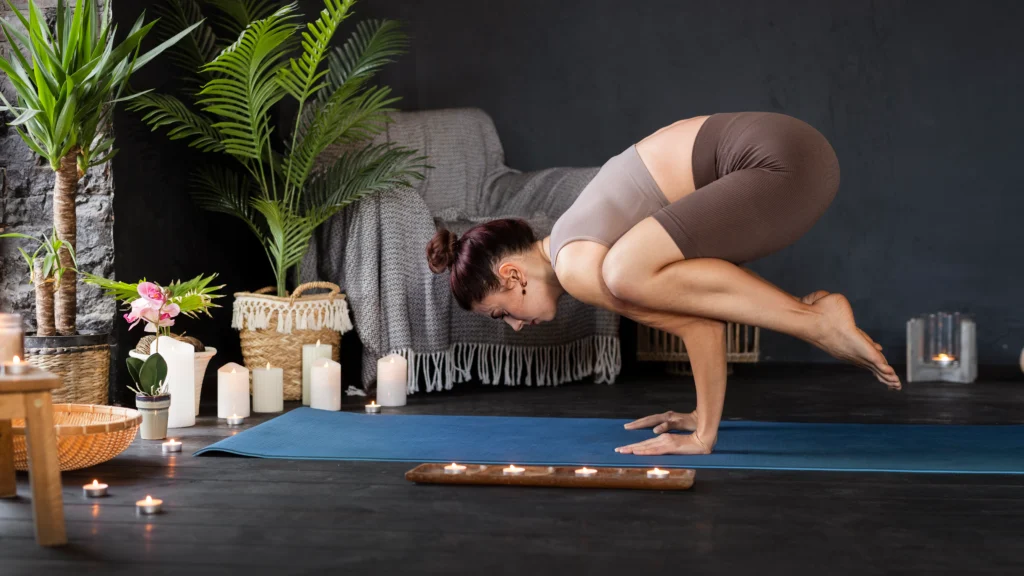
You learn the six yogic cleansing practices, called shat kriyas, and how to do them safely. You eat three vegetarian meals a day and drink herbal tea. Want to go further later? Try our yoga detox retreat or the 2-week Ayurveda and yoga detox.
6. A Global Community
Students from about 80 countries have trained with us through yoga teacher training in Kathmandu. Each week brings outings such as hiking, karma yoga, a town visit and Nepali language coaching. You can meet past trainees on our YTTC students page and read their words on our testimonials page.
7. A Certificate That Travels
Our 200-hour course is Yoga Alliance certified, and we are registered with the Yoga Alliance International Registry. Studios and retreat centres around the world recognise this kind of certificate.
Your Day During the 21-Day Training
This is a sample timetable from our 200-hour course. It may change with the subject and the season.
| Time |
Session |
| 7:00 am |
Hatha yoga flow |
| 8:15 am |
Hatha textbook, detox and teaching practice |
| 11:00 am |
Relaxation, chanting or anatomy |
| 12:15 pm |
Ashtanga Vinyasa flow |
| 3:30 pm |
Meditation and breathing |
| 4:30 pm |
Alignment and yoga flow |
| 6:00 pm |
Meditation and philosophy |
| 9:00 pm |
Silence |
Breakfast, lunch and dinner fit between these sessions.
What You Will Study?
Our syllabus has nine parts:
- Yoga asanas
- Meditation
- Pranayama, bandha and mudra
- Mantra chanting and yogic relaxation
- Yoga philosophy
- Anatomy, physiology and lifestyle
- Yogic detoxification
- Teaching practice
- Extra activities and outings
Course Snapshot
| Detail |
What to know |
| Course |
200-hour yoga teacher training |
| Length |
21 days |
| Start dates |
The 1st of every month, ending on the 21st |
| Styles |
Hatha, Ashtanga and more |
| Included |
Classes, accommodation, three vegetarian meals, books and a shared mat |
| Price |
From 1,400 USD in a standard shared room |
Flights, visa fees, laundry, airport pickup and sightseeing are not included.
Which Training Level Fits You?
Different goals need different programmes. Here are the main options for yoga teacher training in Kathmandu at our school:
We also offer 200-hour Kundalini training, seniors yoga training, children yoga training and prenatal yoga training. Prefer to learn from home? Look at our 200-hour online yoga training.
5 Tips for Choosing a School
- Research the lead teacher: Ask about their personal practice and teaching background.
- Do not treat registration as proof of quality: Yoga Alliance registration shows a school meets a minimum standard and lets you read its curriculum.
- Ask about class size: Smaller groups mean more personal attention.
- Ask about assessment and practice teaching: A good school gives you supervised practice and honest feedback.
- Talk to the school directly: Avoid third-party agents, and ask for alumni to speak with.
We are happy to answer all five. See our services and facilities page for rooms and meals.
Best Time to Join
Spring (March to May) and autumn (September to November) bring clear skies and mild days.
Our training runs every month, so you can also join in winter or in the monsoon, when classes continue indoors or under cover. Choose the month that fits your work and travel plans.
What to Bring
Pack comfortable clothes for practice, a warm layer for cool mornings, a journal and any personal medicine. We provide a shared mat. If you want to take a mat home, bring your own.
Start Your Yoga Teacher Training in Kathmandu With Us
Ready to take the next step? Read our FAQ, contact us with any question, and book your training when you feel ready. If you want a short taste first, try a one-week yoga retreat class or our one-month yoga retreat.
Frequently Asked Questions
Can I register with Yoga Alliance after the course?
Yes, after a Yoga Alliance certified course you can apply to register as a teacher. Yoga Alliance sets its own fees and steps, so check its website for the latest rules.
What if my plans change before the training starts?
Your booking is fully refundable or reschedulable before the course begins. After it starts, payments are non-refundable, but we stay flexible in an emergency.
Do I need a visa for Nepal?
Most visitors need a tourist visa, and the fee is not part of the course price. Please check the current rules with Nepal’s immigration office before you travel.
Is airport pickup included?
Pickup and drop service is not included in the fee. Ask our team about your arrival details and we will guide you.
Can I join if I have never practised yoga?
Yes, beginners can join and many students start with no experience. Our teachers give extra attention to new students in asana and alignment.

by Nepal Yoga Home | Oct 24, 2026 | Ayurveda, Yoga, yoga training and yoga courses
Yes, you can. Yoga and Ayurveda grew from the same roots, so many students want to study them together.
The real question is how to do it well. This guide shows you five ways to join yoga teacher training with Ayurveda, with timelines you can plan around.
We teach both at Nepal Yoga Home, so we have seen what works. Read on, then pick the path that fits your time and goals.
Why Yoga and Ayurveda Fit Together?
Ayurveda comes from two Sanskrit words, “ayu” for life and “veda” for knowledge. It looks at your body, mind and daily habits as one system. Our Ayurveda introduction page explains the three doshas that Ayurveda uses to describe each person.
Yoga gives you the practice, and Ayurveda gives you the lifestyle map around it. Many teachers call them sister sciences. One shapes how you move and breathe, and the other shapes how you eat, rest and live.
Our school sits near the Nagarjuna forest. The site’s history page says Acharya Nagarjuna, a famous Ayurveda scholar, did his research in this jungle. So you study these subjects close to where they grew.
5 Ways to Combine Yoga Teacher Training with Ayurveda
1. Learn Ayurveda Inside Our 200-Hour Course
Our 200-hour yoga teacher training already includes Ayurveda basics. The syllabus covers yoga anatomy, physiology and lifestyle, plus an introduction to Ayurveda as a traditional medical system. You also study yogic detoxification.
Our Ayurveda doctor, Dr. Sushmita Ghimire, teaches yoga anatomy, and you can meet her on the teachers page.
2. Add a 2-Week Ayurveda and Yoga Detox After Your Training
This is the most popular way to do yoga teacher training with Ayurveda. Finish the 21-day course, then rest into our two-week Ayurveda and yoga detox.
It includes an Ayurveda consultation, daily yoga and meditation, and herbal therapies. Total time is about five weeks.
3. Begin With an Ayurveda Retreat
Prefer to arrive refreshed? Start with a shorter stay, such as the 4-night Ayurveda detox or the 10-day Ayurveda retreat. Then step into your training with more energy. This order suits students who feel tired before they even start.
4. Choose Our 21-Day Wellness Training
Our 21-day wellness training mixes yoga, meditation, massage and singing bowls. The massage lessons include Nepalese and Ayurvedic methods. Meals also follow Ayurvedic and yogic principles.
5. Go Deeper After Your Certificate
Already hold a 200-hour certificate? Add a 3-week Ayurveda and massage training or a 1-month Panchakarma training. You can also build your yoga skills with our 300-hour advanced training.
Quick Comparison
| Path |
Length |
Best for |
| Ayurveda inside the 200-hour YTT |
21 days |
First-time trainees |
| YTT, then 2-week detox |
About 5 weeks |
A full reset after training |
| Ayurveda retreat, then YTT |
5 weeks or more |
Tired students who want a gentle start |
| 21-day wellness training |
21 days |
Massage and sound healing lovers |
| YTT, then Panchakarma training |
7 weeks or more |
Future wellness professionals |
What You Gain From Yoga Teacher Training with Ayurveda
- A deeper understanding of your own body type and daily rhythm
- Practical routines for eating, sleeping and self-care
- Better insight into stress, digestion and energy for you and your students
- A wider range of skills if you plan to offer retreats or wellness sessions
Our yoga detox retreat and yogic detoxification week are also good ways to feel the link between the two systems.
How Ayurveda Can Shape the Way You Teach Yoga
Ayurveda teaches you to see that no two students are the same. One person feels restless and cold, while another feels heavy and slow. When you notice this, you adjust your class and your words.
Our two-week Ayurveda course covers body constitution, daily routines and seasonal habits. You can carry these ideas into your classes in simple ways:
- Offer a gentle, slow start for students who arrive tense and rushed.
- Suggest simple routines, like regular meals and early sleep.
- Add calm closing practices, such as yoga nidra.
Keep your advice light and general. You are a yoga teacher, not a doctor. Send students with health concerns to a qualified professional.
Who Should Choose Yoga Teacher Training with Ayurveda?
This path suits you if you:
- Want to teach yoga and also understand lifestyle and wellness
- Plan to run retreats or wellness sessions one day
- Feel drawn to herbs, food and daily routines
- Have time for a stay of five weeks or more
- Prefer a calm, slow pace over a rushed schedule
Pressed for time? Start with our 100-hour beginner yoga training or the one-week introductory Ayurveda retreat. Both give you a taste before you commit to a longer plan.
A Sample Day in the Ayurveda and Yoga Programme
Here is the sample schedule from our two-week Ayurveda and yoga detox. It changes from person to person, depending on your needs.
| Time |
Activity |
| 7:30 to 8:30 am |
Yoga postures |
| 8:30 to 10:00 am |
Breakfast |
| 11:00 am to 12:00 pm |
Rest, reading or a visit |
| 12:00 to 2:00 pm |
Ayurveda therapy and detox |
| 2:00 to 3:00 pm |
Lunch |
| 3:00 to 5:00 pm |
Rest |
| 5:00 to 6:00 pm |
Chanting, meditation and breathing |
| 7:00 pm |
Dinner |
The day leaves plenty of space to rest. That gap is important, especially after the full schedule of the teacher training. You can also add a one-off treatment, like a 1-hour Shirodhara.
What It Does Not Give You

Be clear about the limits. A short Ayurveda course does not make you an Ayurvedic doctor. It gives you wellness knowledge and good habits, and it does not replace medical care.
Some combined courses elsewhere are also not Yoga Alliance accredited, so always check before you pay. Our 200-hour training is Yoga Alliance certified, and an Ayurveda retreat that follows does not change that.
Sample Timelines
Our YTT runs from the 1st to the 21st of each month. That makes it easy to line up a retreat right after. Please confirm exact dates with us before you book flights.
5 Tips for Planning Your Stay
- Decide your order based on your energy. Tired students often start with the Ayurveda retreat.
- Share your full health history with our Ayurveda doctor.
- Pack loose clothes and a warm layer for cool mornings.
- Keep a rest day or two in Kathmandu between programmes.
- Ask about our 3-week Panchakarma and yoga retreat if you want a longer stay.
Planning yoga teacher training with Ayurveda is easier when you take it one step at a time. Our team will help you shape the plan.
Start Yoga Teacher Training with Ayurveda at Nepal Yoga Home
You do not need to decide everything today. Read what past trainees say on our testimonials and YTTC students pages. Check our services and facilities and FAQ, then contact us with questions. When you are ready, book your stay.
Frequently Asked Questions
Do I need to know Ayurveda before I join?
No, you can start with zero knowledge. Our teachers explain every term from the beginning.
Are Ayurveda therapies safe for everyone?
Not always, since some conditions and pregnancy need special care. Tell our Ayurveda doctor about your health before you begin so the plan fits you.
What will I eat during these programmes?
Meals are vegetarian and mostly Nepali, with plenty of vegetables and fruit. Herbal teas are served through the day.
Can I come back later for a longer Ayurveda course?
Yes, many students return once they know what they want to study. Our one-month programmes are a natural next step.
What should I pack?
Bring comfortable clothes, warm layers, a notebook and any personal medicine. Leave the rest to us.
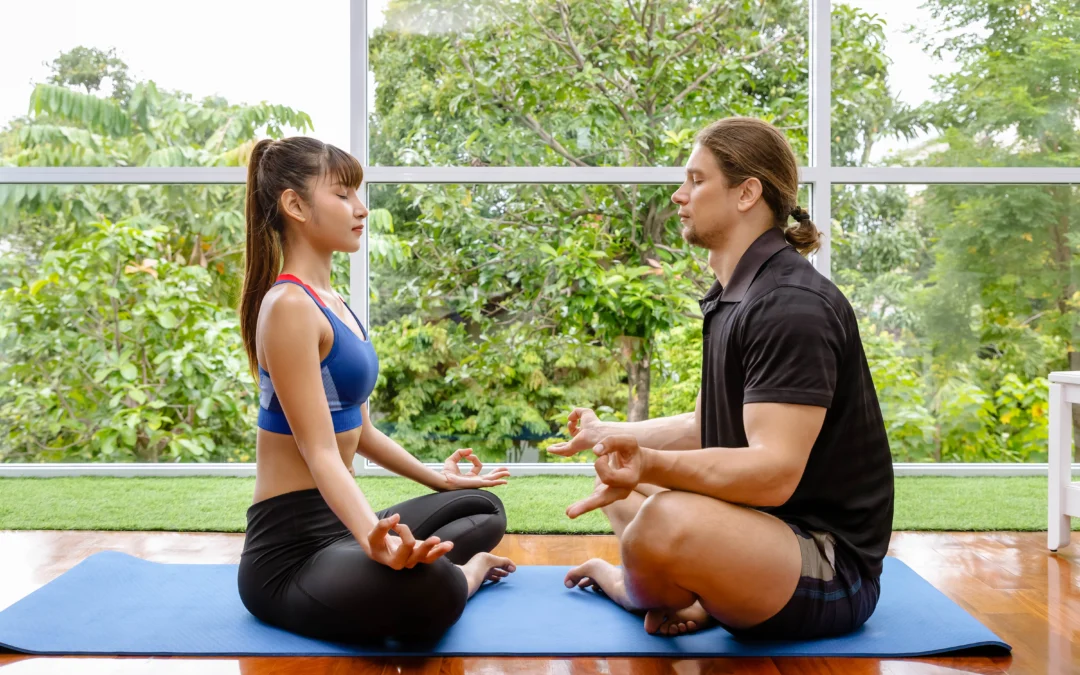
by Nepal Yoga Home | Oct 23, 2026 | Yoga, yoga training and yoga courses
You have learned the poses, the breathing and the philosophy. Now someone points to a room full of students and says, “Go ahead and teach.”
That moment is the teaching practicum, and it is where a student becomes a teacher. Many people feel nervous about it, yet it often becomes the most rewarding part of the course.
In this guide, we explain what a teaching practicum in yoga teacher training involves, how many hours you need and how to prepare. We teach it every month at Nepal Yoga Home.
What Is a Teaching Practicum in Yoga Teacher Training?
A teaching practicum is the supervised, hands-on part of your course. You plan a class, lead real students through it and receive feedback from your teachers.
Think of it as a bridge. Lectures give you knowledge, and the teaching practicum shows you how to use it. Without that bridge, even a strong practitioner can freeze in front of a group.
Yoga Alliance is the largest registry for yoga teachers. Its 200-hour standards set aside 10 hours for practicum, because teaching is a skill you learn by doing.
7 Things to Know About Teaching Practicum in Yoga Teacher Training
1. It Is Hands-On, Not Theory
You teach instead of only listening. You stand, speak, demonstrate and guide real people through poses.
2. Ten Hours Is the Usual Benchmark
Yoga Alliance’s 200-hour standards include 10 practicum hours. At Nepal Yoga Home, every trainee completes at least 10 hours of supervised teaching practice. That means you never leave with theory alone. Our 200-hour yoga teacher training runs for 21 days, and teaching practice sits inside the daily schedule.
3. You Observe, Assist, Then Lead
Most programmes build in stages:
| Stage |
What you do |
What you learn |
| Observe |
Watch teachers and classmates |
How a class flows |
| Assist |
Support a class with simple help |
How to read bodies and the room |
| Lead a segment |
Teach a short part, like a warm-up |
Clear cues and pacing |
| Lead a full class |
Plan and teach a whole session |
Structure and confidence |
4. Feedback Is the Heart of It
After each class, you hear what worked and what to adjust. Feedback comes from your teachers, and often from classmates too. Write it down and use it in your next session. That loop of teach, listen and improve is where growth happens.
5. You Practise Real Teaching Skills
- Cueing: Giving short, clear instructions
- Sequencing: Ordering poses in a safe, logical flow
- Voice and pace: Speaking calmly and steadily
- Demonstration: Showing a pose without losing sight of your students
- Time management: Fitting warm-up, main practice and rest into one class
- Safety: Offering options for different bodies
6. It Builds Confidence Fast
Nerves are normal. The first few minutes feel loud in your head, and then you settle. By your last class, you speak with more ease and trust your own voice.
7. It Is About Growth, Not Perfection
Nobody expects a flawless class. Teachers look for care, clarity and a willingness to learn. A wobbly moment is part of the process, so treat each class as practice.
Practicum vs Teaching Methodology
These two terms often confuse new students. Teaching methodology is the study of how teaching works, including communication, teaching styles and group dynamics. The practicum is where you apply those ideas with real people. You need both, and each one makes the other stronger.
Our Teaching Practicum at Nepal Yoga Home
Teaching practice is one of nine subjects in our syllabus, alongside asana, pranayama, meditation, philosophy and anatomy. Our teachers supervise the class, so you always have guidance in the room.
Here is what you can expect:
- At least 10 hours of supervised practice for teaching practicum in yoga teacher training
- A 21-day course that starts on the 1st of every month
- Teaching practice built into the daily schedule, next to Hatha textbook study and detox sessions
- Styles you have studied in class, mainly Hatha yoga and Ashtanga Vinyasa
- Guidance from experienced yoga teachers, led by Dr. Prakash Acharya
You finish with a Yoga Alliance certified certificate. To hear from past trainees, visit our testimonials and YTTC students pages. You can also check our services and facilities to see where you will stay while you train.
Why the Teaching Practicum Matters
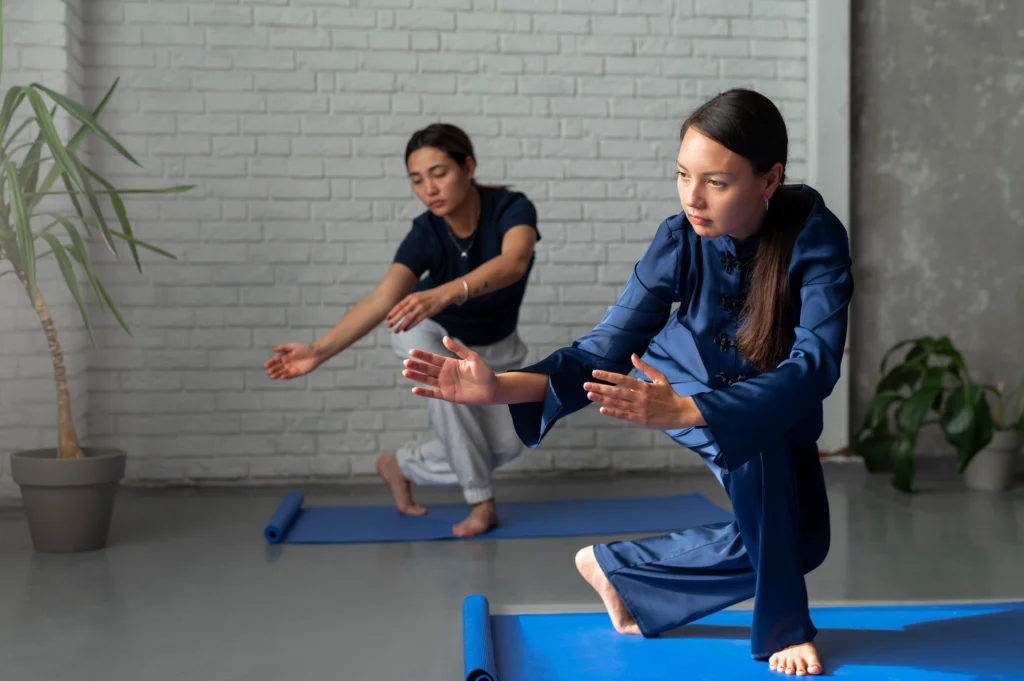
- Safety: Practice helps you spot risky alignment before a student gets hurt in teaching practicum in yoga teacher training
- Clarity: You learn to explain a pose in a few simple words instead of a long speech.
- Confidence: Standing in front of a group becomes familiar, not scary.
- Readiness: Studios and retreat centres want teachers who can lead a class, not only demonstrate a pose.
6 Tips to Prepare for Your Teaching Practicum in Yoga Teacher Training
- Learn pose names and the basic order of a class before you arrive.
- Practise teaching out loud to a friend or a mirror.
- Write a short class plan before each session.
- Use plain words. Short cues help students more than long explanations.
- Pause and breathe. The slow breathing you learn in pranayama classes calms nerves.
- Welcome feedback with curiosity, not defence.
5 Common Mistakes to Avoid for Teaching Practicum in Yoga Teacher Training
- Talking too fast: Slow down and let students settle into each pose.
- Packing in too many poses: A simple class taught well beats a crowded one.
- Reading your notes instead of watching students: Look up and notice how people move.
- Skipping options for beginners: Always offer an easier version.
- Comparing yourself with classmates: Every teacher finds a different voice.
Pick the Training That Fits You
If you have a special interest, look at our children yoga teacher training, prenatal yoga training or yoga nidra training. Want a taste before you commit? Join a one-week yoga retreat class. Prefer to start from home? Our 200-hour online yoga training is another option.
Start Your Training With Us
Reading about a teaching practicum helps, but standing in front of a class teaches you more. Our team will guide you from your first cue to your last class. Browse our FAQ, contact us with any question, and book your training when you are ready.
Frequently Asked Questions
Is the practicum graded like an exam?
Most schools focus on feedback and growth instead of a strict pass or fail test. Ask any school how it assesses trainees, and feel free to ask us about ours.
What if I am shy about speaking in front of people?
Many trainees feel shy at first, and that is completely normal. Starting with short segments helps your voice settle before you lead a full class.
Can I complete a practicum online?
Yoga Alliance now allows online and hybrid trainings, so many online courses include live practice teaching. Check how a school delivers it before you enrol.
Do I have to plan to teach after the course?
No, some students join only to deepen their own practice. Teaching practice is still part of the syllabus, and it sharpens your understanding of every pose.
Can I keep practising teaching after I graduate?
Yes, you can begin with friends, family or a small community class. Regular teaching builds the confidence that your course started.
by Nepal Yoga Home | Sep 30, 2026 | Yoga
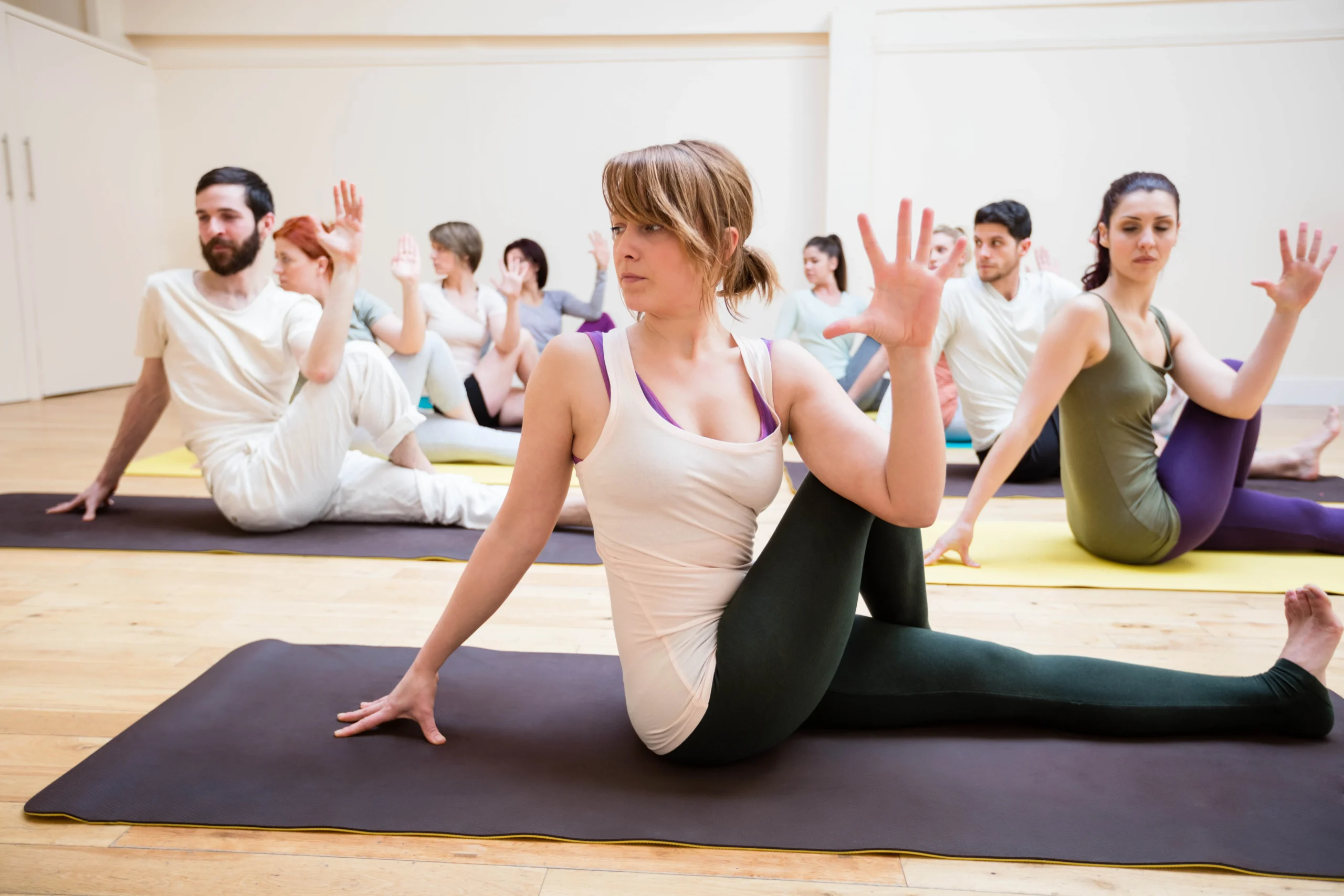
Yoga teacher training for international students works well in Nepal when you plan early. Most of our trainees fly in from Europe, the US, Australia and other parts of Asia, and they settle in faster than they expect.
Many of them ask one question before booking: can I train abroad and still go home qualified? This guide covers ten practical points about yoga teacher training for international students, so you can decide with clear facts.
If you want a full program, start with our 200-hour yoga teacher training. You can also read about us first to see how we teach.
1. Who Yoga Teacher Training for International Students Suits
Yoga teacher training for international students fits several kinds of people:
- Beginners who want a slow start with the 100-hour beginner course
- Regular practitioners who feel ready to teach
- Career changers who need a full break from work
- Travellers who want study and culture in one trip
It may not suit you if you want a resort stay with nightlife. If you want to test the waters first, try our 5-hour online yoga class before you fly.
2. Language and Teaching Style
Classes run in English, and our teachers explain each Sanskrit term as it comes up. Groups stay small, so you can ask questions without feeling rushed. Teachers demonstrate every pose before you try it, and you practise in pairs to build confidence.
If English is your second language, tell us in advance and we will slow down where needed. You can meet the instructors on our teachers page.
3. Certification
Certification matters most if you plan to teach back home. Ask every school which registrations it holds before you pay, and ask us too. Then confirm our current Yoga Alliance status through the contact page so you get the latest answer.
A certificate also helps more when it comes with real teaching hours, so our courses include practice teaching from the first week.
4. Course Options and Duration
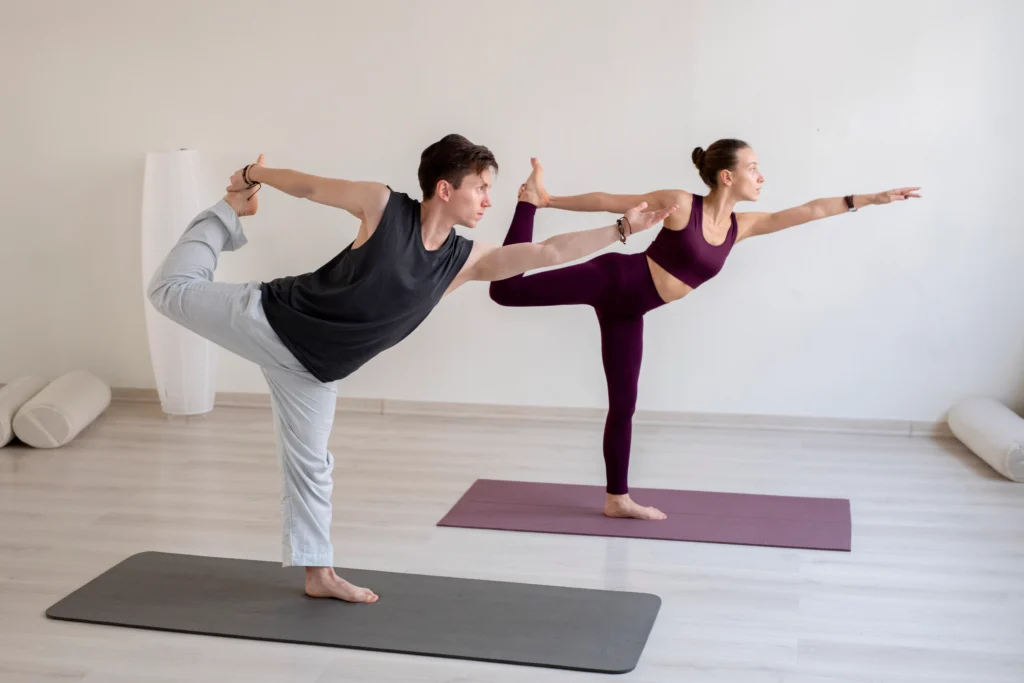
Here is how the main choices compare for yoga teacher training for international students:
If you want to teach mothers-to-be later, look at our prenatal yoga teacher training.
5. Cost and What’s Included
Your fee usually covers tuition, a room, meals and study materials. Check our services and facilities page to see exactly what comes with each course.
Plan separately for these extras:
- Return flights
- Visa fee
- Travel insurance
- Optional excursions
6. Visa and Paperwork

Yoga teacher training for international students usually runs on a tourist visa.
Follow these steps:
- Check your passport validity.
- Apply for a tourist visa online or on arrival.
- Compare the visa length with your course dates.
- Buy travel insurance before you leave.
Rules change, so check the official Nepal immigration website and ask our team if anything looks unclear.
7. Safety and Health
Kathmandu is welcoming, and normal travel sense goes a long way. Drink filtered water, keep copies of your passport, and let staff know if you feel unwell. Many solo women train with us, and we help every student on arrival.
The city is at a mild altitude, but mornings feel cool, so bring a jacket. If you have an injury, see a doctor first and read about our therapeutic yoga program.
8. A Typical Day
Schedules vary by course, but a day often looks like this:
| Time |
Activity |
| Early morning |
Pranayama and asana |
| Late morning |
Vegetarian breakfast and philosophy |
| Afternoon |
Anatomy and teaching practice |
| Evening |
Gentle practice and meditation |
9. Nepal Compared With India and Bali
Here is why many students choose yoga teacher training for international students in Nepal:
- Quieter classes and a Himalayan setting
- Buddhist and Hindu heritage close by
- Lower living costs than Europe or the US
India has a bigger yoga scene, and Bali has more tourists. Nepal has colder winters and longer travel time, so weigh both sides. You can also add a yoga retreat in Nepal or a 10-day yoga tour around your course.
10. Best Time to Go and How to Prepare
March to May and September to November bring the most comfortable weather. Practise daily for a month before you arrive, so your body feels ready for long sessions.
Pack these basics:
- Comfortable yoga clothes
- Warm layers and a light rain jacket
- A refillable water bottle
- Daily medication with a doctor’s note
Ready to Apply?
Yoga teacher training for international students in Nepal gives you expert teaching, a calm setting and a fair price. Learn more about our founder, Dr. Prakash Acharya, then book your stay when you feel ready.
Frequently Asked Questions
Is yoga teacher training for international students in Nepal beginner friendly?
Yes, our 100-hour course starts from the basics and needs no experience. Students with a regular practice can move straight into the 200-hour program.
Is the certificate accepted outside Nepal?
Many students use their certificate to teach in their home countries. Ask us for our current registration details before you book.
How much does the training cost?
The price depends on the course length and the room you choose. Please check the booking page or contact us for the latest fees.
Do you teach in English?
All main classes run in English, and teachers explain Sanskrit terms clearly. Small groups also make it easy to ask for help.
How long does the training take?
The length depends on the course you pick, and the 21-day program is our shortest full option. Each course page lists the current dates.
What food do you serve?
We serve vegetarian meals every day, and our kitchen can adjust for allergies and dietary needs. Tell us before you arrive so we can plan ahead.
Is Nepal safe for solo female travellers?
Kathmandu is generally welcoming, and many women train with us on their own. Our team helps you on arrival and stays available throughout your stay.
Do I need travel insurance?
Yes, buy a policy before you leave home. Choose one that covers medical care and changes to your travel plans.
Can I join if I have an injury?
Talk to your doctor first, then tell us about your condition before arrival. We can suggest safer options and modify poses for you.
Where can I find more answers?
Our FAQ page covers accommodation, meals and arrival details. You can also read what past students say on the testimonials page.
by Nepal Yoga Home | Sep 11, 2026 | Yoga, yoga training and yoga courses
Every school selling a 200-hour yoga teacher training in Nepal calls itself the best one. That’s marketing, not information and it doesn’t tell you much about what your actual month will look like.
Nepal has become a go-to spot for Yoga Teacher Training over the last decade because it’s cheaper than the West without cutting corners on tradition. Not ready to commit a full month yet? Nepal Yoga Home runs yoga teacher training in Nepal that works as a smaller first step.
In this blog, we’ve covered what a normal day looks like, the curriculum, what you’ll pay and a few questions worth asking before you send anyone a deposit. This training is tough and nobody should pretend otherwise.
What is a 200-Hour Yoga Teacher Training in Nepal?
The “200 hours” is instruction time, not the number of days you’ll be there. It’s the entry-level certification under Yoga Alliance, and finishing it lets you register as an RYT-200 and start teaching beginner to intermediate classes.
Nepal schools tend to squeeze those hours into 3 to 4 weeks rather than spreading them out. Ask around and you’ll find that’s basically the standard here.
Why Aspiring Teachers Choose Nepal for Certification?
Most people shop around between Nepal, India and Bali before deciding, and price is usually what tips the scale. But there’s more going on than just the exchange rate.
Reasons students give when you ask them directly:
- Costs less than a comparable course back home, sometimes by half
- Hatha and Ashtanga teaching here traces back through actual lineages, not weekend workshops
- Class sizes stay smaller than the bigger training hubs in Rishikesh
- Mountains outside your window tend to keep phones in pockets
- Easy to tack on an Ayurveda detox right after, if you want more time there
None of that guarantees Nepal is right for you specifically. It just explains why so many people end up here.
Who a Yoga Teacher Training in Nepal is Right For?
Our yoga teacher training in Nepal is suitable for you if you can wake up at 5:30 AM, Six-day weeks and spend hours on your feet.
It is a good fit for you if:
- You already have some kind of practice, even a shaky one
- Early mornings don’t wreck you by day three
- You want the philosophy and meditation, not just the poses for Instagram
We suggest you to wait if:
- You’re recovering from surgery or an injury that isn’t fully healed
- You’re pregnant
- Your calendar can’t handle a solid month with no gaps
If you’re confused or concerned about anything, just ask. Nepal Yoga Home will tell you honestly whether 100 hours or 200 makes more sense for where you’re at.
What Does Your Day Look Like?
There’s not much rest included in your schedule.
Your normal day will look something like this:
| Time |
Activity |
Focus |
| 5:30 AM |
Wake up, tea |
Getting going |
| 6:00 AM |
Pranayama, meditation |
Breath |
| 7:00 AM |
Asana |
Alignment |
| 9:00 AM |
Breakfast |
Rest |
| 10:30 AM |
Lecture (anatomy/philosophy) |
Theory |
| 1:00 PM |
Lunch, free time |
Rest |
| 3:00 PM |
Teaching practice |
Skills |
| 5:00 PM |
Evening asana |
Practice |
| 7:00 PM |
Dinner, journaling |
Wind down |
Sundays ease up a bit, usually a hike or a walk through one of the older temples nearby.
The Core Curriculum You’ll Study
Yoga Alliance sets a floor for how many hours go into each subject. Most schools stay close to it, though a few stretch the numbers.
| Subject |
Approx. Hours |
What It Covers |
| Asana |
90 |
Postures, adjustments |
| Teaching methodology |
25 |
Class planning, cueing |
| Anatomy |
20 |
How the body moves |
| Philosophy and ethics |
30 |
Yamas, niyamas, older texts |
| Pranayama and meditation |
20 |
Breath, focus |
| Practicum |
15 |
Supervised teaching |
Get the exact breakdown before you sign anything. Some schools quietly pad the asana column and shortchange anatomy, and you won’t notice until you’re there.
Here’s how Nepal Yoga Home structures theirs, for comparison.
Kathmandu vs. Pokhara: Choosing Your Location
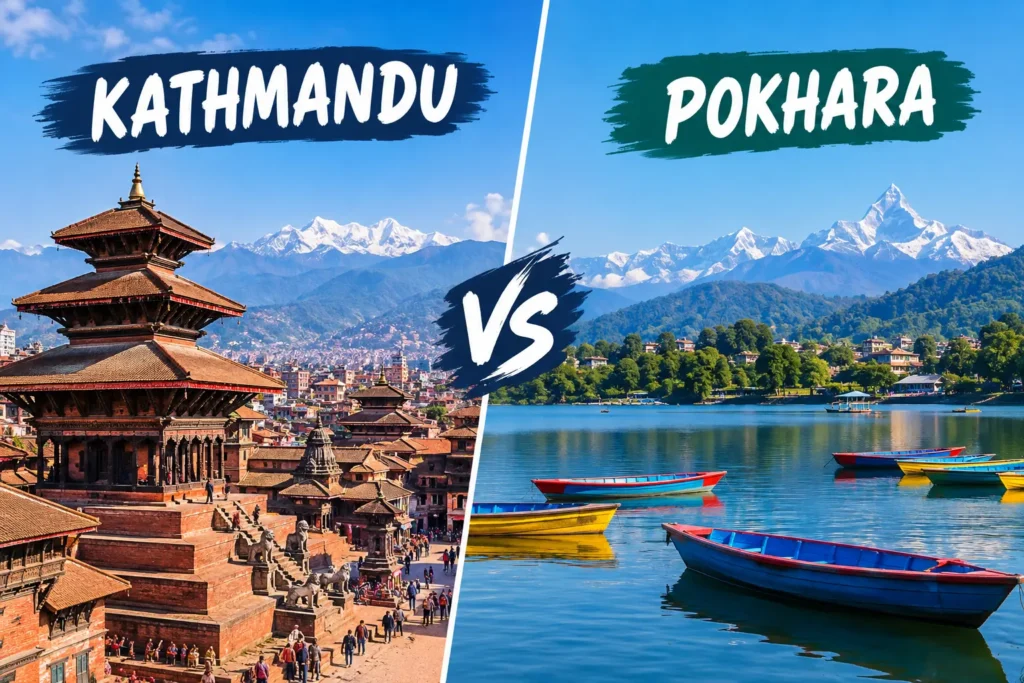
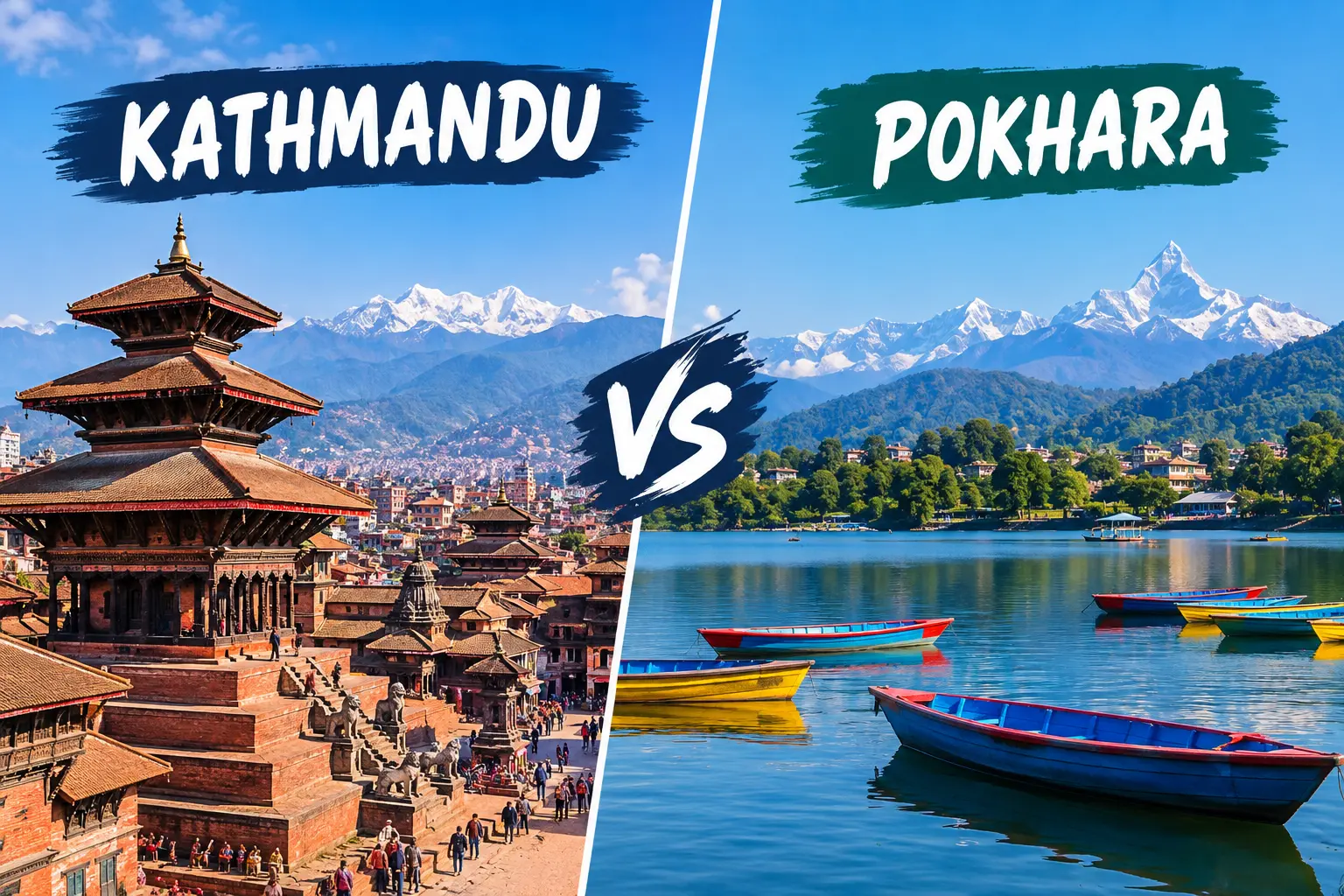
Kathmandu puts you near the old temples, a bigger community of teachers, and flights that don’t require three connections. Pokhara swaps that for a lake, mountain views, and considerably less noise.
Both work, it really just comes down to whether you want a city buzzing around you or something quieter. Plenty of students do the training in Kathmandu, then head to Pokhara for a few days once it’s over.
How to Choose a Legitimate, Certified School?
Anyone can put a Yoga Alliance logo on their website. Not everyone is actually registered, and checking takes five minutes.
- Search the school’s name directly in the Yoga Alliance directory yourself
- Ask how long the lead teacher has been teaching classes, not just how long they’ve practiced
- Get the real schedule, day by day, before you pay anything
- Look for reviews somewhere other than the school’s own site
- Confirm exactly what’s covered in the price before comparing two schools side by side
If they won’t answer one of these clearly, that tells you something already.
Cost and How to Prepare Before You Arrive
Figure on $900 to $1,800 for a 200-hour yoga teacher training in Nepal and room type is what mostly drives that gap. Dorm-style shared rooms sit at the bottom, private rooms with their own bathroom push you toward $1,800.
Usually covered:
- Room for the whole course
- Three meals daily, mostly vegetarian
- Manuals and materials
- The certificate itself
Usually not covered:
- Flights
- Visa fees
- Extras like day trips or airport pickup
A week or two before you leave, cut back on caffeine and start some kind of daily practice, even ten minutes.
Pack clothes you can actually move in, and bring a notebook, the self-reflection side of this catches a lot of people off guard. Nepal Yoga Home’s booking page has current visa info if your trip is coming up soon.
Start Your 200-Hour Yoga Teacher Training in Nepal
A 200-hour yoga teacher training in Nepal takes real time and real money, and it should, since nobody leaves with actual teaching skills from something easy.
If 100 hours feels safer as a starting point, Nepal Yoga Home’s beginner course was built for that. Whichever school you pick, make them answer the hard questions first.
Check dates and pricing here, or read what past students said before booking anything.
Frequently Asked Questions
Do I need prior yoga experience to join a 200-hour yoga teacher training in Nepal?
No, most schools take complete beginners without any issue. A rough home practice beforehand just makes the first week less rough.
Is the certification recognized internationally?
Yes, as long as the school is properly registered with Yoga Alliance, not just claiming it. That’s what lets you register as an RYT-200 and teach almost anywhere afterward.
How long does the training actually take?
Most run 3 to 4 weeks, full days, no breaks in between. A few schools offer slower, part-time versions, but that’s rare in Nepal specifically.
What’s included in the course fee?
Room, meals, and materials are almost always bundled into the quoted price. Flights, visas, and whatever you spend on yourself are separate.
Can I go straight into 300-hour training after finishing 200-hour yoga teacher training in Nepal?
Plenty of people do exactly that to reach 500 hours sooner. Worth messaging the school ahead of time since combining both courses sometimes comes with a better rate.