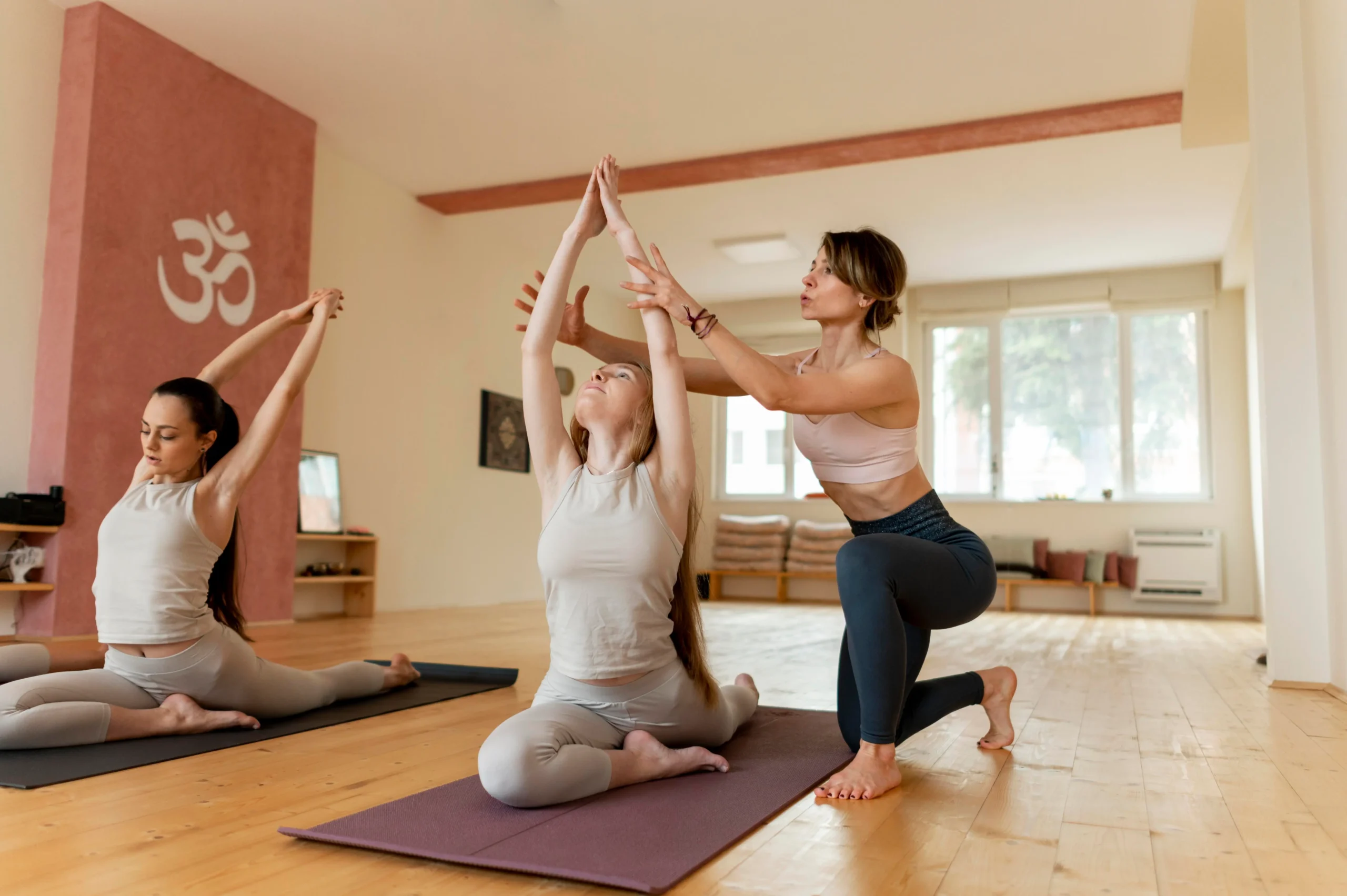
by Nepal Yoga Home | Oct 13, 2026 | Yoga, yoga training and yoga courses
A yoga teacher training certificate shows that you completed structured training in postures, philosophy and teaching skills. It also gives you the confidence to stand in front of a class and lead it.
Many students ask what their certificate lets them do after graduation. The honest answer is that it opens several doors, but it does not do all the work for you.
This guide covers nine things your certificate allows, plus a few limits you should know about. If you’re still choosing a school, our 200-hour yoga teacher training is a good place to start.
What a Yoga Teacher Training Certificate Really Means
Schools award a certificate after you finish a set number of training hours. Most programs follow standard levels of 100, 200, 300 and 500 hours. The hours cover postures, anatomy, philosophy, breathing, teaching method and practice teaching.
Your certificate does not replace experience. It gives you a clear and recognised starting point, and employers, studio owners and students all understand what it stands for.
9 Things Your Certificate Lets You Do
1. Teach Public Group Classes
With a 200-hour yoga teacher training certificate, you can apply to teach at studios, gyms, community centres and wellness clubs. Many employers ask for this level as a minimum. Begin with beginner classes, because they build your skill and your reputation quickly.
2. Teach Private Students
One-to-one sessions let you shape every class around a single person. Your certificate gives clients proof that you trained properly, and many teachers build a steady income from a few loyal private students. You can teach in homes, parks or small rented rooms.
3. Lead Workshops and Retreats
A workshop focuses on one theme, such as hip opening, breathwork or balance. Retreat hosts also look for teachers with a recognised credential. You can see how a retreat runs by exploring our yoga retreats in Nepal.
4. Teach Online
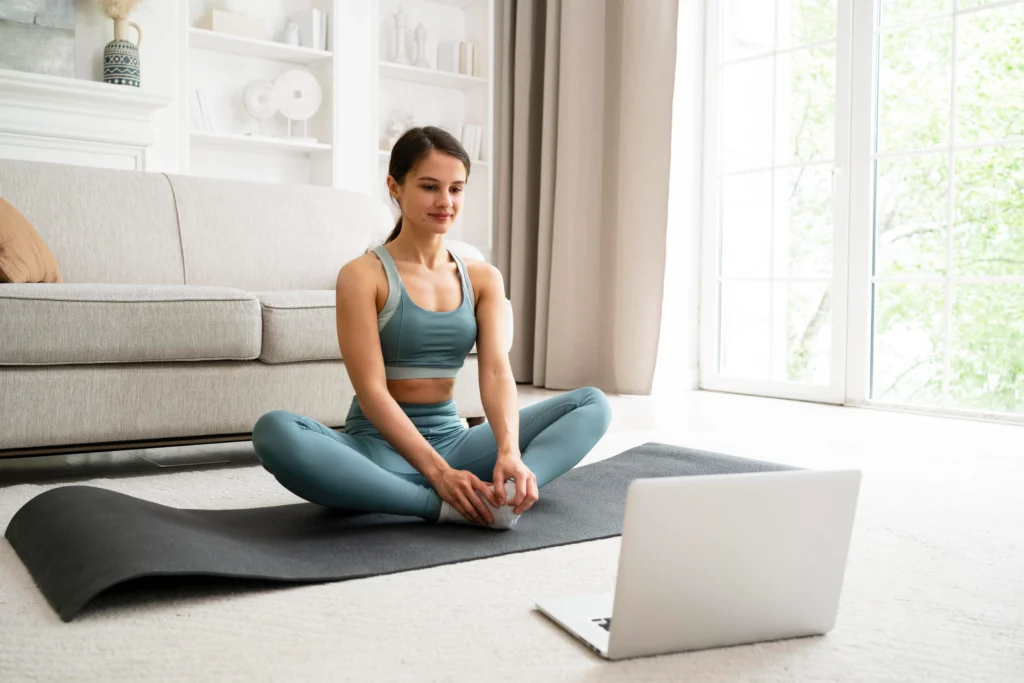
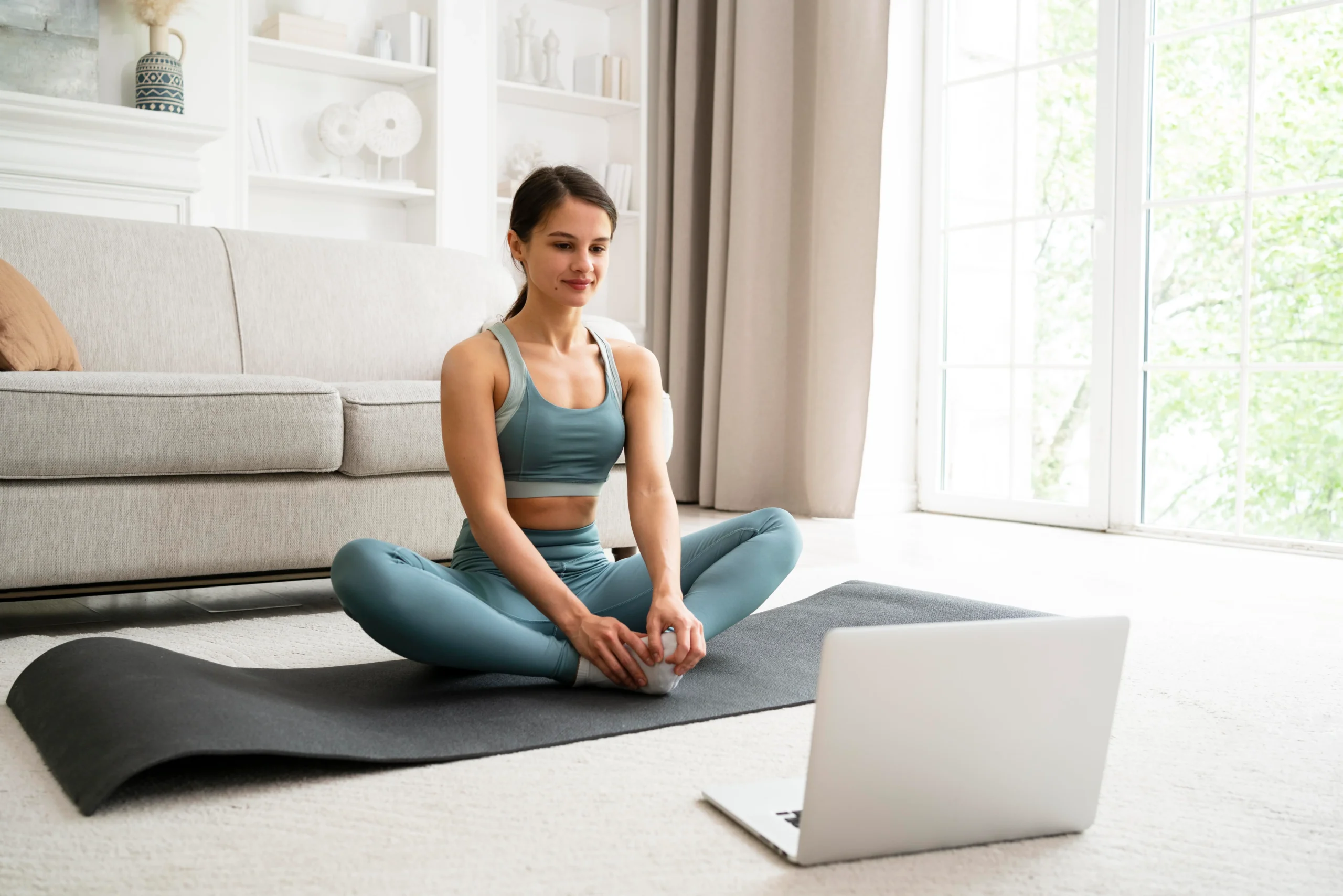
Online classes let you reach students across time zones. You need a quiet space, a steady connection and a clear teaching voice. Our 200-hour online yoga teacher training shows how teachers deliver a full class through a screen.
5. Teach in Corporate and Community Settings
Offices, schools and care homes hire yoga teachers for short sessions. Your yoga teacher training certificate helps you pitch to these groups, because managers like to see a formal qualification. Our corporate yoga and wellbeing program gives you an idea of how this work looks.
6. Apply for Registration with a Professional Body
Many graduates register with a yoga body after finishing a course at a registered school. Yoga Alliance is one of the best known.
Your certificate is the first step, so choose a school that holds the right registration. Our 200-hour and 500-hour courses are certified by Yoga Alliance, and you should always check the body’s current rules before you apply.
7. Move Into Advanced Training
A 200-hour course is a foundation, not a finish line. You can continue with our 300-hour advanced yoga training or our 500-hour advanced yoga teacher training. Each level adds depth to your yoga teacher training certificate.
8. Specialise in a Niche
Specialists often stand out in a crowded market. After your main course, you can train for a particular group:
9. Grow a Wider Wellness Career
Many teachers add meditation, breathwork or healing skills to their classes. Our 100-hour breathwork and meditation training is a popular next step. Over time, you can mix several skills into one practice or business.
What Each Course Level Allows
| Course |
What it gives you |
Good for |
| 100-hour |
A solid base in postures and teaching basics |
Beginners and people testing the path |
| 200-hour |
Enough training to teach group and private classes |
Most new teachers |
| 300-hour |
Deeper sequencing, anatomy and philosophy |
Teachers with some classroom experience |
| 500-hour |
Advanced training across several styles |
Experienced teachers who want mastery |
Our 100-hour beginner course works well if you want to start slowly.
What Your Certificate Does Not Do
A certificate is useful, but it has limits. Keep these points in mind:
- It does not guarantee a job. You still need to audition, network and teach often.
- It does not qualify you to treat medical conditions. Yoga teachers guide practice, and they do not diagnose or cure.
- It does not replace insurance. Many studios and clients expect you to carry your own liability cover.
- It does not override local rules. Business registration and tax rules differ by country, so check yours.
- It does not make you an expert overnight. Skill grows with years of teaching and personal practice.
Knowing these limits helps you plan realistically, and it keeps your promises to students honest.
How to Choose a Course That Gives You a Useful Certificate
Not every course is equal, so compare carefully.
Use this checklist:
- Check which registration the school holds and ask for proof.
- Read the teachers’ backgrounds. You can meet ours on our teachers page.
- Ask about class size and how much practice teaching you get.
- Review the syllabus for anatomy, philosophy and teaching method.
- Read student stories on our testimonials page and meet our students.
- Look at the setting, food and rooms on our services and facilities page.
- Compare total cost, not only the course fee.
Your First 90 Days After Graduation
A clear plan keeps your momentum going after the course ends.
| Time |
Action |
| Week 1 to 2 |
Rest, review your notes and write your teaching goals |
| Week 3 to 4 |
Teach free classes to friends and family |
| Month 2 |
Apply to studios, gyms and community groups |
| Month 3 |
Offer a low-priced workshop or private sessions |
Keep practising as a student too. Your own practice fuels your teaching, and our meditation classes can support that side of your growth.
Final Thoughts
A yoga teacher training certificate lets you teach classes, lead workshops, work online, register with a professional body and keep studying. It also asks for honesty about its limits and steady effort after graduation.
If you’re ready to begin, contact us with your questions or book your course today. You can also try our 21-day yoga training with massage and singing bowl if you prefer a shorter wellness-focused program.
Frequently Asked Questions
Can I teach right after getting a yoga teacher training certificate?
Yes, most graduates start teaching soon after finishing. Begin with small groups and ask for feedback often.
Is a 200-hour certificate enough to teach professionally?
For most studios and gyms, 200 hours is the standard entry level. Extra training and classroom time will help you grow.
Does a yoga teacher training certificate expire?
The certificate itself does not usually expire. Professional registrations can need renewal, so check the rules of the body you join.
Can I get a yoga teacher training certificate as a complete beginner?
Yes, beginner-friendly courses exist for people with little experience. Our 100-hour course suits new students well.
Will my certificate work in other countries?
Many countries recognise registered training, but local rules differ. Check requirements in the place where you plan to teach, and read more answers on our FAQ page.
by Nepal Yoga Home | Oct 9, 2026 | Yoga, Yoga School, yoga training and yoga courses
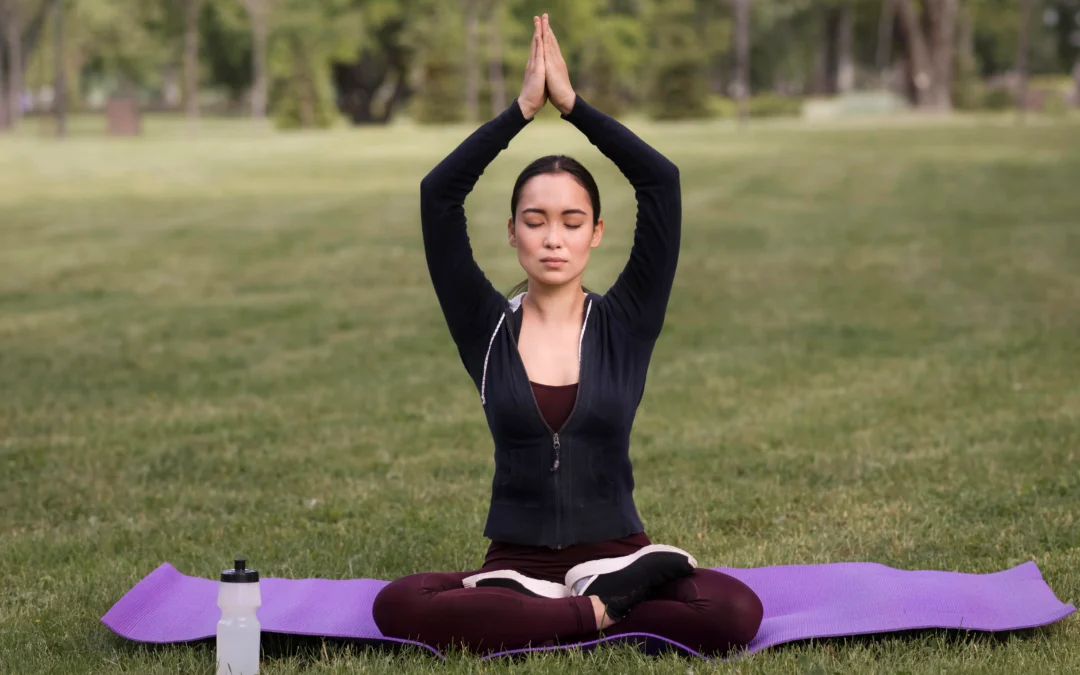
Most of the yoga centres hear this question often: “How often should you practise yoga as a beginner?” Three days a week works well for most people, and it is a good place to start.
New students often worry about doing too little or too much. This guide answers how often you should practise yoga as a beginner with five simple rules.
You will also find a weekly plan, warning signs to watch for and tips to build a habit. If you want expert guidance from day one, our 100-hour beginner course is a good fit.
Short Answer on Frequency of Practice as a Beginner
The short answer to how often you should practise yoga as a beginner looks like this:
- Start with: Three days a week
- Session length: 20 to 30 minutes
- Rest: At least one easy day between harder sessions
- Build up: Add one day or five minutes every three to four weeks
Why Frequency Matters More Than Length?
Your body learns through repetition. When you ask how often you should practise yoga as a beginner, the honest answer is often enough to build skill, but not so often that you feel sore or bored. Muscles, joints and your mind all need time to adjust.
Our teachers see this every month with new students.
How Often Should You Practise Yoga as a Beginner? A Weekly Guide
The right answer to how often you should practise yoga as a beginner depends on your goal. Use this table as a starting point.
| Goal |
Sessions per week |
Length |
| Gentle start, low energy |
2 |
15 to 20 minutes |
| Flexibility and general fitness |
3 |
20 to 30 minutes |
| Stress relief and better sleep |
4 to 5 |
15 to 30 minutes |
| Building strength |
3 to 4 |
30 to 45 minutes |
| A daily habit |
5 to 7 (mostly gentle) |
10 to 15 minutes |
These ranges are general. Adjust them to how your body feels.
5 Simple Rules to Follow
These five rules give you a clear answer to how often you should practise yoga as a beginner.
1. Start with three days a week
Three sessions give your body time to learn the poses and recover in between. Try Monday, Wednesday and Saturday. If three feels like a lot, begin with two and add the third next week.
2. Keep each session short
Twenty to thirty minutes is plenty at the start. A short class you finish beats a long one you skip. Our beginner classes stay simple for this reason.
3. Take rest days
Muscles get stronger while you rest, not while you stretch. Leave at least one day between harder sessions. On rest days, take a walk or sit for a few minutes of meditation.
4. Add time slowly
Increase by five minutes or one extra day every three to four weeks, never both at once. This slow pace protects your wrists, knees and lower back.
5. Match the style to your day
Feeling tired? Choose gentle stretching. Full of energy? Try something stronger, such as our power yoga workshop.
A 4-Week Starter Plan
Here is a simple plan that puts the answer to how often should you practise yoga as a beginner into action.
| Week |
Days |
Minutes per session |
| 1 |
2 |
20 |
| 2 |
3 |
20 |
| 3 |
3 |
25 |
| 4 |
3 to 4 |
30 |
After week four, keep three or four days and slowly make your sessions longer.
Signs You Are Doing Too Much or Too Little
Watch for these signs to check whether your answer to how often should you practise yoga as a beginner is working.
Too much:
- Sore joints that last more than two days
- Constant tiredness
- Dreading your next session
- Sharp pain during any pose
Too little:
- You forget the poses between sessions
- You see no change after a month
- Stiffness comes back within a day or two
Best Time of Day
Morning practice wakes you up and helps you build a routine. Evening practice melts away stress and can help you sleep.
Pick the slot you can keep, because consistency matters more than the clock. If your schedule changes often, our online yoga classes let you practise at any hour.
5 Tips to Build the Habit
Here are five simple habits that you can adopt as a beginner for yoga practise:
- Pick fixed days and write them in your calendar.
- Leave your mat unrolled where you can see it.
- Follow a class instead of guessing. Try our 5-hour basic online yoga class to get started.
- Tick off each session on a paper calendar.
- Book a yoga at home session if you want a teacher to guide you in your own space.
Who Should Be Careful
See your doctor first if you have an injury, high blood pressure, a chronic condition or you are pregnant. Tell your teacher about it before class starts. Gentler options exist, such as our therapeutic yoga retreat and chair yoga for seniors.
Want to Learn Faster?
A short stay can speed up your progress, because you practise daily with a teacher beside you. Try a one night, two days retreat, a one-week yoga class in Nepal or a 10-day rejuvenating yoga retreat. You can also check our services and facilities before you plan your visit.
Final Thoughts
So, how often should you practise yoga as a beginner? Start with three short sessions a week, rest well and grow slowly. Remember that the answer to how often should you practise yoga as a beginner changes as your body gets stronger.
Read what our students say, then contact us with questions or book your class today.
Frequently Asked Questions
How often should you practise yoga as a beginner to see results?
Three sessions a week usually bring small changes in flexibility and mood within a month. Results vary, so stay patient and keep your practise steady.
Is it okay to practise yoga every day?
Yes, as long as most days stay gentle and short. Keep one lighter day each week and listen to your body.
How long should a beginner yoga session last?
Twenty to thirty minutes works well for most beginners. On busy days, even ten minutes still counts.
Can I practise yoga on back-to-back days?
Yes, if you vary the intensity. Follow a strong class with a gentle one so your muscles can recover.
Do I need a teacher at the start?
A teacher is not required, but one helps you avoid common mistakes. Our beginner course gives you that support, and you can read more answers on our FAQ page.
by Nepal Yoga Home | Sep 26, 2026 | Yoga, yoga training and yoga courses
Type “how to become a certified yoga teacher” into Google and you’ll get a dozen different answers, half of which contradict the other half. One site says you need 500 hours minimum. Another swears 200 is plenty. Somewhere in between all that, you’re still trying to figure out what RYT even stands for and whether any of it actually matters for you.
It matters a bit, but not as much as most of these guides make it sound. Every working yoga teacher, whether they’re leading a Tuesday night class at a strip mall studio or teaching sunrise sessions in the Himalayan foothills, went through more or less the same sequence to get where they are. The setting changes. The price changes. The order really doesn’t.
So here’s the version, eight steps that actually answer how to become a certified yoga teacher, along with what the letters after “certified” mean, what it’s likely to cost you, and where a training abroad might fit in if you learn better by leaving home for it.
CYT vs. RYT: Worth Sorting Out First
| Term |
What it actually means |
| CYT |
You finished a teacher training program somewhere. That’s the whole requirement. |
| RYT |
Your school was registered with Yoga Alliance, and you personally registered too. |
| RYT 200 |
The starting credential. You earn it after completing a 200-hour program. |
| RYT 500 |
Comes from stacking a 200-hour training and a 300-hour training together. |
| E-RYT |
Stands for “experienced” RYT. Requires logged teaching hours, not just the certificate. |
A CYT and an RYT can teach the same class, and nobody sitting in the room would notice a difference. What actually shifts is whether studios and gyms recognize the credential when they’re hiring, and a lot of the bigger ones do treat RYT status as their baseline expectation.
8 Steps to Become a Certified Yoga Teacher
Here are simple and details eight steps to help you understand things better:
1. Build a Real Practice Before You Enroll Anywhere
Not a casual once-a-week habit, but something consistent for six months to a year. Sit in on classes taught by different instructors during that time too.
Pay attention to who you’d actually want to learn from and try to notice why.
2. Figure Out Why You Want This
Some people are chasing a career change. Others just want the deeper understanding that comes from finally learning the “why” behind poses they’ve been doing for years without asking. Both reasons are completely valid, but they tend to point toward different kinds of programs.
3. Check Accreditation Before You Check the Price
This is the step people skip when they fall for a scenic retreat photo online. Look specifically for “RYS,” which stands for Registered Yoga School. Without that status, your training won’t count toward an RYT later, no matter how talented the instructors turn out to be.
4. Decide on Your Hour Level
There are really three tiers most schools offer:
- 200 hours, the entry point almost everyone starts with
- 300 hours, which is only open to people who’ve already finished 200
- 500 hours, which usually bundles the first two levels into one longer program
Nepal Yoga Home runs all three as residential courses just outside Kathmandu. Their 200 hour, 300 hour, and 500 hour yoga teacher training pages are worth a look if a fully immersive setting sounds more appealing than fitting classes around a work schedule at home.
5. Set a Realistic Budget
Expect to spend somewhere between $1,000 and $7,000 depending on the school. A higher price doesn’t automatically mean better training either. Location and whether meals and housing are included usually swing that number more than curriculum quality does
6. Go Through the Actual Training

Expect asana practice, pranayama, anatomy, philosophy, and, this part really matters, supervised practice teaching in front of real classmates. If a program lets you graduate without ever leading a segment of class yourself, that’s worth questioning before you sign up.
7. Register with Yoga Alliance Once You’re Done
Send in your training certificate, meet whatever additional requirements your credential level asks for, and agree to their code of ethics. After that, you’re responsible for logging 75 hours of continuing education every three years to keep your registration active.
8. Start Teaching, then Keep Learning
Begin wherever you can, whether that’s a friend’s living room, a local community center, or an early morning studio slot nobody else wants yet. Plenty of teachers eventually specialize further into prenatal work, trauma informed practice, or yin, once they’ve got some real classroom hours behind them.
Is Training Abroad Actually Worth Considering?
Not everyone figuring out how to become a certified yoga teacher pictures a studio down the street from home. Some people specifically want the immersion of waking up, practicing, studying, eating, and doing it all again the next day without a commute or a phone buzzing constantly. Training somewhere like Nepal adds another layer on top of that too, since a good portion of what you’re studying actually originated there centuries ago.
If that idea is tempting but you’re still on the fence, Nepal Yoga Home’s teachers page and student testimonials give a decent sense of what the day to day experience is really like. Their facilities page also covers the specifics around meals and accommodation. If a full certification still feels like too big of a commitment right now, their shorter yoga and meditation retreats let you test the setting first without jumping straight into 200 hours.
Wrapping Up: How to Become a Certified Yoga Teacher
Strip away the acronyms and the price tags, and how to become a certified yoga teacher really does come down to eight fairly manageable steps.
Practice consistently, get clear on your reasons, check accreditation, pick your hour level, budget with your eyes open, finish the training, register, and then actually start teaching. None of this happens overnight, and honestly it shouldn’t.
The whole point of the training is that you absorb it properly instead of just collecting a certificate at the end. Whether that happens at a studio around the corner or on a mountainside outside Kathmandu, what you walk away with is the same thing: something worth handing to someone else.
FAQs
How long does it take to become a certified yoga teacher?
A 200 hour program can be finished in three to four weeks if you do it residentially and intensively, or spread across several months if you’re studying part time around a job. If you’re aiming for the full 500 hours, plan on considerably more time or look into doing the levels back to back.
How much does certification usually cost?
Most people end up spending somewhere between $1,000 and $7,000 for a 200 hour training. Interestingly, residential programs abroad sometimes work out cheaper overall once meals and housing are already folded into that price.
Do I need prior teaching experience before signing up?
Not really. A solid, consistent personal practice matters far more going in than any prior teaching experience. The training itself is built to develop your teaching skills from scratch.
Is Yoga Alliance registration legally required to teach yoga?
No, it isn’t a legal requirement. That said, plenty of studios and gyms treat RYT status as their unofficial minimum bar for hiring, so it’s worth having if you want more job options down the road.
What’s the real difference between 200 hour and 300 hour training?
The 200 hour level is where everyone begins. The 300 hour level only opens up once you’ve completed the 200, and finishing both together is what earns you RYT 500 status with Yoga Alliance.
by Nepal Yoga Home | Sep 22, 2026 | Yoga, yoga training and yoga courses
Do you know what is an advanced yoga teacher training in Nepal? You already hold a 200-hour certificate. You have taught a class or two and you know there is more to learn.
That gap between “certified” and “confident” is where most yoga teachers get stuck. Advanced yoga teacher training in Nepal closes that gap with real depth in anatomy, philosophy and teaching practice.
At Nepal Yoga Home, we built our 300-hour and 500-hour courses for practitioners exactly at this stage. This guide covers everything you should check before you choose an advanced yoga teacher training in Nepal.
Who This Training is Actually For?
This course is not a repeat of your foundation training. It is built for people who already teach or practice regularly.
You are ready for advanced yoga teacher training in Nepal if you tick most of these boxes:
- You hold a completed 200-hour certificate from a registered school
- You have practiced yoga consistently for at least a year
- You have taught a handful of classes, or you want to start soon
- You are comfortable with basic Sanskrit terms and anatomy
- You want to specialize rather than repeat the basics
If you are missing the 200-hour prerequisite, start there first. Our 200 Hour Yoga Teacher Training or the full Training Course Hub is the right entry point before anything advanced.
300 Hours, 500 Hours or a Specialty Track
Not every advanced yoga teacher training in Nepal means the same thing. Here is how the paths compare.
| Path |
Prerequisite |
Typical Length |
Leads To |
| 300 Hour Advanced |
200-hour certificate |
25 to 28 days |
RYT 500, once combined with your 200-hour |
| 500 Hour Immersion |
Basic practice, no formal 200-hour needed |
29 days |
Full RYT 500 in one program |
| Specialty Add-on |
200-hour certificate |
10 to 15 days |
Focused teaching credential |
Pick the path that matches your timeline and goals, not the one with the lowest price tag. Our 300 Hour Advanced Yoga Teacher Training and 500 Hour Advanced Course both run from our campus near Nagarjun forest.
Want a narrower focus instead? Look at our Yoga Nidra or Kundalini Yoga specialty trainings.
What a Genuine Advanced Curriculum Covers?
A lot of schools stretch a 200-hour syllabus and call it advanced. That is not what advanced yoga teacher training in Nepal should look like.
Here is what a serious advanced syllabus should include:
- Applied anatomy and safe adjustments
- Advanced sequencing and class design
- Supervised practice teaching with real feedback
- Deeper study of yoga philosophy and classical texts
- Pranayama and meditation at a higher level
- Ayurveda-based lifestyle and diet guidance
That last point matters more than people expect. Ayurveda shapes how many Nepali schools, including ours, teach students to think about the body and daily routine.
Our advanced students get Ayurveda sessions covering dosha types, diet planning and simple herbal routines. This pairs well with our Wellness Training program.
Who Will Actually Teach You?
At the advanced level, your trainer matters more than the brochure. Ask who is leading the course and how many years they have taught beyond the 200 hour level.
At Nepal Yoga Home, our advanced courses are led by senior teachers, not the same trainers who run our beginner programs. You can read about our team on the Teachers page and meet our founder on the Yoga Guru page.
Small class sizes matter too. Ask how many students join each cohort and how much practice-teaching time you actually get, and check our Testimonials page for honest feedback.
Where You Train Changes How You Train?
Kathmandu, Pokhara and forest-edge locations each offer something different for advanced study. Advanced yoga teacher training in Nepal works best in a quiet setting where you can focus on a long daily practice without city noise.
Our campus sits about five kilometers from central Kathmandu, at the edge of Nagarjun forest. Students tell us the quiet mornings make a real difference once the syllabus gets demanding, and you can see the full setup on our Services and Facilities page.
What It Costs and What Should Be Included?
Advanced courses in Nepal are usually priced higher than a standard 200-hour program because they run longer and include more one-on-one time. When comparing advanced yoga teacher training in Nepal options, check exactly what is included before you book.
Use this checklist when comparing schools:
- Accommodation and meals
- Course manual and study materials
- Ayurveda consultation or wellness sessions
- Certificate and registration support
- Airport pickup
- Refund and cancellation policy
Check our current pricing and available dates on the Booking page.
After Graduation: Registering as RYT 500
Completing advanced yoga teacher training in Nepal is only step one. To register as an RYT 500 with Yoga Alliance, you need a completed 200-hour plus 300-hour training, or a single 500-hour program, and 100 hours of teaching experience logged afterward.
Keep your certificate safe and start logging your teaching hours right after you graduate. Our team can walk you through this on our FAQ page.
Final Thoughts
Choosing advanced yoga teacher training in Nepal is a bigger decision than your first 200-hour course. You already know what a full day of practice feels like, so this time you can judge a school on depth, not just price.
Look closely at the syllabus, the trainers and what happens after graduation. A good advanced program leaves you more capable of teaching, not just more certified on paper.
At Nepal Yoga Home, we built our advanced programs around real teaching skill, Ayurveda based wellness and a quiet campus. If you are ready for the next step, explore our Advanced Yoga Teacher Training page or our Booking page for current dates.
Frequently Asked Questions
Do I need a 200-hour certificate before joining advanced training?
Yes, almost every advanced yoga teacher training in Nepal requires a completed 200-hour certificate first. A few schools offer a standalone 500-hour program that combines both levels in one course. Check the exact prerequisite directly with the school before you enroll.
What is the difference between 300 hours and 500 hours?
A 300-hour course is an add-on for people who already hold a 200-hour certificate. A 500-hour program either combines both levels in one course or is built from a separate 200-hour plus 300 hour training. Both paths lead to the same RYT 500 registration once your teaching hours are logged.
Is Ayurveda part of advanced yoga training in Nepal?
Yes, most advanced programs in Nepal, including ours, include Ayurveda-based diet and lifestyle guidance. This usually covers dosha types, herbal routines and simple daily practices. It pairs naturally with the philosophy and anatomy portions of the course.
How long does advanced training usually take?
Most 300-hour programs in Nepal run between 25 and 28 days. A full 500-hour immersion usually takes around 29 days. Confirm the exact dates directly with your chosen school before you book your travel.
Can I register as RYT 500 right after finishing the course?
Not immediately. You need to log 100 hours of teaching experience after your training before Yoga Alliance approves your RYT 500 registration. Your certificate and school registration status still need to be verified during that process.
by Nepal Yoga Home | Sep 21, 2026 | Yoga, yoga training and yoga courses
Type certified yoga teacher training in Nepal into Google and you’ll get a plenty of schools. They all say authentic, they all say life-changing and the prices are all over the place.
Due to this much availability, a lot of people claim that it’s hard to find the authentic certified yoga teacher training.
We’ve been teaching here since 2008, and students from about 80 countries have joined us at Nepal Yoga Home.
Here are seven checks we’d make ourselves before paying a deposit:
1. Check What “Certified” Really Means
Yoga Alliance doesn’t certify teachers itself. It registers schools, and then it registers teachers once they graduate.
- RYS means the school’s programme is registered.
- RYT means you’ve registered as a teacher.
- Yoga Alliance (US) and Yoga Alliance International are two different groups.
- Registration isn’t a law, but plenty of studios ask for it.
So when you compare certified yoga teacher training in Nepal, look each school up in the official directory yourself. Don’t just trust a logo on a website.
Our 200 and 500 hour courses are on the Yoga Alliance International registry. You can also read more about our school.
2. Pick the Right Level
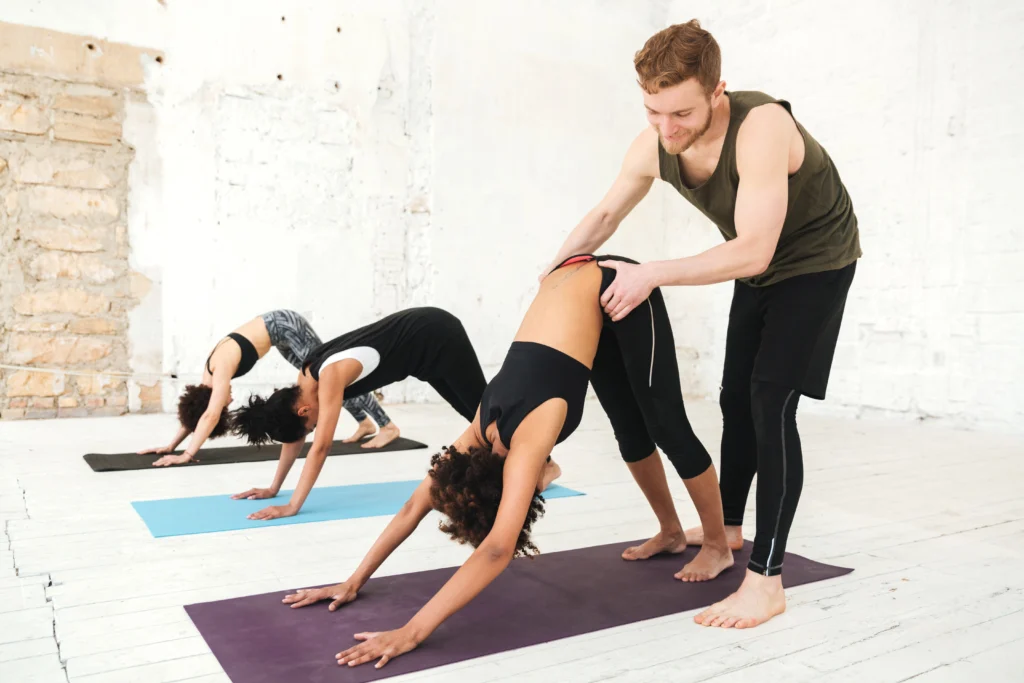
Don’t buy more hours than you need. Start from where you are today.
Our 500-hour course runs for 29 days and starts on the 1st of every month.
3. Match the Style to How You Want to Teach
Every school teaches a little differently. It’s worth knowing the main styles before you pick one.
- Hatha: This is slow and steady so it’s good for beginners.
- Ashtanga and Vinyasa: Here, you’ll do more active and flowing.
- Kundalini: Prepare yourself for more breathwork, chanting and meditation.
- Yoga Nidra: Through this, you’ll be able to receive guided deep relaxation.
No style is better than the others. What matters is whether it fits you.
Ask to see the full syllabus before you pay. A good certified yoga teacher training in Nepal covers asana, anatomy, philosophy and practice teaching.
4. Look at Who Will Actually Teach You
A beautiful building won’t teach you anything. The teachers will.
- How long they’ve been teaching, and who trained them
- Who leads each class, the head teacher or an assistant
- How much feedback you’ll get on your own teaching
You can meet our yoga teachers and read about our founder, Dr. Prakash Acharya. Also ask which language the classes are taught in.
5. Choose Where You Want to Be
- Kathmandu: Close to the airport, with temples and city life around you.
- Pokhara: A lakeside town with big mountain views.
- Forest edge: Quieter, and away from the traffic.
Our school is about 5 km from Kathmandu, at the edge of Nagarjun forest. Our services and facilities page shows the setting.
Spring and autumn are the busiest seasons for certified yoga teacher training in Nepal. Check the weather and air quality for your dates before you book flights.
6. Compare Cost and What’s Included
Two prices can look the same and still cover very different things. One might include meals and a room, and the other might not.
- Room and meals
- Airport pickup
- Books and study materials
- Help with registration after the course
- Deposit and refund rules
The cheapest certified yoga teacher training in Nepal isn’t always the best deal. You’ll find our current prices and what’s included on the booking page.
7. Read Reviews and Ask Questions
Read reviews on more than one website. Look for comments about the teaching, not just the food and the views.
You can also read our student stories, our testimonials or our FAQ page. Before you commit to any certified yoga teacher training in Nepal, send the school these questions:
- Is the school registered, and at which level?
- Can I see the full syllabus?
- How many students are in each class?
- How much practice teaching will I do?
- What’s the refund policy?
If the answers come back vague, keep looking.
Ready to Choose Your Course?
Nepal Yoga Home runs certified yoga teacher training in Nepal for beginners and advanced students. These are our two main courses.
When you’re ready, book your place here. You can also browse all our teacher training courses.
Frequently Asked Questions
Is certified yoga teacher training in Nepal accepted worldwide?
It depends on the school’s registration, not the country. If the school is registered, you can apply as an RYT after you graduate. Check the official directory before you send any deposit.
What’s the difference between RYS and RYT?
RYS is a Registered Yoga School, the place that trains you. RYT is a Registered Yoga Teacher, which is what you become once you register. You have to finish a course at an RYS first.
Do I need yoga experience to join?
Not for our 100 and 200 hour courses, which are made with beginners in mind. Some practice helps, but being curious matters more. For the advanced courses, please ask our team about the entry rules.
Can I join with an injury or health problem?
It depends on the condition, and every case is different. Please talk to your doctor before you book. After that, tell our team what you need and we’ll give you honest advice.
Can I teach straight after the course?
In most countries, yoga teaching isn’t a licensed job. Being registered can help you find work at studios, though. Lots of new teachers start with small classes and keep learning as they go.
When is the best time to go?
Spring and autumn are the most popular seasons. The skies are usually clearer, so the mountain views are better. Our main courses start every month, so ask us about your dates.
Take your time, ask plenty of questions, and pick the certified yoga teacher training in Nepal that suits you best.
by Nepal Yoga Home | Sep 11, 2026 | Yoga, yoga training and yoga courses
Every school selling a 200-hour yoga teacher training in Nepal calls itself the best one. That’s marketing, not information and it doesn’t tell you much about what your actual month will look like.
Nepal has become a go-to spot for Yoga Teacher Training over the last decade because it’s cheaper than the West without cutting corners on tradition. Not ready to commit a full month yet? Nepal Yoga Home runs yoga teacher training in Nepal that works as a smaller first step.
In this blog, we’ve covered what a normal day looks like, the curriculum, what you’ll pay and a few questions worth asking before you send anyone a deposit. This training is tough and nobody should pretend otherwise.
What is a 200-Hour Yoga Teacher Training in Nepal?
The “200 hours” is instruction time, not the number of days you’ll be there. It’s the entry-level certification under Yoga Alliance, and finishing it lets you register as an RYT-200 and start teaching beginner to intermediate classes.
Nepal schools tend to squeeze those hours into 3 to 4 weeks rather than spreading them out. Ask around and you’ll find that’s basically the standard here.
Why Aspiring Teachers Choose Nepal for Certification?
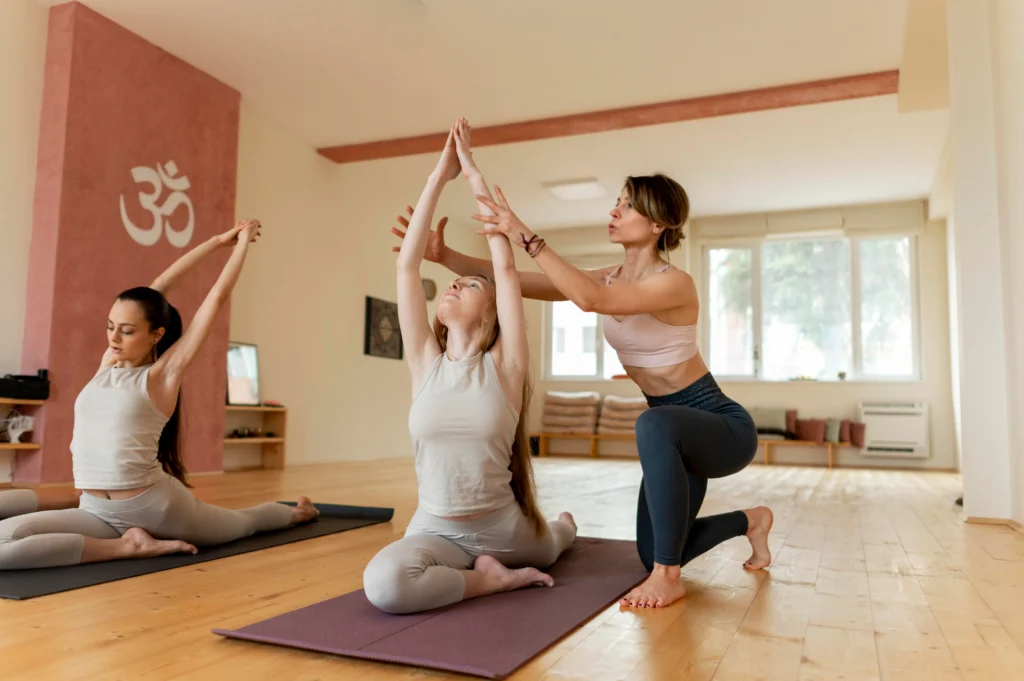
Most people shop around between Nepal, India and Bali before deciding, and price is usually what tips the scale. But there’s more going on than just the exchange rate.
Reasons students give when you ask them directly:
- Costs less than a comparable course back home, sometimes by half
- Hatha and Ashtanga teaching here traces back through actual lineages, not weekend workshops
- Class sizes stay smaller than the bigger training hubs in Rishikesh
- Mountains outside your window tend to keep phones in pockets
- Easy to tack on an Ayurveda detox right after, if you want more time there
None of that guarantees Nepal is right for you specifically. It just explains why so many people end up here.
Who a Yoga Teacher Training in Nepal is Right For?
Our yoga teacher training in Nepal is suitable for you if you can wake up at 5:30 AM, Six-day weeks and spend hours on your feet.
It is a good fit for you if:
- You already have some kind of practice, even a shaky one
- Early mornings don’t wreck you by day three
- You want the philosophy and meditation, not just the poses for Instagram
We suggest you to wait if:
- You’re recovering from surgery or an injury that isn’t fully healed
- You’re pregnant
- Your calendar can’t handle a solid month with no gaps
If you’re confused or concerned about anything, just ask. Nepal Yoga Home will tell you honestly whether 100 hours or 200 makes more sense for where you’re at.
What Does Your Day Look Like?
There’s not much rest included in your schedule.
Your normal day will look something like this:
| Time |
Activity |
Focus |
| 5:30 AM |
Wake up, tea |
Getting going |
| 6:00 AM |
Pranayama, meditation |
Breath |
| 7:00 AM |
Asana |
Alignment |
| 9:00 AM |
Breakfast |
Rest |
| 10:30 AM |
Lecture (anatomy/philosophy) |
Theory |
| 1:00 PM |
Lunch, free time |
Rest |
| 3:00 PM |
Teaching practice |
Skills |
| 5:00 PM |
Evening asana |
Practice |
| 7:00 PM |
Dinner, journaling |
Wind down |
Sundays ease up a bit, usually a hike or a walk through one of the older temples nearby.
The Core Curriculum You’ll Study
Yoga Alliance sets a floor for how many hours go into each subject. Most schools stay close to it, though a few stretch the numbers.
| Subject |
Approx. Hours |
What It Covers |
| Asana |
90 |
Postures, adjustments |
| Teaching methodology |
25 |
Class planning, cueing |
| Anatomy |
20 |
How the body moves |
| Philosophy and ethics |
30 |
Yamas, niyamas, older texts |
| Pranayama and meditation |
20 |
Breath, focus |
| Practicum |
15 |
Supervised teaching |
Get the exact breakdown before you sign anything. Some schools quietly pad the asana column and shortchange anatomy, and you won’t notice until you’re there.
Here’s how Nepal Yoga Home structures theirs, for comparison.
Kathmandu vs. Pokhara: Choosing Your Location
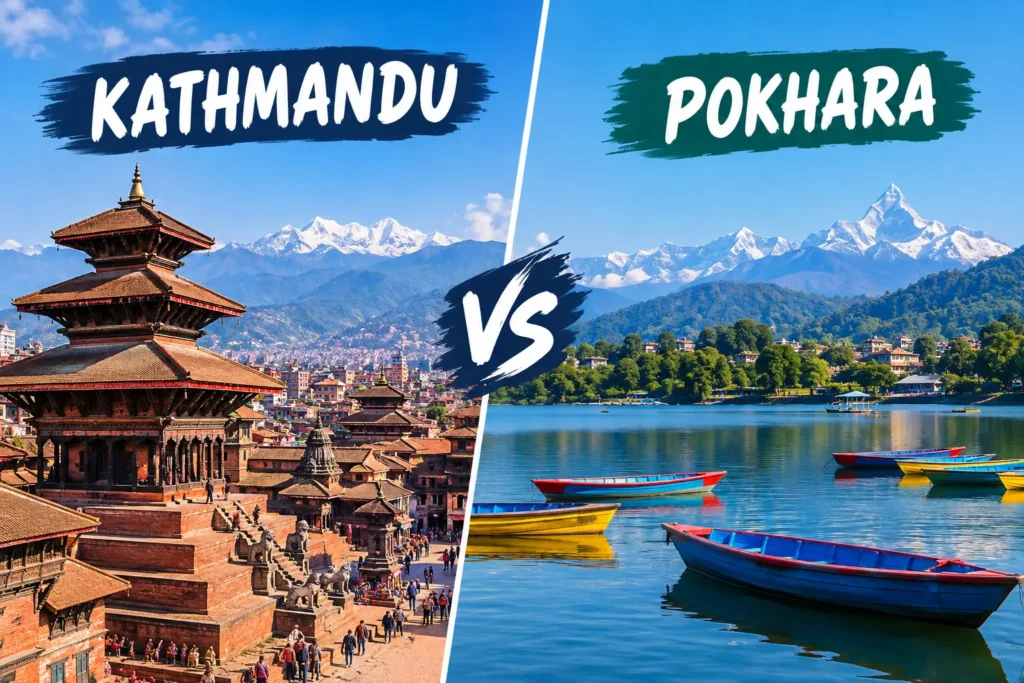
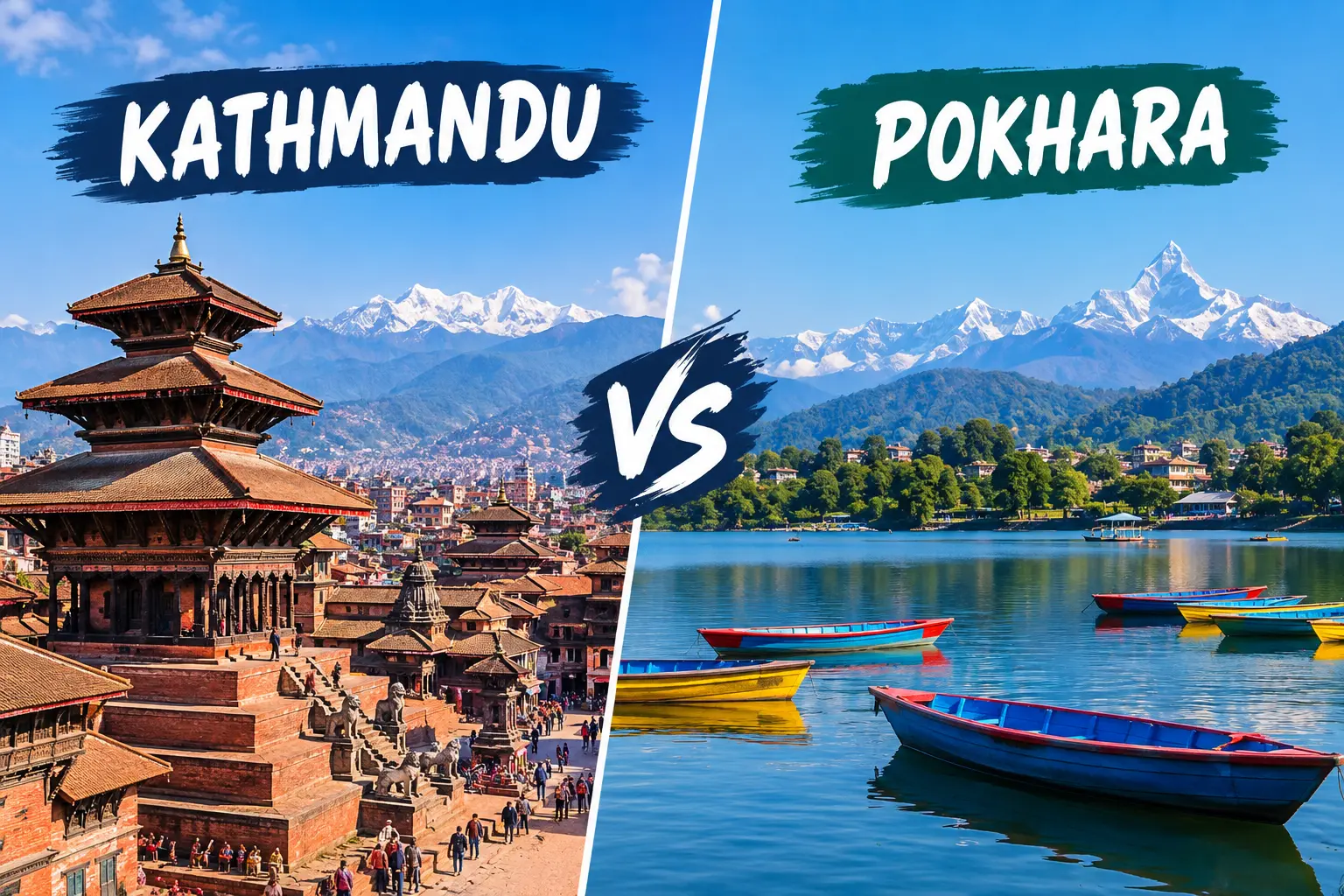
Kathmandu puts you near the old temples, a bigger community of teachers, and flights that don’t require three connections. Pokhara swaps that for a lake, mountain views, and considerably less noise.
Both work, it really just comes down to whether you want a city buzzing around you or something quieter. Plenty of students do the training in Kathmandu, then head to Pokhara for a few days once it’s over.
How to Choose a Legitimate, Certified School?
Anyone can put a Yoga Alliance logo on their website. Not everyone is actually registered, and checking takes five minutes.
- Search the school’s name directly in the Yoga Alliance directory yourself
- Ask how long the lead teacher has been teaching classes, not just how long they’ve practiced
- Get the real schedule, day by day, before you pay anything
- Look for reviews somewhere other than the school’s own site
- Confirm exactly what’s covered in the price before comparing two schools side by side
If they won’t answer one of these clearly, that tells you something already.
Cost and How to Prepare Before You Arrive
Figure on $900 to $1,800 for a 200-hour yoga teacher training in Nepal and room type is what mostly drives that gap. Dorm-style shared rooms sit at the bottom, private rooms with their own bathroom push you toward $1,800.
Usually covered:
- Room for the whole course
- Three meals daily, mostly vegetarian
- Manuals and materials
- The certificate itself
Usually not covered:
- Flights
- Visa fees
- Extras like day trips or airport pickup
A week or two before you leave, cut back on caffeine and start some kind of daily practice, even ten minutes.
Pack clothes you can actually move in, and bring a notebook, the self-reflection side of this catches a lot of people off guard. Nepal Yoga Home’s booking page has current visa info if your trip is coming up soon.
Start Your 200-Hour Yoga Teacher Training in Nepal
A 200-hour yoga teacher training in Nepal takes real time and real money, and it should, since nobody leaves with actual teaching skills from something easy.
If 100 hours feels safer as a starting point, Nepal Yoga Home’s beginner course was built for that. Whichever school you pick, make them answer the hard questions first.
Check dates and pricing here, or read what past students said before booking anything.
Frequently Asked Questions
Do I need prior yoga experience to join a 200-hour yoga teacher training in Nepal?
No, most schools take complete beginners without any issue. A rough home practice beforehand just makes the first week less rough.
Is the certification recognized internationally?
Yes, as long as the school is properly registered with Yoga Alliance, not just claiming it. That’s what lets you register as an RYT-200 and teach almost anywhere afterward.
How long does the training actually take?
Most run 3 to 4 weeks, full days, no breaks in between. A few schools offer slower, part-time versions, but that’s rare in Nepal specifically.
What’s included in the course fee?
Room, meals, and materials are almost always bundled into the quoted price. Flights, visas, and whatever you spend on yourself are separate.
Can I go straight into 300-hour training after finishing 200-hour yoga teacher training in Nepal?
Plenty of people do exactly that to reach 500 hours sooner. Worth messaging the school ahead of time since combining both courses sometimes comes with a better rate.