21 Days 200 Hours Yoga Alliance Certified Yoga Training
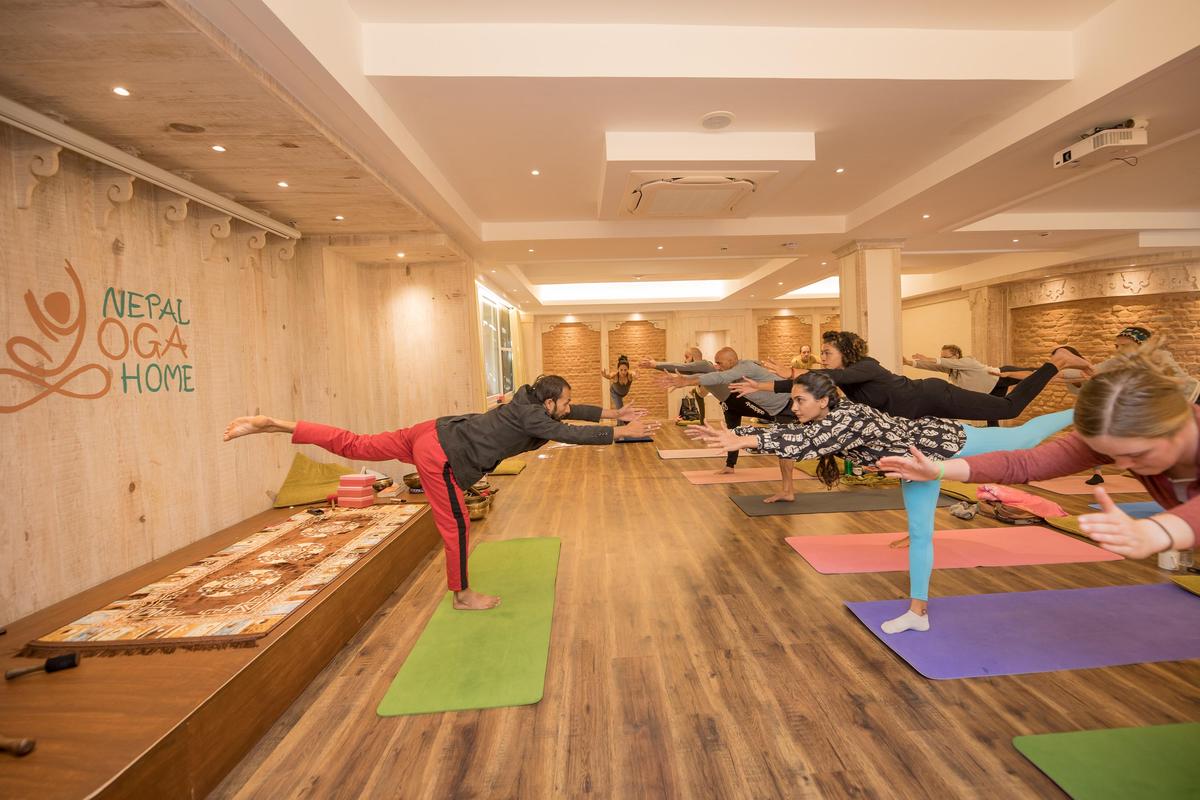
Welcome to our Authentic, Traditional and Yoga Alliance Accredited Yoga Teacher Training at Nepal Yoga Home
Come as a student and return as an Internationally accredited yoga teacher after this YTTC teacher training in Nepal Yoga Home
Not Just Yoga Training — A Journey of Transformation, Within and Beyond
Set in the attractively good-looking and calm surroundings of Kathmandu, Nepal for the Yoga teacher training course (YTTC). Nepal is the amazing richness of Himalayas, the true residence of the Yogi’s, birthplace of Lord Buddha and we welcome you to find out the deep beginning of Yoga & Meditation. It is an ideal destination for the one searching for wellbeing, pleasure, peace, and synchronization.
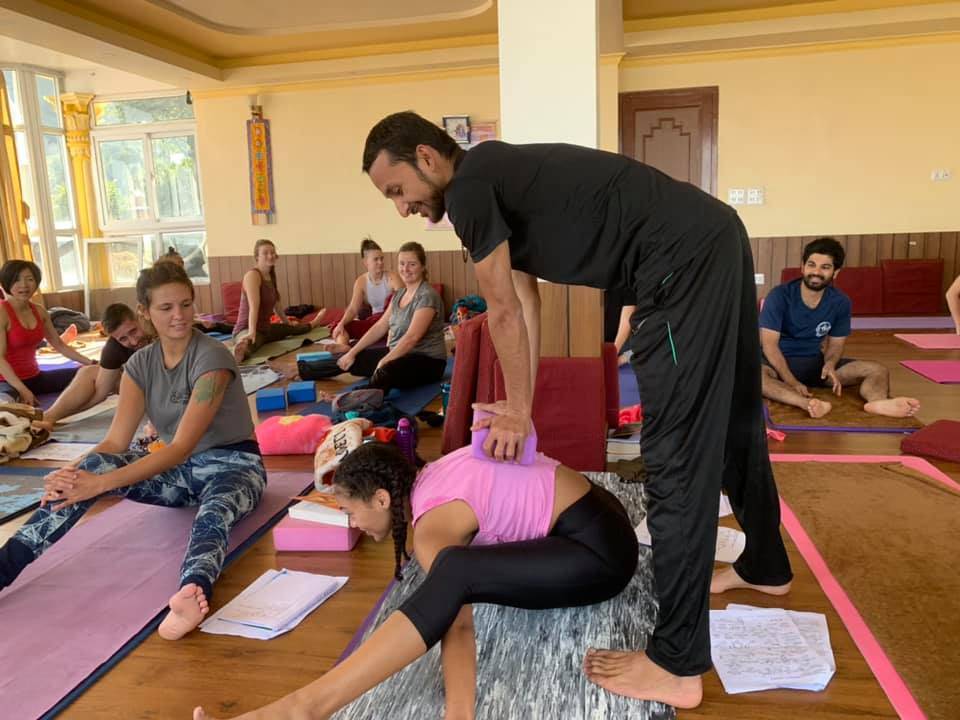
What Our Students Say About Us?
Who Is This Training For?
This Yoga Teacher training class is intended for everyone with a desire to become a certified and well-trained yoga teacher. This Yoga certificate course of 200 hours (3 weeks) Yoga Teacher Training is appropriate for both beginners to advance level students. The pathway to becoming a proficient yoga teacher is a sole, satisfying and life-affirming divine journey.
Price
The complete price of 200 hours Certified Yoga Teacher Training course in Nepal is 1400$ (U.S. dollar) in Standard shared room, 1800 USD in standard private room, 1700 USD in Deluxe shared and 2100 USD in Deluxe private room. It comprises your complete teacher training classes, accommodation, food, tax and certification.
Eligibility
In our 200 hours certified yoga teacher training course (YTTC) every desired person can join either beginner or advanced to be a certified yoga instructor. Anyone with the well-built aspiration to uplift in a new level of peace, health, and comprehension can achieve this yoga teacher training course.
Yoga Styles
Our major yoga techniques are based on research hatha yoga, Patanjali base Astanga Yoga (eight magnitudes of yoga), along with this we train with Vinyasa, Iyengar, Kundalini yoga and much more. In our yoga training class, we teach in holistic technique combining yoga asana (postures), Pranayama (breathing approaches), Dhyan (Meditation), Yoga detox, and yoga values which are the core of every type of yoga.
Cancellation Policy
Fully refundable or reschedulable before the training starts. Once the training begins, payments are non-refundable; however, in case of an emergency, we are flexible and may allow you to reschedule to another available date.
Our 200 Hours Yoga Teacher Training Course Includes
The 200 hrs Yoga Teacher Training course or certified yoga instructor course will be divided into the following topics:
- Yoga Asanas (Yoga Postures)
- Meditation
- Pranayama, Banda & Mudra (Breathing Science)
- Mantra Chanting& Yogic Relaxation
- Yoga philosophy
- Yoga anatomy, physiology & lifestyle
- Yogic detoxification
- Teaching practice
- Extra activities
Our Certified Yoga teacher training course facilitates with the essential tools to begin your career as a flourishing yoga teacher. Teacher training is intended to offer students a transformative yoga-meditation practice. You will learn comprehensive information regarding yoga with important teaching skills.
After the successful achievement of the yoga teacher training course or yoga certificate course we distribute a certificate which is valid at every corner of the world and also certified by Yoga Alliance International & Nepal Government.
Daily Schedule of Accredited 200 Hours Yoga Course
This is a sample schedule of certified yoga instructor course and may vary based on the subjects and situation
7 am to 8 am: Hatha yoga flow
8:15 am to 9 am: Text book of hatha yoga, Detox and teaching practice
9 am to 10 am: Breakfast
11 am to 12 pm: Relaxation/ chanting or Anatomy
12 :15 pm to 1 :15 pm: Astanga Vinyasa flow
2 pm to 3pm: Lunch
3:30 pm to 4:30 pm: Meditation and breathing
4:30 pm to 5:30 pm: Alignment and yoga flow
6 pm to 7 pm: Meditation and philosophy
7 pm: Dinner
9 pm: Silence
When Does the 200-Hour Yoga Teacher Training Take Place?
Our 200-Hour Yoga Teacher Training runs throughout the year, starting on the 1st of every month and ending on the 21st.
1 January - 21 January
1 February - 21 February
1 March - 21 March
1 April - 21 April
1 May- 21 May
1 June - 21 June
1 July - 21s July
1 August - 21 August
1 September - 21 September
1 October - 21 October
1 November - 21 November
1 December - 21 December
Included in Price
- Yoga classes
- 3 times healthy yogic/ vegetarian meal (Normally includes Nepali Food, vegetables, and fruits), If you feel you need additional supplementary you can get yourself from near place.
- Several cups of herbal tea
- Tax
- Accommodation
- Yoga books defined in our syllabus
- Yoga mat for practice
Excluded in Price
- Laundry service
- The meals of your individual interest will not be obtainable at our expenditure.
- Your personal yoga mat ( we provide share mat but if you like to take it to your home after class, you need to buy it.
- Pick up / drop service
- Sight-seeing cost
- The visa fee you would have to pay for travel, medical insurance, and airport tax.
- The charge for accommodation in Kathmandu in you early arrival before class starts in our school
- We also don’t include the cost of international flights
Meet Our Instructors..
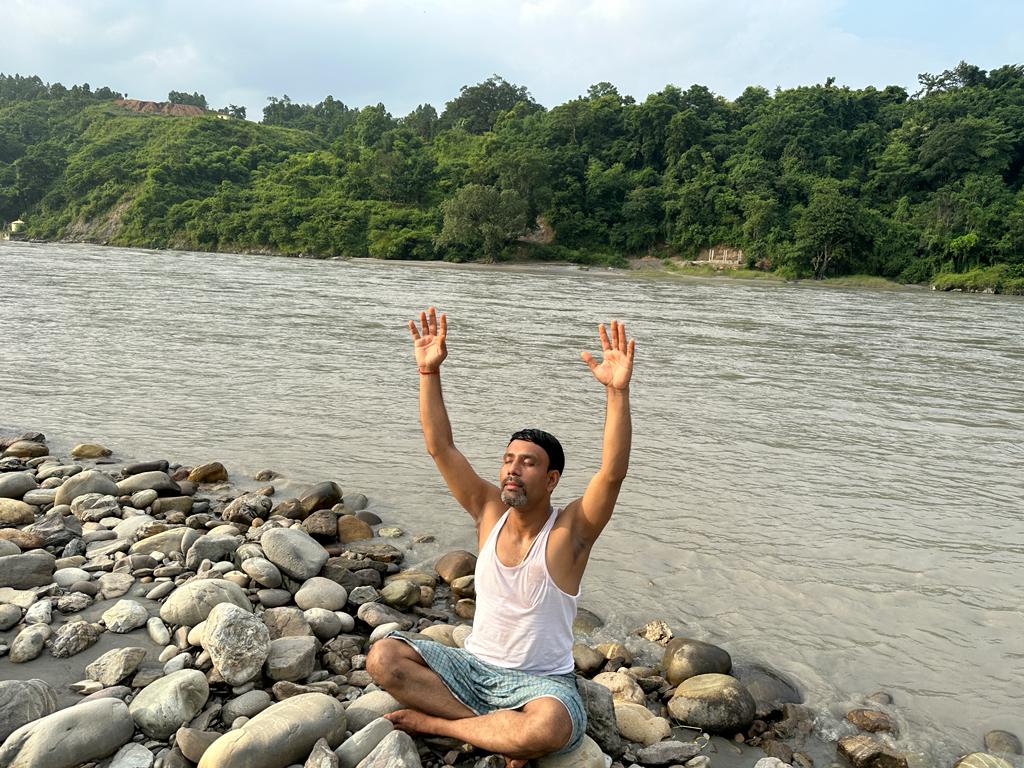
Masters Degree in Yoga and PhD. in Meditation. Senior meditation and Philosophy instructor
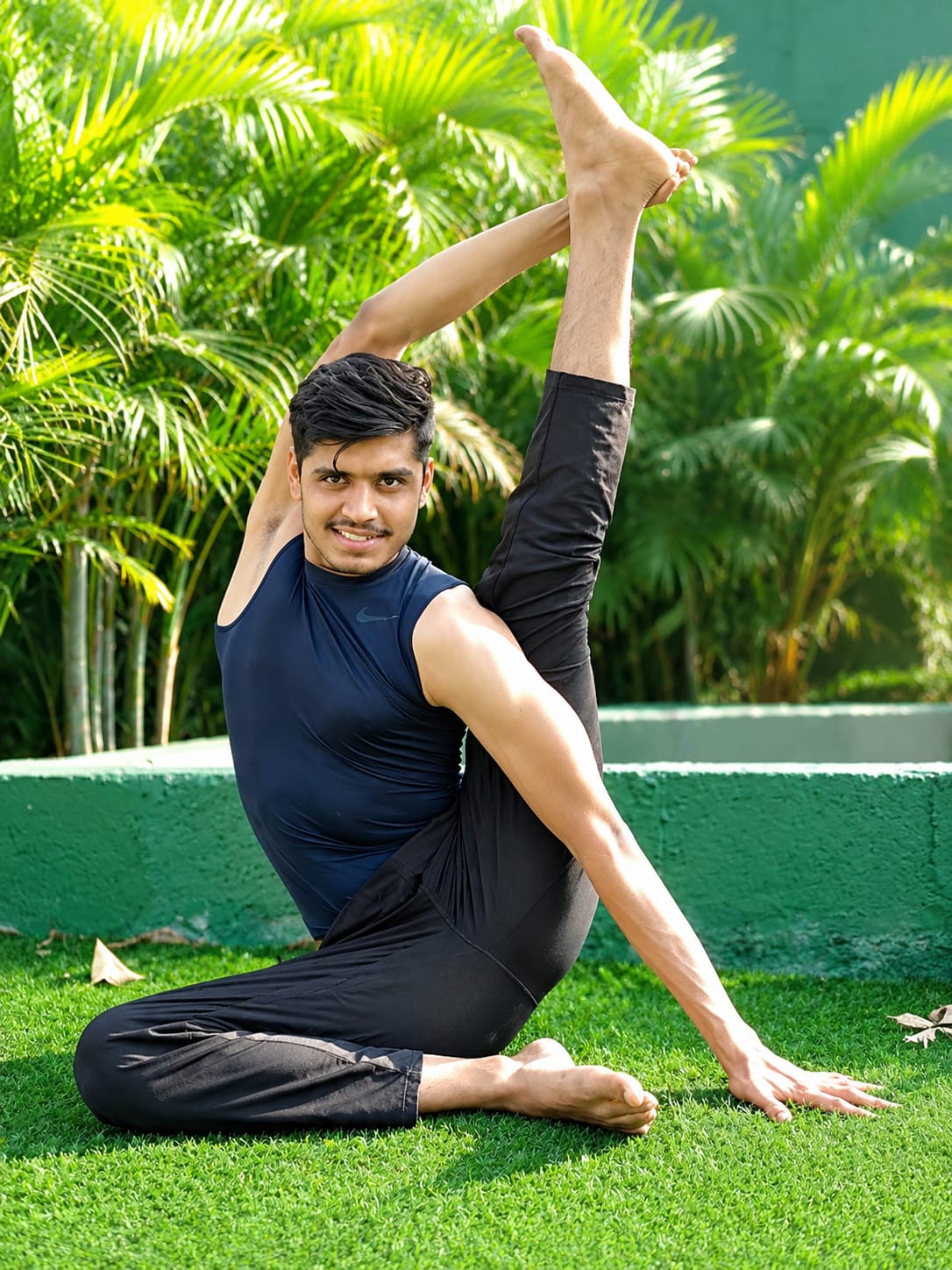
Handles the responsibilities of alignment, yoga flow, Ashtanga Vinyasa, and Iyengar Yoga
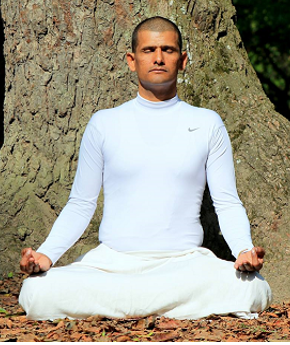
Masters degree in Yoga, a yoga researcher, National Boxing Champion and an international silver medalist
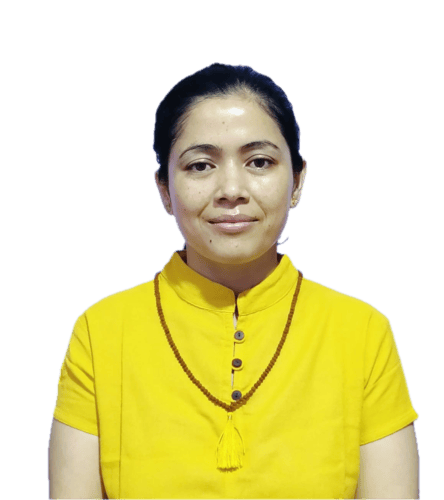
Teaching Therapeutic Yoga, Prenatal & Postnatal Yoga, Ashtanga Vinyasa, Kundalini Meditation & Kriya
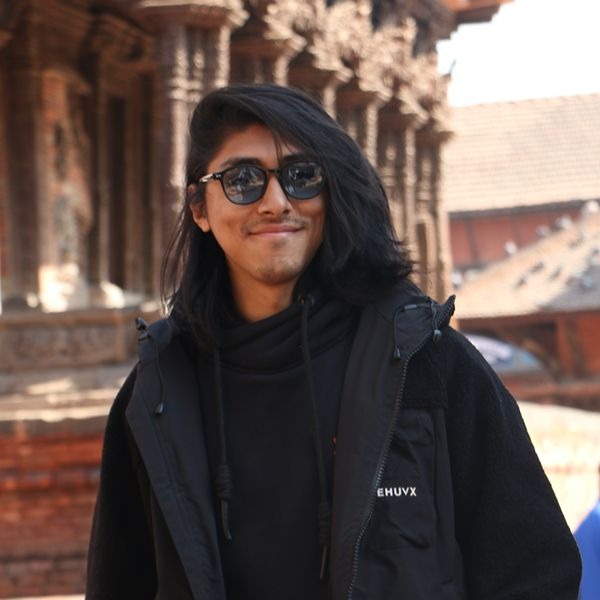
Trained in Sanatan lineage and multiple styles, now teaching Yoga Nidra and Ashtanga Vinyasa

MD in Swasthavritta and Yoga, responsible for Yoga Anatomy, patient consultations & diagnoses.
Yoga Asanas (Yoga Postures) During Yoga Certificate Course
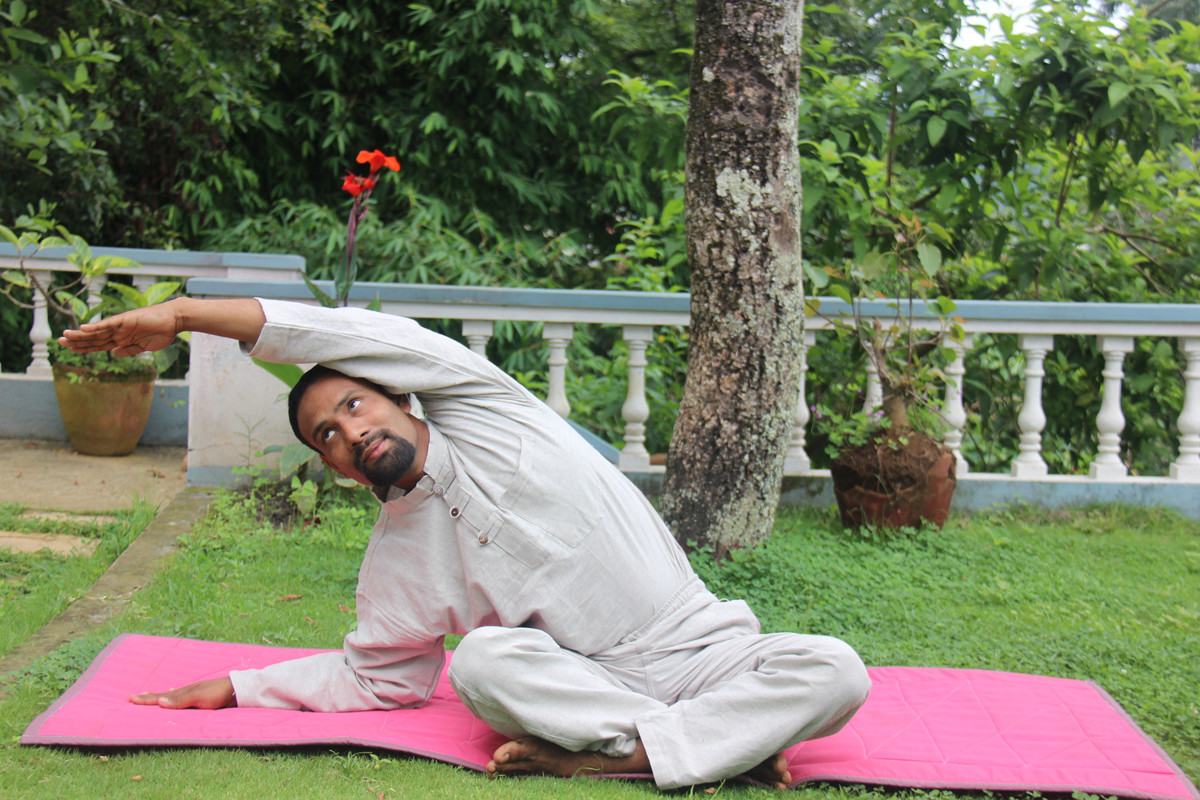 Here you will learn Hatha Yoga and Astanga Yoga to keep good health, strength, flexibility, strength, and harmony between body, mind, and soul. You get familiar with the different Asanas (postures) in a systematic manner with a progressively increasing level of difficulty (advanced yoga asana). Asana improvement and Advanced Yoga asana practice will be detained independently. This Certified yoga teacher training course offers comprehensive training on best way to teach Yoga.
We are covering a wide range of Hatha Yoga Postures and Astanga Yoga Postures in brief. The asana were selected carefully to assure the power, consciousness, flexibility, and harmony of body and mind.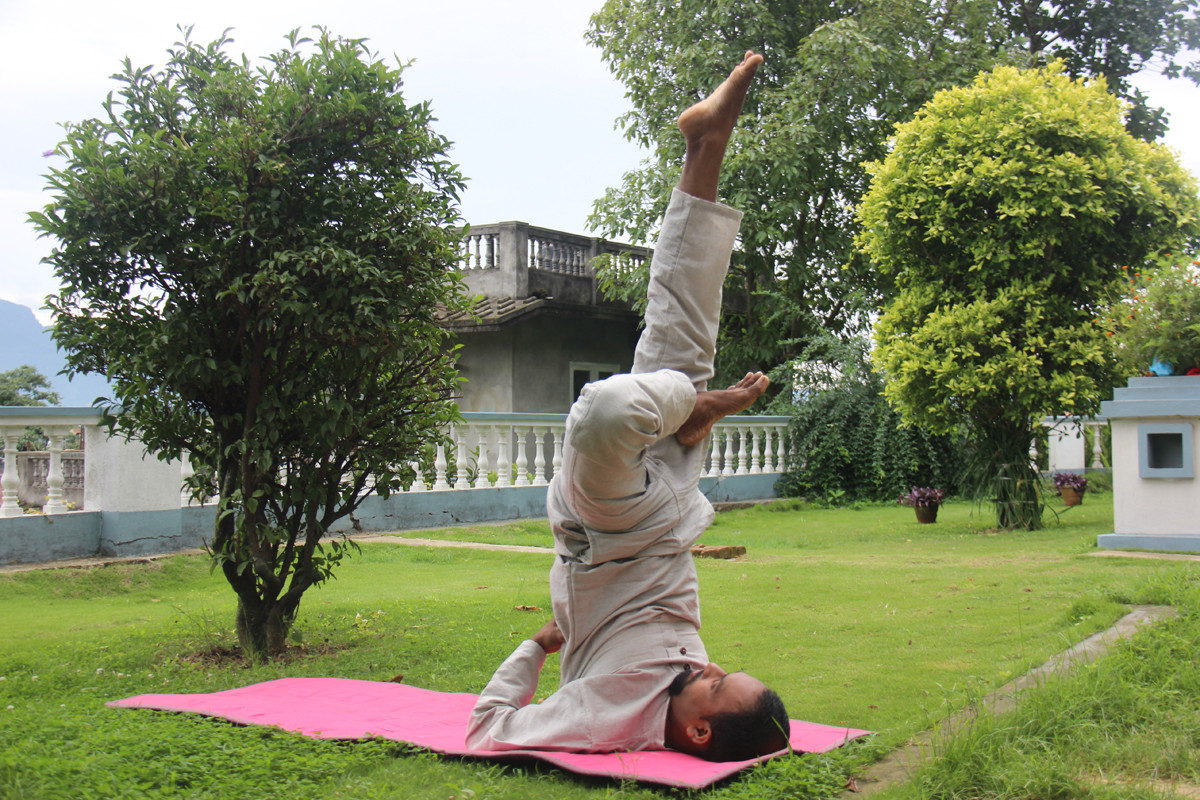
Various types of postures will be trained all through the yoga teacher training course including:
- Meditative postures
- Micro-level Yogic postures
- Surya Namaskara (sun salutations)
- Chandra Namaskar (moon salutations)
- Warm up
- Dynamic Postures
- Balancing Postures
- Inverted Postures
- Relaxation Postures
- Sequences of Postures
- Sitting Postures
- Standing Postures
- Lying postures
2. Meditation
Nepal Yoga Home encloses a special meditative environment in the surroundings of Nagarjuna Jungle. We will take you to the finest level of harmony, pleasure, peace, and understanding via meditation. After completion this Accredited Yoga Teacher training course, you will find good indication and effective way to prolong in your day to day life and the effective way to teach others.
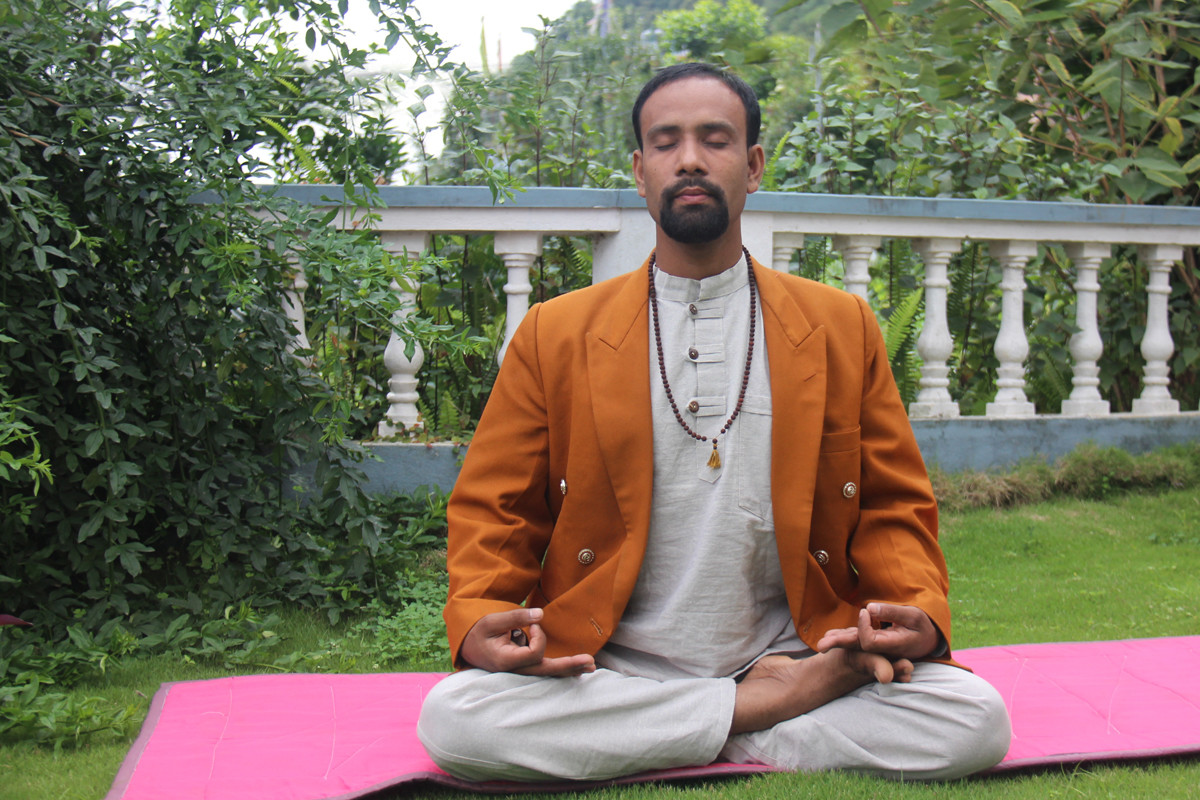
The condition of deep peace along with pure awareness means Meditation. In fact, it is the ideal approach to meet your actual and genuine peace. Our teacher revealed the soul meditation for a modern everyday life where people can discover deep peace and delight. We teach various types of meditation to make a competent tutor in Yoga.
Meditation Techniques
- Soul meditation
- Buddha style meditation
- Mindfulness meditation
- So- Ham Meditation
- Vipassana meditation
- Aana-Pana Meditation
- Kundalini Meditation
- Chakra Meditation
- Walking Meditation
- Dynamic Meditation
3. Pranayama, Mudra, and Banda (Breathing Science)
A. Pranayama (Breathing science)
Pranayama is resulting from a combination of Sanskrit words and they are Prana (vital energy) and Ayama (expansion). So, Pranayama is all about the development of fundamental energy via breathing exercises. The proper live out of this free source of power (breath) can come out with amazing changes to our health, strength, self-assurance and mental calm. Stable practice arouses internal religious light, pleasure and a serene mind.
Pranayama (yogic breathing) is all about the voluntary control of the breath helping to manage your involuntary opinion and makes mastery of your mind. Based on the Research, the practice of Pranayama (breathing practice) helps in reducing nervousness and despair, enhancing the energy levels, relaxes muscles, reduces the sense of stress and makes stronger the nervous and respiratory systems.
In addition, pranayama has a better impact to allow the improved function of the autonomic system and enhances the function of lungs, heart, intestines, kidneys, and pancreas. Through the pranayama practice, everybody organ receives additional oxygen, helping to cleanse the blood removing toxins from the body. After pranayama practice, you will get rid of negative and injurious thoughts and will start to experience the precision of the body, experiencing inner peace, sound sleep, enhanced memory, and better attention.
Topics Covered of Pranayama during this yoga certificate course
-
- What is Prana?
- Types and function of prana
- Why is pranayama important?
- How can we deepen our inner awareness by pranayama?
- How to teach pranayama to your students?
- Science of prana path (Swara Vigyana)
- Skillfulness in breathing awareness.
- Bad breathing habits and it’s correction.
B. Bandhas (Lock system of breathing)
certified yoga instructor must have knowledge of bandhas and its impact in human health. Bandhas is all about holding or locking the breath. The locks, which are precise contractions of interior parts of the body, and manage of prana (breath), carry a stable flow of power, synchronization, and harmony of life.
With an entrance to interior values, you can state yourself with honesty. Without understand the lock system of prana (Breath), pranayama may not come up with the good advantage, so bandha is basic for the carry out of pranayama.
The locks are pathways to build up core power, kindliness, and are significant to kundalini development (beginning of inner energy). The life out of bandhas has both profundity and success to pranayama practice, which is a vital part of yoga. Being relevant to the body locks correctly helps you clear blockages that hamper the open flow of energy via your physical body and Chakras (energy center). Some precise bandhas are:
-
-
- Mula Banda (root lock)
- Uddiyana Bandha (Stomach lock)
- Jalandhara Bandha (Chin lock)
- Maha Banda or Tri- Bandha (great lock)
-
C. Mudras (Seal of prana)
The ‘mudra’, is a Sanskrit word which indicates ‘closure’ or ‘seal’. Mudras postures are made by joining physical, mental and breathing procedure that have a consequence on the energy stream of the body.
Yogic Mudras are weaponry for proper usage of the energy in an improved manner in a precise way. Yoga Mudra has a wonderful consequence on position and deliberation procedure. We will provide training on different types of efficient mudras that are mentioned below:
- Tatto mudra (Five element mudra)

- Pranic mudra (Five prana balancing mudra)
- Physical mudra
- Mudra for different disease
- Hastha mudra (hand mudra)
Some Advantages Of Mudras Are as Follows:
- Mudra helps to remove the toxin from the body. It also has a harmonizing consequence on the mind and helps build up inner balance and self-assurance.
- The mudras clear the energy centers and delicate channel in the body. This lets the life force to flow generously to the different parts of the body.
- The mudras reinforce the body’s diamagnetic field and protect it from negative services.
- Activates energy, get better the immune system, decrease stress and fatigue.
4. Mantra Chanting & Yogic Relaxation of certified yoga instructor Course
“Man” indicates mind, “tra” indicates wave or outcrop. Consequently, the mantra is the outcrop of the mind via sound vibrations. A mantra is an ideal way to put up awareness with divine vibrations because Mantras are divine sounds. The mantra helps to reduce your thought and makes a calm mind.
You will discover holy mantras, what they indicate and the awesome way to chant them. There will be a meeting of mantra, bhajans, and Kirtan in this accredited yoga teacher training classes where everyone will be expectant to chant for great understanding.
A mantra refers to the word or verdict which, when expressed in an exacting way and considered inside, can make sorrow whichever and give surety eventual freedom of life. Mantras are influential trembling tools that can free your mind. If you utilize them in a definite way, they turn into a means to open your inside basis of peace.
- Oum kar mantra
- Gayatri Mantra
- Bija mantra
- Mula- Mantra
- Guru Mantra
- Seed Mantra for chakras
- Surya Namaskar Mantra
- Hare Krishna maha mantra
- Shiva Mantra
- Shanti Mantra
5. Yogic Relaxation (Yoga Nidra)
Part of this certified yoga instructor course includes the Yogic relaxation is a very influential physical and mental relaxation method. Yogic relaxation is also called Sabasan (death pose) or Yoga Nidra. Yoga is a pathway to health, relaxation and internal pleasure. Yogic relaxation is one ingredient of the yoga.
Yogic relaxation gets yourself back to your own personality. Your inmost nature is extremely comfortable. It is very successful to deal with an extensive assortment of complaint and consists of the influence to relax all the organs and every cell of the body which decreases the stress from the body and mind. In this relaxation, people can simply go in the direction of an intuitive mind and can remove concealed negative thoughts and spontaneous thoughts.
Yoga Nidra deals with different types of layers and they are physical, spiritual, mental, lively, exciting, and cognitive. Deep relaxation (Yoga Nidra) relaxes your body and mind and helps you to revive and refresh. Yoga Nidra has more influence to relax compared to the sleep so doing an hour of yoga Nidra is supposed to be as stimulating as having 4 hours sleep.
- The key significance of yogic relaxation (Yoga Nidra) is as follows.
- The life out of yoga Nidra relaxes, rejuvenates, and rebalances the mind, body, and strength.
- The yogic relaxation assists by emitting healthy hormones and sending nourishing messages to all the cell, organ and glandular system.
- Body and mind will be more conscious.
- Enhancement of the superiority of sleep
- Decreases stress, anxiety, anger, and annoyance.
- Lets inspired thoughts because of the deep relaxation
- Improves the memories, concentration power, and learning aptitude.
- Yoga Nidra can help out renovate and continue your imperative life energy and anticipation of diseases.
6. Yoga philosophy, Anatomy, And Lifestyle
A. Yoga Philosophy
This yoga certificate course focuses on the introduction of the basic viewpoint, concepts, and history of yoga. It includes the range of traditional philosophy and viewpoint, insights from contemporary research and approach in which the real meaning of this holistic life-view can be included in modern existence. Types of yoga and their purpose with precise style will be discussed. In the training the following lessons will be deliberate.
-
- Introduction to Yoga
- Definition of Yoga
- Type of Yoga
- Astanga Yoga (Eight limbs)
- Hatha Yoga (History)
- Yoga Sutras of Patanjali
- History of original yoga and lineage
- Functions of 7 chakras (Energy Centers)
- Introduction to Vedas, Upanishads & Bhagavad Gita,
- Hatha Yog Pradipika
B. Yoga Anatomy & Physiology And Lifestyle
In yoga, one needs to learn the way body works as it is relevant to the yogic body, so Anatomy and Physiology are very important. You will study a comprehensive discussion of 7 chakras with their position, purpose, characters, colors, and function in yoga practices.
Three main Nadis as Ida, Pingala, and Sushumna will be talked with their functionality and flow of the energy. The course of five Koshas will be intentional and discussed along with the five main Pranas and five Sub pranas with their purpose and flow in a detailed part of the body will be studied. Introduction of Ayurveda (Traditional medicinal system) will be studied. In addition, we will talk about the impact of Yoga-Meditation in our existence and health.
7. Yogic Detoxification, Teaching Practice & Extra Activities
A. Yogic Detoxification – Shat-Kriyas (Seven Yoga Detox)
Set up the theory, advantages and instructions on the way to execute shat kriyas (Neti, Vasti, Dhauti, Tratak, Kapalabati, Nauli).The six traditional kriyas includes Neti, which is water or string purification of the nasal passages; Vasti, or colon purification alike an enema; Dhauti, or the purification of the stomach, teeth, throat, and rectum; Tratak, which is looking at a candle flame or little object; Kapalbhati is a breathing practice to rinse and make stronger the digestive system; Nauli is mixing or pumping of the stomach for better digestion.
B. Teaching Practice
Teaching practice is significant to become a teacher, so at least 10-hour teaching practice is necessary for everybody. We will supervise the class for teaching practice.
C. Extracurricular And Supplementary Activity during yoga certificate course
The student will connect in weekly outside trips and social/ cultural actions that include hiking, Karma Yoga (work with no affection and wish), town visit, yoga lecture, and Nepali language coaching. This will more improve their incorporation and perceptive of their teacher training classes.
8. Yoga Style
Hatha and Ashtanga Vinyasa incuding other different dimensions of yoga
Below are some frequently asked questions that may provide answers to your queries:
What is a 200-hour Yoga Teacher Training at Nepal Yoga Home?
At Nepal Yoga Home, the 200-hour Yoga Teacher Training is a 21-day course in Kathmandu, Nepal, certified by Yoga Alliance. Over those three weeks, you’ll work through asana, pranayama, meditation, yoga philosophy, anatomy and teaching practice.
Some students take it just to go deeper in their own practice, while others aim to come out as a certified yoga teacher training graduate, ready to teach anywhere in the world.
Who is the 200-hour Yoga Teacher Training suitable for?
Our 200-hour Yoga Teacher Training is suitable for all levels, from complete beginners to advanced practitioners. Classes are structured step by step, so no one is left behind.
Whether you have never touched a yoga mat or you have practiced for years, our teachers guide you at a pace that matches your own body and experience.
Do I need previous yoga experience to join a 200-hour YTT?
No, you do not need previous yoga experience to join. Our 200-hour Yoga Teacher Training starts with the basics of posture, breath and alignment before moving into deeper practice. Many of our students arrive as first-timers and leave as confident, certified yoga teachers.
Can beginners join a 200-hour Yoga Teacher Training in Nepal?
Yes, beginners are always welcome at Nepal Yoga Home. Our teachers give extra attention to new students during asana and alignment classes. The course is built to take you gradually from foundational postures to advanced yoga asana practice over the full 21 days.
What will I learn in a 200-hour Yoga Teacher Training?
In a 200-hour Yoga Teacher Training, you will learn asana, pranayama, meditation, Hatha Yoga and Ashtanga Yoga. The course also includes yoga anatomy, yoga philosophy, and proper alignment of asanas.
This includes:
- Yoga postures and sequencing
- Pranayama and breathing science
- Meditation techniques
- Yoga philosophy and history
- Anatomy, physiology and teaching skills
What subjects are included in a 200-hour YTT?
A 200-hour YTT includes hatha and ashtanga asana practice, pranayama, mudras and bandhas, meditation, mantra chanting, yoga philosophy, anatomy and physiology and yogic detoxification.
Teaching practice and alignment training are also part of the syllabus, giving you the complete toolkit to instruct others confidently.
Does the 200-hour YTT include yoga philosophy and meditation?
Yes, both yoga philosophy and meditation are core parts of the 200-hour YTT. You will study the Yoga Sutras of Patanjali, the eight limbs of yoga and the seven chakras. Alongside your daily meditation our sessions include mindfulness, Vipassana and Kundalini meditation.
Will I learn pranayama and breathing techniques during the training?
Yes, pranayama and breathing techniques are taught throughout the course. You will learn the science of prana, different types of pranayama and how bandhas (breath locks) support your practice.
These sessions also cover how to correct bad breathing habits and teach pranayama to future students. If you want to go deeper into breathwork alone, we also offer a dedicated Pranayama and Meditation Training.
Does the course include yoga anatomy and physiology?
Yes, yoga anatomy and physiology are part of the 200-hour syllabus. Lessons cover the seven chakras, the three main nadis, the five koshas and the five pranas. You will also get an introduction to Ayurveda and how yoga and meditation affect overall health.
How many hours of yoga practice are there each day?
There are about 7 hours of yoga practice each day guided directly by our teachers. Beyond this, our students are free to do additional self-practice on their own time, which many find helpful for absorbing what they learn in class.
What will be my daily schedule at Nepal Yoga Home?
A day at Nepal Yoga Home starts with Hatha yoga flow at 7 am and ends with silence at 9 pm. In between, sessions are spread across asana, philosophy, anatomy, meditation, and chanting, with proper breaks for breakfast, lunch and dinner.
This structure keeps the day balanced between active practice and quiet reflection, so students absorb the teachings without feeling rushed or overwhelmed.
Please use the sample schedule provided earlier as a reference.
How long does the 200-hour Yoga Teacher Training take?
The 200-hour Yoga Teacher Training takes 21 days to complete. This duration gives enough time to properly cover asana, pranayama, meditation, philosophy, anatomy and teaching practice without rushing any part of the syllabus.
Students also get a chance to settle into the routine, build strength gradually and absorb the teachings at a comfortable pace.
When does the 200-hour Yoga Teacher Training start?
The 200-hour Yoga Teacher Training starts on the 1st of every month and runs through the 21st, giving you a predictable timeline to plan around no matter where you are traveling from.
This means you can plan your trip to Nepal around whichever month fits your schedule, without waiting for a fixed yearly intake like many schools require. If a particular start date is close to full, our team can also let you know about the next available seat.
Is the 200-hour YTT available every month?
Yes, the 200-hour YTT runs every month throughout the year, including during Nepal’s monsoon and winter seasons. Our classes are set up to continue comfortably indoors or under cover when needed.
New batches begin on the 1st and finish on the 21st of each month, giving flexibility to students traveling from different parts of the world who may only be able to get time off during certain months.
Is accommodation included in the 200-hour YTT?
Yes, accommodation is included in the 200-hour YTT fee. You don’t need to arrange a separate place to stay in Kathmandu.
With us, you can choose between twin-shared or private rooms, depending on the package and comfort level you prefer during your stay at Nepal Yoga Home. Since the training rooms and your accommodation are in the same compound, you also save time that would otherwise go into commuting to class each morning.
Are meals included in the Yoga Teacher Training?
Yes, meals are included in the Yoga Teacher Training, prepared fresh on-site rather than catered from outside. You get three vegetarian meals a day, mainly Nepali food along with vegetables and fruits. You can also get herbal tea as much as you like throughout the day.
Our kitchen also keeps portions and ingredients suited to a yogic lifestyle, which many students say helps their digestion and energy levels during the intensive practice schedule.
Why choose Nepal for a 200-hour Yoga Teacher Training?
Nepal is the birthplace of yoga’s spiritual roots, home to the Himalayas and a place where many yogis have done sadhana for centuries. Training here carries a different weight than a city gym elsewhere:
- Deep-rooted yogic history, with sadhana traditions still alive across the country
- The Himalayas nearby, adding a natural sense of scale and calm to daily practice
- An authentic setting, free from the noise and distraction of a big tourist city
- A naturally peaceful and positive aura that supports deeper and focused practice
- A chance to learn from the same lineage and philosophy yoga originally grew from
You can read more about this and our founder’s own yoga journey on our About Us page.
What type of accommodation is provided during the YTT?
Accommodation during the Yoga Teacher Training is available on both twin-shared and private basis, in normal and high-standard rooms depending on your budget. Rooms come with amenities such as air conditioning, hot water, an attached bathroom, free Wi-Fi and wooden parquet flooring.
We ensure you are comfortable enough to rest properly between practice sessions. Students can choose the room type that best fits their needs, from simple shared rooms for those traveling on a budget to more private, higher-standard spaces for those who prefer extra quiet, all located within the same peaceful campus.
Is meditation included in the 200-hour Yoga Teacher Training?
Yes, meditation is included daily in the 200-hour Yoga Teacher Training, usually placed at times of day when the mind naturally settles, such as early morning and evening.
You will practice several styles, including mindfulness, Vipassana, Kundalini, and chakra meditation, guided by experienced teachers in a calm, natural setting close to the Nagarjuna forest.
By the end of the course, most students have found at least one style that fits their personality and can keep using it long after they leave Nepal.
Does the training include Yoga Nidra?
Yes, Yoga Nidra (yogic relaxation) is part of the training, taught as its own dedicated session rather than squeezed in at the end of a busy day.
Also called the “death pose” or deep relaxation practice, it helps calm the nervous system, improve sleep quality, and release stored tension from the body and mind, which many students notice is exactly what they need after a full day of asana and teaching practice.
Those who want to specialize further can also join our dedicated Yoga Nidra course after this training.
Will I learn chanting during the course?
Yes, mantra chanting is taught during the course, usually in a group setting that many students describe as one of the more moving parts of the training. You will learn the meaning and correct pronunciation of mantras like the Gayatri Mantra and Om chanting, along with group sessions of bhajans and kirtan for deeper spiritual connection.
Even students who feel shy about singing at first tend to relax into it once they see the whole group joining in together.
Can I become a yoga teacher after completing 200 hours of training?
Yes, you can become a certified yoga teacher after completing 200 hours of training, and this is exactly the outcome the course is built around.
The training covers everything needed to teach confidently, including asana, teaching methodology, anatomy, and hands-on teaching practice, guided by our experienced yoga teachers.
You will also get at least 10 hours of supervised teaching practice during the course itself, so you don’t leave Nepal having only studied theory without ever standing in front of a class.
Is the 200-hour Yoga Teacher Training Yoga Alliance certified?
Yes, the 200-hour Yoga Teacher Training at Nepal Yoga Home is Yoga Alliance certified. It is also registered with the Yoga Alliance International Registry, making the certificate recognized by yoga schools and studios worldwide, not just locally in Nepal.
This matters if you plan to register as an RYT (Registered Yoga Teacher) after your course, since the hours and syllabus already meet the standards most international schools and studios expect from a 200-hour graduate.
Can I teach yoga internationally after completing a 200-hour YTT?
Yes, this is an internationally certified course, and you can work as a certified yoga trainer after completing it. Whether you plan to teach in your home country, travel and teach abroad or run your own private classes.
Graduates go on to teach in studios, retreat centers, gyms and their own classes across different countries, and many past students have used their certificate to build a teaching career or a side income alongside other work.
What certificate do I receive after completing the course?
You receive a 200-hour Yoga Teacher Training completion certificate after finishing the course, issued directly by Nepal Yoga Home. This certificate is Yoga Alliance accredited and accepted internationally as proof of your qualification to teach yoga.
You can use it to register with Yoga Alliance yourself, apply to teach at a studio or simply keep it as documented proof of the training you completed in Nepal.
What is the difference between a 200-hour YTT and a 500-hour YTT?
The 200-hour YTT is the basic, foundational certification for new yoga teachers, covering the essential asana, philosophy and teaching skills needed to start teaching confidently.
The 500-hour YTT is an advanced program for those who already hold a 200-hour certificate and want to deepen their knowledge further, going into more advanced asana, philosophy and teaching methodology.
Students who want a middle step rather than jumping straight to 500 hours can also consider our 300-hour Advanced YTT as a bridge between the two levels.
Why choose Nepal Yoga Home for yoga teacher training?
Nepal Yoga Home offers a warm, home-like environment where students are treated as guests rather than just paying clients.
Here’s what sets it apart:
- Experienced teachers who guide you personally through every part of the syllabus
- A high-standard syllabus covering asana, philosophy, anatomy and hands-on teaching practice
- A peaceful location away from city noise, close to the Nagarjuna forest
- Quality services and facilities that support comfortable, focused learning
- A home-like atmosphere with no constant distractions to pull you away from practice
You can go through testimonials from our past students before you enroll in our 200-hour yoga teacher training course (YTTC).
How much does a 200-hour Yoga Teacher Training in Nepal cost?
The cost of a 200-hour Yoga Teacher Training in Nepal depends on the room type and quality of service you choose, since accommodation is bundled into the overall price rather than charged separately.
At Nepal Yoga Home, prices start from 1400 USD in a standard shared room and go up to 2500 USD for a deluxe private room, covering the full course, accommodation and food. This range lets you pick a package that matches your budget without giving up on the core training itself.
What is included in the 200-hour YTT fee?
The 200-hour YTT fee includes food, accommodation, all classes, course materials, toiletries, a towel, tax and service charges, so most of what you need day-to-day is already covered.
This makes the price straightforward, with no hidden costs during your stay, aside from personal expenses like laundry, sightseeing or your own travel insurance. Knowing this upfront helps most students budget accurately before they even book their flight to Nepal.
What should I bring to a Yoga Teacher Training in Nepal?
You should bring anything personal you consider important, aside from what is already provided, since meals, course materials and a shared yoga mat are covered for you.
Comfortable clothing suited to both practice and Kathmandu’s changing weather, a journal for notes and reflection and any personal medication are good items to pack.
If you prefer practicing on your own mat rather than a shared one, it’s worth bringing your own, since you can take it home with you after the course ends.
Namaste! Thanks