100-Hour Yin Yoga Teacher Training in Nepal | Yin Yoga Certification
Introduction to the 100-Hour Yin Yoga Teacher Training
Most of us live fast. We rush through the day, sit for hours at a desk and hardly notice our own body. Yin yoga asks you to do the opposite and slow down.
Our 100-hour yin yoga teacher training at Nepal Yoga Home shows you how to practice and share this quiet, deep style. You learn the poses, body science, energy ideas and teaching skills. Our school is beside the Nagarjun forest in Kathmandu, which makes slowing down much easier.
This 100 hour Yin Yoga course suits yoga teachers who want a new skill, and students who simply want to go deeper. You finish with a certificate from our school, which gives you a clear yin yoga certification to show for your effort.
Read on for the course breakdown, a sample day, details about the stay and food, and answers to common questions.
Why Choose Our 100-Hour Yin Yoga Teacher Training?
Many schools teach yin yoga in a weekend. We give it room to breathe. Here is what sets this course apart:
- A calm, natural setting: You study near the forest, with open garden space, valley views and, on clear days, the Himalayan peaks.
- A school with real roots: Nepal Yoga Home has taught for more than 18 years, and over 10,000 people have visited us from about 80 countries.
- A family atmosphere: We follow the idea of Vasudhaiva Kutumbakam, which means the whole world is one family. Guests learn, eat and share together.
- The full picture: You study poses, alignment, energy, meditation and teaching in one course, not just a list of postures.
- A path to go further: After this course, you can move on to our other trainings, such as the 200-hour course.
You can read more about our values on the about us and goals pages.
What Is Yin Yoga? The Philosophy and Principles Behind Yin Yoga
Yin and Yang in Simple Words
The ideas of yin and yang come from Taoist thought. Yang is active, warm and moving. Yin is quiet, cool and still.
Strong classes like Ashtanga Vinyasa build yang energy. Yin yoga balances them. It works on the deeper tissues, such as the connective tissue around the joints, hips, pelvis and lower spine.
The Three Principles of Yin Yoga
Every yin class follows three simple ideas:
- Come into the pose to a fair depth: Find your first edge and stop there. You never force the body.
- Resolve to be still: Relax the muscles, calm the body and let go of small movements.
- Stay for time: Hold each pose for several minutes, usually three to five, and sometimes longer once you are experienced.
Yin Yoga and Yang Yoga Compared
| Feature | Yin yoga | Yang yoga |
| Pace | Slow and still | Flowing and active |
| Muscles | Kept relaxed | Working and warm |
| Main target | Connective tissue and joints | Muscles and stamina |
| Time in a pose | Several minutes | A few breaths to a minute |
| Feeling | Cool, deep and quiet | Warm, strong and energetic |
Benefits of Yin Yoga for Body and Mind
Yin yoga is gentle, yet many students find it more demanding than a strong flow. Staying still with your own thoughts takes courage. Here are some changes students often notice:
- Easier movement: Long holds help the hips, back and legs feel less stiff over time.
- A calmer mind: Slow breathing and stillness give busy thoughts a place to settle.
- Better rest: An evening yin practice can help the body wind down before sleep.
- More patience: You learn to stay with discomfort without panic, which helps off the mat too.
- A good partner for active yoga: Yin gives hard-working muscles a rest and keeps your practice balanced.
Every body is different, so we never promise a cure or a fixed result. We promise honest teaching and a safe, caring place to practice.
What You Will Learn in Our 100-Hour Yin Yoga Training
Our yin yoga training covers six parts. Each one builds on the one before it.
| Part | What you learn |
| Philosophy and principles | Yin and yang, the three principles and how yin differs from other slow styles |
| Asanas | Classic yin poses, entry and exit, props and safe depth |
| Alignment | Joints, fascia and why every body moves differently |
| Meridians and energy body | Energy lines, organ links and the yogic view of nadis and prana |
| Meditation and breath | Pranayama, mindfulness, relaxation and stillness |
| Teaching methodology | Class design, sequencing, cueing, safety and practice teaching |
How Yin Differs From Other Slow Styles
People often mix yin yoga with other calm practices. A short comparison helps:
- Restorative yoga: The body is fully supported, and there is almost no stretch. The aim is deep rest.
- Hatha yoga: Poses are held for a short time, with the muscles working. It builds strength and balance.
- Yoga Nidra: You lie still and follow a guided voice. There is no stretch at all.
- Yin yoga: You stay in floor poses with relaxed muscles. The aim is gentle stress on the deeper tissues, plus stillness.
Knowing these differences helps you explain yin clearly to your own students.
Yin Yoga Asanas and Alignment
The Poses You Will Practice
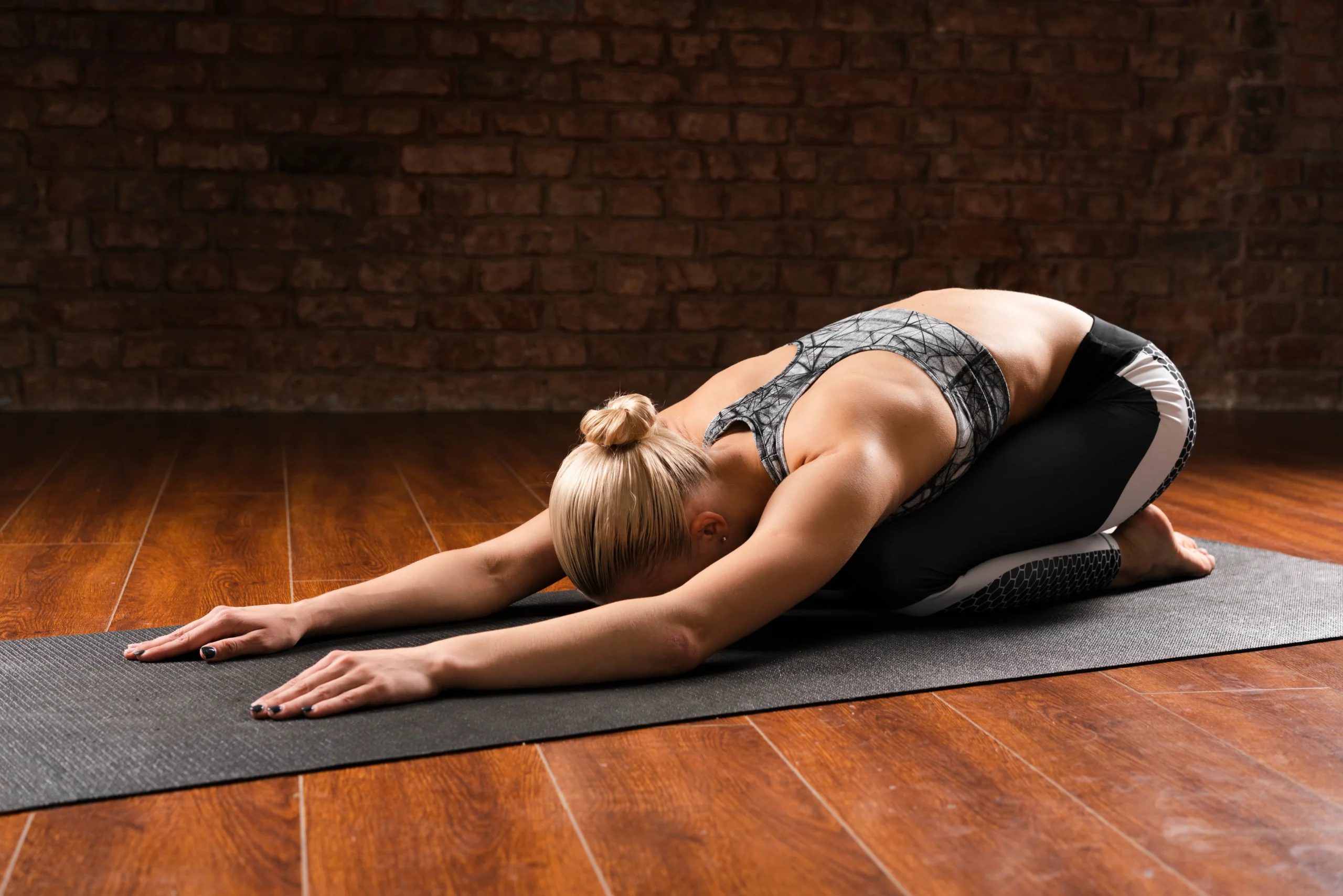
You practice classic yin postures slowly and with care. The poses may include:
- Butterfly and Caterpillar, for the hips, hamstrings and lower back
- Dragon and Sleeping Swan, for the hips and thighs
- Sphinx and Seal, for the spine
- Shoelace and Saddle, for the outer hips and front thighs
- Reclining Twist and Child's Pose, for rest and release
You also learn how to enter each pose slowly and how to come out without a jolt. This is a skill in itself, and many new teachers skip it.
Functional Anatomy: Every Body Is Different
Functional anatomy asks one question. What does this pose do for this body? It does not ask what the pose should look like.
Bones differ in shape from person to person. A student may stop in a pose because of bone, not because of tight muscles. When you understand this, you stop chasing a perfect picture and start teaching the person in front of you.
Props and Safe Practice
Props make long holds kind to the body. You learn how to use bolsters, blankets, blocks and straps, and when to offer each one.
You also learn to tell the difference between a deep stretch and sharp pain. Yin yoga should never hurt. When it does, we back off.
Yin Yoga, Meridians and the Energetic Body
In Traditional Chinese Medicine, energy called qi flows along lines in the body named meridians. Yoga has a similar idea in nadis and prana. Yin yoga is often taught as a way to support this flow.
This part of the course comes from tradition and experience, not from lab science. We teach it with respect and honesty, and we never promise cures. You will learn how the main lines relate to the poses:
| Meridian lines | Area of the body | Pose example |
| Kidney and Bladder | Back of the legs and the spine | Caterpillar |
| Liver and Gallbladder | Inner thighs, outer hips and sides | Shoelace |
| Stomach and Spleen | Front of the thighs and torso | Saddle |
We also connect these ideas with chakras and with the Indian view of balance in Ayurveda. The goal is simple. You learn to feel your own body and speak about it in clear words.
Meditation, Pranayama and Mindfulness in Yin Yoga
Long holds are a form of meditation. When the body stops moving, the mind has nowhere to hide. This is why yin yoga and meditation fit so well together.
Breath Work
You learn slow breathing methods that calm the nervous system and help you stay in a pose. If you wish to study breath work in more depth, see our 100-hour breath work and meditation training.
Mindfulness and Stillness
You practice watching sensations, thoughts and feelings without judging them. We also use guided relaxation and ideas from Yoga Nidra to close a class. New to sitting quietly? Our introduction to meditation page explains the basics.
Sound and Chanting
Soft chanting and sound can settle the mind before a long hold. Curious about sound healing? Look at our singing bowl meditation training.
Yin Yoga Teaching Methodology
Knowing yin yoga is one thing. Teaching it is another. This part of the course gives you the tools to lead a calm and safe class.
Building a Yin Class
A simple yin class often follows this order:
- Welcome and settling in
- A short, gentle warm-up
- Five to eight poses with long holds
- Counter poses and rest between poses
- Final relaxation and a quiet close
You learn how to choose poses for a theme, how to pace the class and how to use silence. Timing matters in yin. Too many poses rush the class, and too few can feel empty.
Cueing and Giving Options
Your voice is your main tool. You practice short, clear cues and a soft tone that helps students relax.
Instead of correcting people, you learn to offer choices. A student with tight hips may use a bolster, while another may go deeper. Both are doing the pose well.
Themes and Sequences
A good yin class has a clear idea running through it. You learn to build classes around simple themes, such as:
- A hip-focused class for people who sit all day
- A spine-focused class for a tired back
- A meridian-based class that follows one pair of energy lines
- A short evening class for rest and sleep
For each theme, you practice choosing poses that work together and avoiding poses that clash. You also plan how long to hold each pose and what to do between poses.
Adjusting and Safety
In yin yoga, less is more. You learn when to use words, when to offer a prop and when to leave a student alone. Heavy hands-on adjustments are rarely needed, and we teach you to ask before you ever touch.
You also learn to watch for signs that a student needs to come out of a pose, such as sharp pain, tingling or numbness. These simple checks keep your classes safe.
Practice Teaching
You teach short sequences to your classmates and receive kind, useful feedback. Everyone starts nervous, so no one is judged. By the end, you can plan and lead a simple yin session with confidence.
Common Mistakes New Yin Teachers Make
Every new teacher slips at first. We point out these mistakes early so you can avoid them:
- Going too deep, too fast: Forcing a pose is the opposite of yin. Always start at the first edge.
4. Skipping the exit: Coming out of a long hold too quickly can surprise the joints. Teach a slow release.
2. Talking too much: Silence is part of the practice. Leave space between your cues.
3. Teaching one shape for all: Bodies differ, so offer options, not one "right" pose.
5. Treating yin like a stretch class: The aim is stillness and awareness, not only flexibility.
In the practice teaching sessions, you try these ideas in a safe group and get kind feedback.
How Yin Yoga Fits With Other Courses at Nepal Yoga Home
Yin yoga works well beside other styles we teach. Many students pair it with Hatha and Ashtanga Vinyasa for balance, or with meditation for a quieter mind.
If you love the stillness, you may enjoy a longer stay. Our one-week wellness retreat and stress management yoga retreat also suit the gentle spirit of yin.
Who Can Join the 100-Hour Yin Yoga Teacher Training?
This course welcomes many kinds of students:
- Beginners who want a gentle start in yoga
- Yoga teachers who wish to add yin to their classes
- Massage, wellness and bodywork professionals
- Runners and athletes who want better mobility
- Busy people who need rest and quiet
You do not need to be flexible. Yin yoga is about patience, not touching your toes.
If you want a broader base first, try our 100-hour beginner yoga teacher training. If you plan to teach full time, the 200-hour yoga teacher training is the usual next step.
Please tell us about any injury, health issue or pregnancy before you arrive. Yin yoga is gentle, but it still puts steady load on the joints, so we plan with you.
100-Hour Yin Yoga Training Schedule
The course mixes practice, theory, meditation and teaching practice. Quiet time and meals are part of the day too. Start dates and the number of days depend on the group and the season, so we share them when you contact us.
Sample Daily Schedule
This is a rough guide only. We may change it according to the weather, the teachers, the group and your needs. You will join Hatha Yoga, meditation and breathing besides this each day you will have one class fully focused in Yin Yoga.
| Part of the day | Sample activity |
| Early morning | Hatha Yoga Flow |
| Morning | Breath work and meditation |
| Late morning | Yin Yoga Practice |
| Midday | Meal and rest |
| Afternoon | Meditation and breathing |
| Late afternoon | Alignment & text book |
| Evening | Philosophy, chanting or meditation, then dinner |
| Night | Quiet time and early rest |
Life at the School During Your Training
Nepal Yoga Home feels like an ashram. The place is calm, natural and sattvic, and a yogic way of living always comes first. Guests from many countries study side by side, share meals and look after each other.
You will often hear the forest in the morning and see the valley in the evening. The open heart and family environment is there for your any support. Full of spiritual and positive vibes are there to meditation and relaxation. Because the days are slow, many students find they sleep better here than at home.
Free Time
Your free time is yours. Some students rest, journal or sit in the garden. Others walk toward the forest or visit nearby temples. Thamel is only about 5 km away, and our gallery gives a small taste of the place.
Tips to Get the Most From Your Training
- Keep a notebook: Write down pose names, cues and your own feelings after each class.
- Arrive rested: Long flights and a busy week can leave the body tired.
- Dress in warm layers: The body cools down in long holds, especially in the morning.
- Be honest about pain: A deep stretch is fine, but sharp pain is a signal to stop.
- Stay open: Some poses will feel dull, and others will bring up strong feelings. Both are part of yin.
Small habits like these make your yin yoga teacher training smoother and more enjoyable.
After the Course: How to Start Teaching Yin
Finishing the training is only the first step. Teaching grows with practice.
Start small. Lead a short class for friends or family, then try a weekly community class. Add a yin session to your existing yoga classes, or offer a quiet evening class at a studio or wellness center.
Keep your own practice alive, too. A short yin session two or three times a week keeps your body and voice steady. If you want to grow your teaching skills, our 200-hour yoga teacher training and the 500-hour advanced yoga teacher training are the next steps.
Course Duration and Certification
The course has 100 hours of training. This is 10 nights and 11 days course starts form 1st of the month and ends on 11th. If there is any changes you can confirm through email about the exact number of days and the next start date when you get in touch.
When you complete the course, you receive a certificate from Nepal Yoga Home. This is your yin yoga certification for the 100-hour program.
Our school is registered with Yoga Alliance International, and our 200-hour and 500-hour courses are certified by Yoga Alliance. If you want to know how this certificate can help your plans, please ask us before you book.
What Is Included in the Training?
- All classes of the 100-hour yin yoga teacher training
- Practice teaching with feedback
- Accommodation at the school
- Fresh vegetarian meals
- Wi-Fi and use of the open garden space
- Your course certificate
Pick-up and drop service is available on request at an extra cost. Massage and other treatments are also on request. Flights, visa and personal costs are not part of the course.
Accommodation and Food
Your Room and Surroundings
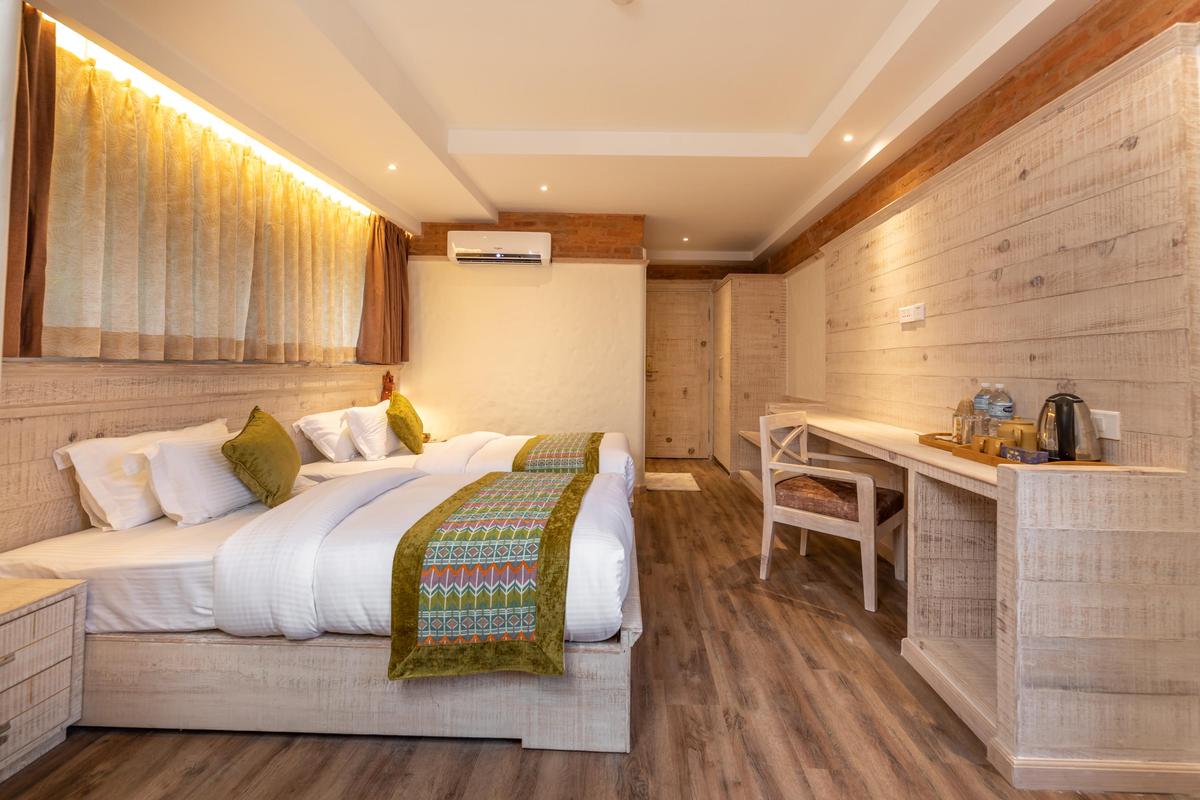
Rooms are simple, clean and peaceful. The house sits beside the Nagarjun forest, with views of the Kathmandu valley. Check our services and facilities page and gallery to see the place for yourself.
Room options depend on availability, so please ask us when you book.
Food at the School
Meals are vegetarian and sattvic, which means light, fresh and simple. We try our best to use fruits and vegetables from local area around the yoga home.
This kind of food suits yin yoga well. You feel light in the long holds and calm in the evening. Please share any allergy or food limit when you book.
Course Fees
Fees depend on your room choice and the dates you pick, so we do not list a price here. Send us your plan, and we will reply with the current fee and what it covers.
Use our booking page or contact us for a quick answer.
Is This Course Right for You?
It is a good fit if you want a slow, deep and thoughtful course. It also suits you if you like small, caring groups and a quiet place to learn.
It may not be the best fit if you want a fast, sweaty workout. It also may not suit you if you plan to teach full time right away, since a longer course gives more. When you are not sure, write to us and we will help you choose.
Why Study Yin Yoga in Nepal?
Nepal sits in the Himalaya, where yogis have gone for quiet and study for centuries. The air is fresh, the mornings are calm and the pace of village life is slow. All of this fits the spirit of yin.
Kathmandu valley also has temples, stupas and old squares, so you can balance study with a little culture on your free days. Many students tell us the setting helped them feel more than any class did. If you also want to explore, ask us about our yoga retreats.
Why Nepal Yoga Home?
Dr. Prakash Acharya (Ananda Prakash) founded the school. He holds a master's degree in yoga and a PhD in meditation. Learn more on the founder page, and meet our yoga teachers before you decide.
- Experience: More than 18 years of teaching and a team of over 40 people.
- Trust: We are registered with Yoga Alliance International, World Yoga Alliance and Yoga Alliance India and yoga and wellness alliance Nepal.
- A true yogic home: Life here follows a natural and sattvic rhythm. Our guests feel like part of the family.
- Many paths: Our school also teaches therapeutic yoga, meditation, Ayurveda and Kundalini, so your yin yoga training can grow into more.
Want to meet the people who have studied here? Visit the YTTC students page.
Who Should Take Extra Care
Yin yoga is gentle, but it is not right for every body in every situation. Please speak to your doctor before you join if any of these apply to you:
- Recent surgery, fractures or joint replacement
- Pregnancy
- Severe osteoporosis or serious spine problems
- Dizziness, high blood pressure or other long-term health concerns
Tell us about your health when you book, and our teachers will guide you on what is safe. Your comfort comes first in every class of the yin yoga teacher training.
This page gives general information only. It is not medical advice.
How to Reach Nepal Yoga Home
The trip takes about 20 minutes from Thamel and about 40 minutes from the airport. Follow these steps:
- Go to Machhapokhari.
- Continue to Balaju Bypass.
- Drive straight along the Trishuli Highway.
- Reach Fulbari Gate, also called Army Gate or Rajdurbar Gate.
- Take a right toward Goldhunga road and go about 700 m. You will see the Nepal Yoga Home sign on the left side.
Lost? Give your taxi driver our phone number, and he can call us for the location. You can reach us at +977 9849521819 or +977 9851167373, also on WhatsApp.
Student Experiences
Here is what students from our other courses say about life at the school. You can read many more on our testimonials page.
- "Spiritual and peaceful family in every way, and no pressure to do anything." Jonas Olsen
- "I left the Nepal Yoga Home with a calmer mind." Reem B, teacher training student
- "I learned lot about yoga, life and myself." Daniela M, 200-hour student
- "I learned more than I ever hoped for." Marthe, Fredrikstad
- "Such a great balance between theory and practice." Lilyflowerlily, Chicago, 500-hour student
Book Your Place
Ready to start? Send your request on our booking page, or message us on WhatsApp at +977 9849521819. You can also email nepalyogahome@gmail.com. Our FAQ page answers general questions about travel and payments.
Tell us your preferred dates, room choice and any health notes. We will reply with the next course dates and the steps to reserve your place in the yin yoga teacher training.
Frequently Asked Questions About 100-Hour Yin Yoga Teacher Training
Is yin yoga teacher training in Nepal suitable if I am not flexible?
Yes, it is. Yin yoga is about time and patience, not about bending far. Props and simple options help every body find a safe depth.
Do I need yin yoga training before a 200-hour course?
No, you do not. Many students take the 100 hour Yin Yoga course as a first step, and others take it after a longer course. The order is your choice.
How is yin yoga different from restorative yoga?
Both are slow and quiet. Yin yoga gently stresses the deeper tissues and asks you to stay with mild sensation. Restorative yoga uses full support so the body can rest with almost no stretch.
Can I join a yin yoga TTC in Nepal with an old knee or back injury?
Often yes, but please tell us about the injury when you apply. Our teachers can offer gentler versions and skip movements that do not suit you. For serious conditions, ask your doctor before you travel.
Can I teach yin yoga to seniors or pregnant students after this course?
You will learn the basics of safe teaching and how to offer options. Seniors and pregnant students often need special care, so extra training is wise. Our seniors yoga training and prenatal yoga training can help.
What should I pack for a yin yoga training in Kathmandu?
Bring loose, warm layers, because your body cools down in long holds. Socks, a shawl, a notebook and a refillable bottle are useful too. In winter, pack extra warm clothes for the mornings and nights.
What is the best season for a yin yoga course in Nepal?
We are in Kathmandu where we can find constant climate. So there is no problem to join our yoga, meditation and Ayurveda courses. If you are thinking to go for trek in Himalaya after or before the course we suggest Spring(March to May) and autumn (October to November) bring mild weather and clear skies. Winter is cold in the early morning and at night. The monsoon (June to September) brings heavy rain, though the air is fresh and green.
Can I take this yin yoga course online?
We teach this 100-hour course in person at the school in Kathmandu. If you want a taste first, see our online yoga classes. Write to us and we will tell you what is available now.
Do I need a visa to join a yoga course in Nepal?
Most visitors need a tourist visa for Nepal. Many travellers can get visa on arrival at Kathmandu airport. Rules and fees change, so please check the latest details before you fly.
Can I add a retreat or Ayurveda program after the training?
Yes, you can stay on and join a program such as our one-week yoga detox retreat or our one-month yoga retreat. Tell us your dates when you book. We will then check room space for those days.
Om Shanti ! Shanti !! Shanti !!!
May peace be everywhere.