Singing Bowl & 21-Day 200-Hour Kundalini Yoga Training in Nepal
A Journey of Yoga, Sound and Inner Exploration.
Welcome to Nepal Yoga Home for an immersive 21-day 200-hour Kundalini Yoga training and Singing Bowl Training in Nepal, created for sincere practitioners, aspiring sound healers, yoga teachers, wellness professionals, and anyone who wishes to explore a deeper relationship with yoga, meditation, sound, breath, and inner awareness. Awaken your inner potential. Learn the art of sound healing, Kundalini and Himalaya Wisdom with spiritual and family environment.
Not Just Kundalini Training, But a Journey of Life Transformation
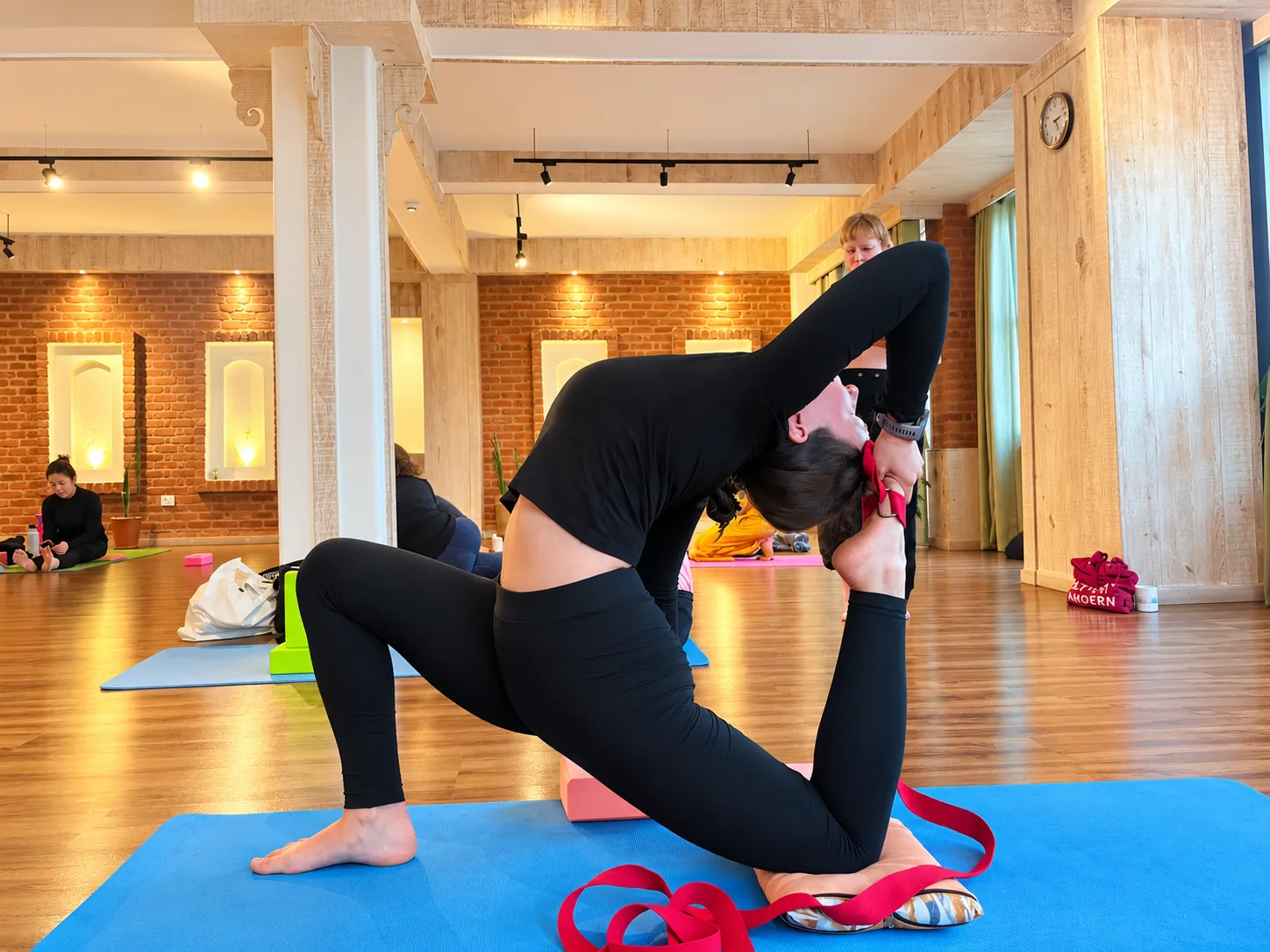
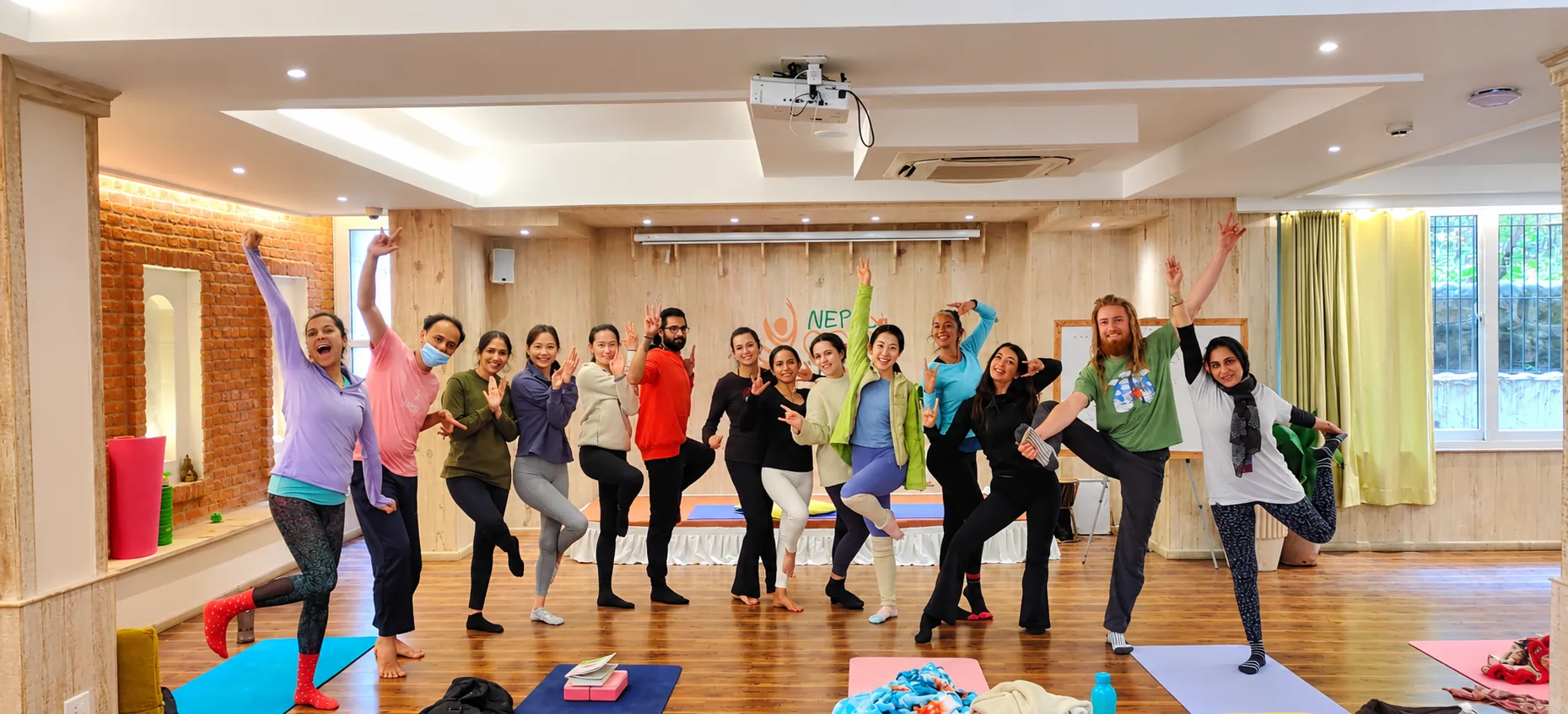
This is more than a kundalini yoga course and singing bowl where you simply learn how to play a singing bowl or perform yoga postures. It is an opportunity to live within a supportive yoga and healing environment while studying the practical, philosophical, and experiential dimensions of Kundalini Yoga, Himalayan singing bowls, Nada Yoga, meditation, pranayama, mantra, mudra, bandha and Yoga Nidra.
Modern life can leave the body tired and the mind constantly occupied. Information, responsibilities, technology and a fast-moving lifestyle often make it difficult to create enough space for silence and self-observation. This training offers a different rhythm. You will step away from your usual routine and enter a structured environment where movement, breath, sound, meditation and silence become part of your daily life. The intention is not to force a particular spiritual experience, but to provide the time, discipline and guidance necessary to explore your own practice more deeply.
During the kundalini yoga course, you will study the traditional understanding of Kundalini and the chakra system alongside the principles and practical application of Himalayan singing bowls. You will also explore Nada Yoga-the yogic approach to sound-and discover how listening, vibration, mantra and meditation can become powerful elements of contemplative practice.
The Kundalini Yoga training In Nepal combines personal practice and practical training, allowing you to experience the methods yourself before learning how to apply them in a responsible and supportive setting. For 21 days, you will have time to learn, practice, observe and integrate to take your life in next level of harmony and peace. The training is designed to help you develop practical skills that you can continue using in your personal practice and, where appropriate, incorporate into yoga, meditation, Kundalini and sound-based wellness sessions.
Why Combine Kundalini Yoga and Singing Bowl Training?
Kundalini Yoga Training and Nada Yoga (singing bowl training) practice offer two complementary approaches to inner exploration.
Kundalini Yoga works through a combination of yoga postures, kriyas, breath practices, meditation, mantra, mudra and bandha. Within the traditional yogic framework, these practices are used to cultivate awareness and explore the movement of prana and consciousness.
Singing bowl practice introduces another dimension: sound and vibration. Through attentive listening and conscious use of the bowls, practitioners explore resonance, rhythm, silence and the relationship between sound and meditative awareness.
The course brings these traditions together through the traditional relationship between chakra practice, Kundalini, Nada Yoga and sound meditation. Rather than studying them as completely separate subjects, you will explore how they can complement one another within a broader spiritual and contemplative practice.
What Makes This 21-Day Kundalini Yoga Training Special?
This program gives you considerably more time to study, practice and integrate. Over 21 days, you will progress from foundational knowledge toward more advanced applications of singing bowl work while maintaining a daily Kundalini Yoga and meditation practice.
You will have opportunities to:
- Learn the foundations of Himalayan singing bowl practice
- Develop confident and mindful bowl-playing techniques
- Explore traditional chakra and energy-based practices
- Study Nada Yoga and the philosophy of sacred sound
- Practice Kundalini kriyas
- Explore different approaches to meditation
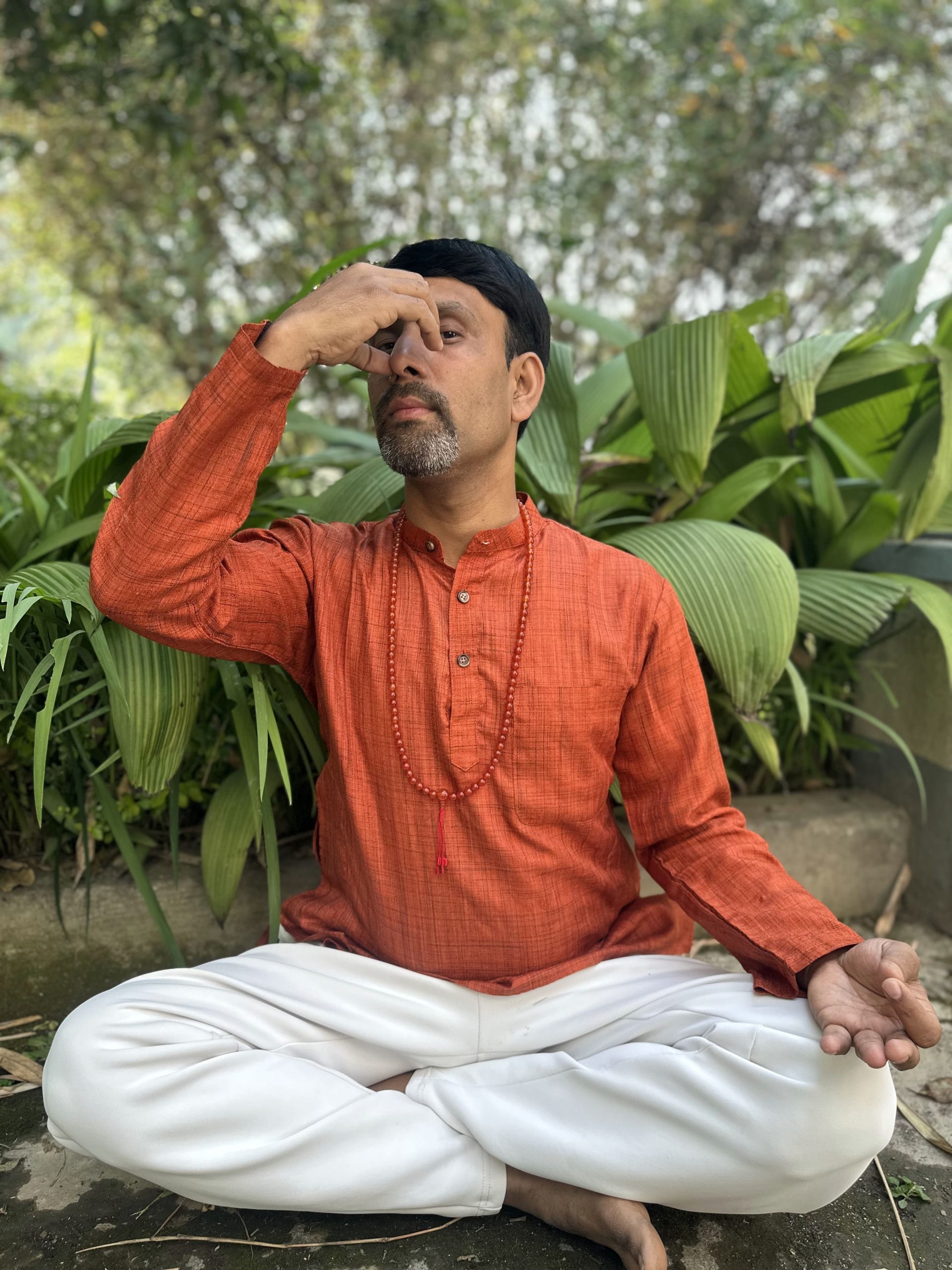
- Develop pranayama skills
- Study mudras and bandhas
- Practice mantra and sacred chanting
- Experience Yoga Nidra and deep relaxation
- Learn how to structure a singing bowl session
- Practice different singing bowl applications
- Develop greater awareness through personal practice
Connect with an international community of yoga and sound-healing practitioners
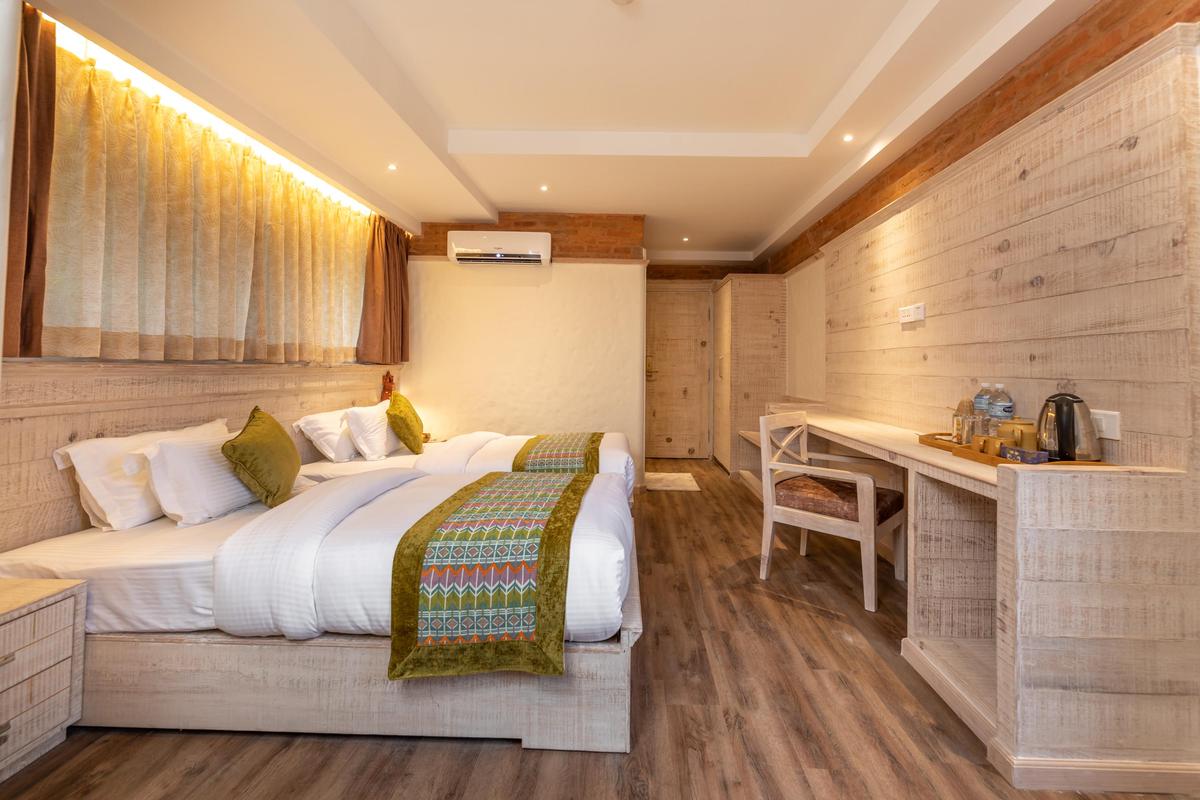
Accommodation and Course Investment
The 21-day training is offered with different accommodation options so participants can choose according to their comfort and preference.
Standard Shared Room-USD 1,900 per person
Standard Private Room-USD 2,300 per person
Deluxe Shared Room-USD 2,200 per person
Deluxe Private Room- USD 2,600 per person
The course fee includes:
- 21-day training program
- 200-hour Kundalini Yoga and Singing Bowl training
- Singing bowl foundation and advanced training
- Accommodation
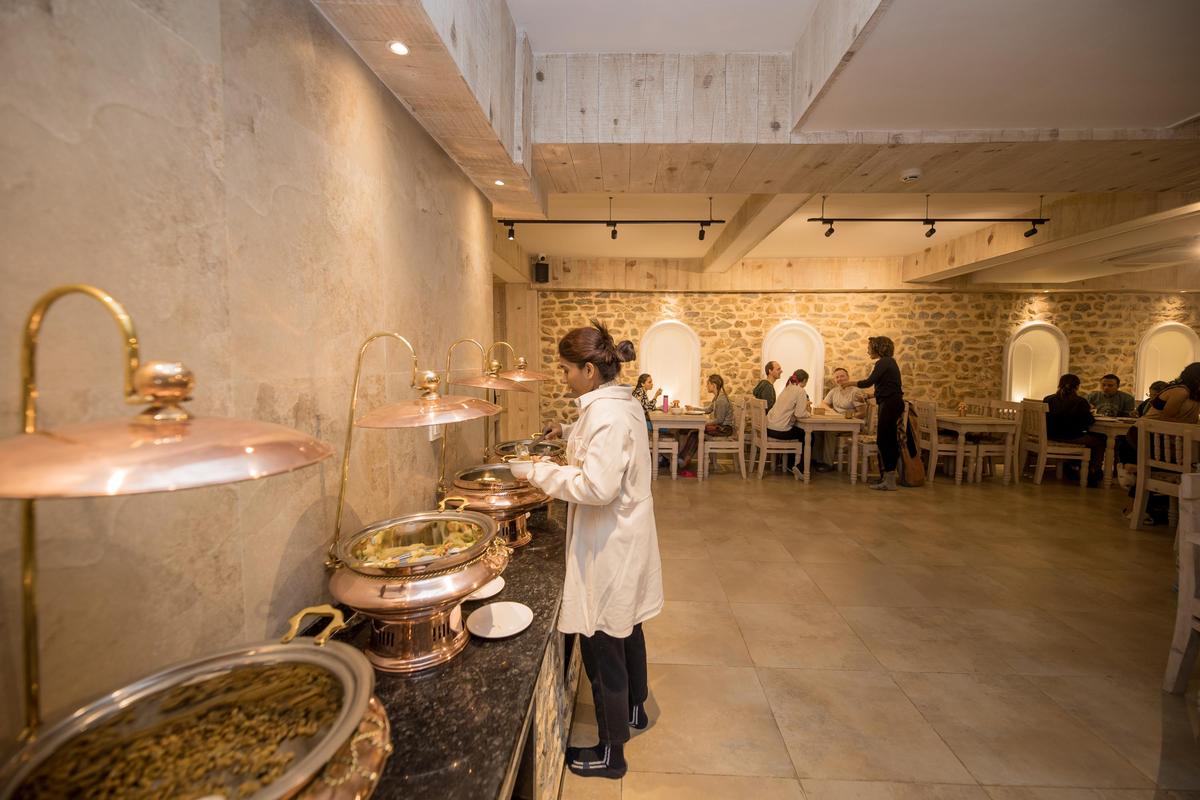
- Vegetarian meals
- Herbal tea
The supplied course information lists these four accommodation prices and states that the cost includes the course, food, accommodation, tax and service charge.
What will you learn during kundalini yoga cousre and singing bowl training in Nepal ?
Singing Bowl Training in Nepal: Foundation to Advanced Practice
The singing bowl component of this program is divided into foundation and advanced training, giving you an opportunity to develop your skills progressively rather than attempting to learn everything at once. Your source material describes the program as including both Level 1 foundation training and Level 2 advanced singing bowl training.
Level 1 – Foundation Singing Bowl Training
The foundation level introduces you to the essential knowledge and practical skills required to begin working confidently with singing bowls.
You will explore the relationship between sound, vibration, resonance and conscious listening, while learning how different bowls can produce different tonal qualities and experiences.
Level 1 topics include:
Science of Sound
An introduction to sound, vibration and wave principles, providing a foundation for understanding what happens when a singing bowl is played.
Sound and Resonance
Learn the basic principles behind singing bowl sound, resonance and sustained vibration.
Musical Elements and Vibration
Explore basic concepts of tone, rhythm, frequency and vibration as they relate to singing bowl practice.
Understanding Different Singing Bowls
Learn about different dimensions, qualities and characteristics of singing bowls and how these influence their sound.
Ahat Nada and Anahat Nada
Explore the traditional yogic understanding of external sound and inner sound, and their relationship to Nada Yoga.
Sacred Sound and AUM
Study the traditional significance of AUM and its place within yogic chanting and contemplative practice.
Chakra System
Develop an understanding of the traditional chakra system and its place within yoga and energy-based practices.
Chakras and Kundalini
Explore the traditional relationship between chakra practice and Kundalini Yoga.
Individual Chakra Study
Study the traditional qualities, symbolism and functions associated with the major chakras.
Chakra Balancing Practices
Learn traditional approaches used in chakra-focused meditation and singing bowl practice.
Chakra Purification and Activation Practices
Explore traditional methods used for contemplative chakra work, with appropriate attention to personal boundaries and safe practice.
How to Play Singing Bowls
Develop fundamental techniques for producing clear, stable and resonant sounds.
Brainwaves, Sound and Meditation
Explore commonly discussed relationships between sound, attention, relaxation and brainwave activity while distinguishing traditional practice from scientific claims.
History of Himalayan Singing Bowls
Learn about the cultural and historical context of Himalayan singing bowl traditions.
Spiritual and Therapeutic Applications
Explore how singing bowls have been incorporated into meditation, relaxation and traditional healing-oriented practices.
Safety and Contraindications
Learn responsible practices, including situations in which particular applications may not be appropriate.
Ten Singing Bowl Healing Applications
Practice a selection of different traditional and contemporary approaches to using singing bowls.
The foundation training includes substantial practical instruction alongside the daily yoga and meditation program. Your supplied course outline for level 1st level is approximately total 8 hours of singing bowl training during the stay, with additional time available for personal practice and exploration.
Level 2 – Advanced Singing Bowl Training
After establishing a strong foundation, you will move toward more advanced applications of singing bowl practice. This stage focuses on developing greater sensitivity, confidence and structure in your sessions. You will explore how multiple bowls can be combined, how sound environments can be created intentionally, and how a practitioner can guide an individual or group through a sound-based relaxation or meditation experience.
Advanced topics include:
- Practice and application of 25 different singing bowl therapies
- Theory and principles behind different singing bowl applications
- Advanced bowl-playing techniques
- Creating harmonic resonance and sound layering
- Advanced chakra-focused sound practices
- Traditional approaches to energy cleansing and aura-focused practices
- Singing bowls for deep relaxation
- Singing bowls for meditation and mindfulness
- Sound and its relationship to attention, relaxation and nervous-system regulation
- Structuring a professional singing bowl session
- Client positioning and appropriate bowl placement
- Working with multiple singing bowls
- Group sound meditation
- Supporting emotional relaxation through sound
- Creating a balanced sound environment
- Safety and responsible professional practice
These advanced topics are based on the supplied Level 2 curriculum, including the practical application of 25 singing bowl therapies and session-development skills. It takes about 8 hours that will be cover during this training.
Nada Yoga Chikitsa - The Yogic Path of Sound
One of the unique aspects of this course is the introduction to Nada Yoga Chikitsa, described traditionally as an approach combining Nada-sound-and Chikitsa-therapy or healing-oriented practice. Nada Yoga invites the practitioner to become deeply attentive to sound. Instead of treating sound merely as something we hear, the practice encourages listening as a form of awareness.
In this training, singing bowls become a practical doorway into that exploration. You will learn to listen to the beginning of a sound, its development, its resonance and its eventual return to silence. This makes the practice particularly relevant to meditation. The bowl becomes not only an instrument but also an object of concentration and mindful listening.
You will explore the relationship between external sound, internal listening, silence, mantra, meditation and awareness while learning practical singing bowl techniques.
Kundalini Yoga Training Includes the following
Kundalini Yoga is a central pillar of this 21-day program.
Rather than presenting Kundalini Yoga as a single technique, the training introduces its interconnected practices-including kriya, asana, pranayama, meditation, mantra, mudra and bandha. You will progressively explore practices associated with the chakra system and learn how different kriyas can be incorporated into a consistent personal practice.
The emphasis is on learning through direct experience, observation and repetition. You will not simply hear about a technique in a lecture—you will have time to practice it, understand its purpose and observe how your own experience develops.
Kundalini Kriya and Chakra Practice
Throughout the training, you will practice different Kundalini kriyas associated with the chakra system. Kriya practice brings together multiple elements of yoga in a structured sequence. Depending on the practice, this may include physical movement, breath awareness, concentration, mantra and meditation.
You will learn how to approach these practices progressively and respectfully, with attention to preparation, alignment, breath and individual capacity.
The chakra system will be studied as part of the traditional yogic framework. You will explore chakra symbolism, meditation practices and traditional approaches to working with these energy centres.
Meditation: Many Doors Into Stillness
Rather than limiting the course to one meditation method, the program introduces several approaches drawn from yogic, Himalayan and Buddhist-inspired traditions.
You will explore:
Kundalini Meditation: Meditative practices connected with Kundalini Yoga, inner awareness and the traditional chakra system.
Chakra Meditation: Guided concentration practices focusing on the traditional qualities and symbolism of the chakras.
Mantra Meditation: Using repetition of sacred sounds or phrases to develop concentration and contemplative awareness.
Nada Meditation: Using sound and attentive listening as the primary focus of meditation.
Anapanasati: A classical Buddhist breath-awareness practice centered on mindful observation of breathing.
Vipassana Meditation: An approach emphasizing observation, mindfulness and awareness of experience as it arises.
Breathing Meditation: Simple awareness practices using the breath as an anchor for present-moment attention.
Here-and-Now Meditation: Practices designed to cultivate awareness of immediate experience rather than becoming absorbed in past or future thoughts.
Self-Searching Meditation: Contemplative practices that encourage deeper observation of thoughts, reactions, identity and inner experience.
So-Ham Meditation: A traditional mantra-based meditation using the natural rhythm of breathing with the sound association “So-Ham.”
Jyoti Meditation: Meditation using the image or awareness of light as a point of concentration.
Dynamic Meditation: A more active approach that combines movement, breath, awareness and stillness.
The purpose of presenting multiple meditation methods is not to make your practice complicated. It is to help you discover which approaches resonate with your temperament, experience and intentions.
Pranayama – The Art of Conscious Breathing
Pranayama forms an important bridge between physical yoga and meditation.
During the course, you will learn several traditional approaches to pranayama and explore how different breathing patterns can be used according to the intention of the practice.
Grounding Pranayama: Practices designed to encourage steadiness, body awareness and a grounded quality of attention.
Detoxifying Pranayama: Traditional cleansing-oriented breathing practices introduced with appropriate preparation and guidance.
Heating Pranayama: More energizing techniques traditionally practiced to cultivate warmth, vitality and alertness.
Cooling Pranayama: Gentler breathing methods traditionally associated with cooling and calming qualities.
Balancing Pranayama: Practices intended to cultivate equilibrium and prepare the mind for meditation.
Relaxing Pranayama: Gentle breath practices that can support relaxation and help transition from activity toward stillness.
You will also learn when a breathing practice may be appropriate, when it should be modified, and why gradual progression is important.
Hatha Yoga and Asana Practice
Physical yoga posture is an essential foundation of this kundalini yoga training in Nepal. The body is the primary field through which you experience breath, movement, sensation and meditation. For this reason, the course includes Hatha Yoga flow and foundational asana practice alongside Kundalini practices.
You will work with posture, mobility, stability, coordination and conscious movement. Asana practice can help prepare the body for sitting meditation and more subtle practices by developing physical awareness and reducing unnecessary tension. The training also explores why physical yoga appears across different yoga traditions. Whether you study Kundalini Yoga, Nada Yoga, Bhakti Yoga, Raja Yoga or Hatha Yoga, the body remains an important part of the practitioner's experience. The purpose is not simply to achieve advanced poses. It is to develop a body that can participate comfortably and consciously in a broader yogic practice.
Mudra – Gestures of Awareness
Mudras are traditional hand and body gestures used within yoga and meditation. During the training, you will learn selected mudras and explore their traditional associations with concentration, meditation, prana and the chakra system. Rather than treating mudras as mysterious symbols, you will learn them practically-how to form them, when they are traditionally used, and how they can be incorporated into meditation, pranayama and Kundalini practices.
Bandha – Working with the Yogic Locks
The training introduces four important bandha practices:
- Jalandhara Bandha
- Uddiyana Bandha
- Mula Bandha
- Maha Bandha
You will learn their traditional purpose, basic technique, preparation and appropriate application. Because bandhas involve specific physical actions and breath relationships, they should be learned progressively under qualified guidance rather than practiced forcefully or independently from written instructions.
Mantra and Sacred Chanting
Sound is at the heart of this training, so chanting naturally becomes an important part of the curriculum. You will be introduced to different forms of traditional chanting, including:
- Bija Mantra
- Mula Mantra
- Yoga Mantra
- Shanti Mantra
- Guru Mantra
- Maha Mrityunjaya Mantra
- AUM and other sacred sounds
Chanting offers another way to experience the relationship between breath, vibration, rhythm, concentration and awareness. You will learn both the practical aspects of chanting and its place within the broader yogic tradition.
Yoga Nidra and Deep Relaxation
Another interesting part of our Kundalini yoga course is Yoga Nidra. Yoga Nidra is included to create balance within the intensive training schedule. Kundalini practices, asana, pranayama, chanting and meditation require attention and participation. Deep relaxation gives the practitioner an opportunity to slow down, release unnecessary effort and develop awareness in a quieter state.
You will learn guided Yoga Nidra practices and explore how deep relaxation can complement meditation and personal spiritual practice. Rather than viewing relaxation as simply “rest,” the training presents Yoga Nidra as a structured practice of awareness and deep release.
Learn Through Experience, Not Just Theory
One of the defining features of this program is the amount of time available for practice and integration.You will have structured teaching sessions, daily yoga and meditation, singing bowl practice, chanting and opportunities for self-practice. Between sessions, you can use your time to:
- Practice with singing bowls
- Review course material
- Meditate
- Read
- Walk in the surrounding area
- Rest
- Explore Kathmandu
- Connect with fellow participants
This balance helps prevent the course from becoming an exhausting classroom experience. The intention is to create space for learning while also allowing the teachings to become part of your daily experience.
Who Is This Singing Bowl and Kundalini Yoga Training Course For?
This Singing Bowl Training Course in Nepal is suitable for a wide range of participants. The program is designed to welcome participants from beginner through advanced levels, as well as wellness seekers and practitioners interested in energy-oriented traditions.
No previous professional experience with singing bowls is required. The foundation modules provide a progressive introduction. If you already practice yoga, the course gives you an opportunity to explore sound, Nada Yoga, Kundalini and meditation more deeply. The training can provide additional tools that may complement existing yoga and meditation teaching. Practitioners who already work with sound can explore additional singing bowl techniques and approaches. Those working in relaxation, meditation or holistic wellness environments may find the practical sound work useful as an additional skill. If your primary interest is personal practice rather than professional work, the course provides an immersive environment for exploring yoga, meditation, mantra and sound.
What You Will Take Home
By the end of the training, you will have spent three weeks immersed in a broad range of yogic and sound-based practices. You will leave with
A foundation in Himalayan singing bowl practice
Practical experience with multiple singing bowl applications
Knowledge of traditional chakra practices
Meditation techniques from several traditions
Hatha Yoga and asana practice
Yoga Nidra techniques
A deeper appreciation of the relationship between yoga, sound, breath and meditation
Connection with an international community of practitioners
Advanced singing bowl techniques
Understanding of Nada Yoga
Experience with Kundalini kriyas
A foundation in classical pranayama
Mudra and bandha practices
Mantra and chanting experience
Experience creating structured singing bowl sessions
Greater confidence in personal practice
Life at Nepal Yoga Home
Your training takes place at Nepal Yoga Home, located near Nagarjun National Park, where the natural environment provides a peaceful setting for yoga, meditation and study while remaining accessible to Kathmandu. The location gives you the opportunity to experience both sides of Nepal: a quiet natural environment for practice and the cultural richness of Kathmandu for exploration.
The first stage of the training focuses on orientation, foundations and establishing your personal practice. The middle stage moves deeper into singing bowl applications, Kundalini practices, meditation, pranayama, mantra, mudra and bandha. The final stage emphasizes integration, advanced sound work, personal practice and developing greater confidence in applying what you have learned. Rather than rushing through a large amount of information, the 21-day format gives you time to revisit techniques, ask questions, practice repeatedly and allow the learning to mature
Sunday is your holiday-a day to relax, recharge, and experience the cultural richness of Kathmandu at your own pace. You can visit ancient temples, peaceful monasteries, UNESCO World Heritage Sites, traditional neighbourhoods, local markets, or explore other places and activities that interest you.
You will also have the opportunity to spend the day with like-minded people from the course who are eager to discover Nepal and experience something new. You can make plans together, explore the city, visit cultural and heritage sites, enjoy delicious local food, or simply spend a relaxed day with new friends. It is a wonderful opportunity to step outside the training environment, experience the beauty and culture of Kathmandu, and create meaningful memories together
Daily Schedule
Here is just sample schedule Kundalini yoga training in Nepal. Do not expect exact same but it gives you rough guideline. The exact schedule may vary according to the training phase, teacher, topic, climate but a typical day follows a balanced rhythm of practice, study, meals, personal time and rest.
- 07:00 – 08:00: Morning Yoga Flow
- 08:15 – 09:00: Pranayama, Relaxation & Chanting
- 09:00 – 10:00: Breakfast
- 10:00 – 12:00: Self-study / Personal Practice / Rest
- 12:00 – 13:00: Kundalini kriya & Relaxation
- 14:00 – 15:00: Lunch
- 15:00 – 16:00: Meditation & Singing bowl
- 16:30 – 17:30: Yoga Practice
- 18:00 – 19:00: Meditation /philosophy
- 19:00: Dinner
This is just rough guides how your days look like but you will get actual schedule on arrival. Singing bowl training periods may Change but we will cover your level 1st and level second during your stay at Nepal Yoga Home.
Training, Community and Himalayan Experience
Choosing a Kundalini yoga training in Nepal yoga Home is also choosing an environment. You will not spend these 21 days only inside a classroom. You will wake up in a Himalayan country, practice yoga, listen to singing bowls, meditate, share meals with fellow participants and have opportunities to experience the culture and natural surroundings of Kathmandu.
The combination of yoga practice, sound, silence, community and Himalayan views and Nagarjun national parks creates an experience that is mind blowing. This is your opportunity to step away from ordinary routines and dedicate meaningful time to learning.
There are many places where you can learn to strike a singing bowl. But learning to listen is something deeper. At Nepal Yoga Home, this 21-day program brings together the practical art of singing bowls with Kundalini Yoga, Nada Yoga, meditation, pranayama, mantra and traditional Himalayan contemplative practices.
You will have time to learn the technique, understand the philosophy, practice repeatedly and discover your own relationship with sound. Whether you come to deepen your personal practice, expand your yoga teaching, explore sound healing or simply spend meaningful time learning in Nepal, you are invited to join us with curiosity, openness and a willingness to practice.