10 Days Training of Kundalini Yoga in Nepal with Singing Bowl
Welcome to Nepal Yoga Home for Kundalini awakening and sound healing in Nepal
Welcome to Nepal Yoga Home, your sanctuary for inner transformation, spiritual growth, and holistic well-being in the beautiful Himalayan country of Nepal. Our 10 Days Kundalini Yoga in Nepal and Singing Bowl Healing Training is a life-transforming journey designed to help you reconnect with yourself, cultivate inner peace, and discover the profound relationship between sound, breath, energy, and consciousness.
Learn, grow, and recharge in a peaceful natural environment, away from the noise of everyday life and the constant activity of a busy mind. Sometimes, what we struggle to understand for years can begin to unfold through a few days of sincere practice, silence, and inner exploration.
Not Just Kundalini Training, But a Journey of Life Transformation
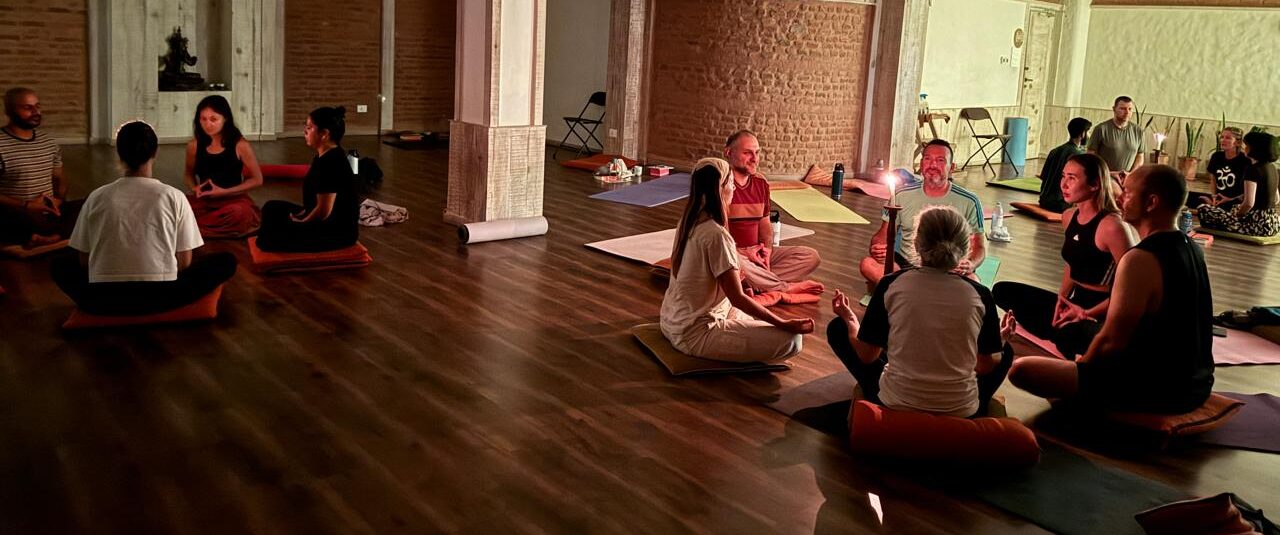
Sound healing training in Nepal, we believe that true healing begins when we create space to listen to ourselves. Our morning practice begins with gentle yoga flow, followed by pranayama and meditation overlooking the beautiful Nagarjun forest, with the shining Himalayas in front of us. Students often share that the combination of conscious breathing, silence, and the peaceful Nagarjun National park surroundings helps them settle into their practice and experience a deeper sense of connection.
Throughout these ten days sound healing training in Nepal, you will explore the ancient wisdom of Kundalini Yoga, the soothing resonance of Himalayan singing bowls, meditation, mantra chanting, and yogic relaxation in a supportive and welcoming environment.
The 10 Days Kundalini Yoga in Nepal and Singing Healing Training at Nepal Yoga Home is an invitation to step away from the noise of everyday life and rediscover the value of stillness, conscious breathing, sound, and mindful awareness.
Through the resonance of Himalayan singing bowls, the traditional wisdom of Kundalini Yoga, the practice of pranayama, the depth of meditation, and the restorative experience of Yoga Nidra, you will explore practical ways to cultivate a more mindful and balanced relationship with yourself.
Whether you are beginning your journey into sound healing or expanding your existing yoga practice, this training offers an opportunity to develop a personal relationship with sound and kundalini by learning practical techniques you can continue using after the course. Come to Sound healing training in Nepal to learn, grow, and recharge in the peaceful surroundings under guidance of Himalayan yogi.
Give yourself ten days to slow down, listen deeply, and experience the journey of inner discovery. Join this meaningful journey into singing bowl healing in Nepal, Kundalini Yoga, meditation, and holistic well-being. This training is an invitation to calm down, discover your inner potential, and take home practical techniques that can support your daily life, personal growth, and journey toward a more balanced and mindful way of living.
About the 10 Days Kundalini Yoga in Nepal and Singing Bowl Healing Training
The 10 Days Kundalini Yogain Nepal and Singing Bowl Healing Training at Nepal Yoga Home combines traditional kundalini yogic practices with the art of Himalayan sound healing. Sound healing training in Nepal is designed for beginners, yoga practitioners, wellness enthusiasts, and anyone interested in learning how to use sound, breath, meditation, and relaxation as tools for self-awareness and personal well-being.
During this immersive training sound healing training in Nepal, you will learn the foundations of singing bowl healing, explore the chakra system, practice Kundalini Yoga in Nepal and breathing techniques, and discover different forms of meditation and mantra chanting. You will also gain hands-on experience playing singing bowls and learn how to structure a sound relaxation session for yourself or others. The course emphasizes both theoretical understanding and practical experience, helping you develop confidence in your personal practice and a foundation for further study in sound healing.
What Will You Learn in This Kundalini and singing bowl Training?
By the end of this Kundalini and singing bowl sound healing training, you will have explored:
- Singing Bowl Healing: Sound, vibration, resonance, bowl-playing techniques, chakra-focused sound practices, and introductory sound healing methods.
- Kundalini Yoga: Kundalini concepts, chakra awareness, yogic kriyas, asanas, breathwork, meditation, and relaxation.
- Meditation: Different meditation practices to cultivate awareness, concentration, calmness, and inner stillness.
- Pranayama: Traditional breathing techniques to support breath awareness, relaxation, and the regulation of energy.
- Mantra Chanting: Sacred sounds, bija mantras, traditional mantras, and the relationship between sound and meditation.
- Yoga Nidra: Guided yogic relaxation techniques for releasing tension and developing deep rest.
What Will You Take Away from the Training?
By completing the training, you will have the opportunity to learn the following:
Understand the foundations of singing bowl sound, vibration, and resonance.
Learn the traditional concepts of Kundalini Yoga and the seven chakras.
Experience mantra chanting and guided Yoga Nidra.
Develop a personal routine for mindfulness, relaxation, and continued learning.
Develop practical skills in playing singing bowls.
Explore introductory sound relaxation and chakra-focused practices.
Practice a range of pranayama techniques and meditation methods.
The training provides a foundation in these practices. It does not replace professional medical or mental health care, and completion should not be interpreted as a clinical qualification
Daily Schedule
The daily schedule combines yoga, pranayama, meditation, singing bowl training, mantra chanting, and relaxation. The exact timetable may vary depending on the day's lessons and practical sessions.
Early Morning
Gentle yoga flow and pranayama.
Guided meditation, breath awareness, and quiet reflection overlooking the natural surroundings.
Afternoon practice
Kundilini kriya practice, Singing bowl theory and practical sound principles, chakra studies and demonstrations.Yoga Nidra, reflection, and silence
Evening practice
Yoga flow and meditation
Be sure schedule could change according to situation, topic, and interest of student, climate and teacher. We will include about 8 hours of singing bowl learning. Every day kundalini practice, breathing, meditation, yoga and relaxation.

Accommodation and Course Investment
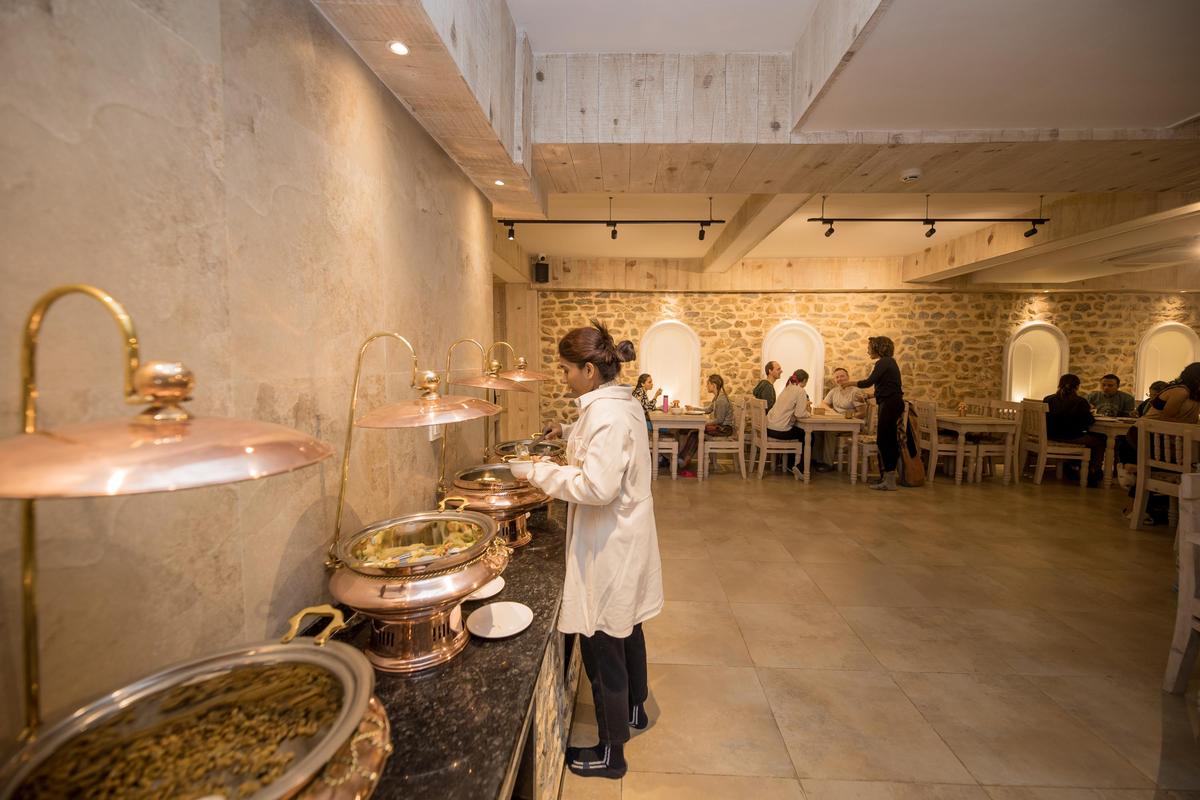
The 10-day training is offered with different accommodation options so participants can choose according to their comfort and preference.
Standard Shared Room-USD 900 per person
Standard Private Room-USD 1100 per person
Deluxe Shared Room-USD 1050 per person
Deluxe Private Room- USD 1250 per person
The course fee includes:
- 10-day training program
- 100-hour Kundalini Yoga
- Singing bowl foundation (level 1st Training)
- Accommodation
- Vegetarian meals
- Herbal tea
The supplied course information lists these four accommodation prices and states that the cost includes the course, food, accommodation, tax and service charge.
Course Syllabus of 100 hours Kindalini yoga and Singing Bowl Training
1. Singing Bowl Healing Training Foundation level (Level 1)
Singing bowl healing training in Nepal is a sound-based relaxation and meditation practice that uses the resonant tones and vibrations of metal singing bowls to create a calming atmosphere for the body and mind. Singing bowls, often called Himalayan singing bowls are traditionally associated with Himalayan cultural and spiritual practices of Nepal.
The tones of singing bowls contain a combination of frequencies that create a distinctive resonant sound. As the sound gradually fades, it can encourage the listener to focus on the present moment, slow down, and become more aware of their breathing and bodily sensations. At Nepal Yoga Home, singing bowl healing is taught as a practice of sound awareness, relaxation, meditation, and holistic well-being. It offers an opportunity to experience stillness through listening and to explore the relationship between sound, the nervous system, attention, and inner awareness.
During a singing bowl session, the sound and rhythm may help the mind shift its attention away from everyday distractions and toward listening, breathing, and relaxation. Sound healing training in Nepal helps to experience a sense of calm, emotional ease, or meditative awareness. In traditional sound healing, singing bowls are also used in chakra-focused practices, where each energy center is explored through sound, intention, visualization, and meditation.
Nepal is a Himalayan country with a rich cultural and spiritual heritage, and singing bowls healing training are closely associated with the broader Himalayan region. Learning singing bowl healing in Nepal Yoga Home offers an opportunity to explore these authentic practices in a setting that encourages reflection, mindfulness, and connection with nature. The Sound healing training in Nepal brings together the traditional understanding of sound and the practical skills needed to play singing bowls with awareness and care.
Singing Bowl Healing Course Details
This foundation-level Sound healing training course introduces the principles, techniques, and traditional concepts of Himalayan singing bowl healing. It combines theoretical learning, guided demonstrations, and practical sessions to help you develop confidence in playing singing bowls and using them in relaxation and meditation.
Course Topics
1. Science of Sound and Vibration
- Science of sound: sound, vibration, and wave principles
- Principles of singing bowl sound and resonance
- Basic elements of music and vibration
- Different dimensions and qualities of singing bowls
- Brainwave frequencies and their effects on the min
2. Spiritual Foundations of Sound
- Ahat Nada and Anahat Nada: external and inner sound
- Significance of the sacred sound AUM
- Brief history of Himalayan singing bowls
- Spiritual and therapeutic significance of singing bowls
3. Chakra System and Kundalini Energy
- Understanding the chakra system
- Chakras and the awakening of Kundalini energy
- Detailed study of each chakra and its functions
- Methods to balance the chakras
- Techniques to purify the chakras
- Methods to activate the chakras
4. Practical Singing Bowl Techniques
- Techniques on how to play the singing bowl
- How to create clear tones, resonance, and sustained sound
- How singing bowls support the relaxation process
- Contraindications and safety considerations
- Other practical applications of singing bowls
5. Singing Bowl Therapies
- Introduction to 10 different types of singing bowl healing therapies
- Basic sound relaxation and meditation techniques
- Chakra-focused sound practices
- Introduction to personal and group sound sessions
During the Sound healing training in Nepal, you will be introduced to different approaches to using singing bowls for sound relaxation, meditation, and chakra-focused practices.
- Singing Bowl Sound Bath: A group or individual relaxation practice in which the listener experiences layers of singing bowl sounds in a peaceful environment.
- Individual Sound Relaxation: A personalized session using singing bowl tones to support calmness, mindful listening, and relaxation.
- Singing Bowl Body Surrounding Practice: Learn how to position bowls around a participant and use sound in a comfortable, consent-based relaxation session.
- Singing Bowl Body Placement Practice: An introduction to the careful placement of bowls on appropriate areas of the body, with attention to comfort and safety.
- Chakra Sound Meditation: Explore sound, visualization, and awareness practices associated with the seven traditional chakras.
- Singing Bowl Mindfulness Meditation: Use the sound of the bowl as an anchor for attention, helping you return to the present moment.
- Kundalini and Singing Bowl Meditation: Combine gentle Kundalini-inspired meditation with singing bowl sounds to support focused awareness and inner reflection.
- Singing Bowl Yoga Nidra: Integrate singing bowl sounds into guided yogic relaxation to create a calming environment for rest and awareness.
- Dual-Bowl and Multiple-Bowl Sound Practice: Explore the interaction of tones and resonance when playing two or more bowls together.
- Group Singing Bowl Relaxation: Learn introductory methods for creating a supportive group sound meditation or relaxation session.
2. Meditation Training
Meditation training in Nepal is a practice of training attention and awareness. It allows you to observe your thoughts, emotions, breathing, and bodily sensations without becoming completely absorbed in them. Through regular practice, meditation can help cultivate calmness, concentration, self-awareness, and a more balanced relationship with everyday experiences.
At Nepal Yoga Home, meditation is an essential part of the 10-day Kundalini Yoga in Nepal and Singing Bowl Healing Training. You will explore a variety of meditation techniques, from simple breathing awareness to mantra, chakra, and Kundalini-inspired meditation. Sound healing training in Nepal, each practice offers a different way to turn your attention inward and develop a deeper understanding of yourself.
Types of Meditation You Will Learn
Through regular meditation practice, you can develop greater awareness of your thoughts and emotions, cultivate concentration and present-moment attention, support relaxation and stress management, and build a more mindful relationship with everyday challenges. Meditation also offers an opportunity to explore inner stillness, deepen self-reflection, and nurture spiritual awareness. You will learn various types of meditation during kundalini and sound healing training in Nepal
- Breathing Meditation: Learn to observe the natural flow of inhalation and exhalation. This simple practice helps develop concentration, awareness, and a calmer relationship with the breath.
- Kundalini Meditation: Learn traditional meditation methods involving breath, mantra, concentration, and awareness of subtle energy, approached gradually and with appropriate guidance.
- Chakra Meditation: Focus attention on the seven traditional chakras through visualization, breath awareness, and meditation to cultivate a sense of balance and inner connection.
- Here-and-Now Meditation: Practice bringing your attention to the present moment through awareness of the senses, breath, sounds, and bodily sensations rather than dwelling on the past or future.
- Self-Centered Meditation: Explore inner awareness by observing your thoughts, emotions, and personal experiences with curiosity and kindness. The purpose is to understand yourself more deeply, not to become self-absorbed.
- Cosmic Meditation: A contemplative practice using awareness of the vastness of the universe to reflect on interconnectedness, spaciousness, and your relationship with the world around you.
- Blissful Meditation: Explore gentle awareness of peace, gratitude, and positive inner experiences through relaxation, breath, and meditation.
- Mantra Meditation: Use the repetition of sacred or contemplative sounds and phrases to steady attention, deepen concentration, and create a meditative rhythm.
3. Kundalini Yoga Training
In traditional yogic philosophy, Kundalini is described as a subtle spiritual energy that lies dormant at the base of the spine. Kundalini Yoga uses a combination of physical postures, breathing techniques, meditation, mantra, and focused awareness to explore this inner energy and support spiritual development. The traditional chakra system describes seven principal energy centers along the body's central axis. Each chakra is associated with different symbolic, emotional, and spiritual qualities. Through Kundalini-inspired practices, practitioners explore these energy centers and cultivate greater awareness of their body, breath, mind, and inner experience.
At Nepal Yoga Home, Kundalini Yoga is taught as a gradual and mindful practice. The goal is to develop a stable foundation through movement, breath, relaxation, and meditation rather than forcing intense experiences or attempting to awaken Kundalini energy suddenly. Kundalini awakening is a traditional spiritual concept so need to believe and continue practice. Kundalini Yoga in Nepal brings together several complementary practices that encourage you to explore the connection between body, breath, mind, and awareness. Regular practice may help you:
- Explore traditional chakra and subtle-energy concepts.
- Balance energy flow
- Develop body awareness, flexibility, and physical coordination.
- Cultivate concentration and mindful breathing.
- Support relaxation and emotional self-awareness.
- Develop a consistent meditation and self-reflection practice.
- Build a personal routine for inner growth and well-being.
What Will You Learn in Kundalini Yoga?
Each day includes guided Kundalini-inspired kriyas and yoga practice. You will gradually explore the main components of traditional Kundalini Yoga and learn how to integrate them into a balanced personal practice. You will learn traditional yoga philosophy chakras and subtle energy centers associated with different aspects of awareness and spiritual development. During the course, you will explore the following seven chakras through meditation, visualization, breathing, and sound practices.
- Muladhara Chakra – Root Chakra locates base of the spine associated with grounding, stability, security, and connection to the earth.
- Svadhisthana Chakra – Sacral Chakra locates lower abdomen associated with creativity, emotional expression, pleasure, and adaptability.
- Manipura Chakra – Solar Plexus Chakra locates upper abdomen associated with confidence, willpower, motivation, and personal transformation.
- Anahata Chakra – Heart Chakra locates center of the chest associated with love, compassion, connection, and emotional openness.
- Vishuddha Chakra – Throat Chakra locates throat associated with communication, self-expression, and truthful speech.
- Ajna Chakra – Third Eye Chakra locates between the eyebrows
- Associated with intuition, insight, concentration, and inner awareness.
- Sahasrara Chakra – Crown Chakra locates crown of the head associated with spiritual awareness, transcendence, and the experience of interconnectedness.
Learn structured sequences that combine movement, breath, concentration, and sometimes mantra. Kriyas are practiced mindfully to develop awareness and support a consistent yoga routine.
Practice physical postures that develop flexibility, stability, posture, and body awareness. Learn how to adapt postures to your individual ability and comfort.
Explore conscious breathing techniques to cultivate breath awareness, support relaxation, and prepare the mind for meditation. Traditional yogic philosophy describes pranayama as a practice of working with prana, or vital energy.
Learn guided relaxation practices that help release physical tension and cultivate a calm, receptive state after yoga and breathing exercises.
Practice traditional sounds and mantras as a way to steady attention, deepen meditation, and explore the spiritual dimension of yoga.
Kundalini Meditation: Develop inner awareness through focused attention, breath observation, visualization, and meditation techniques rooted in traditional yogic practice.
4. Pranayama – The Science of Breathing
The Sanskrit word Pranayama is commonly understood as the regulation or expansion of prana, the vital life force described in traditional yoga philosophy. Pranayama is a collection of breathing practices that involve observing, guiding, and sometimes regulating the breath through specific techniques.
Breathing is one of the few bodily functions that can be both automatic and consciously controlled. Through gentle, mindful breathing, we can develop greater awareness of our physical and mental state. Certain slow breathing practices may support relaxation and help regulate the body's stress response, while other techniques are more stimulating and require appropriate guidance.
At Nepal Yoga Home, pranayama is an essential part of the Kundalini Yoga in Nepal and Singing Bowl Healing Training. You will learn how to practice different breathing techniques safely, understand their traditional purposes, and develop a practical breathing routine that you can use in your daily life.
Regular and appropriate pranayama practice can help you become more aware of your breathing during stressful or demanding situations, offering a simple way to pause, reconnect with the present moment, and respond more mindfully. Gentle pranayama may support relaxation and stress management, improve present-moment awareness, develop concentration and mindfulness, establish a calming routine before meditation or sleep, improve breath control, reduce overthinking, and create a practical self-care practice that supports inner balance and well-being.
In traditional yogic philosophy, the body is described as having subtle energy channels called nadis. Two commonly discussed channels are Ida and Pingala, which are associated with lunar and solar qualities, respectively. The central channel is known as Sushumna. Practices such as Nadi Shodhana and other forms of pranayama are traditionally used to cultivate balance and prepare the practitioner for meditation and Kundalini-related practices.
The idea that pranayama physically cleanses subtle energy channels or directly awakens Kundalini is part of traditional yogic philosophy rather than a scientifically established physiological mechanism. In practice, mindful breathing can help you become more aware of your body and mental state while developing a foundation for meditation.
The following breathing techniques are included in the training curriculum. The course introduces traditional methods, their purposes, and appropriate ways to practice them.
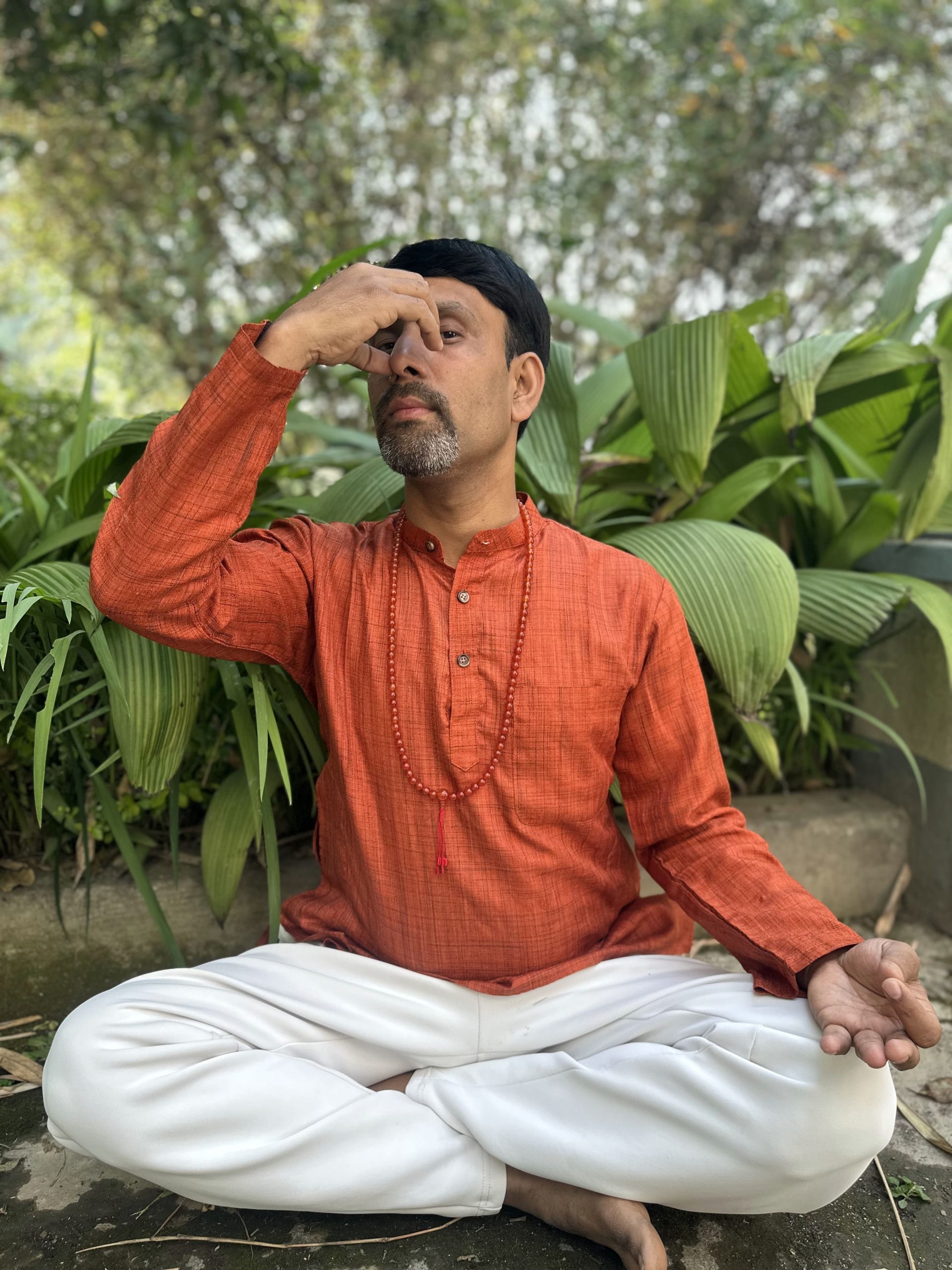
- Nadi Shodhana Pranayama : Alternate-nostril breathing traditionally associated with balancing the flow of prana and preparing the mind for meditation. It is practiced through gentle, controlled breathing.
- Anulom Vilom Pranayama: A form of alternate-nostril breathing commonly practiced to cultivate calmness, attention, and balanced breathing. The precise technique may vary among yoga traditions.
- Bhastrika Pranayama: Known as bellows breathing, this traditional technique involves active inhalation and exhalation. It can be stimulating and should be practiced gently under appropriate guidance.
- Kapalabhati Pranayama: A traditional cleansing technique characterized by active, rhythmic exhalations and passive inhalations. It is taught with attention to technique, comfort, and individual suitability.
- Bhramari Pranayama: The humming-bee breath, in which a gentle humming sound is produced during exhalation. It can support focused listening and a relaxed breathing rhythm.
- Ujjayi Pranayama: A breathing technique with a soft, controlled sound created by gently narrowing the throat. It is often used during yoga practice to develop breath awareness and concentration.
- Surya Bhedana Pranayama: A traditional right-nostril breathing practice associated with solar energy and warmth in yogic philosophy.
- Chandra Bhedana Pranayama: A traditional left-nostril breathing practice associated with lunar energy and cooling qualities in yogic philosophy.
- Sheetali Pranayama: A traditional cooling breath practiced by drawing air through a rolled tongue, followed by a gentle exhalation through the nose.
- Sheetkari Pranayama: A cooling breathing practice in which air is drawn through gently closed teeth and released through the nose.
- Sama Vritti Pranayama: Equal breathing, in which inhalation and exhalation are practiced for equal durations. It is a simple technique for developing steady, mindful breathing.
- Vishama Vritti Pranayama: Unequal breathing, in which the inhalation and exhalation are practiced at different durations. It is introduced gradually according to the practitioner's comfort and ability.
5. Mantra Chanting and Sound Meditation
What Is Mantra?
A mantra is a sacred sound, syllable, word, or phrase repeated during meditation, prayer, or spiritual practice. The Sanskrit word mantra is traditionally understood as a tool of the mind, and mantras are used in several spiritual traditions to cultivate concentration, devotion, inner awareness, and contemplation.
In yoga and sound meditation, mantra chanting brings together sound, breath, rhythm, and attention. Repeating a mantra can provide a steady focus for the mind and help create a sense of calm and continuity during meditation. Some mantras consist of a single syllable, such as OM, while others are longer prayers or sacred phrases with specific meanings and spiritual associations.
At Nepal Yoga Home, mantra chanting is introduced as an important part of the relationship between sound, meditation, and inner awareness. Traditional yogic philosophy views sound as a subtle expression of energy, and mantras are used to explore the connection between vibration, consciousness, and spiritual practice.
During the training, you will learn how to chant selected mantras with awareness of pronunciation, breathing, rhythm, and intention. You will also explore how mantra repetition can be combined with singing bowl meditation, chakra visualization, and Kundalini-inspired practices. Mantra chanting may support relaxation and focused attention, but it is not a medical treatment for stress, illness, or energy blockages.
Mantras You Will Learn
- Kundalini Mantra: Explore traditional mantras used in Kundalini-related practices to develop concentration, inner awareness, and a sense of connection with the spiritual aspects of yoga.
- Bija Mantra: Bija mantras are seed syllables associated with particular spiritual and meditative practices. You will explore traditional chakra-associated seed sounds such as Lam, Vam, Ram, Yam, Ham, and Om.
- Om Namah Shivaya: A traditional Sanskrit mantra associated with devotion to Shiva, often used for contemplation, reverence, and inner reflection.
- Om Namo Narayanaya: A devotional mantra honoring Narayana, traditionally associated with devotion, surrender, and spiritual contemplation.
- Om Mani Padme Hum: A well-known Buddhist mantra associated with compassion and the path of awakening. It is widely recited in Tibetan Buddhist traditions.
- So Hum: A contemplative mantra commonly interpreted as “I am That.” It is often practiced in coordination with the natural rhythm of inhalation and exhalation.
- Gayatri Mantra: A revered Vedic mantra traditionally associated with illumination, wisdom, and contemplation of the divine light.
- Maha Mrityunjaya Mantra: A traditional Vedic mantra associated with Shiva, prayer for well-being, and contemplation of spiritual liberation.
- Om Shanti Mantra: A peace-oriented mantra in which Shanti means peace. It is often recited to cultivate a sense of calmness and harmony.
- Lokah Samastah Sukhino Bhavantu: A traditional Sanskrit prayer expressing the wish that all beings everywhere may be happy and free.
- Om Gam Ganapataye Namaha: A devotional mantra honoring Ganesha, traditionally associated with auspicious beginnings and the overcoming of obstacles.
- Asato Ma Sad Gamaya: A traditional prayer from the Brihadaranyaka Upanishad, expressing the aspiration to move from untruth to truth, darkness to light, and mortality toward immortality.
6. Yogic Relaxation – Yoga Nidra
What Is Yoga Nidra?
Yoga Nidra is a guided yogic relaxation practice often described as “yogic sleep.” It is usually practiced lying comfortably on the back in a relaxed position, while a teacher guides the practitioner through different stages of awareness.
During Yoga Nidra, you may be guided to observe your breathing, move your attention through different parts of the body, notice sensations, and develop awareness of your inner experience. Unlike ordinary sleep, the practice encourages a relaxed state in which you remain aware of the teacher's guidance while allowing the body to rest.
At Nepal Yoga Home, Yoga Nidra is an important part of the 10-day Kundalini Yoga Training in Nepal and Singing Bowl Healing Training. It offers time to slow down, release unnecessary tension, and integrate the physical and mental experiences of yoga, pranayama, meditation, and sound practice.
Yoga Nidra creates an opportunity to step away from daily demands and enter a guided period of rest. By combining comfortable positioning, breath awareness, and systematic attention to the body, it can help you notice and gradually release areas of tension. A regular Yoga Nidra practice may support:
- Relaxation after a physically or mentally demanding day.
- Greater awareness of bodily sensations and breathing.
- A calmer transition into rest.
- Stress management and mindful self-care.
- Improved ability to pause and recognize signs of tension.
- A deeper understanding of the relationship between body, mind, and awareness.
Yoga Nidra is a relaxation and meditation practice, not a substitute for medical or psychological treatment.
What Will You Learn in Yoga Nidra Training?
- Preparation and Comfortable Relaxation
Learn how to prepare the body for guided relaxation through a comfortable posture, gentle adjustments, and a peaceful environment.
- Body Awareness and Rotation of Consciousness
Explore systematic attention to different body parts to develop awareness of physical sensations and encourage relaxation.
- Breath Awareness
Learn to observe the natural rhythm of breathing without forcing or controlling it, helping you settle into a relaxed state.
- Visualization and Inner Awareness
Explore guided imagery and contemplative awareness as part of the traditional Yoga Nidra process.
- Singing Bowl-Assisted Relaxation
Experience how gentle singing bowl sounds can be incorporated into a relaxation session to support mindful listening and a peaceful atmosphere.
Yoga Nidra in Nepal: Learning Relaxation in the Himalayas
Practicing Yoga Nidra at Nepal Yoga Home offers an opportunity to experience guided relaxation in a peaceful Himalayan environment. Away from the noise and demands of daily life, you can give yourself time to rest, listen, and reconnect with your inner experience.
The combination of yoga, pranayama, meditation, and Yoga Nidra creates a balanced approach to relaxation and self-awareness. The natural surroundings of the forest and the Himalayan landscape provide a supportive setting for quiet reflection, while the guided practice helps you learn techniques that can be continued at home.
You do not need a special room or complicated equipment to practice basic relaxation at home. A quiet space, a comfortable position, and a few minutes of mindful attention can be a useful starting point.
Frequently Asked Questions
- What is the duration of the training?
The course is a 10-day immersive training combining singing bowl healing, Kundalini Yoga, pranayama, meditation, mantra chanting, and Yoga Nidra.
- Do I need prior experience to join?
No. The foundation-level training is designed to introduce beginners to the essential concepts and practices.
- What is singing bowl healing?
Singing bowl healing is a sound-based relaxation and meditation practice using resonant singing bowl tones. It is commonly used to support mindful listening, relaxation, and spiritual reflection.
- What is Kundalini Yoga?
Kundalini Yoga is a traditional yogic approach combining movement, breathing, meditation, mantra, and awareness of subtle energy.
- Will I learn how to conduct a singing bowl session?
The course introduces practical bowl-playing skills and basic methods for creating sound relaxation sessions. Further professional practice may require additional training and experience.
- How many pranayama techniques will I learn?
The curriculum includes 12 major pranayama techniques and additional breathing and yogic cleansing practices.
- Can I use these techniques in my daily life?
Yes. You will learn simple breathing, meditation, relaxation, and sound practices that can be adapted for regular personal use, according to your comfort and ability.
Begin Your Inner Journey with Nepal Yoga Home