500-Hour Yoga Teacher Training in Nepal with Everest Base Camp Trekking
Welcome to the advanced yoga training 500 hours & Everest Adventure!
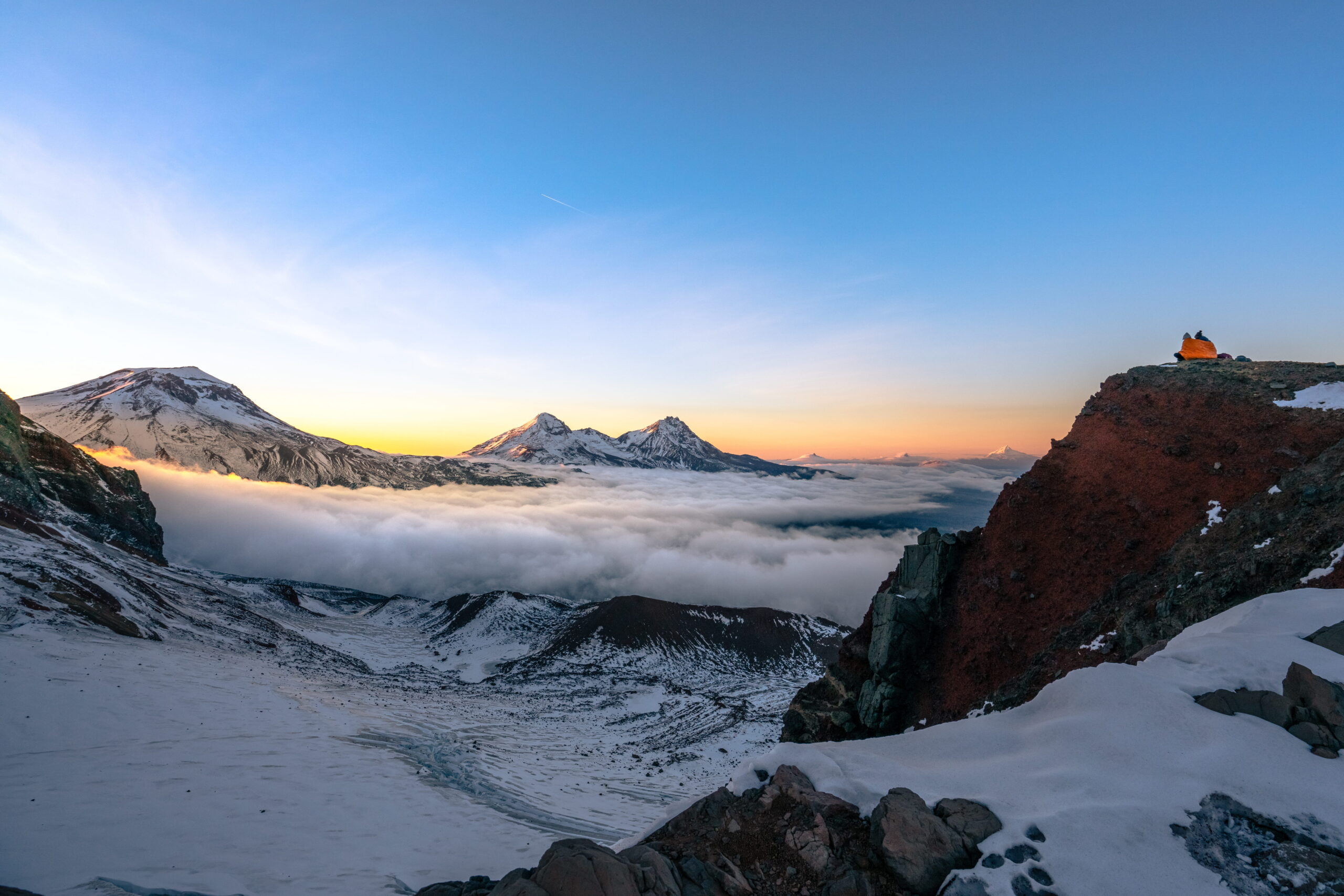
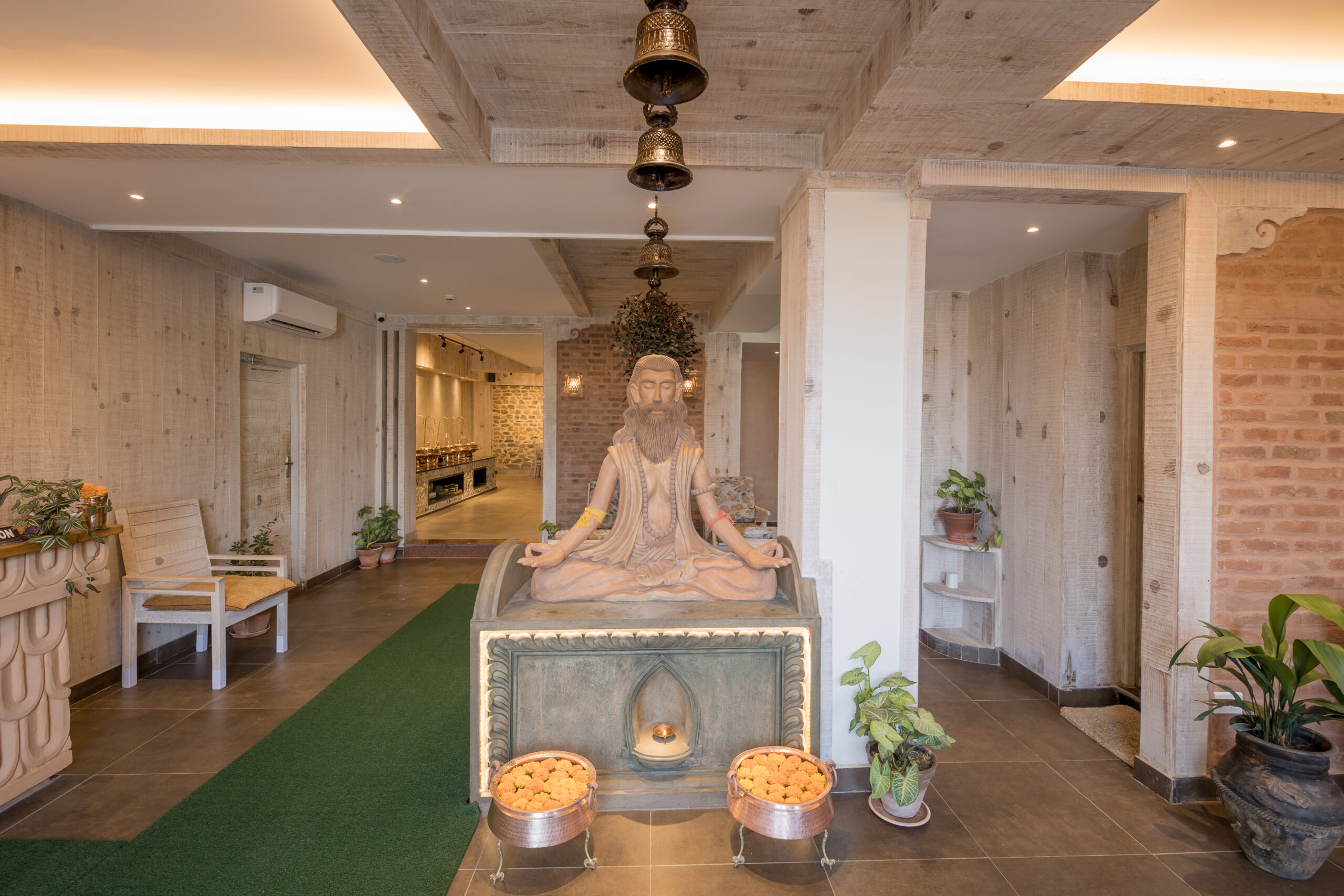
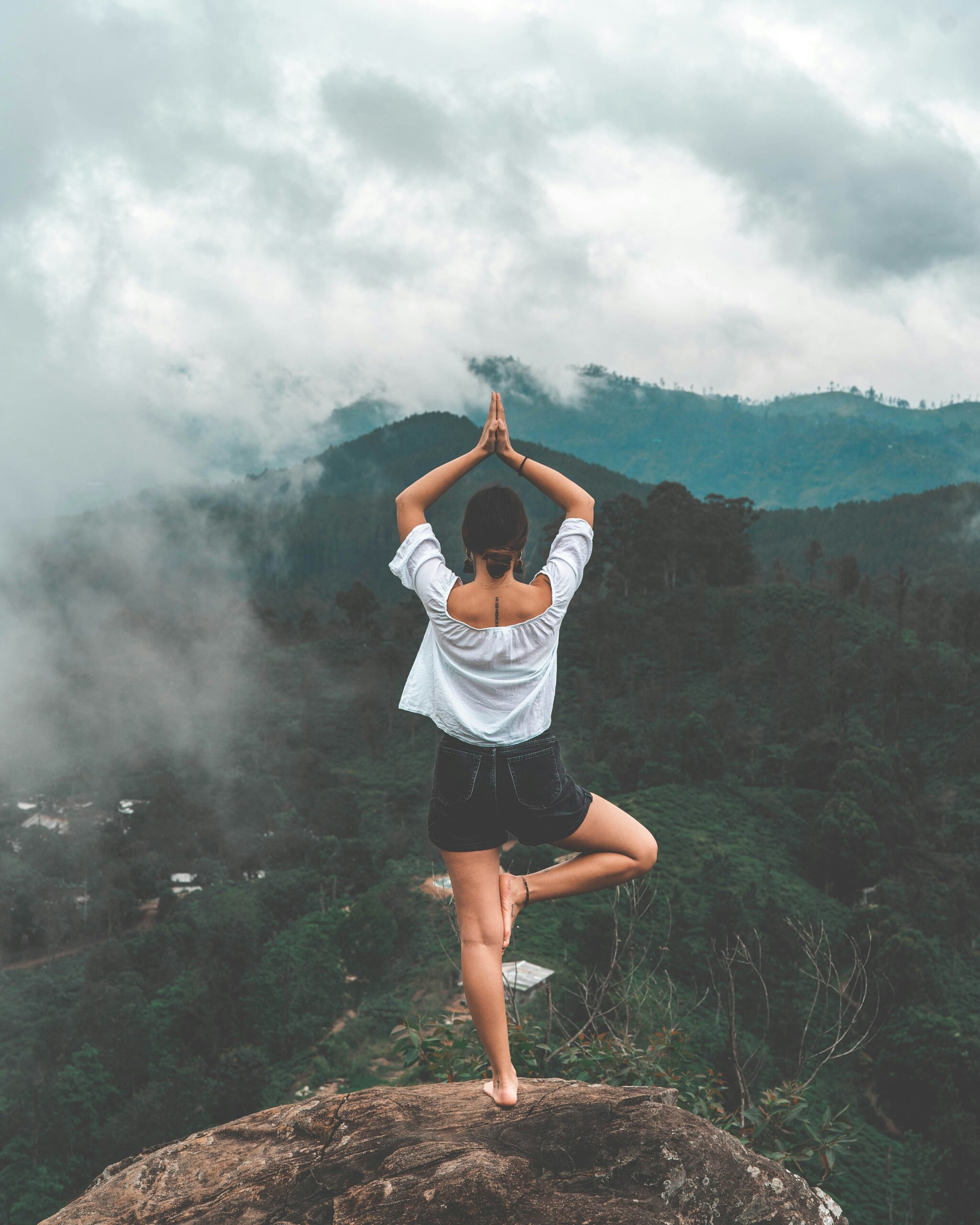
Some people want to go deeper into yoga. Others want to stand beneath the world's highest mountain. This program lets you do both in one journey. Our yoga training with trek begins with a 500 hour yoga teacher training in Nepal at Nepal Yoga Home in Kathmandu. After the course, you head to the Everest region for a trek toward Everest Base Camp.
It is a path for serious students. You first build a strong base in asana, breath, meditation and teaching. Then you carry that calm into the high Himalaya. This yoga training with Everest Base Camp trek is a long program, and the trek is a regular trek led by a trekking guide. Yoga classes happen during the training part, not on the trail.
Imagine beginning your journey in the spiritual heart of Nepal, Kathmandu, where ancient yogic wisdom meets the peaceful energy of the Himalayas. Join our 500-Hour Advanced Yoga Teacher Training and immerse yourself in the transformative practices of yoga, meditation, pranayama, mantra chanting, and traditional yogic philosophy. Deepen your understanding of yourself, expand your teaching skills, and discover new dimensions of inner awareness under the guidance of experienced yoga teachers. But your journey does not end on the yoga mat!
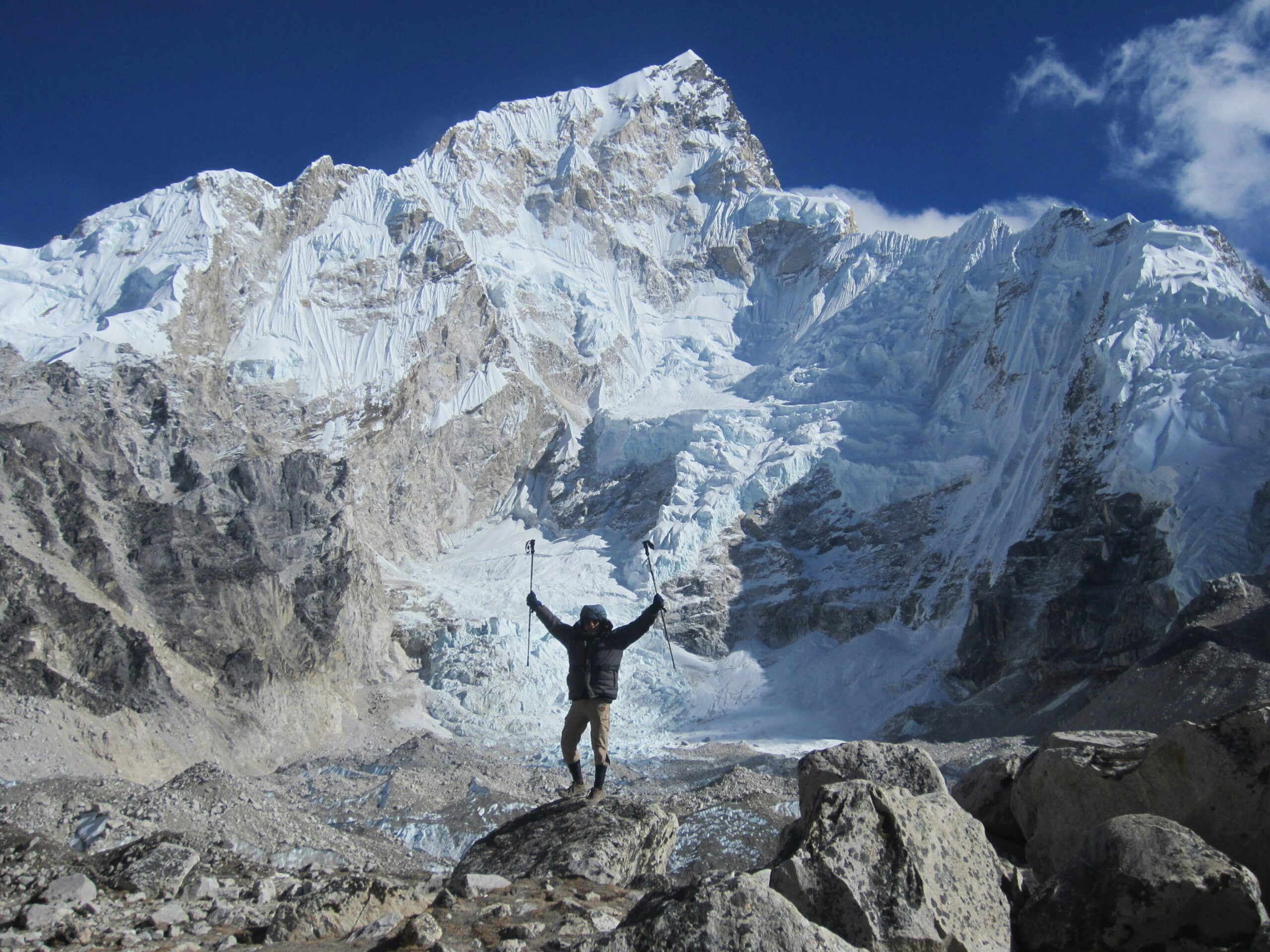
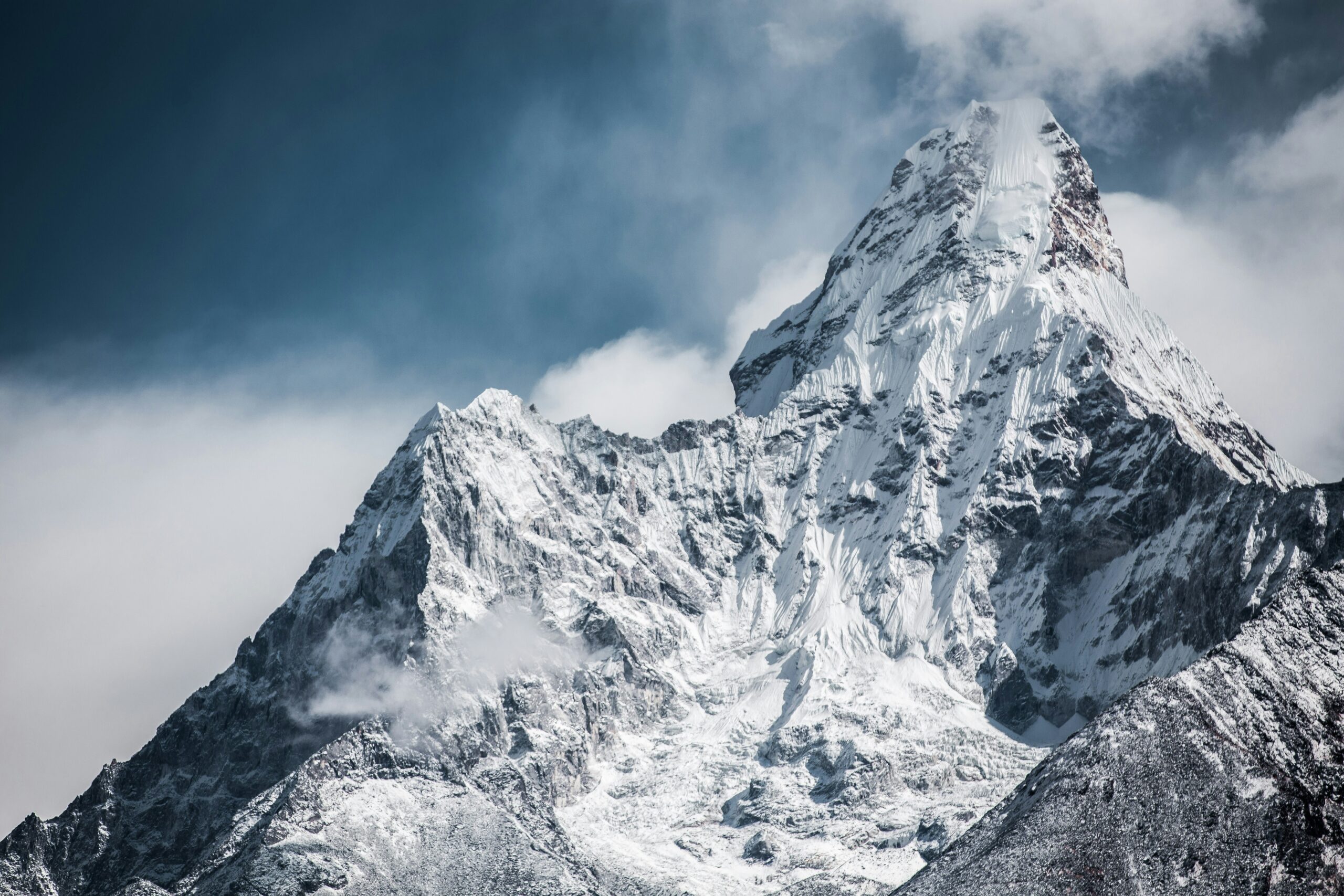
After completing your training, take your adventure beyond the classroom and set out on an unforgettable trek through the magnificent Mount Everest region. Walk through breathtaking mountain landscapes, explore traditional Sherpa villages, experience Himalayan culture, and witness the extraordinary beauty of the world's highest mountain. This is more than a yoga certification or a trekking holiday-it is a journey that combines inner transformation, advanced yogic learning, physical adventure, and spiritual exploration.
Package at a Glance
| Detail | Information |
| Package | 500-hour yoga teacher training with Everest Base Camp trek |
| Part 1 | 29 days 500-hour advanced yoga teacher training at the yoga school in Kathmandu |
| Part 2 | Everest Base Camp trek with a trekking guide |
| Yoga focus | Asana, meditation, pranayama, philosophy, relaxation, detox, alignment and teaching skills |
| Certification | Yoga Alliance certified 500-hour yoga teacher training |
| Dates | Every 1st of the month |
| Cost | Shared when you contact our team |
Why Choose Yoga with Trekking?
Yoga with trekking is a natural pair. Both teach you to breathe well, stay patient and take one step at a time.
A long yoga training with trek asks a lot from your mind. A trek then gives that mind room to open and rest.
Here is what many students enjoy about this plan:
- A strong body for the trail: Weeks of daily practice build balance, steady breathing and good leg strength.
- A calm mind for high places: Meditation helps you stay relaxed when the walk becomes tiring.
- A clear journey: First study, then adventure, with the arrangement made by one team.
- A deeper reward: You finish a major certificate and then see Mount Everest country with your own eyes.
- A story to share: Few teachers can say they trained at 500 hours and walked to Everest Base Camp.
If you want a yoga and trekking retreat Nepal travellers talk about for years, this yoga training with trek is for you. It is a yoga trekking package Nepal students can plan with one team.
How the Package Works
The package has two parts. You complete them in order, and each part has its own pace and purpose.
Part One: 500-Hour Yoga Teacher Training
The first part of this yoga teacher training with Everest Base Camp trek is our 500-hour advanced yoga teacher training. You live at the yoga school and follow the full course with the other students.
Your days include practice, study, meditation and teaching. This is the main part of the package, and it prepares you for the trek. It is also what makes this yoga training with trek different from a simple holiday walk.
Part Two: Everest Base Camp Trek
After the course, you begin your trek toward Everest Base Camp. A trekking guide walks with you throughout.
There is no yoga teacher on the trail. You are welcome to use your own stretches, breath work and meditation each day.
500-Hour Yoga Course in Nepal: What You Will Study
This 500 hour yoga course Nepal students choose is for students who want to teach with depth. It goes beyond basic poses and builds skill in every part of yoga.
| Subject | What you learn |
| Yoga Asana | Strong, safe form in classic poses and advanced variations |
| Hatha and Ashtanga | Traditional Hatha practice and flowing Ashtanga Vinyasa sequences |
| Pranayama | Breath control methods, from simple to advanced |
| Meditation | Several methods for steady focus and inner quiet |
| Relaxation | Guided rest and yoga nidra style practice |
| Yoga philosophy | Patanjali, the eight limbs and the ideas behind each practice |
| Detox | Yogic cleansing methods and light, healthy living |
| Chanting, mudra and bandha | Mantras, hand seals and subtle body locks |
| Teaching skills | Class planning, clear cues, adjustments and leading groups |
You can read more about our styles on the pages for Hatha yoga, Ashtanga Vinyasa and yogic detox.
You will learn Good alignment protects the body and strengthens the pose. You learn to place the feet, hips and spine with care. You also learn how to see and correct alignment in others. This is a key skill for every teacher. Daily meditation is a core part of the course. You try different styles and find which ones suit you best. You also learn to guide others into deep rest. Many students say this becomes their favorite part of teaching.
Philosophy gives meaning to every pose. You study the eight limbs of Ashtanga yoga and learn how to live these ideas, not only read them. Topics such as food, rest and mindful habits connect the classroom to real life. Pranayama, mantra chanting and cleansing methods such as Shatkarma clean and calm the body and mind. They also train the breath you will need on the mountain trail. As an advanced yoga teacher training Nepal course, this program puts strong focus on teaching. You do not only learn yoga. You learn how to share it.
- Study the pose, its alignment and its purpose.
- Practice clear, simple cues.
- Teach classmates in small groups.
- Receive kind and honest feedback.
- Lead longer classes with growing confidence.
By the end, you can plan a class, hold a calm space and adapt your teaching to different students.
Certification: Yoga Alliance Certified 500-Hour YTT in Nepal
Our course is a Yoga Alliance certified 500 hour YTT Nepal students can trust, as shown on our certification page. When you complete the training, you receive your yoga teacher certificate.
The trek is a separate adventure after the course. It is not counted as part of the certified training hours.
Why Choose a 500 Hour Yoga Teacher Training in Nepal?
A 500 hour yoga teacher training in Nepal gives you time to go deep. Many teachers stop at 200 hours, but the longer path lets you refine your practice, your voice and your understanding.
Here you study in a quiet school in Kathmandu, with simple routines and few distractions. The setting helps you focus on yoga, rather than on city noise or busy schedules.
- More depth: Each subject gets more time, so you understand it, not just repeat it.
- More teaching practice: You teach often, and you learn from steady feedback.
- More stillness: Longer meditation and relaxation sessions train a calm, clear mind.
- More confidence: Strong practice and clear knowledge help you lead classes well.
You can also learn about our wider range of courses on the yoga teacher training page, if you want to compare levels.


The 500-Hour Curriculum in More Detail
Asana Practice
The course moves from basic to advanced poses. You work on balance, strength, open hips and long holds, always with careful alignment. You practice both slow Hatha sequences and flowing Ashtanga Vinyasa. Also, you will follow the text book of Iyengar yoga.
This gives you range as a teacher and a steady personal routine. The Asana Practice in our 500-Hour Advanced Yoga Teacher Training focuses on deepening your understanding of traditional Hatha Yoga and advanced postures. Students explore alignment, anatomy, strength, flexibility, balance, inversions, and advanced asana variations.
Special attention is given to safe practice, hands-on adjustments, modifications, basic therapeutic applications, and sequencing.
Pranayama Beyond the physical practice
You start with simple breath awareness and move toward longer, more refined methods. Each step is taught slowly and with care. Good breath control helps your practice, your teaching and your trekking. Many students say it is the skill they use most in daily life.
Explore the deeper dimensions of pranayama through advanced breathing techniques, breath awareness, and traditional yogic practices. Students study the relationship between breath, prana, and the mind, while practising techniques such as Nadi Shodhana, Bhastrika, Kapalabhati, Ujjayi, Bhramari, and different forms of Kumbhaka.
Traditional pranayama philosophy, precautions, and teaching methodology, helping students develop a deeper personal practice and the confidence to guide advanced breathing sessions safely and effectively.
Meditation and Inner Work
Meditation sessions grow longer as the course goes on. You try breath focus, mantra, mindfulness and quiet sitting. You also learn how to lead others in meditation.
The 500-Hour Advanced Yoga Teacher Training explores meditation beyond basic techniques, focusing on deeper awareness, concentration, mindfulness, and inner stillness. Students practise advanced meditation methods, including mantra meditation, Trataka, chakra meditation, mindfulness, Yoga Nidra, and silent meditation.
The training also explores traditional meditation philosophy, the relationship between mind and consciousness, and techniques for overcoming mental distractions. Through regular practice and teaching methodology, students develop deeper self-awareness and the confidence to guide others towards mental clarity, emotional balance, and inner peace.
Yoga Philosophy and Study
Philosophy is more than reading old words. You will learn concept of yoga discipline, ethics and self-study. Group talks and quiet reflection help these ideas settle. You begin to see how they shape the way you teach and live.
The 500-Hour Advanced Yoga Teacher Training offers an in-depth study of traditional yogic philosophy and its practical application in daily life. Students explore Patanjali's Yoga Sutras, the eight limbs of Ashtanga Yoga, Bhagavad Gita, Samkhya philosophy, the nature of consciousness, mind, karma, and the path of self-realization.
Special attention is given to advanced concepts of meditation, the Gunas, Kleshas, and the relationship between Prakriti and Purusha. Through philosophical discussions, self-reflection, and practical application, students develop a deeper understanding of yoga as a holistic way of life and learn to integrate its timeless wisdom into their personal practice and teaching.
Relaxation and Detox Practices
Rest is part of training, not a break from it. You learn deep relaxation methods, including yoga nidra style practice. Explore advanced yogic relaxation and traditional cleansing practices designed to support physical well-being, mental clarity, and inner balance.
Shatkarma (six yogic cleansing practices), and selected detox methods, including their traditional purposes, benefits, precautions, and contraindications.
The training also covers connections between relaxation, breath, and the nervous system, helping students develop a deeper personal practice and the skills to guide others safely and mindfully.
Cleansing practices and light, sattvic food help the body feel clean and clear. Many students say they sleep better and think more clearly as the weeks pass.
Chanting, Mudra and Bandha – Awakening Inner Awareness
Explore the deeper dimensions of traditional yogic practices through mantra chanting, sacred sounds, hand gestures (Mudras), and energetic locks (Bandhas). Students learn traditional Sanskrit mantras, pronunciation, meaning, and the role of chanting in concentration and meditation.
The training includes advanced Mudras and major Bandhas such as Mula Bandha, Uddiyana Bandha, and Jalandhara Bandha, with their techniques, purposes, precautions, and applications in pranayama and meditation.
Through practical experience and philosophical understanding, students develop greater body awareness, concentration, and confidence to integrate these practices into their personal practice and advanced yoga teaching.
How the Training Grows Over Time
A long course needs a clear shape. The table below shows the general flow. The exact order may change with the group, so please treat it as a guide.
| Stage | Main focus |
| Early stage | Settling in, daily routine, foundations of Hatha, simple breath work and first meditation sessions |
| Middle stage | Deeper alignment, Ashtanga flow, longer meditation, philosophy study, chanting and cleansing |
| Teaching stage | Class design, cues, hands-on guidance, group teaching and feedback |
| Final stage | Review, assessment, personal practice plan and graduation |
Each stage builds on the one before it. By the end, you are not only practicing yoga. You are ready to share it.
Teaching Skills You Will Build
Teaching is a craft, and it grows with repetition. In this course, you practice it from your first weeks.
- Plan a safe, balanced class from start to finish
- Use clear, simple words to explain each pose
- Guide breath work and meditation with a calm voice
- Offer kind feedback and gentle adjustments
- Adapt a class for beginners and more advanced students
- Hold a respectful, welcoming space for everyone
These skills help whether you teach in a studio, a retreat or your own home.
Daily Discipline and School Life
A good yoga course is more than a set of classes. It is also a way of living for a few weeks.
You rise early, eat simple food and keep a steady rhythm. Evenings are quiet, and silence is kept at night so the mind can rest.
This routine may feel strict at first. Most students find that it becomes a comfort within a week or two, and that it supports both study and sleep.
From Training to Trail: The Transition
After your final class and graduation, you shift from study to adventure. This change matters, so we encourage you to prepare for it.
- Finish the course and complete your final practice.
- Check your trekking gear, medicines and insurance.
- Meet your trekking guide and go over the plan.
- Begin the journey toward the Everest region.
Take a little rest between the two parts if you can. A rested body walks much better than a tired one.
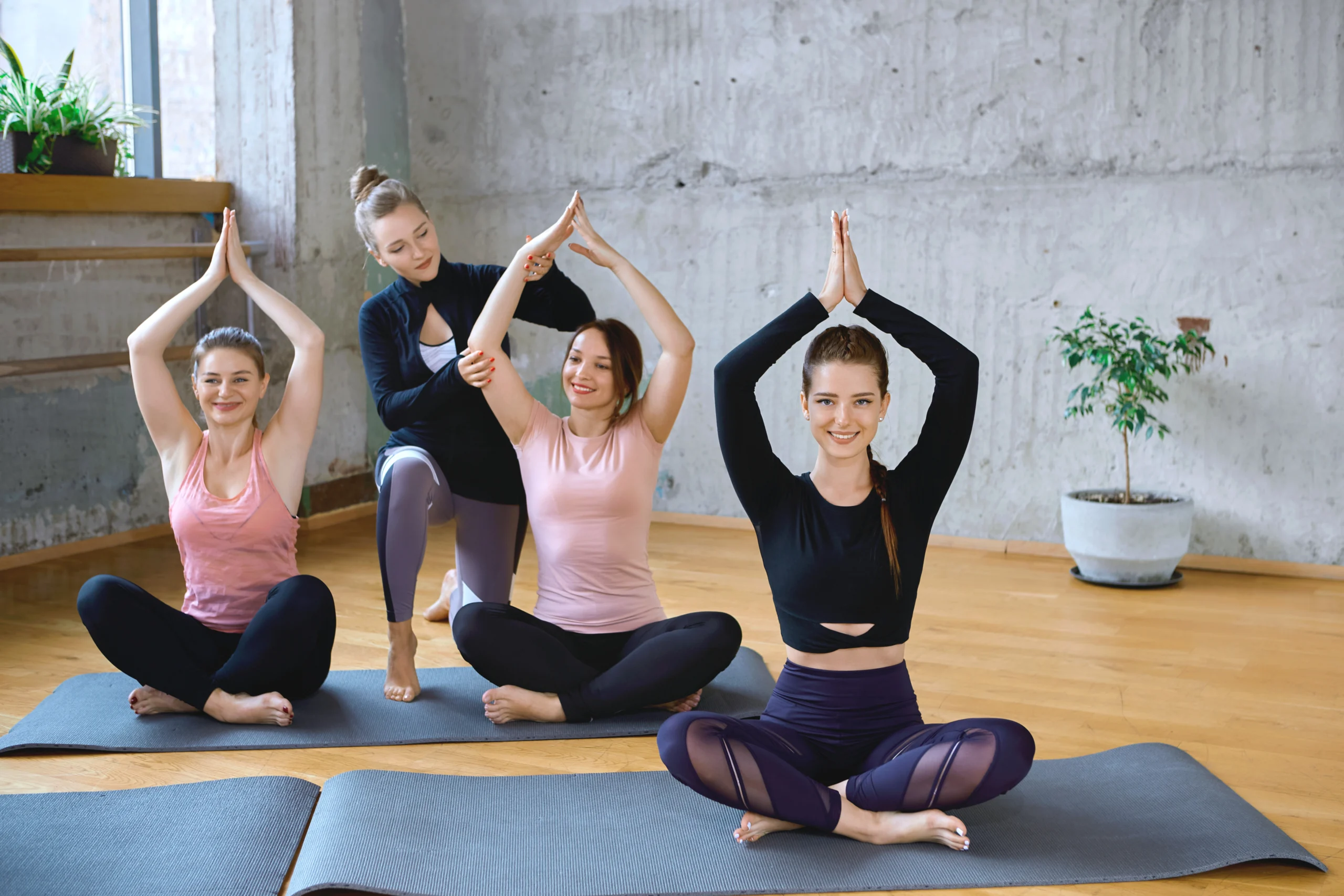
Everest Base Camp Yoga Trek: Daily Rhythm on the Trail
Trek days often follow a simple pattern. You rise early, have breakfast, walk for several hours, rest at a teahouse and have dinner.
Your guide may adjust the day to suit the weather and the group. Short rest breaks, steady water and slow walking keep the body strong.
| Time of day | What usually happens |
| Early morning | Wake up, light stretches, breath work and breakfast |
| Morning | Walking with your guide through villages and mountain paths |
| Midday | Rest stop and a simple meal on the trail |
| Afternoon | More walking, or arrival at the next teahouse |
| Evening | Dinner, rest, light relaxation and early sleep |
This is only a general idea. The real plan depends on your guide, the group and the trail.
Why Combine Yoga Teacher Certification with Trekking?
Yoga teacher certification with trekking turns one trip into a complete journey. You earn a professional qualification and gain an experience few courses can offer.
The trek also gives you time to let the course settle. Many students say the long walks help them think about how they want to teach.
If you would like a smaller trek first, you can compare our Annapurna yoga trek option. For other travel ideas, see our yoga tour in Nepal page.
What Students Take Home
By the end of this program, you carry more than a certificate. You have a daily practice, a teaching skill and a memory of the Himalaya.
Many students return home with steadier breath, better habits and a clearer mind. Some begin teaching right away, while others deepen their own practice first. You can read the stories of past students on our testimonials page, and see the school in our gallery.
Practical Tips for a Smooth Journey
Packing for Both Parts
You will need two kinds of clothing. For the course, bring light, stretchy clothes and a warm layer for early mornings. For the trek, bring proper boots, warm layers and rain protection.
Ask our team whether you can leave extra luggage at the school while you trek.
Looking After Your Body
- Drink water often, even when you do not feel thirsty
- Eat well and rest well at night
- Do not rush uphill, and take breaks when you need them
- Tell your guide early about any pain or illness
- Keep your insurance details where you can reach them
Money and Connectivity
You can exchange USD and EURO and some other currency to Nepali rupees for the trek. Teahouses may charge for hot showers, charging and Wi-Fi, and card payments are rarely possible on the trail.
Let family and friends know that your phone signal may be weak in the mountains.
Choosing 500 Hour Yoga Teacher Training Everest Base Camp Style
The choice of a 500 hour yoga teacher training Everest Base Camp package is a big one. It asks for time, money and energy, so it helps to know what you are choosing.
This yoga training with trek is built for students who want depth first and adventure second. If you wish to join, ask yourself the questions below.
- Do I enjoy a daily routine with early mornings?
- Am I ready to study philosophy as well as practice poses?
- Do I want to teach, or to deepen my own practice?
- Can I walk for several hours a day in the mountains?
- Am I comfortable with simple food and basic teahouse rooms?
If most answers are yes, this yoga training with trek will likely suit you well.
Personal Practice and Self-Study
A teacher can only guide others as far as they have gone themselves. This is why personal practice has a central place in the course.
You are encouraged to keep notes, reflect on each day and notice how your body and mind respond. These simple habits make you a more honest and thoughtful teacher.
Free time is also part of the plan. Use it to rest, read, journal or simply sit quietly while looking out over Kathmandu, the village and the Nagarjun forest.
Respect and Care in the Everest Region
The Everest region is home to Sherpa and other mountain communities. Many trails pass monasteries, prayer flags and sacred stones.
Walk with respect. Pass sacred stones and stupas on the left side, ask before taking photos of people and dress modestly in villages.
Please also carry your waste out with you where possible and avoid plastic bottles. Small choices like these help keep the trail clean for the next walker.
Honest Expectations
This is a demanding program, and we want you to know that from the start. The course asks for focus and discipline, and the trek asks for strength and patience.
There may be tired days, cold nights and basic rooms. There may also be moments of great joy, quiet and gratitude. Most students say the hard parts were worth it.
If you are unsure, talk with our team before you book. We would rather give you a clear picture than a rushed promise.
Who Can Join This Yoga Teacher Training with Everest Base Camp Trek?
This package suits students who are ready for a long, serious journey.
- Yoga teachers who want to upgrade to a 500-hour level
- Graduates of a 200-hour course who wish to continue
- Dedicated practitioners who love mountains and walking
- Travellers who want yoga and adventure planned together
You need good health and steady fitness. Please tell us about any injury, health concern or medicine before you book, so we can plan the course and the trek with you.
The Everest Base Camp Trek
What to Expect
Everest Base Camp sits at about 5,364 m, in the Khumbu region. The trail passes Sherpa villages, suspension bridges, monasteries and wide mountain views.
This Everest Base Camp yoga trek is one of the most famous walks in the world. It asks for good fitness, patience and respect for the altitude. See our page on Everest yoga trekking for more ideas.
Your Trekking Guide
A trekking guide stays with you on the trail. He or she looks after the route, the pace and your safety.
Anyone planning yoga training with trek should follow the guide's advice, especially about rest days and altitude. If a porter is needed, please ask our team about the extra cost and arrangements.
Altitude and Fitness
The Everest trail climbs high, so go slowly and drink plenty of water. Headache, nausea and poor sleep can be early signs of altitude trouble.
Tell your guide at once if you feel unwell. A slow day or a rest day is always better than a risk.
Teahouses on the Trail
Along the way, you stay in simple mountain teahouses run by local families. Rooms are basic, and it can be very cold at night.
Warm clothing and a good sleeping routine make these nights much easier.
How Yoga Prepares You for Everest Base Camp
A high-altitude trek is long, and some days feel hard. Your yoga training with trek gives you tools that help.
- Breath work keeps you steady on steep paths and in thin air.
- Strong asana practice builds balance, leg strength and open hips.
- Meditation helps you stay patient when the trail feels long.
- Relaxation helps you rest well in a cold teahouse room.
- Daily discipline makes early starts and simple routines feel natural.
This is why yoga teacher training with Everest Base Camp trek can feel more complete than either part alone.
Mindful Trekking: Your Own Practice on the Trail
There is no yoga class on the trek, but your practice can travel with you.
- Morning breath: Spend a few minutes on slow breathing before you set out.
- Gentle stretches: Loosen your hips, calves and shoulders after each walk.
- Walking meditation: Match your steps to your breath and notice each moment.
- Evening relaxation: Lie down and release each part of the body before sleep.
- Slow pace: Walk as you would move through a long, steady pose.
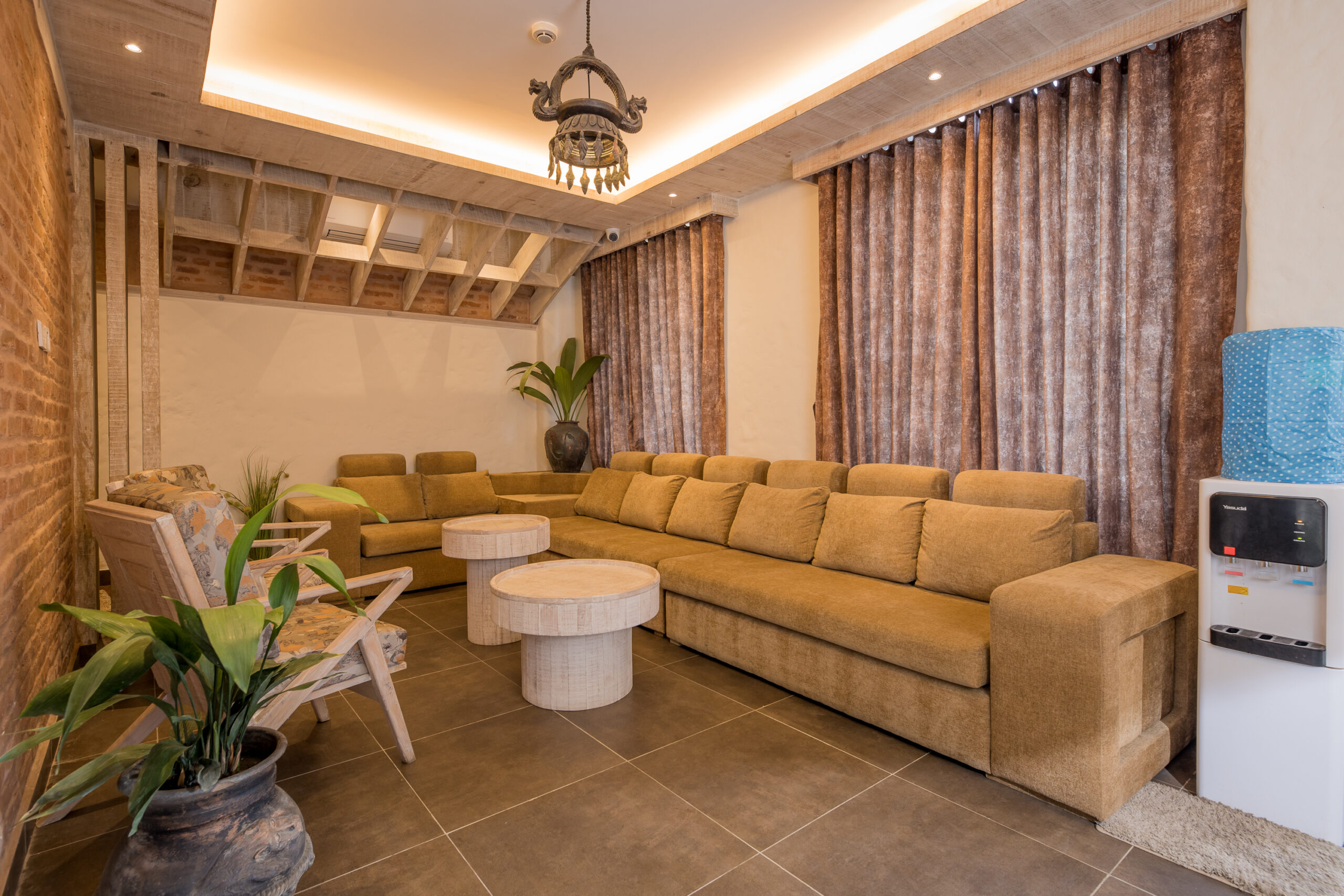

Life at the Yoga School
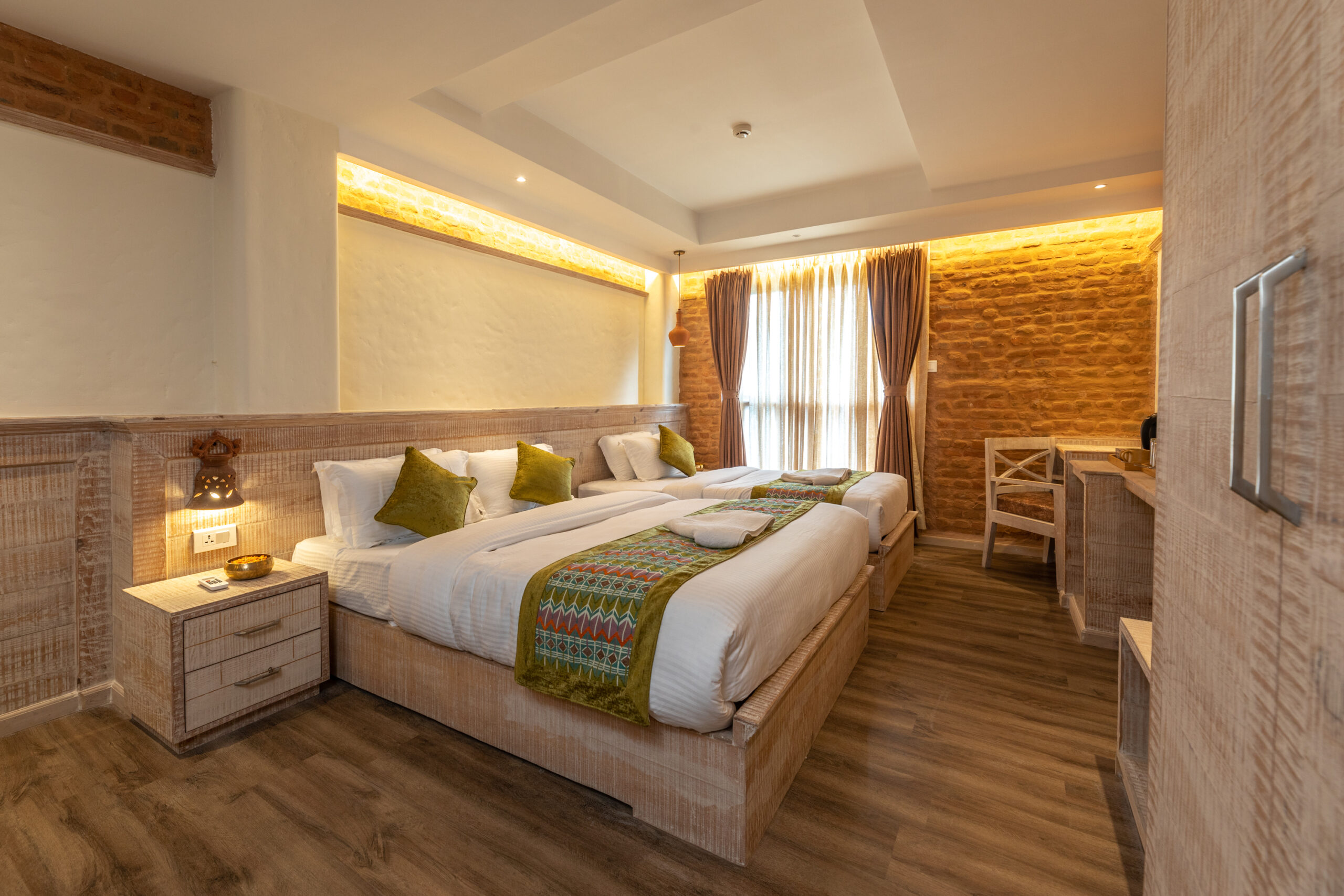
Your Room
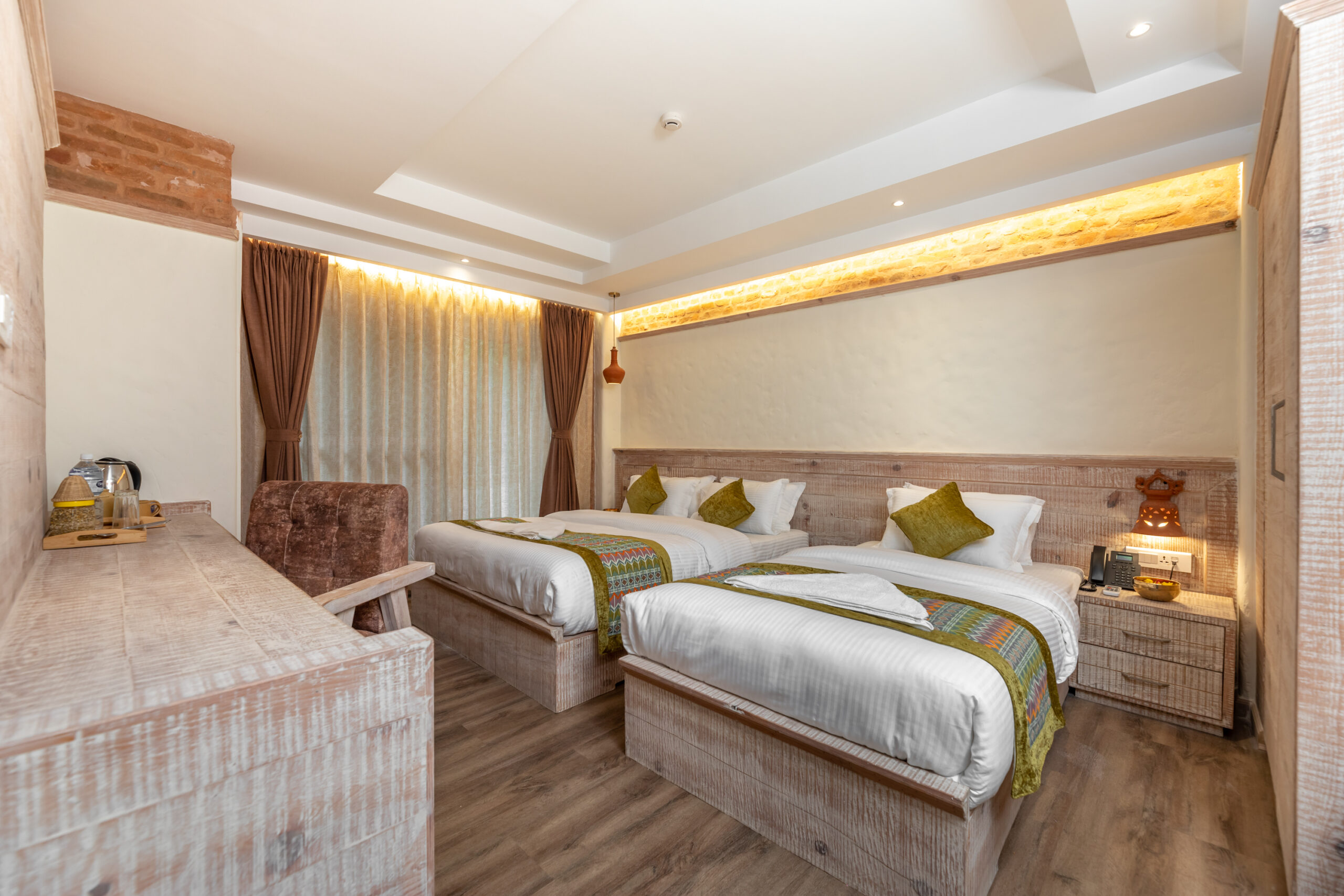
Rooms at the school are simple and clean. Standard and deluxe rooms are available, shared or private. Check-in is at 2 pm and check-out is at 12 pm.
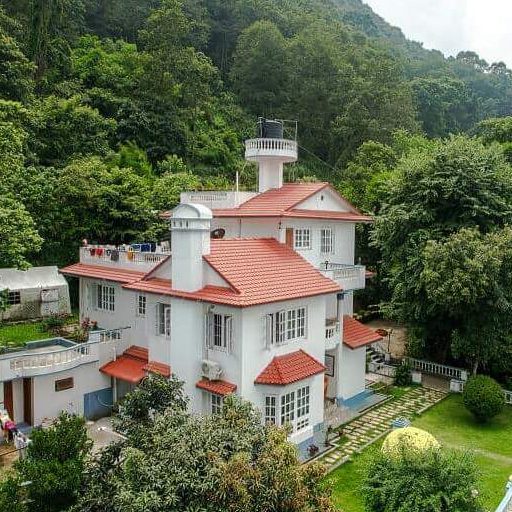
From the school, you can enjoy views of Kathmandu, the village and the Nagarjun forest. Wi-Fi is available. Please see our services and facilities page for more details.
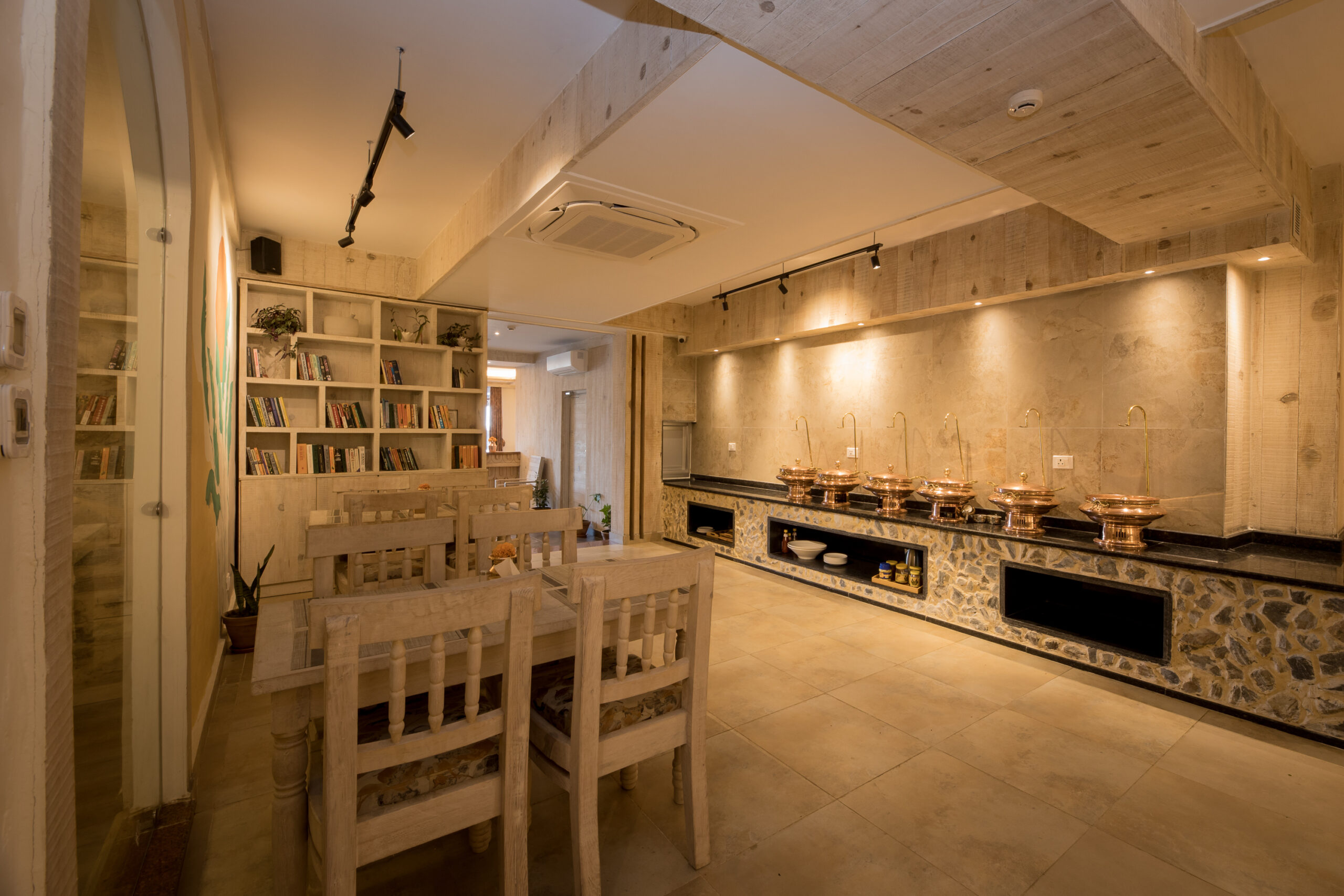
Food
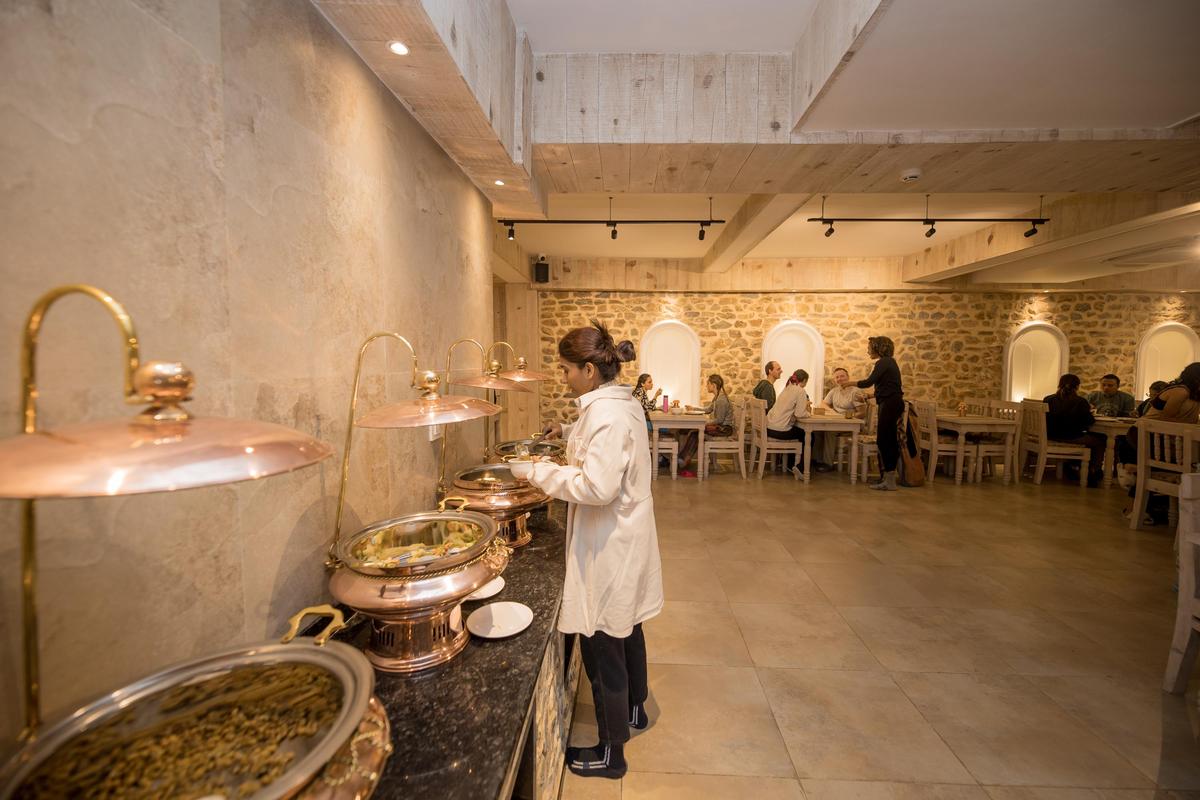
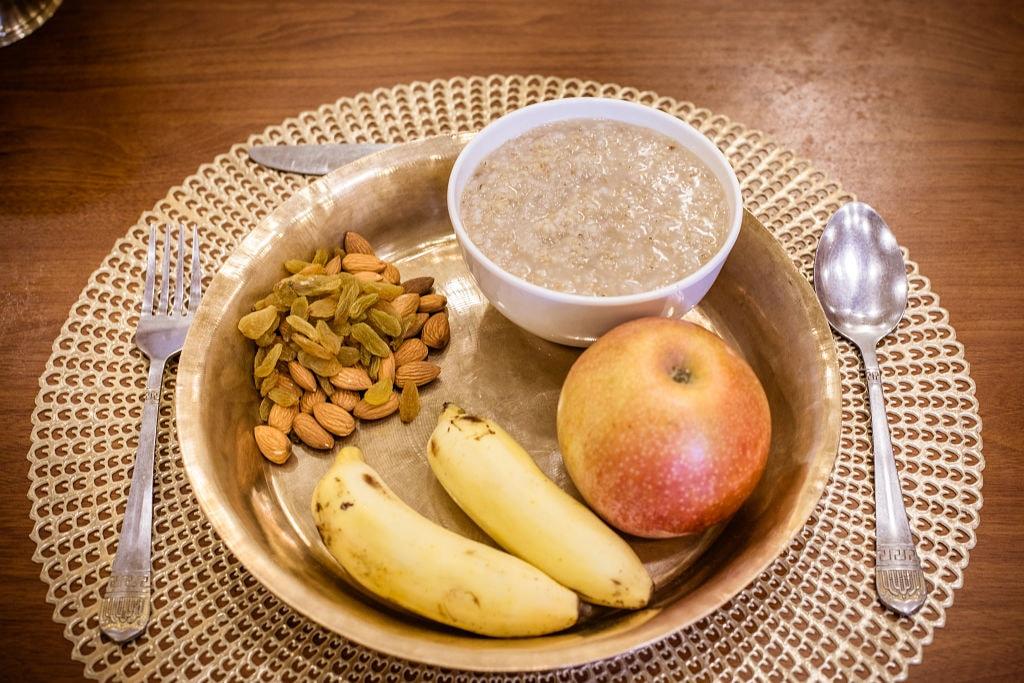
Meals at the school are vegetarian and sattvic, which means light, fresh and simple. This kind of food supports long hours of study and practice.
Please share any allergy or food limit when you book, so our kitchen can plan ahead.
A Typical Training Day
The exact timetable can change with the group and the situation. In general, a day follows this pattern:
- Morning asana practice
- Breath work, chanting or relaxation
- Breakfast and rest
- Philosophy, detox or teaching theory
- Lunch and free time
- Afternoon alignment and asana flow
- Meditation
- Dinner and quiet time
When to Join
Any month or season is suitable for learning yoga and meditation in Nepal. Your training days take place in calm indoor and outdoor spaces, so the weather rarely changes your learning.
If you also plan to enjoy trekking and sightseeing, the best periods are generally February to May and September to December. Write to us with your preferred dates, and we will help you choose.
How to Prepare for the Trek
Good preparation makes the trek safer and more enjoyable. This checklist is a helpful start:
- Comfortable, broken-in trekking boots
- Warm layers, a down jacket and a rain jacket
- Warm hat, gloves and sun protection
- A daypack and a refillable bottle
- A headlamp with spare batteries
- Personal medicines and a basic first-aid kit
- Travel insurance that covers high-altitude trekking and emergency evacuation
Try to walk or hike a few times each week before you arrive. Regular, steady walks help your legs and lungs.
Cost, Inclusions and Booking Details
Costs depend on the room type and the final trek plan. Our team will send you the full details, including what is included and not included, before you book.
Please ask us about the following points when you write:
- Course and trek dates
- Room type: standard or deluxe, shared or private
- Trek arrangements, permits and transport
- Porter service and its cost
- Flights and travel insurance
- Payment steps and our flexible refund policy

How to Reach Nepal Yoga Home
The school is about 20 minutes from Thamel and about 40 minutes from the airport.
Follow this route:
- Go to Machhapokhari.
- Continue to Balaju Bypass.
- Drive straight along the Trishuli Highway.
- Reach Fulbari Gate, also called Army Gate or Rajdurbar Gate.
- Turn right toward Goldhunga road and go about 700 m. You will see the Nepal Yoga Home sign from Fulbari Gate.
Lost? Give your taxi driver our phone number, and he can call us for the location. You can reach us at +977 9849521819 or +977 9851167373, also on WhatsApp. Pick-up service is available on request at an extra cost.
Book Your Place
Ready for yoga with trekking in Nepal? Send your request on our booking page, mail us nepalyogahome@gmail.com or message us on WhatsApp at +977 9849521819. Our FAQ page also answers general questions about travel and payments.
Tell us your preferred dates, room type, health notes and trekking experience. We will reply with the next available dates and the steps to reserve your place. You can also contact us with any question about this yoga trekking package in Nepal.
Frequently Asked Questions About Yoga Teacher Training with Everest Base Camp Trek
Do I need a 200-hour certificate before joining the 500 hour YTT with trekking?
No previous yoga experience or 200-hour certificate is required. Our training starts with the basics and gradually progresses to advanced practices, welcoming both beginners and experienced practitioners. If you already hold a 200-hour certificate, this is a great opportunity to deepen your knowledge and refine your teaching skills. Please share your yoga background with us before booking so we can guide you better. All you need is an open mind and a willingness to learn!
Will a yoga teacher join me on the Everest Base Camp yoga trek?
No, the trek is a regular trek with a trekking guide only. Your yoga classes take place during the training part of the package. You can still practice your own breathing and stretches on the trail.
How fit do I need to be for Everest Base Camp?
You should be able to walk for several hours a day on uneven paths. Regular yoga and some extra walking before you arrive will help. Your guide will set a safe pace for the group.
Can I hire a porter for the trek?
Porters can be arranged, but they usually cost extra. Please tell our team what you need before you book. We will share the cost and make the arrangement for you.
What insurance should I buy for a yoga trekking package in Nepal?
Choose a policy that covers high-altitude trekking and emergency helicopter evacuation. Check the maximum altitude your policy allows. Keep a copy with you on the trail.
What happens if bad weather delays my trek?
Your guide will decide what is safe, and delays can happen in the mountains. Extra costs caused by delays may need to be paid by you. We suggest keeping a spare day or two before your flight home.
Can I teach right after finishing the 500-hour course?
Many graduates start teaching soon after the course, often in small classes at first. The teaching practice in the course helps you feel ready. Keep practicing and learning, because confidence grows with every class.
Should I Bring My Own Yoga Mat to Nepal?
No need to worry! We provide shared yoga mats during the training. If you prefer having your own personal mat, you can easily purchase one after arriving in Nepal.
Do I need a visa for a long yoga course and trek in Nepal?
Most visitors need a tourist visa for Nepal, and the visa fee is paid separately. Because the course and trek together take a long time, check which visa length suits your plan. Please confirm the latest rules before you fly.
Is it possible to join only the yoga training without the trek?
Yes, we also offer our regular 500-hour advanced yoga teacher training without a trek. If you want only the trek, we can also share ideas for an Annapurna yoga trek. Write to us, and we will suggest the best option.
Om Shanti ! Shanti !! Shanti !!!
May peace be everywhere.