29-Day Panchakarma Retreat in Nepal: Authentic Ayurvedic Detox and Rejuvenation
Come as you are, leave with a renewed sense of balance, vitality, and connection with yourself.

29-Day Panchakarma Retreat in Nepal at a Glance
The table and list below give you the main facts about this Ayurvedic retreat in Nepal in one place.
Retreat Snapshot
| Retreat | 29 day Panchakarma retreat in Nepal, with yoga and meditation |
| Length | 29 days and 28 nights at Nepal Yoga Home in Kathmandu |
| Consultation | Ayurveda doctor consultation on arrival |
| Therapy | Panchakarma therapy each day, chosen by your doctor |
| Yoga and meditation | Yoga asana, relaxation and chanting each morning, and meditation each afternoon |
| Weekly day off | Sunday |
| Meals | Three vegetarian meals a day, plus herbal tea and water |
| Check-in and check-out | Check-in from 1 pm. Check-out at 12 pm |
| Start dates | Prefer 1st of every month but flexible for any dates too. |
What You Get
- An Ayurveda doctor consultation
- A Panchakarma treatment plan made for your body types and health issues
- One Panchakarma therapy per day, scheduled according to your personalized treatment plan.
- Yoga asana, relaxation and chanting each morning
- Guided meditation each afternoon
- A bonus yoga class that you may skip
- Three vegetarian meals a day and a day off every Sunday to explore Kathmandu
Together, these experiences create a thoughtfully designed 29-day Panchakarma retreat in Nepal, combining authentic Ayurvedic care with the peaceful wisdom of Himalayan traditions. All you need to do is arrive with an open heart and allow yourself the time to rest, rejuvenate, and reconnect with your natural balance.
Welcome to Nepal Yoga Home, where ancient Ayurvedic wisdom meets the timeless practices of yoga and meditation. Nestled in the peaceful surroundings of Kathmandu, our 29-Day Panchakarma Retreat invites you to step away from the demands of everyday life and dedicate time to deep cleansing, rejuvenation, balance, and self-discovery.
This is more than a wellness holiday or a spa experience; it is a carefully guided Ayurvedic journey designed around your individual needs and constitution. Unlike wellness centres where therapies may be offered as standard packages, your Panchakarma journey begins with a personal consultation and assessment by our qualified Ayurvedic doctor. Your treatments are then thoughtfully recommended and monitored by our Ayurvedic medical team, including ayurveda nurses, with care and attention throughout your stay. Every individual is different, and we believe your healing journey should be treated that way.
Beyond your daily Ayurvedic therapies, you will experience the deeper beauty of a traditional yogic lifestyle. Begin your mornings with yoga, pranayama and welcome your evenings with meditation, relaxation, and inner stillness. During the day, surrender to carefully selected Ayurvedic treatments while allowing yourself the time and space to rest and rejuvenate. Over these 29 days, give yourself permission to selfreflection, reconnect with your natural rhythm, nurture your body, calm your mind, and rediscover the joy of living with greater awareness.
A few days of rest can help you feel refreshed, but 29 days can give you something much deeper: the time and space to reconnect with yourself and embrace a healthier way of living. Our 29-Day Panchakarma Retreat in Nepal at Nepal Yoga Home is designed around the traditional Ayurvedic approach to cleansing, rejuvenation, and recovery. Rather than rushing through treatments, you experience a carefully guided journey that includes an initial assessment, individually recommended Ayurvedic therapies, and sufficient time for rest and recuperation. Each phase is thoughtfully arranged to support your body's natural balance and allow you to experience the full rhythm of a traditional Panchakarma retreat in the peaceful surroundings of the Nagarjun National Park.
Upon arrival, you will have a personal consultation with our experienced Ayurvedic doctor, who will assess your individual needs and recommend a suitable therapy plan. Alongside your daytime Ayurvedic treatments, enjoy a meaningful daily routine of morning and evening yoga, breathing, meditation, chanting, and deep relaxation. You will stay at Nepal Yoga Home in Kathmandu, enjoy nourishing vegetarian meals, and have Sundays free for rest and personal time.
Whether you are new to Ayurveda and yoga or have years of experience, you are welcome to join this journey. This page will guide you through the retreat structure, therapies, daily routine, and everything you need to understand before making your decision.
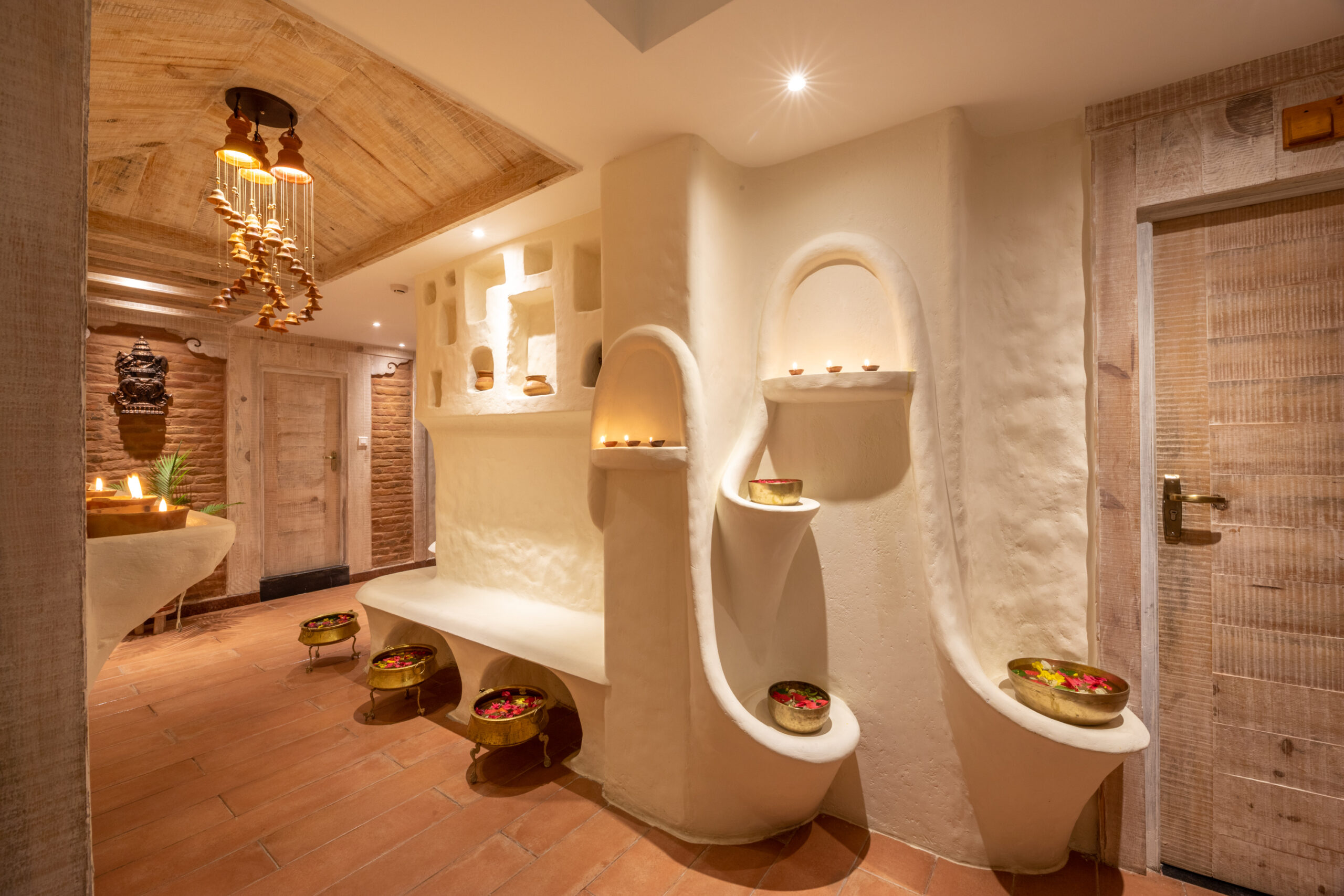
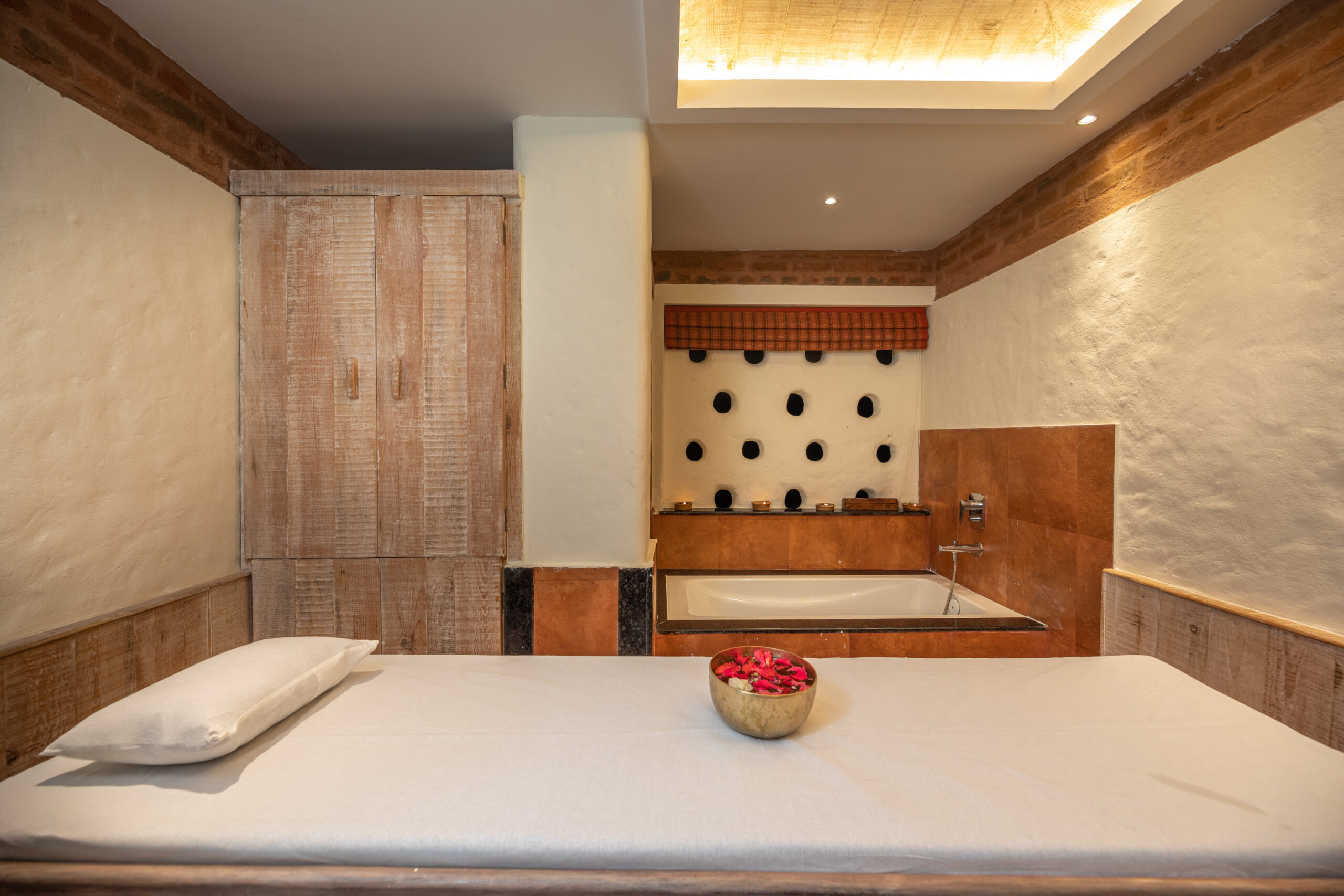
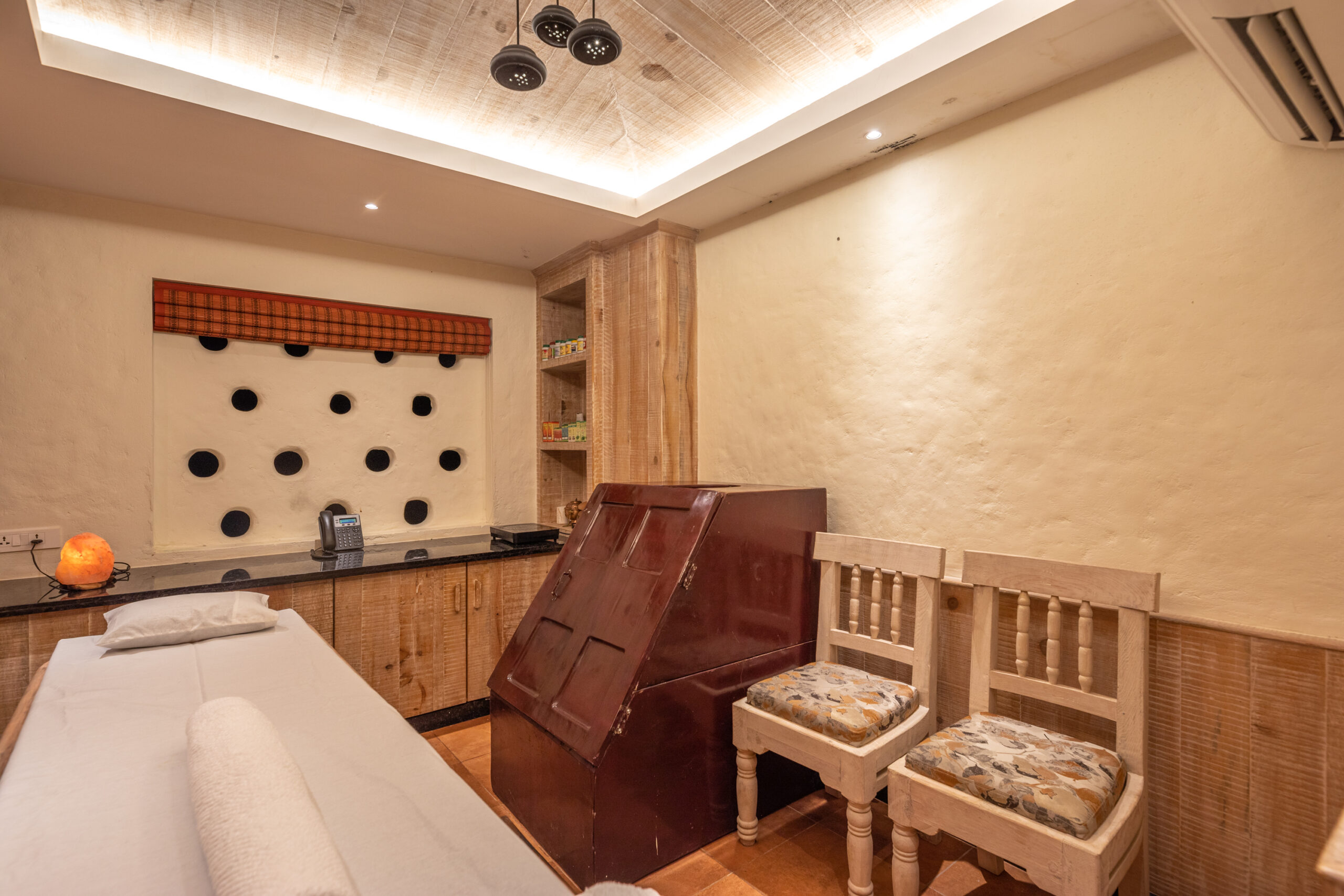
What Is Panchakarma?
Panchakarma is a traditional Ayurvedic cleansing and rejuvenation approach that has been practised in India and Nepal for centuries.
The Sanskrit word Panchakarma means "five actions" or "five procedures," referring to five classical therapeutic approaches used in Ayurveda to support the removal of accumulated impurities and restore balance in the body.
According to Ayurvedic principles, good health depends on the balanced functioning of the three doshas: Vata, Pitta, and Kapha. When these natural energies become imbalanced, Ayurveda considers it important to identify the underlying causes and follow an appropriate care plan.
Panchakarma is therefore not simply a massage or relaxation treatment; it is a structured process that begins with an individual assessment and may include preparatory therapies, specific cleansing procedures, and a gradual recovery phase.
Every Panchakarma journey is different because each person has a unique constitution, health condition, and individual needs. Under the guidance of a qualified Ayurvedic doctor, suitable therapies are selected and adjusted according to the individual's condition rather than following the same treatment routine for everyone.
Depending on the assessment, traditional procedures may include Abhyanga (therapeutic oil massage), Swedana (herbal steam therapy), Virechana (therapeutic purgation), Basti (medicated enema), and other classical Ayurvedic treatments.
The process is supported by appropriate food, rest, and lifestyle recommendations. The purpose is to provide a carefully guided Ayurvedic experience that supports well-being, balance, and rejuvenation while respecting the body's individual needs.
Panchakarma is the best-known cleansing method in Ayurveda, so it helps to understand it before you book a Panchakarma detox in Nepal. Traditional Panchakarma treatment uses these five cleansing methods to purify the body and restore balance.
| Action | What It Is |
| Vamana | Therapeutic emesis |
| Virechana | Therapeutic purgation |
| Basti | Herbal enema, also written Vasti |
| Nasya | Treatment through the nose with herbal oils |
| Raktamokshana | Traditional blood cleansing, used rarely |
Your doctor decides which actions, if any, suit you. Not every person needs all five, and some people should not receive some of them.
The Three Stages of Panchakarma
| Stage | What Happens |
| Purvakarma | Preparation. Oil treatments and gentle sweating prepare the body |
| Pradhanakarma | The main therapies and detox chosen by your doctor |
| Paschatkarma | Recovery. Careful food, rest and habits help you settle |
Each stage needs time, which is why a month-long Panchakarma detox suits the method better than a short stay.
The Three Doshas in Simple Words
- Vata: movement and dryness, linked with the breath and the nerves
- Pitta: heat and digestion, linked with appetite and focus
- Kapha: structure and heaviness, linked with strength and rest
Ayurveda says each person carries all three in their own mix, and your doctor reads that mix during consultation.
What Ayurveda Means by Detox
According to Ayurveda, daily life can leave waste in the body, which the tradition calls ama. Panchakarma aims to clear it and bring the three doshas, Vata, Pitta and Kapha, back into balance.
Why Choose a Month-Long Panchakarma Retreat in Nepal?
Panchakarma is a traditional Ayurvedic process that requires thoughtful preparation, individually selected therapies, and proper recovery.
Unlike a short wellness holiday, a month-long Panchakarma retreat gives you more time to experience these different stages without feeling rushed.
Our 29-day Panchakarma retreat in Kathmandu is designed to provide a balanced combination of Ayurvedic treatments, nourishing food, yoga, meditation, and relaxation. With guidance from an Ayurvedic doctor throughout your stay, you can follow a structured program that respects your individual needs and allows sufficient time for each recommended stage.
Why Choose 29 Days Instead of a Short Stay?
A longer retreat offers several important advantages:
- Time for preparation: Begin with appropriate preparation before starting the recommended Panchakarma therapies.
- Personalized treatments: Your Ayurvedic doctor can review your progress and adjust your treatment plan when necessary.
- A gradual approach: Follow the different stages of your Ayurvedic program at a comfortable and appropriate pace.
- Time for recovery: Include proper rest, suitable meals, and post-treatment guidance before returning to your regular routine.
- Healthy daily habits: Develop a consistent routine of yoga, breathing exercises, meditation, and relaxation.
A 29-day Panchakarma retreat gives you the opportunity to experience a more comprehensive Ayurvedic journey, with time for preparation, treatment, and recovery under professional guidance.
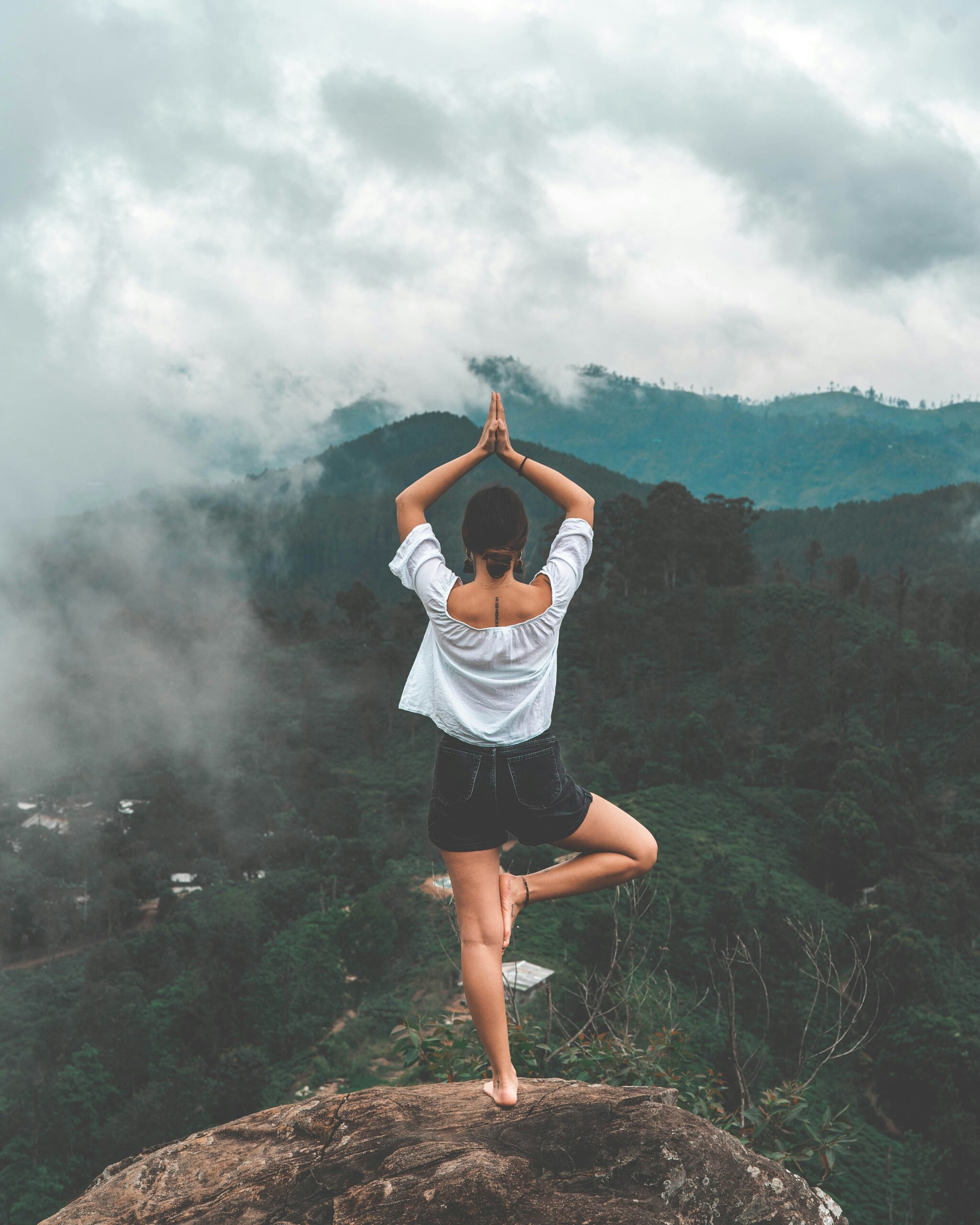
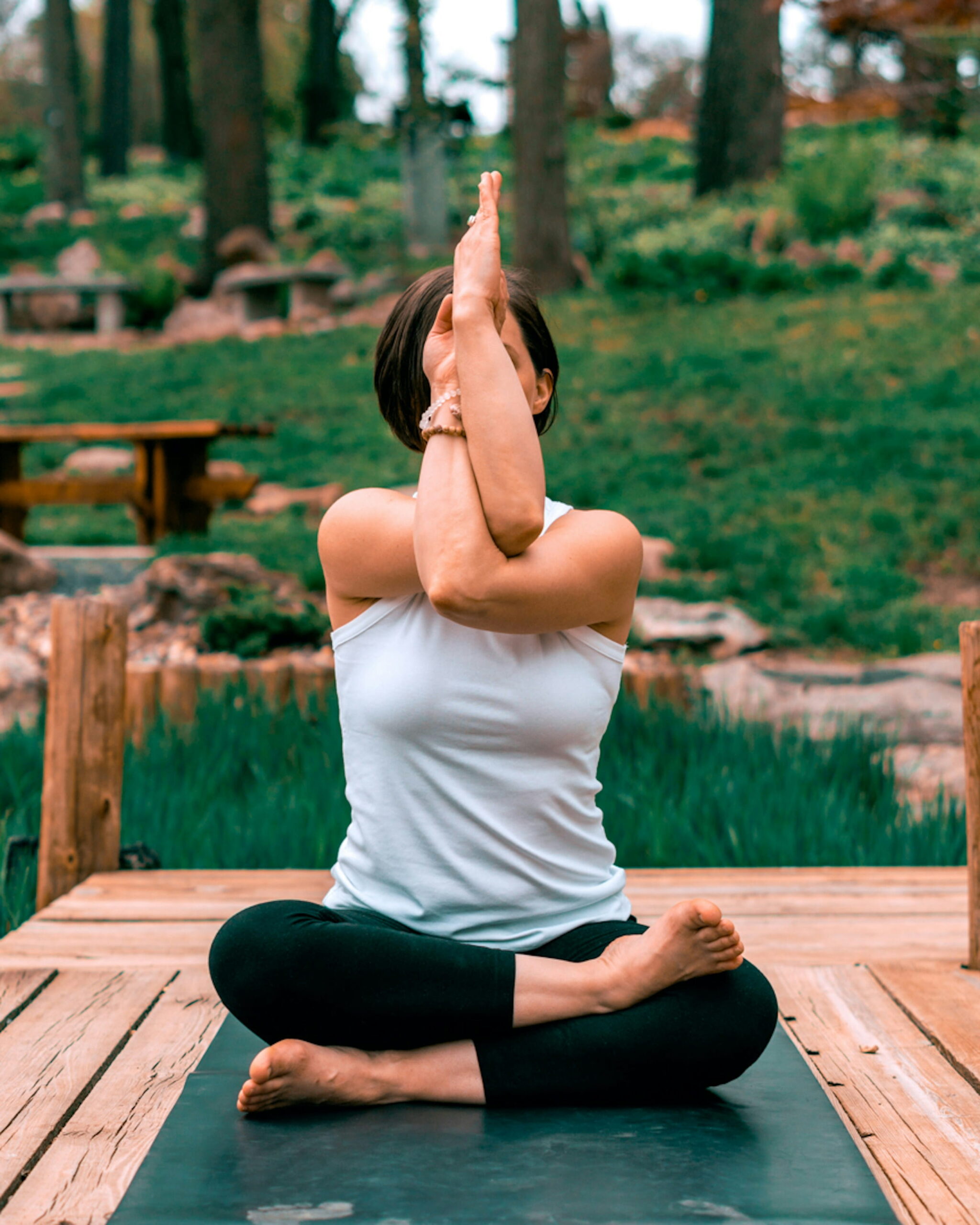
Complete Journey of Cleansing and Rejuvenation
Panchakarma is not simply about receiving Ayurvedic treatments. It is about understanding the relationship between your body, mind, food, rest, and daily habits.
During your 29-day retreat, you have the opportunity to experience a more complete Ayurvedic lifestyle. Your journey may include preparatory therapies, doctor-recommended treatments, appropriate vegetarian meals, relaxation, and a carefully planned recovery period.
Each stage has its own importance, and your treatment schedule is guided by your Ayurvedic doctor rather than a fixed package of therapies.
Personalized Therapies, Not a Standard Treatment Menu
At Nepal Yoga Home, we understand that every individual has different needs. That is why we do not follow a one-size-fits-all approach to Panchakarma.
Your journey begins with an individual consultation and assessment by our Ayurvedic doctor. Based on your constitution, health condition, and suitability for treatment, the doctor recommends an appropriate therapy plan.
Our Ayurvedic team and nurses carefully support you throughout your stay, helping ensure that your treatments are provided according to professional recommendations.
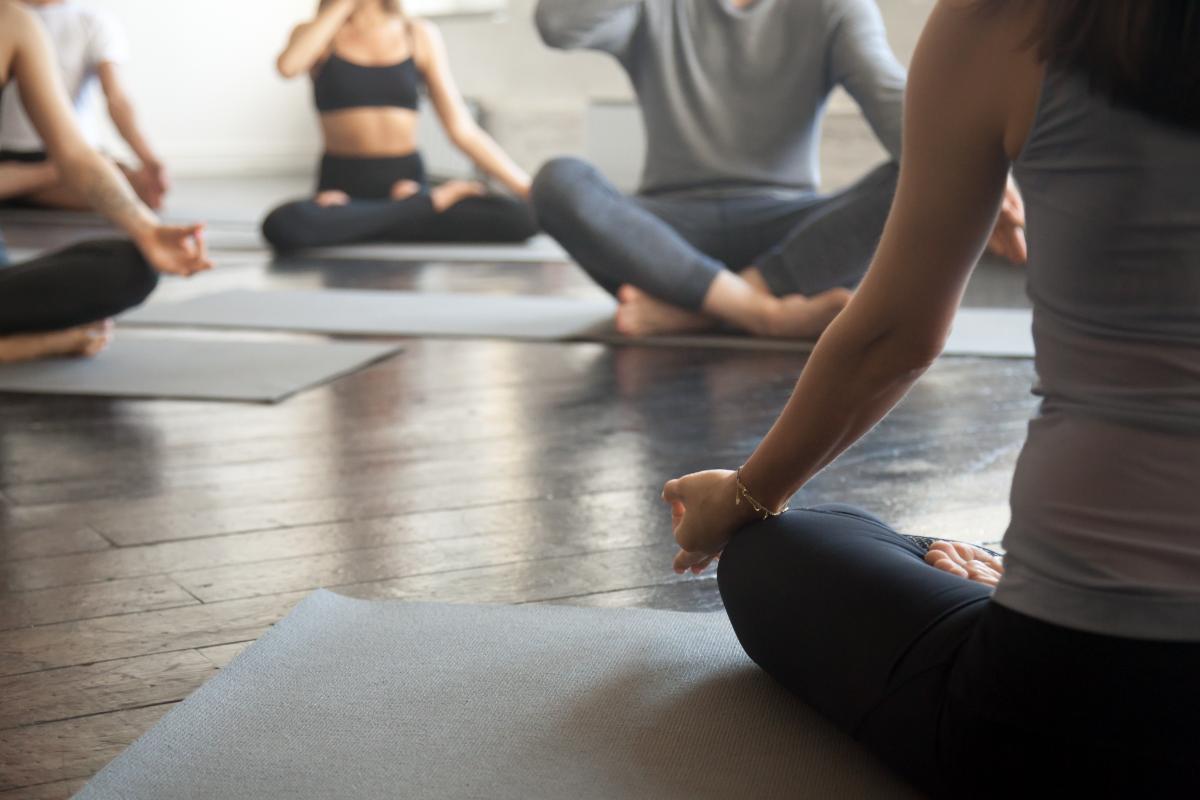
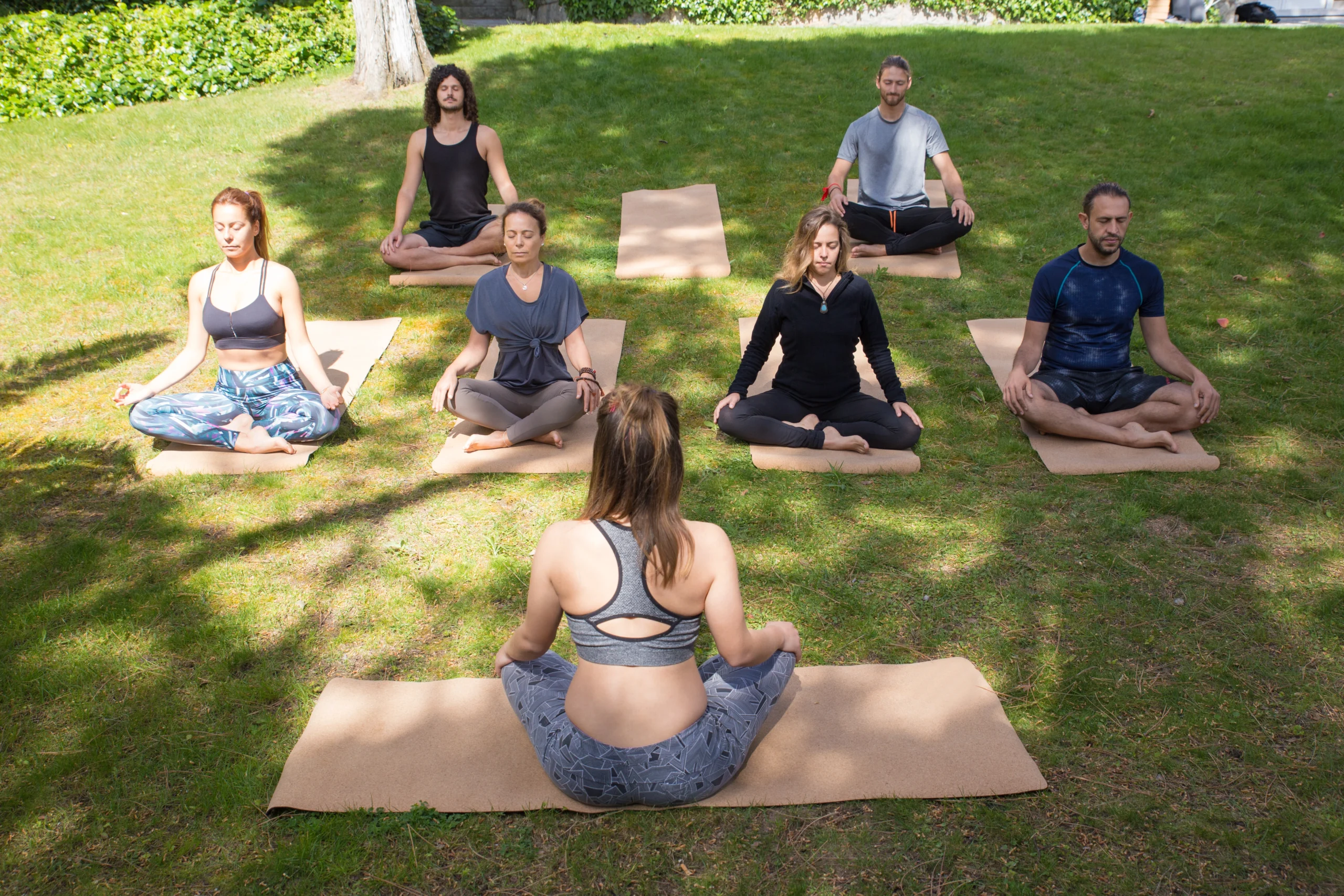
While your Ayurvedic treatment plan is personal, you will also enjoy a shared daily rhythm that brings everyone together. Morning and evening yoga, pranayama, meditation, chanting, relaxation, and nourishing vegetarian meals create a peaceful environment for your retreat.
One Month, One Peaceful Environment
One of the special aspects of a month-long Panchakarma retreat is having everything you need for your journey in one peaceful place. You do not have to move between different treatment centres or organize your daily activities.
At Nepal Yoga Home in Kathmandu, your Ayurvedic therapies, yoga sessions, meditation, meals, and relaxation are brought together in a supportive residential environment. Surrounded by the peaceful atmosphere of Nagarjun forest, you can gradually step away from everyday pressures and dedicate more time to yourself.
Time to Disconnect and Reconnect
Modern life often leaves little room for rest, reflection, and self-care. A month away from your usual responsibilities gives you an opportunity to slow down and pay attention to your well-being.
Alongside your Ayurvedic treatments, daily yoga and meditation help you cultivate awareness, breathing practices, and inner stillness. You can spend less time worrying about your daily schedule and more time enjoying a simple, mindful way of living.
This retreat is an invitation to reconnect with yourself, develop healthier habits, and return to everyday life with a renewed appreciation for balance and self-care.
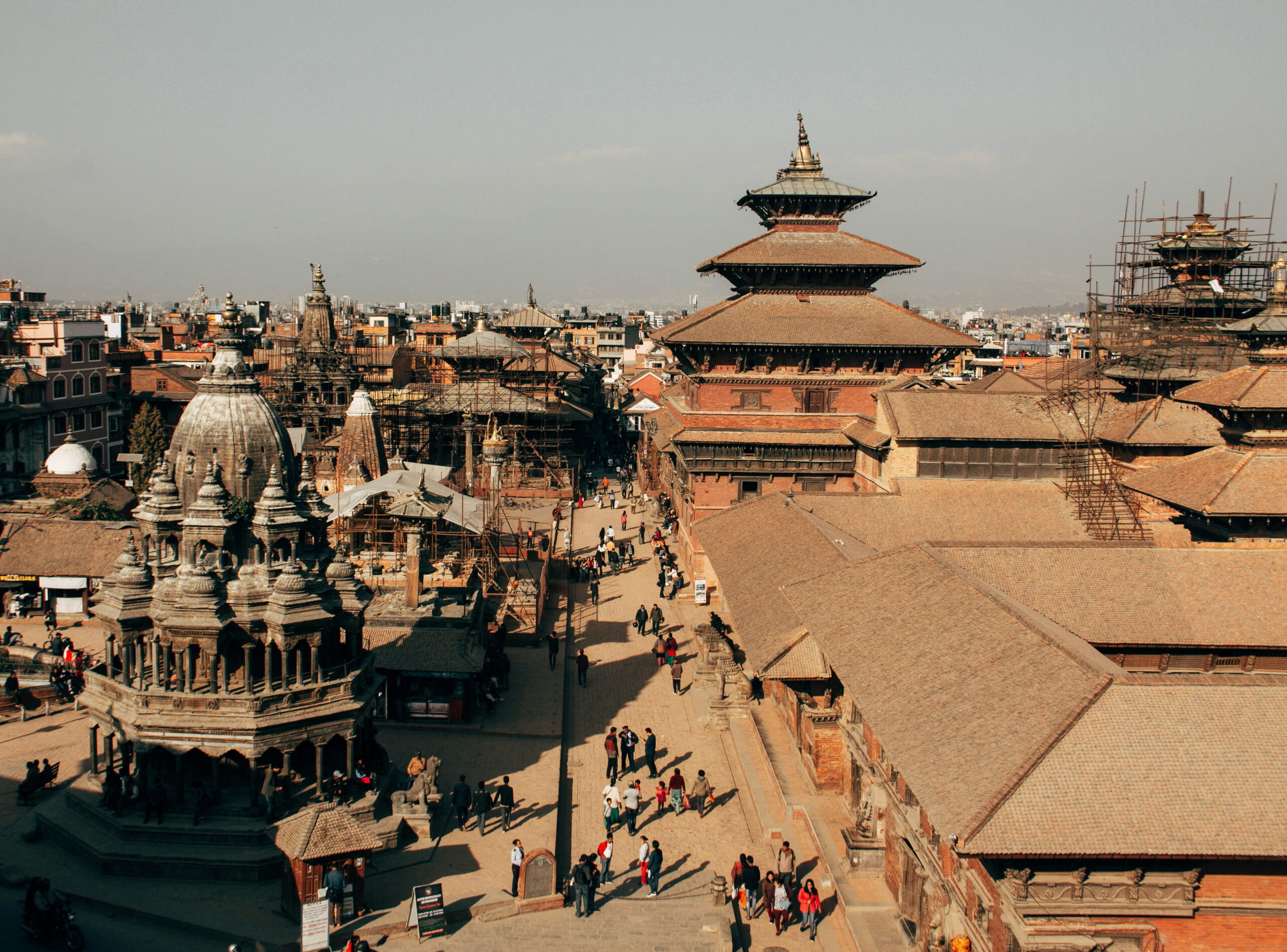
Sunday – Your Day to Rest and Explore
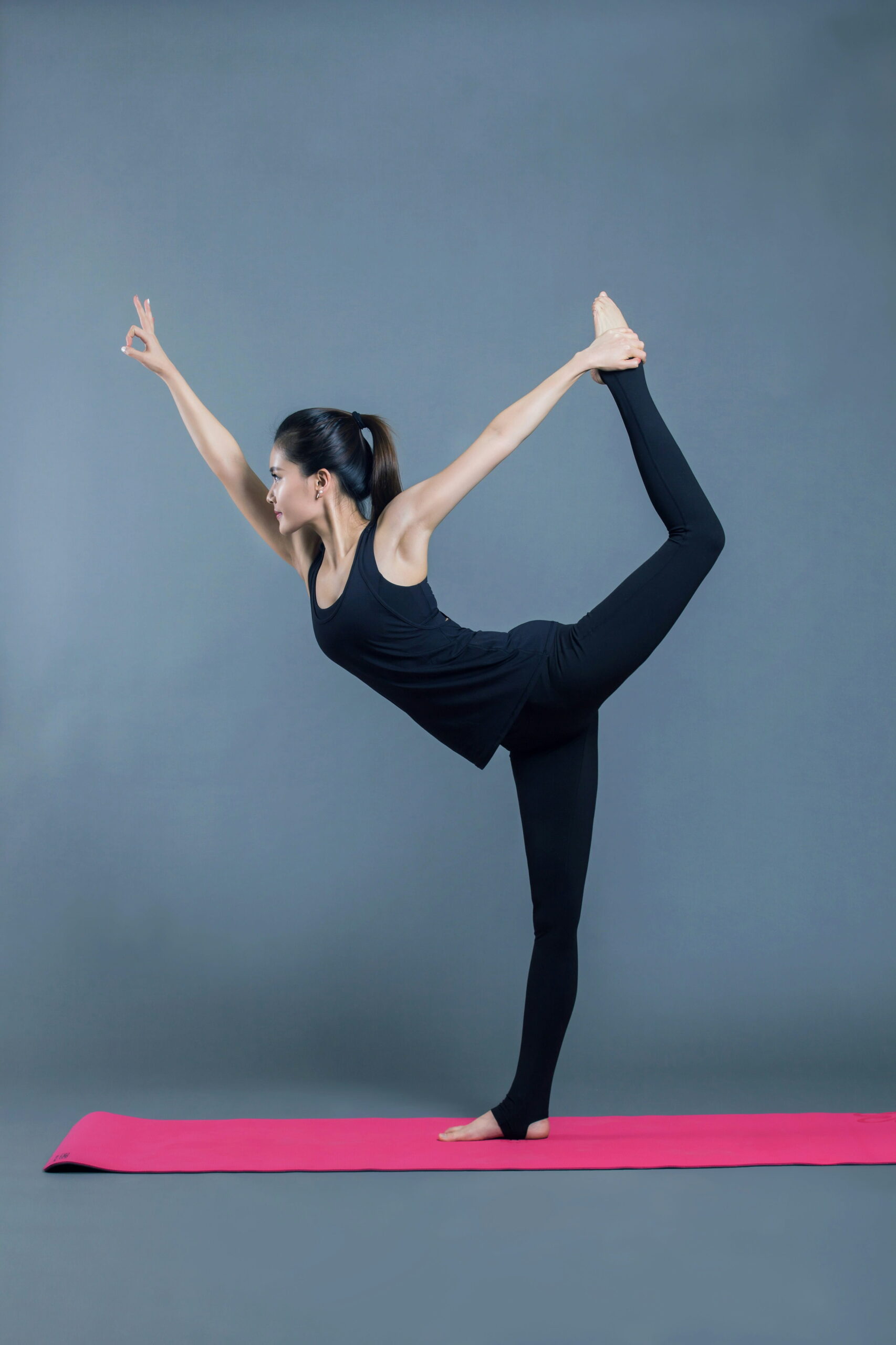
Sunday is generally a day off from the regular retreat schedule, giving you time to relax, enjoy your surroundings, or explore the cultural beauty of Kathmandu. You may spend the day resting, reading, walking in nature, or visiting nearby cultural and spiritual places.
If your individual Ayurvedic treatment plan requires special attention or continued care, your doctor will guide you accordingly. The purpose is to maintain the appropriate balance between treatment, rest, and recovery throughout your retreat.
Your Consultation and Personal Therapy Plan
Everything starts with the consultation, because it decides which therapies you receive and when in your Panchakarma therapy in Nepal.
Consultation on Arrival
- Check in and settle into your room.
- Meet the Ayurveda doctor on the day of arrival or next day.
- Share your health history, sleep, digestion, stress levels, injuries and allergies.
- Hear which Panchakarma therapy suits you and why.
- Receive your therapy time, and plan the rest of your day around it.
What the Doctor Looks At
- Your body type, in Ayurvedic terms
- Your health concerns and medical history
- Your diet, sleep and daily habits
- Any medicines you take
Therapy Plan and Timing
This is a Panchakarma retreat with Ayurveda doctor consultation, and the doctor sets your Panchakarma treatment plan after consultation.
- Most therapy sits between breakfast and lunch
- Sometimes therapy sits in the afternoon instead
- The team tells you the exact time, so you never guess
Follow-Up Check-Ins
Your plan can change as the weeks pass. Talk to the team about how you feel, and the doctor can adjust therapy and food, which is what makes a long term Ayurvedic detox program flexible.
Traditional Panchakarma Treatment and Therapies
The doctor draws on several therapies, and this section explains the main ones.
Some Therapies Your Doctor May Choose
| Therapy | What It Is |
| Abhyanga | A warm oil massage with slow, steady strokes |
| Shirodhara | Warm oil poured in a steady stream over the forehead |
| Swedana | Herbal steam to warm the body and open the pores |
| Pinda Sweda | A massage with warm herbal bundles |
| Akshi Tarpana | An eye therapy with medicated ghee |
| Nasya | Herbal oil treatment through the nose |
| Basti | Herbal enema therapy |
| Virechana | Therapeutic purgation under medical guidance |
Your therapy depends on your body type and your concerns, so it is important to follow the doctor's instructions. The doctor may choose a few of these, not all of them.
What Makes It Traditional
Traditional Panchakarma treatment follows the classical order: preparation, main therapies and recovery. A doctor and nurse leads the plan, and therapists use herbal oils and preparations with care. There are no shortcuts, because each stage depends on the one before it.
What a Therapy Session Feels Like
- The therapist explains the therapy before it starts
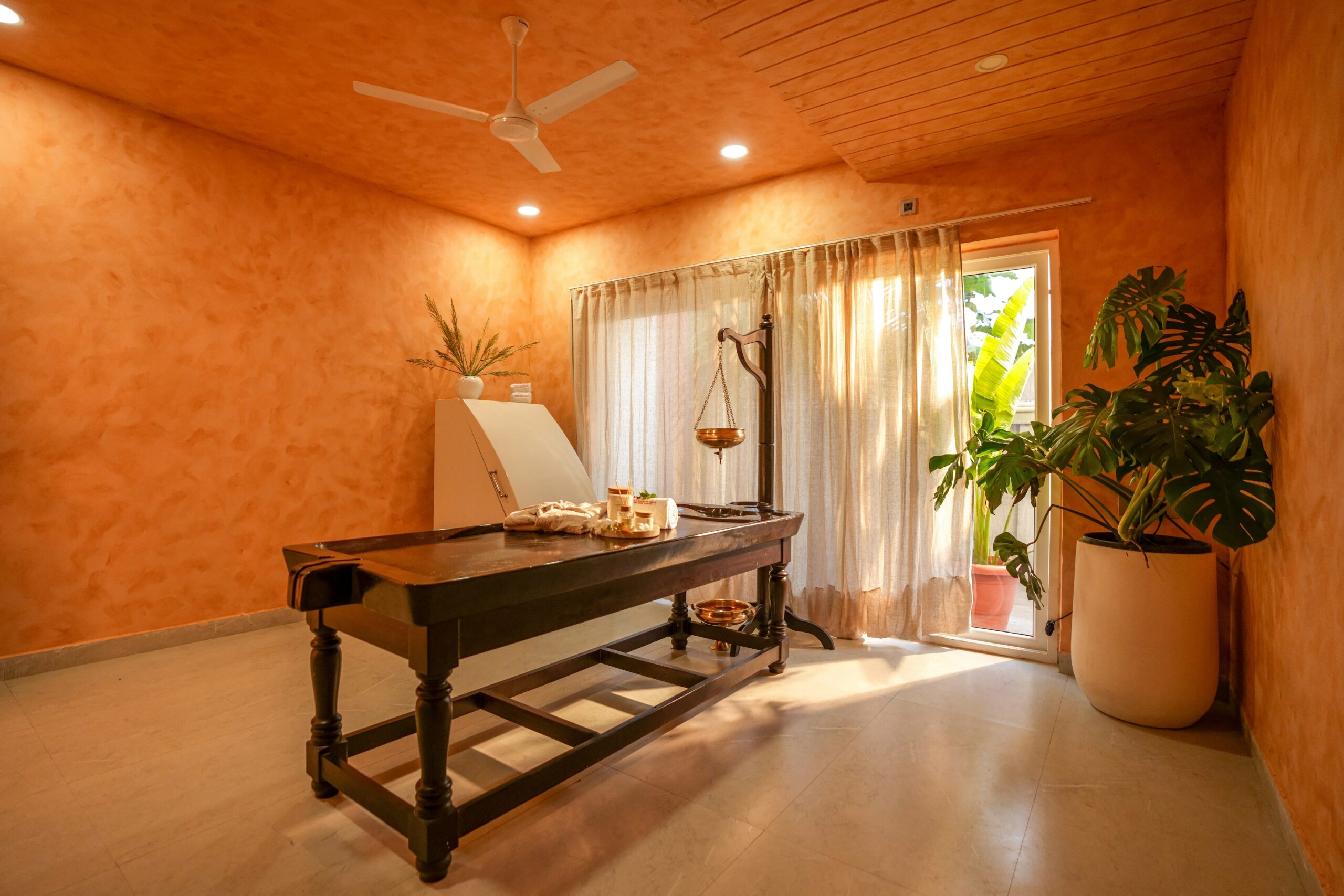
- You lie on a treatment table in a quiet room
- The therapist uses warm oil or herbal preparations with steady care
- You can say at any time if heat or pressure feels wrong
- You rest after the session, then continue your day
One Therapy a Day
You receive one Panchakarma therapy each day, and the doctor or nurse chooses it. This keeps the plan gentle and gives your body time to respond.
Aftercare for Each Therapy
- Rest for a while before you move on
- Drink warm water or herbal tea
- Keep your body warm and avoid cold drafts
- Follow any food advice from the doctor
Full Body Ayurvedic Detox in Stages
A full body Ayurvedic detox does not happen in one day, and a full body Ayurvedic detox needs patience. The doctor prepares your body first, then adds the main therapies, then lets you recover. Each step supports the next.
Panchakarma Therapy in Nepal with Daily Support
Panchakarma therapy in Nepal draws on a long tradition across the Himalayan region. Here you receive a 29-day Panchakarma retreat in Kathmandu in a calm school setting, with a doctor, therapists and yoga teachers working together.
Safety and Health Notes
- Tell the team about medicines, allergies, pregnancy and health conditions
- Mention any oil, herb or nut allergy before your first therapy
- Follow the doctor's advice on food and activity
- Allow yourself sufficient rest after therapies and follow the recommended lifestyle guidelines
What You Will Experience and Learn on This Retreat
Beyond the therapies, you leave with knowledge you can use at home, so this section covers what you learn.
Know Your Body Type
During consultation and daily talks, you learn how Ayurveda describes your body type and what it suggests for food, sleep and daily rhythm. You can ask the team any question along the way.
Daily Habits from Ayurveda
- Rise early and keep a regular sleep time
- Drink warm water through the day
- Use simple oil massage at home when it suits you
- Eat your main meal at midday
- Wind down quietly in the evening
Food Habits You Can Keep
- Eat at regular times
- Prefer warm, freshly cooked, simple food
- Eat slowly and stop before you feel full
- Keep dinner lighter than lunch
Yoga and Breathing for Home
Morning classes teach you gentle postures, relaxation and chanting that you can repeat alone. You also learn simple breathing and meditation habits that take only a few minutes.
Your Personal Home Plan
Near the end of the stay, ask the doctor and teachers to help you write a short plan for rejuvenation at home. It can cover food, sleep, yoga and daily habits, so the retreat keeps working after you leave.
Ayurveda and Yoga Retreat in Nepal: Your Daily Practice
Yoga and Ayurveda grew up together, so each day of this Ayurveda and yoga retreat in Nepal pairs therapy with gentle practice.
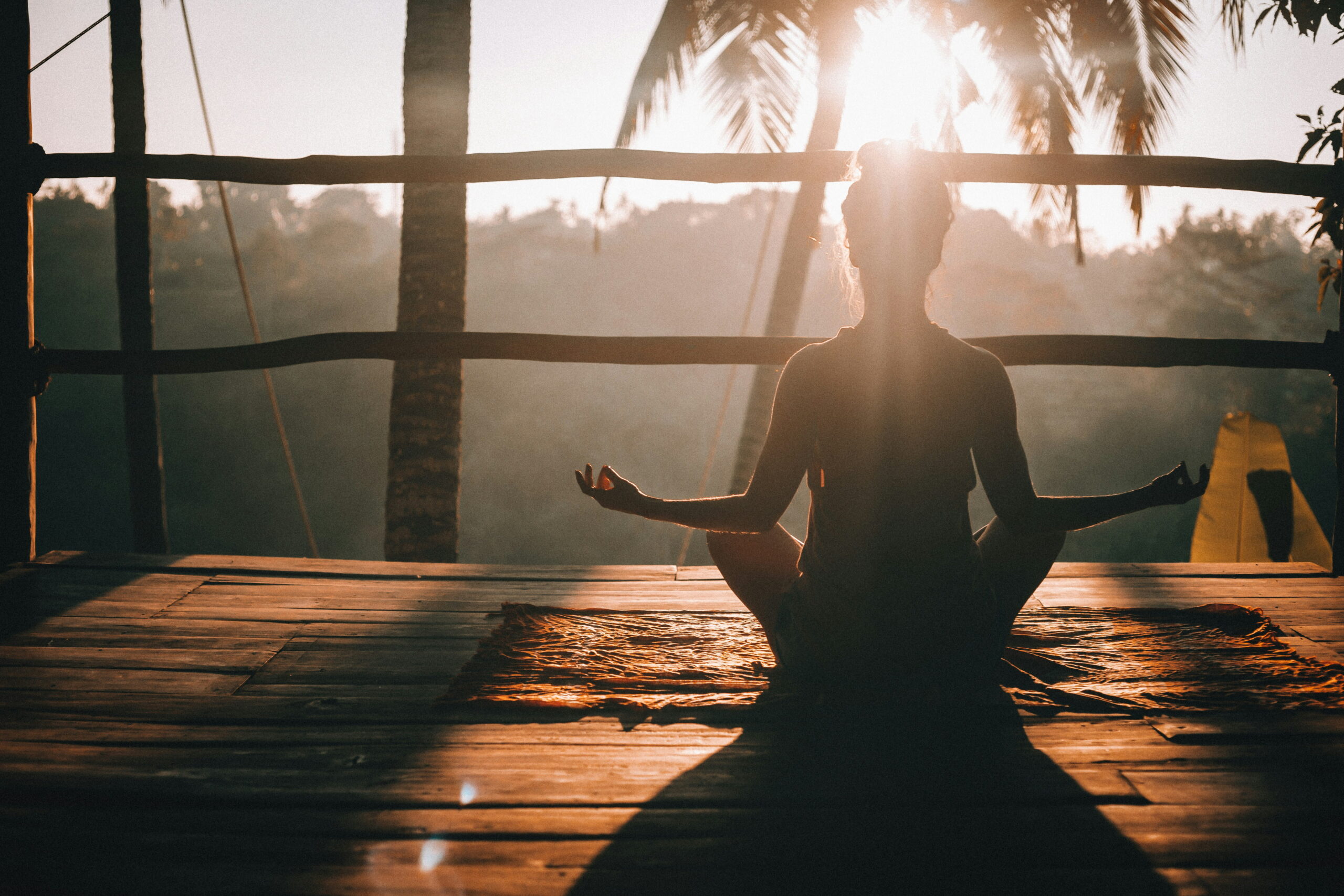
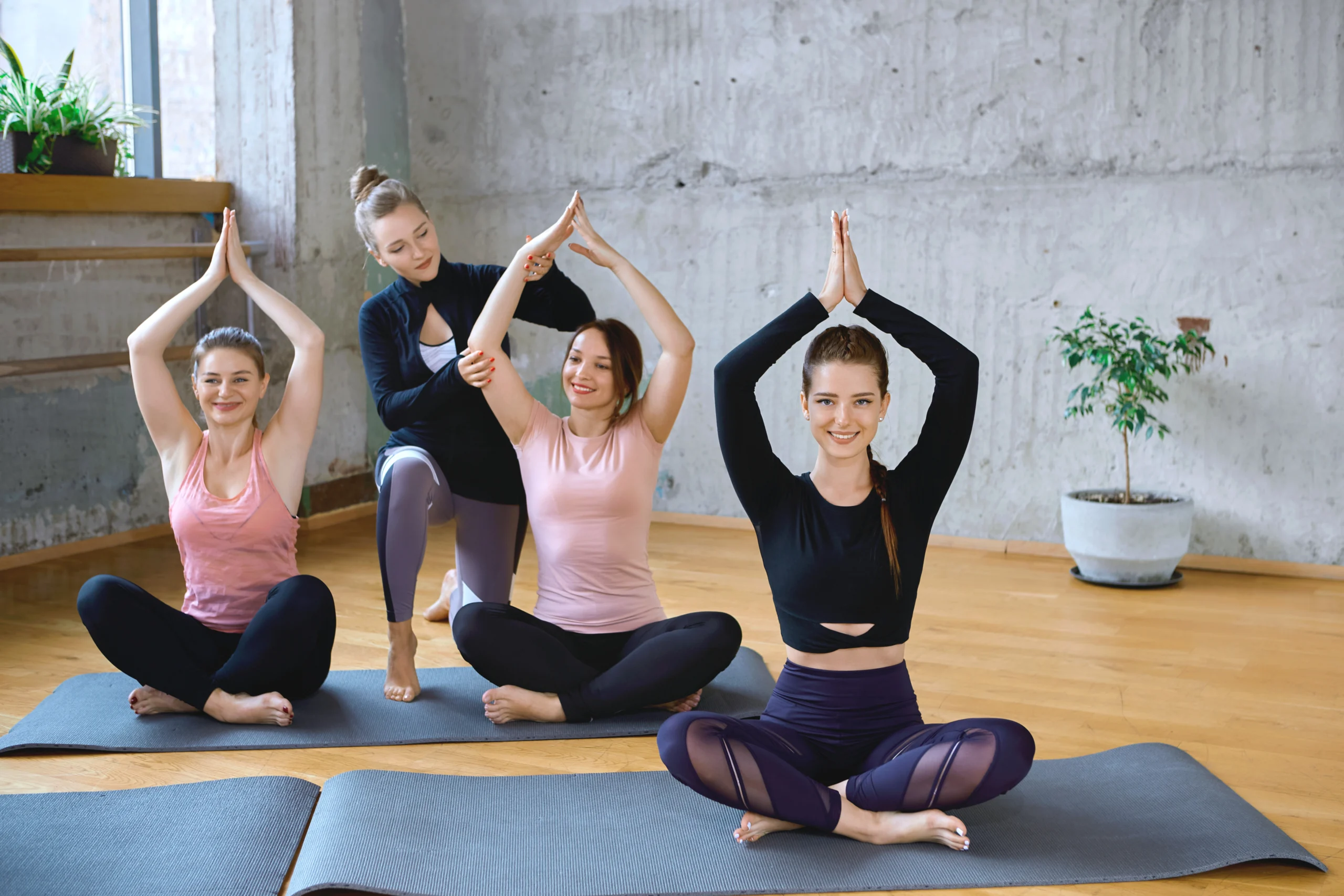
Morning Yoga Asana, Relaxation, and Chanting
The morning block runs from 7:00 to 9:00 am, before breakfast.
- Yoga asana to wake and stretch the body
- Guided relaxation to settle the mind
- Chanting to close the session
Afternoon Meditation
At 4:15 pm you sit for meditation and learn simple ways to follow the breath. Our meditation page explains the wider approach.
Evening Yoga Class
The class from 5:45 to 6:45 pm is a bonus. Skip it if you prefer to rest, or join if you enjoy it. Sometimes the team places therapy in this slot.
Yoga Philosophy
You can also join discussions about yoga philosophy and meditation. They help you understand your therapy and your daily habits.
Do You Need Yoga Experience?
No special experience is needed. The yoga is gentle, and teachers can suggest easier options if you have an injury or a health concern.
A Panchakarma retreat with yoga and meditation in Nepal works best when practice is light, steady and kind to your body, and this Ayurveda and yoga retreat in Nepal keeps classes gentle for that reason.
Daily Schedule
Each day follows the same simple pattern, with your therapy time added after your consultation.
Sample Daily Timetable
| Time | Activity |
| 7:00 to 8:00 am | Yoga asana |
| 8:15 to 9:00 am | relaxation and chanting |
| 9:00 am | Breakfast |
| Between breakfast and lunch | Panchakarma therapy (time given on arrival) |
| 2:00 pm | Lunch |
| 4:15 pm | Meditation |
| 5:45 to 6:45 pm | Yoga asana class (bonus class) |
| 7:00 pm | Dinner |
The 5:45 pm class is optional. You can skip it if you did not enjoy it, and you can join if you like it. Therapy takes this slot on some days.
Treat this as a rough guide. Your doctor and the team set your exact times when you arrive, and they can change with your therapy plan.
Sunday is your day off, so the routine pauses and you rest. Your doctor confirms if any therapy continues
How the 29 Days Unfold
Most Panchakarma plans move through three stages, and your doctor sets the exact pace.
Week One: Preparation and Settling In
- Meet the doctor and receive your therapy plan
- Learn the daily routine and the rhythm of classes
- Begin gentle preparation therapies, if your doctor advises them
- Rest well and adjust to Kathmandu
Weeks Two and Three: Main Therapies
- Follow the main therapies your doctor chooses
- Keep to simple food and a steady routine
- Check in with the team about how you feel
- Rest after each therapy
Week Four: Recovery and Home Plan
- Ease back into normal food and activity under advice
- Ask the doctor for habits you can keep at home
- Plan simple routines for yoga, sleep and meals
- Take time to rest before you travel
Food, Water, and Daily Habits During Panchakarma
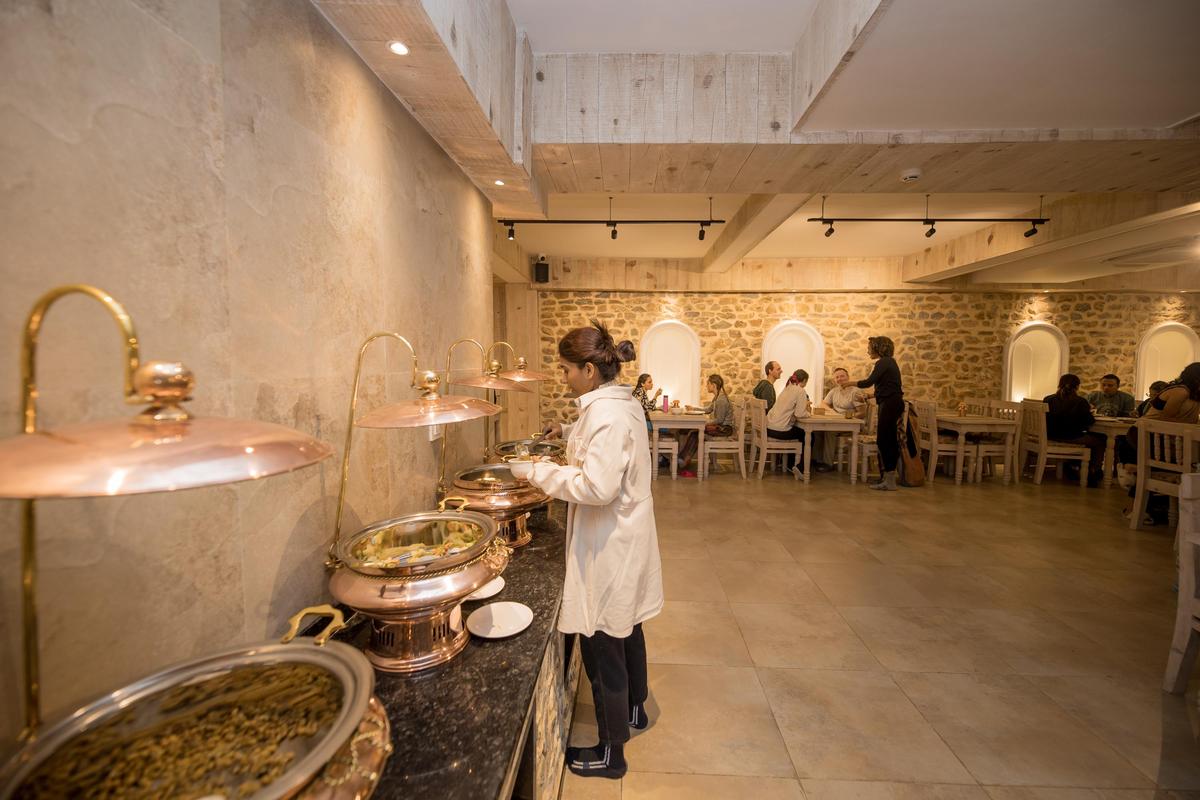
Food matters in Panchakarma, so here is how meals and daily habits work at the retreat.
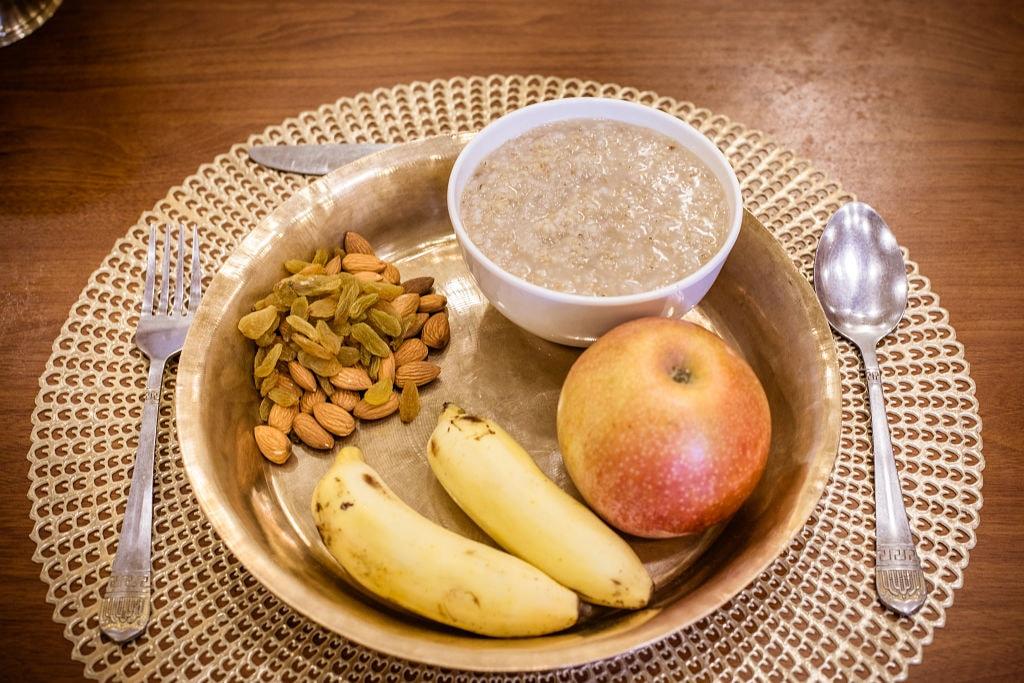
Vegetarian Meals
| Meal | Time |
| Breakfast | 9:00 am |
| Lunch | 2:00 pm |
| Dinner | 7:00 pm |
All meals are vegetarian. The doctor may suggest lighter or simpler food at certain stages, so tell the team about allergies and dietary needs before you arrive.
Water and Herbal Tea
Water and herbal tea are available throughout the day. Drinking well supports your therapies and your recovery during the Panchakarma retreat in Nepal.
Questions to Ask Before You Book a Panchakarma Retreat in Nepal
Not every program works the same way, so a few direct questions help you compare options fairly.
Five Questions Worth Asking
- Does a doctor meet me and plan my therapy?
- How long is the stay, and does it cover all three stages?
- Which therapies might I receive, and who gives them?
- How do meals fit the plan?
- What does the program include, and what costs extra?
Listed in the included and excluded section
Who Can Join This Ayurvedic Detox Retreat?
This Ayurvedic detox retreat suits many people, and a few checks help you decide whether this Ayurvedic rejuvenation retreat and Ayurvedic retreat in Nepal fits you.
A Good Fit If You
- Want a long, structured break to rest and reset in a 1 month Ayurveda retreat in Nepal
- Are curious about traditional Ayurveda and Panchakarma
- Like a clear routine with yoga, meditation and therapy
- Prefer one long program to several short ones
- People interested in Ayurvedic cleansing and detoxification.
- Those who want to improve their overall health and well-being.
- People seeking a peaceful mind and relief from everyday stress.
- Those wishing to rejuvenate their body and mind.
- People looking to develop healthier eating and lifestyle habits.
- Those who want to reconnect with themselves through yoga and meditation.
- People seeking a break from busy routines, work pressure, and digital distractions.
- Those interested in experiencing authentic, doctor-guided Ayurvedic therapies.
- Yoga and meditation practitioners who want to deepen their daily practice.
- Anyone wishing to dedicate one month to self-care, relaxation, and personal growth
Open to Beginners and Practitioners
You do not need yoga or Ayurveda experience. Students of every level can join this Ayurvedic rejuvenation retreat, and the doctor tailors the plan to you.
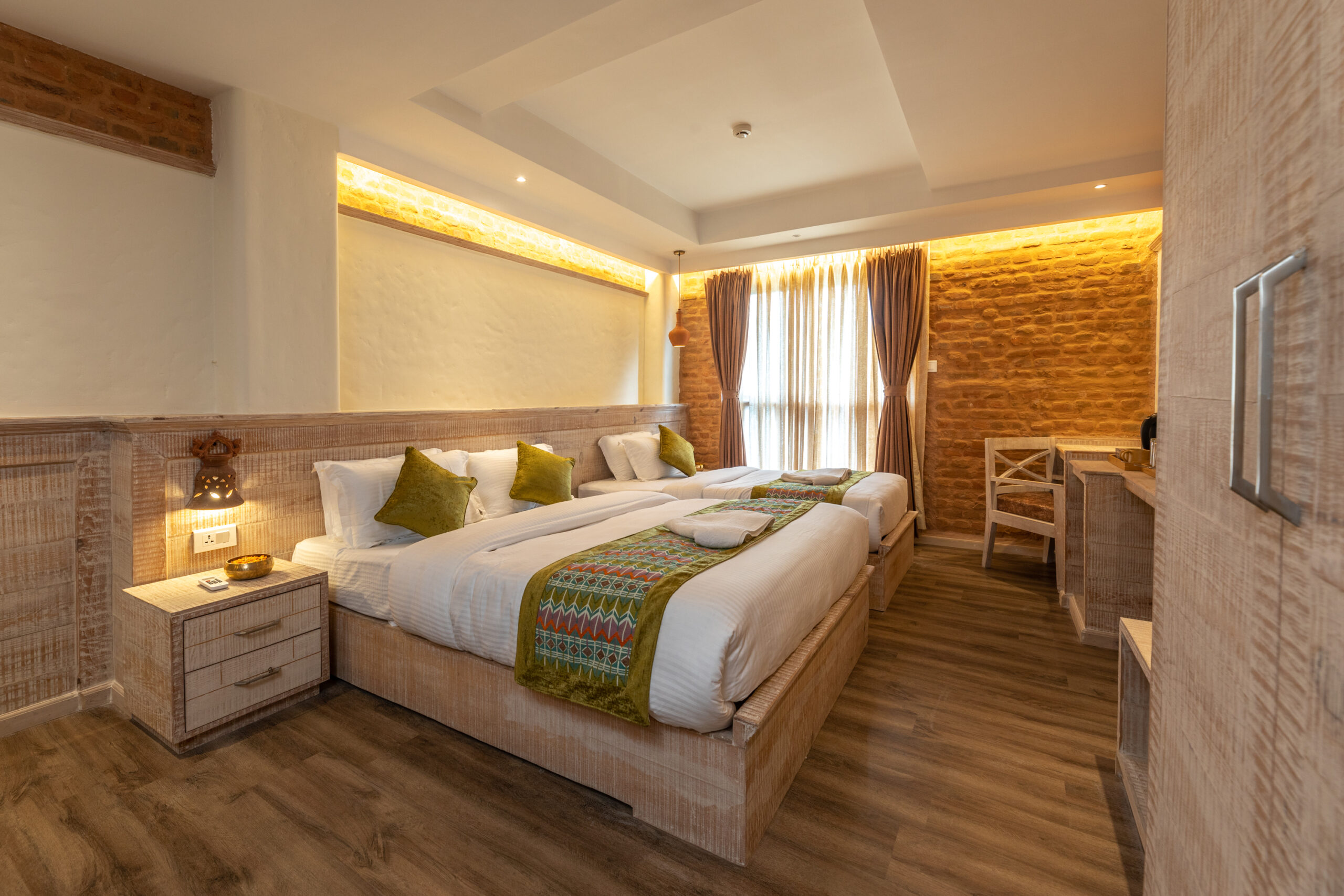
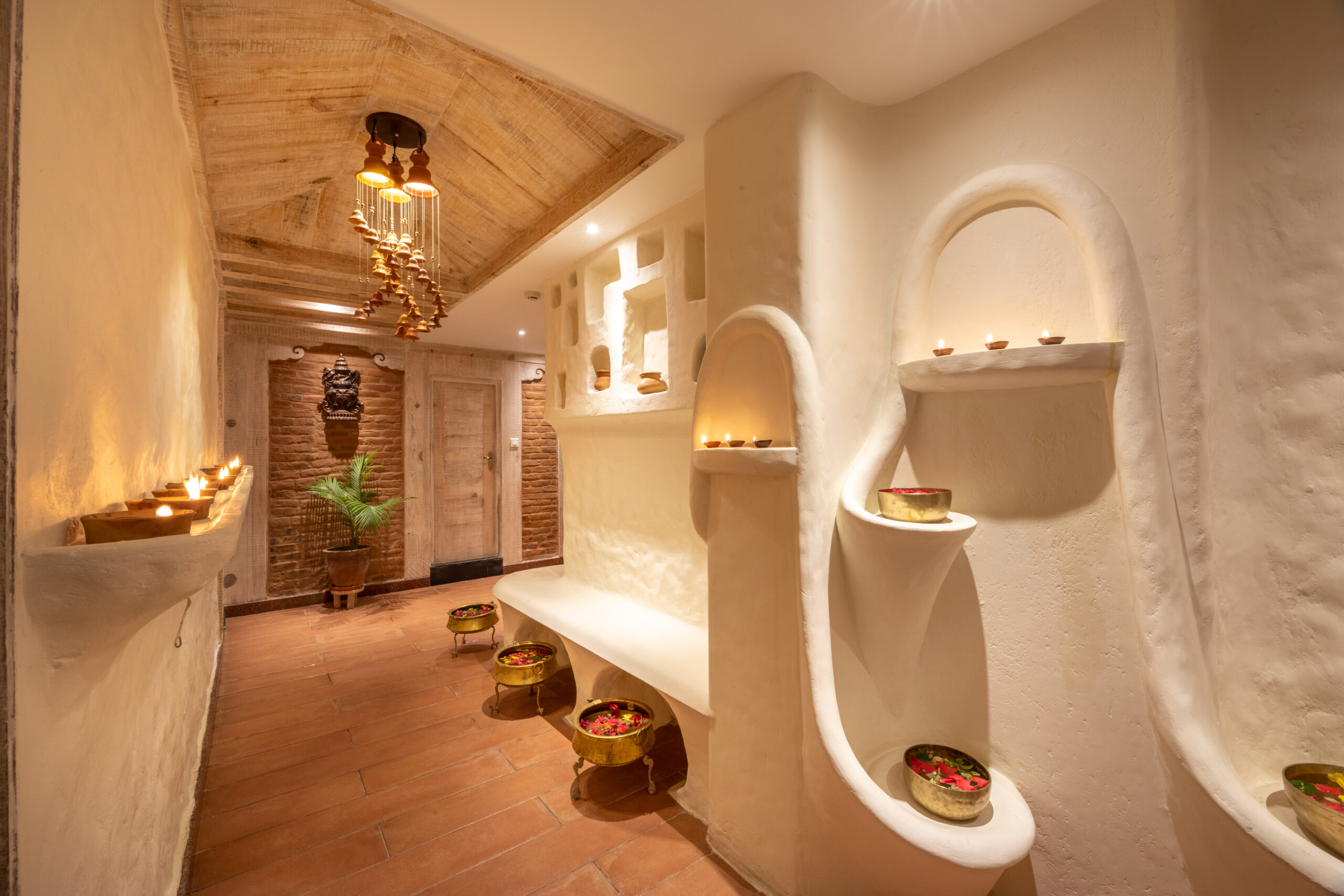
Accommodation and Facilities
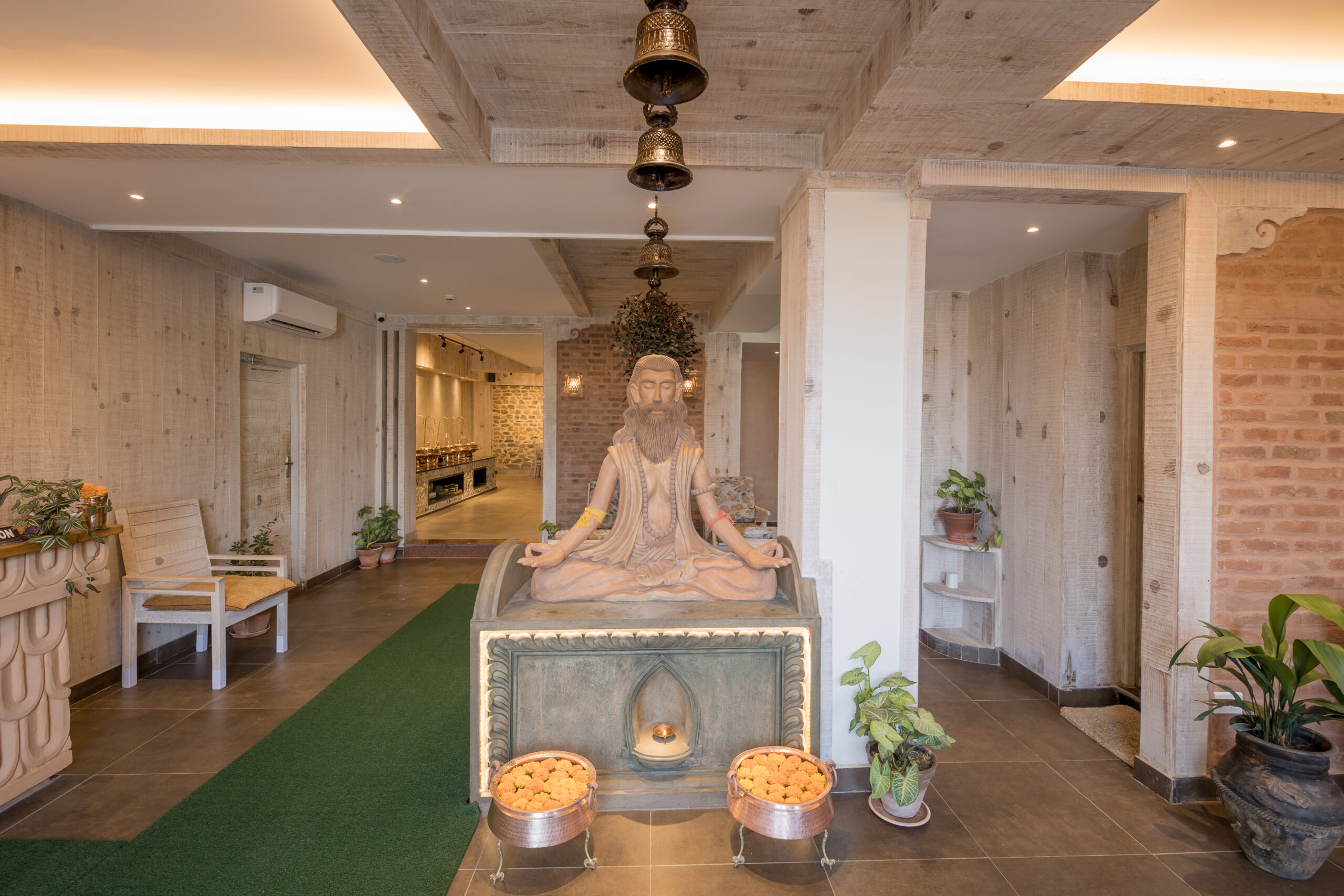
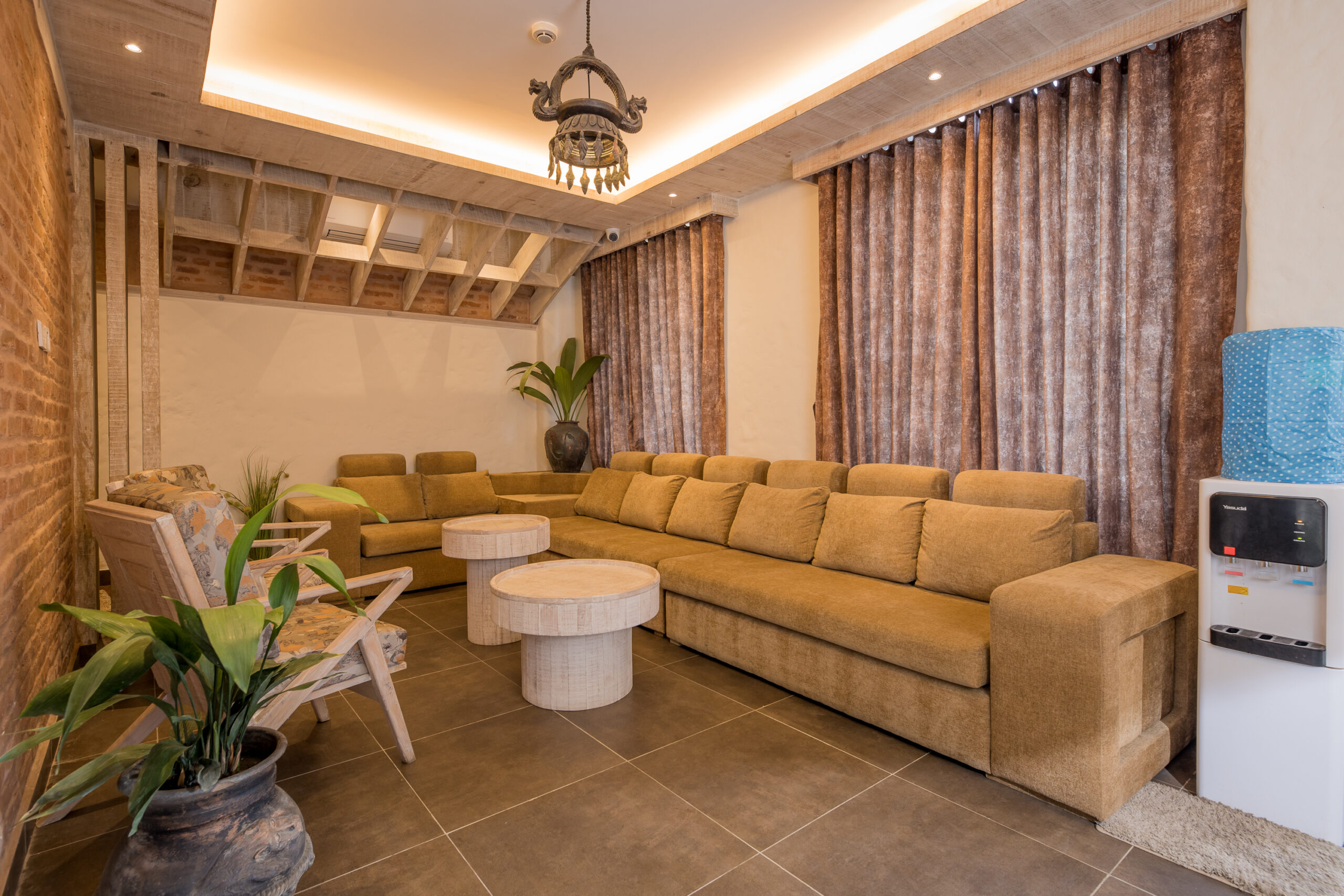
A month of therapy needs a quiet, comfortable base, and the school is set up for that. This Kathmandu retreat sits in the peaceful environment of Najarjun National Park.
Four weeks is a long time, so a comfortable room and a quiet space matter. You can rest between therapies, read or work online with Wi-Fi, which suits a month long Panchakarma detox.
Rooms and Campus
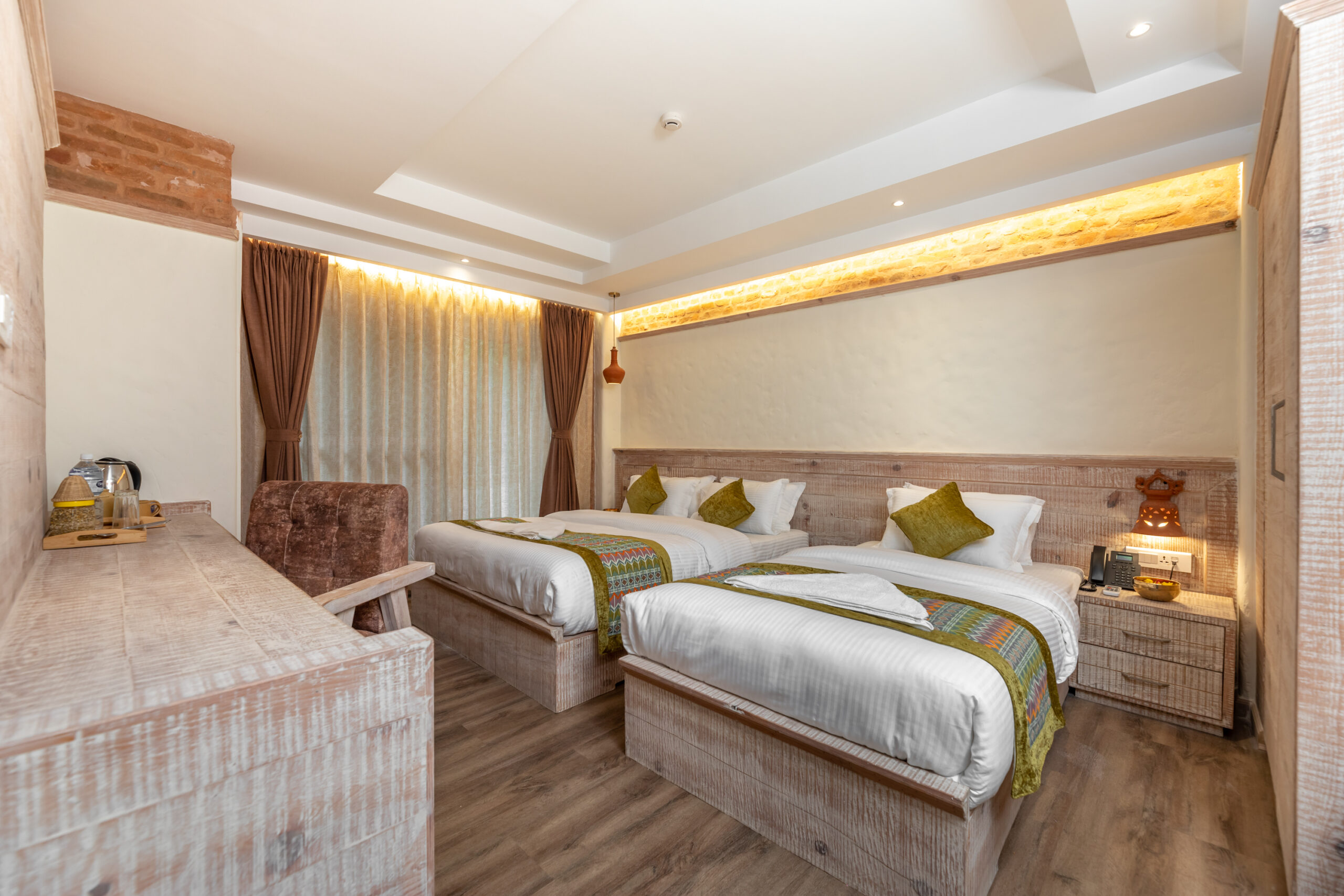
- Rooms with Wi-Fi and hot water
- Every rooms has attach bathroom with airconditioning
- Deluxe rooms has Balcony
- Deluxe rooms are in main building and standard rooms in 2 minutes walking distance
- Views of Himalaya, Kathmandu, nearby villages and the Nagarjun jungle
- We have 4 category of rooms you can choose as your comfort
This Himalayan Ayurveda retreat sits about 20 minutes from Thamel, so the city stays close while the campus stays calm. Our services and facilities page lists everything on site.
What Is Included and Excluded
Clear lists save questions later, so here is what this Panchakarma detox in Nepal and 1 month Ayurveda retreat in Nepal covers.
Included in Your Retreat
- 29 days and 28 nights of accommodation at Nepal Yoga Home
- An Ayurveda doctor consultation and follow ups
- Panchakarma therapy according to the doctor's instructions
- Daily yoga classes, relaxation, chanting and meditation
- Three vegetarian meals a day
- Water and herbal teas are available throughout the day
- Wi-Fi and use of campus facilities
Not Included
- International and domestic flights
- Airport pickup and drop, available at an extra cost
- Special food orders and laundry
- Personal expenses such as souvenirs
- Visa fees and travel insurance
Good to Know About Your Booking
- We prefer the 1st of every month but flexible for other dates too. Start dates depend on availability, so contact the team with your preferred month
- Share health notes, allergies and food needs when you inquire
- The team confirms your therapy time and type on arrival
- Airport pickup is optional and costs extra
How to Reach Nepal Yoga Home
Take a taxi from the airport or Thamel and follow these landmarks.
- Go to Machhapokhari, then Balaju Bypass
- Continue straight along the Trishuli highway to Fulbari Gate, also called the army gate or Rajdurbar gate
- Turn right onto the road toward Goldhunga and drive about 700 meters to the Nepal Yoga Home sign
- If you feel lost, give the driver our number: +977-9849521819 or +977-9851167373
The ride takes about 40 minutes from the airport and 20 minutes from Thamel. Airport pickup costs extra, so message us on WhatsApp to arrange it.
How to Prepare Before You Arrive
A little preparation helps your body and mind start the retreat calmly.
In the Weeks Before
- Go to bed a little earlier
- Eat lighter, simpler meals
- Reduce alcohol and heavy food
- Write down your health questions for the doctor
What to Bring for the Consultation
- A list of medicines and supplements you take
- Notes on allergies, injuries and past surgeries
- Any recent medical reports you wish to share
A Calm Mindset
Plan to move slowly. A long term Ayurvedic detox program rewards patience, so give yourself permission to rest.
What to Pack for the Retreat
Pack light and comfortable for a month of therapy and yoga.
- Loose, comfortable clothes for yoga
- Old or dark clothes for therapy days, since oil can stain
- Warm layers for early mornings and evenings
- A notebook for talks and daily notes
- A light scarf to keep warm after therapy
- A refillable water bottle and any personal medicine
- A personal yoga mat if you prefer one, since the school provides mats and props
Keep Your Routine After the Retreat
The retreat ends after 29 days, and a few small habits help you keep what you learned.
Simple Habits to Bring Home
- Keep a regular wake-up and bedtime
- Practice 20 minutes of gentle yoga in the morning
- Sit quietly for a few minutes each day
- Eat at regular times and favor simple, warm food
Plan Your Next Step
Many people come back for a longer stay once they know the school, and some return for another Ayurvedic retreat in Nepal. If you want to study yoga in depth, our 200-hour yoga teacher training in Nepal is a good next step. You can also message us on WhatsApp to ask about your plan.
Reserve Your Place in the 29-Day Panchakarma Retreat in Nepal
Ready for a one month Panchakarma retreat in Nepal that gives you a full month of care? Send an inquiry through the booking page, or mail us nepalyogahome@gmail.com or message the team on WhatsApp at +977-9849521819 or +977-9851167373.
- Tell us your preferred start month
- Share any health, food or allergy notes
- Ask any question about the consultation or therapies
Want even more time at the school? Our one month yoga retreat in Nepal and Ayurveda retreat in Nepal suit longer stays. You can also visit our FAQ page.
Frequently Asked Questions About the Panchakarma Retreat in Nepal
These short answers cover what guests ask most often before they book a Panchakarma retreat in Nepal.
How Long Is the Panchakarma Retreat?
The 29 day Panchakarma retreat in Nepal lasts 29 days and 28 nights, from check-in to check-out.
What Is Panchakarma?
Panchakarma is a traditional Ayurvedic cleansing method. Its name means five actions, and your doctor chooses which therapies suit you in this Panchakarma retreat in Nepal.
When Will I Know My Therapy Time?
You get your therapy type and time on arrival, after your consultation with the Ayurveda doctor.
Is There a Day Off?
Yes. Sunday is a day off. Your doctor confirms if any therapy continues that day.
How Many Therapies Do I Receive Each Day?
You receive one Panchakarma therapy each day, chosen by your doctor after your consultation. Its classical medical system many therapy can’t mix together so will go very systematic and professional way.
What Is the Difference Between Panchakarma and a Spa Massage?
A spa massage aims at relaxation. Panchakarma follows a doctor's plan with preparation, main therapies and recovery, and it uses specific treatments chosen for you.
Is Panchakarma Safe for Everyone?
Panchakarma can be suitable for many people, but treatments should always be personalized according to individual body constitution, health conditions, and specific needs
Is the Evening Yoga Class Required?
No. The 5:45 pm class is a bonus, and you can skip it. Sometimes the team uses that slot for therapy.
Do I Need Yoga Experience?
No. The yoga is gentle, and teachers can suggest easier options.
Can I Join If I Have a Health Condition?
Many guests can, but you should tell the team before booking. The doctor may adjust your plan or suggest you speak with your own doctor first.
What Should I Bring for Therapy Days?
Bring old or dark clothes, since oil can stain, and a warm layer for after your session.
Is Airport Pickup Available?
Yes. Pickup and drop service is available on request at an extra cost. Send your flight details on WhatsApp.
Why Is Panchakarma Important for Modern Human Beings?
Modern lifestyles often bring stress, irregular eating habits, physical inactivity, and insufficient rest. Panchakarma offers a traditional Ayurvedic approach to cleansing and rejuvenation through personalized therapies, proper nutrition, and relaxation. Combined with yoga, pranayama, and meditation, it encourages a more mindful lifestyle and greater attention to physical and mental well-being.
ॐ शान्तिः शान्तिः शान्तिः।
May there be peace in the body, peace in the mind, and peace in all beings.
Om Peace, Peace, Peace.