by Nepal Yoga Home | Oct 7, 2026 | Ayurveda
An Ayurveda retreat in Nepal blends natural treatments, yoga, simple food and a calm daily rhythm. Most guests arrive curious and a little unsure what their days will look like.
This guide walks you through a typical Ayurveda retreat in Nepal, from the first consultation to the last meal. You will see what each part involves, so you can plan with confidence.
We cover seven things to expect, from treatments to food. If you are new to the topic, start with our introduction to Ayurveda.
Ayurveda Retreat in Nepal
- What you do: receive treatments, practise yoga, eat simple meals and rest
- Typical length: four nights to one month
- Who it suits: beginners, tired professionals, yoga students and anyone who wants a slower pace
- Before you book: talk to your doctor if you have a health condition
7 Things to Expect at a Glance
|
What happens |
Why it matters |
| 1 |
Arrival and consultation |
Shapes your plan |
| 2 |
Daily treatments |
Relaxes body and mind |
| 3 |
Yoga and breathing |
Builds energy and calm |
| 4 |
Meditation |
Settles the mind |
| 5 |
Simple vegetarian food |
Supports digestion |
| 6 |
A fixed daily routine |
Resets your body clock |
| 7 |
Rest and community |
Lets the process sink in |
1. Arrival and Consultation
Your Ayurveda retreat in Nepal starts with a conversation. The team asks about your health, sleep, digestion and energy levels. They then suggest a plan that fits your needs.
Be honest here. Mention medication, injuries, allergies and any past surgery, because the team can only adjust your plan if they know your history. You can also read about the setting on our services and facilities page before you arrive.
2. Daily Treatments
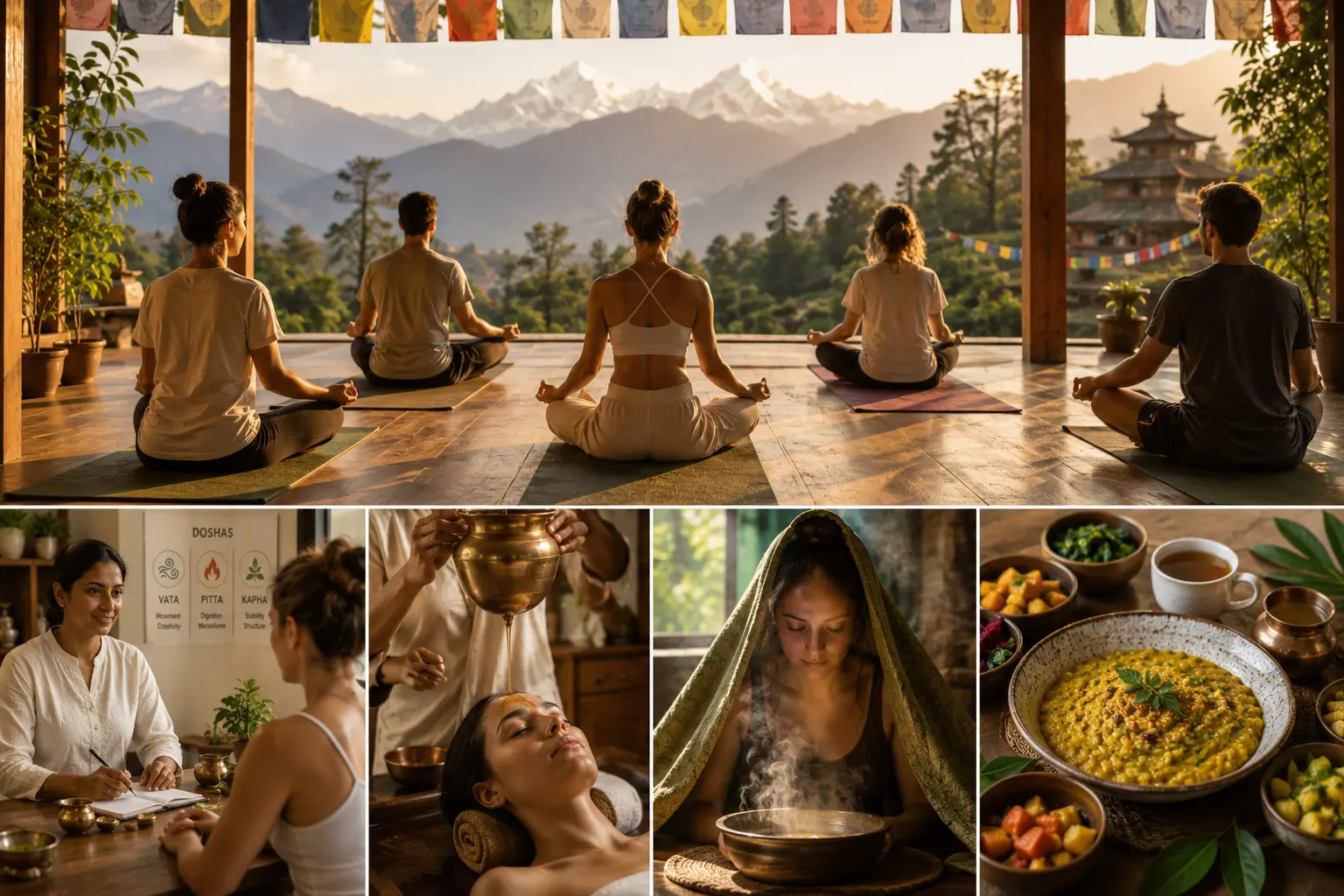
Treatments are the heart of an Ayurveda retreat in Nepal. Your plan may include:
- Warm oil massage
- Herbal steam or gentle sweating
- Herbal teas and simple remedies
- A Shirodhara session, where warm oil flows slowly over the forehead
Each therapy has a purpose, and your practitioner explains it before you begin. Expect to feel relaxed, sleepy and sometimes a little tired. That is normal, so plan quiet afternoons.
3. Yoga and Breathing
Yoga fills your mornings. Classes stay gentle and suit beginners, with breathing practice at the start or end of each session. Our teachers guide you through simple postures and explain every step.
If you want more movement, a one-week yoga detox retreat puts extra focus on practice. You do not need experience for any of it.
4. Meditation
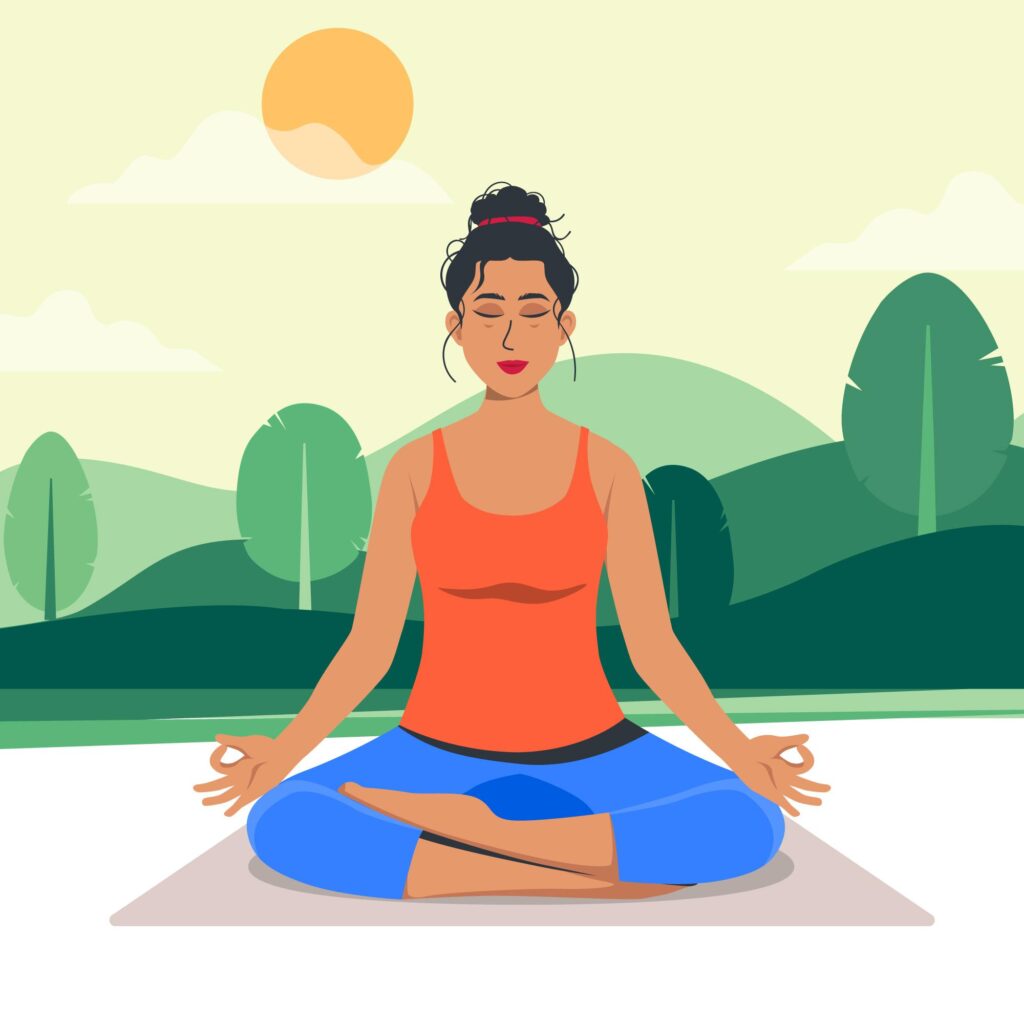
Most days include a short meditation. You sit quietly, watch your breath and let your thoughts settle. Many guests find this part hard on day one and easier by day four.
You can go deeper with our meditation classes once you feel comfortable. Short sits are fine at the start.
5. Simple Vegetarian Food
Food does a lot of work during an Ayurveda retreat in Nepal. Meals stay vegetarian, warm and freshly cooked. You eat rice, lentils, steamed vegetables, soups and mild spices.
Here is what to expect on your plate:
- Warm water or herbal tea in the morning
- A light breakfast
- A fuller lunch, the main meal of the day
- A small, early dinner
Tell the kitchen about allergies or dietary needs on arrival. Coffee, alcohol and heavy fried food usually stay off the menu.
6. A Fixed Daily Routine
Routine keeps the retreat steady. A sample day looks like this:
| Time |
Activity |
| 6:00 am |
Wake up, warm water |
| 7:00 am |
Yoga and breathing |
| 8:30 am |
Breakfast |
| 10:00 am |
Treatments |
| 12:30 pm |
Lunch |
| 2:00 pm |
Rest or a quiet walk |
| 4:30 pm |
Meditation or light yoga |
| 6:30 pm |
Dinner |
| 9:00 pm |
Sleep |
Times shift between programs, but the pattern stays the same. Early nights and regular meals help your body settle fast.
7. Rest and Community
You also get time to do nothing. Read, write, walk or talk with other guests over tea. Many people say the friendships they made were as valuable as the treatments. You can see the setting in our gallery.
How Long Should You Stay?
Length changes what you get from an Ayurveda retreat in Nepal. Choose based on your time and goals.
First-timers often feel best with seven to ten days. You can always extend your stay later.
What to Pack?
Pack light and think comfort:
- Loose, soft clothes for yoga and treatments
- A warm layer for cool mornings and evenings
- A water bottle and a notebook
- Any prescribed medicine
- Slippers that slide on and off easily
Who Should Be Careful?
An Ayurveda retreat in Nepal suits most people, but not everyone. See your doctor first if you are pregnant, take regular medication, have a chronic condition or had recent surgery. Share your history with the team, and never stop prescribed medicine on your own.
Final Thoughts
An Ayurveda retreat in Nepal gives you a simple routine, kind care and space to slow down. Pick a length that fits your life, share your health history and arrive with an open mind.
Read what past guests say on our testimonials page, then contact us with questions or book your stay. You can also browse our full list of yoga retreats in Nepal.
Frequently Asked Questions
What happens on the first day of an Ayurveda retreat in Nepal?
You arrive, settle into your room and meet the team for a consultation. They then explain your plan and daily schedule.
Do I need yoga experience?
No, you can join as a complete beginner. Teachers adjust every class to your level.
Is the food always vegetarian?
Yes, meals stay vegetarian and freshly cooked. Let the kitchen know about allergies or special needs.
Can I join if I am travelling alone?
Yes, many guests come solo and quickly meet others. The small group setting makes it easy to feel at home.
How do I choose the right program?
Think about how many days you have and what you want from the stay. Our team can help, and you can find more answers on our FAQ page.
by Nepal Yoga Home | Sep 13, 2026 | Ayurveda
Are you thinking about booking your first Ayurveda retreat? Even though if you hear it’s easy, it isn’t a spa weekend with candles and soft music playing somewhere in the background.
Most people show up not knowing what to expect. Will a doctor be poking around? Is panchakarma going to hurt? What do you actually do all day?
That’s what this guide is for. Nepal has quietly turned into a go-to spot for an Ayurveda Retreat in Nepal due to Himalayan herbal traditions and prices that don’t rival a mortgage payment.
1. What is an Ayurveda Retreat?
Skip the wellness-brochure language for a second. An Ayurveda retreat is a medically guided stay, a real Ayurvedic doctor examines you on arrival, works out your dosha and builds a plan for your body specifically rather than handing you the same menu as everyone else at the center.
That’s the actual difference between this and an ordinary yoga vacation. It’s also why guests keep flying in from Europe and the US for our two-week ayurveda yoga detox in Nepal instead of just booking a spa day back home.
2. Why Nepal, of All Places?
A few reasons come up again and again when guests explain why they chose Nepal over India or somewhere closer to home:
- It borders India, where Ayurveda started, so the doctors and herbs here trace back to the source, not a diluted version sold abroad.
- Prices run well below the US, UK or even parts of India. Sometimes half, sometimes less.
- Kathmandu Valley’s outskirts are quiet enough that slow mornings and long treatments don’t feel rushed the way they might at a busy city hotel.
- You can add trekking or temple visits around a longer program like the 10-days Ayurveda retreat without much extra planning.
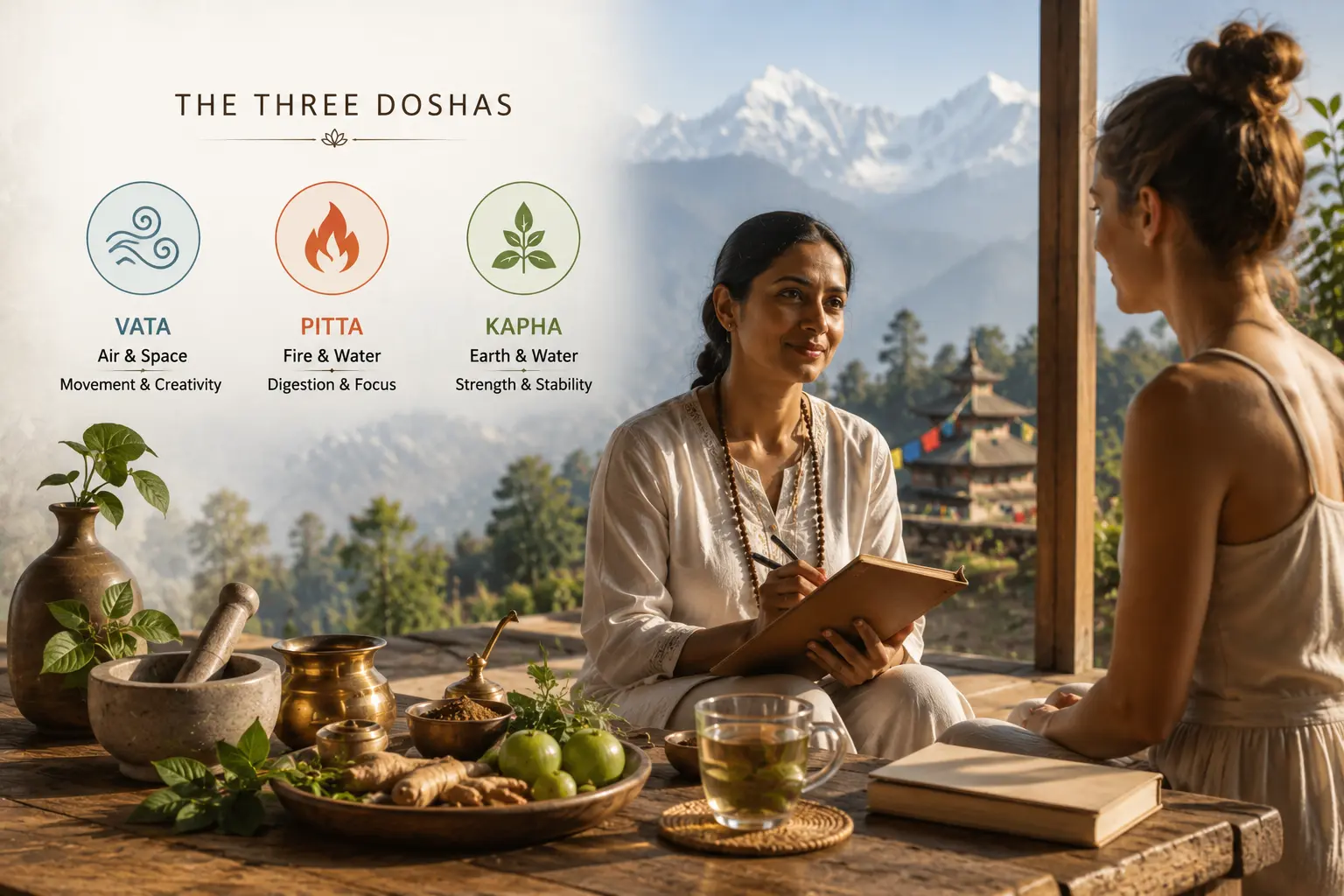
3. The Three Doshas
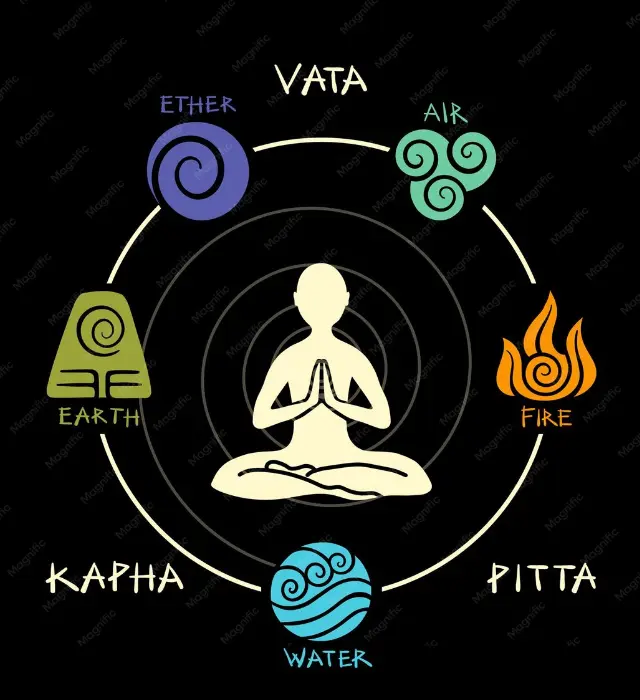
Here are the three doshas that you will be working with during the Ayurveda retreat in Nepal:
| Dosha |
Element |
What It Tends to Govern |
| Vata |
Air and space |
Movement, circulation, nervous energy |
| Pitta |
Fire and water |
Digestion, metabolism, body heat |
| Kapha |
Earth and water |
Structure, immunity, fluid balance |
A doctor figures out which of these is running the show in you, or which one’s gone out of balance, and that reading shapes your meals, your massages, even which herbs you’re given.
4. What Actually Happens, Step by Step?
Here’s what happens during our Ayurveda retreat in Nepal:
- Arrival consultation: Pulse check, a rundown of your health history, dosha confirmed.
- Panchakarma therapies: Lighter or fuller versions of the five classical actions, depending on your health and how long you’re staying.
- Daily yoga and pranayama: Built around whatever the doctor’s treating that week, not a generic sun salutation routine.
- Dosha-based meals: Food chosen to calm your dominant dosha instead of stirring it up further.
That’s the rhythm our 3-week Yoga and Panchakarma Retreat in Nepal follows, just stretched out long enough for the deeper stages, like Basti and Virechana, to actually take effect instead of barely getting going.
5. How Long Should You Actually Stay?
Here’s a tabular presentation of your stay during an Ayurveda retreat in Nepal:
| Duration |
Best For |
Outcome |
| 3–4 days |
Curious first-timers |
A light reset, nothing dramatic |
| 1–2 weeks |
Genuine detox goals |
Better digestion, sleep, energy |
| 3 weeks |
Chronic issues, deeper healing |
The full panchakarma cycle |
If you’re only doing this once, three weeks tends to be where results from an Ayurveda retreat actually stick rather than fade the second you’re back home.
6. Who Should Think Twice
Most healthy adults can go ahead with any Ayurveda retreat without issue, but a few groups should check with a doctor first, or skip the more intense therapies entirely:
- Pregnant guests
- Anyone with a hernia or peptic ulcer
- Recent surgery patients
- People managing a serious chronic illness
None of this rules you out automatically. It just means the plan needs adjusting. Say something before booking, and your version can be built around it from the start.
7. What It Costs, Honestly
A short stay starts in the low hundreds of dollars. A full three-week Ayurveda retreat, ours included, climbs into the low thousands once you count accommodation, meals, and every therapy session.
That’s still affordable than most comparable Ayurvedic centers elsewhere. NCCIH has decent background reading if you want the medical context before handing over any money.
Most centers, ours too, will break the price down by therapy type if you ask, so you’re not paying blindly for a bundle.
When to Go, and How to Prepare
Autumn and spring bring the clearest skies and easiest temperatures to the Kathmandu Valley, according to seasonal notes from Nepal’s official tourism board, so either season suits an ayurveda retreat well.
Summer rain and winter’s chillier mornings aren’t dealbreakers, but they do change how the days feel.
A few things worth sorting out before you fly:
- Cut back on caffeine and alcohol about a week ahead, so your body isn’t dealing with withdrawal on top of detox.
- Ease off heavy or processed food before arriving.
- Pack loose, breathable clothing for yoga and treatments, plus something warmer for cooler evenings.
- Expect day one and two to feel like an adjustment rather than a holiday.
Ready to book? Our Ayurveda retreat in Nepal covers everything above: the consultation, the panchakarma, the yoga, the meals and it’s still the program we point most first-timers toward.
The Bottom Line
Going in with the right expectations makes all the difference. An Ayurveda retreat in Nepal isn’t a resort stay with yoga on the side, it’s a slower, more deliberate process built around your dosha, with a few adjustment days before things start to click.
First-timers who understand that tend to leave with real results, while those expecting instant relaxation often miss the point. If you’re unsure how much time to commit, start small with a 3–4 day stay and build from there, or go straight for a longer program if you already know you want deeper change.
Either way, talk to the center beforehand, be honest about your health, and pack for a reset rather than a getaway. Do that, and Nepal makes a genuinely solid place to try this for the first time.
Frequently Asked Questions
Is it awkward to go alone?
Not really. Most guests on our one-month Ayurveda and yoga detox retreat show up solo, and since treatment follows your own dosha rather than a group timetable, you’re rarely actually “with a group” during therapy hours.
Will I be able to communicate with the doctors?
Yes. English is widely spoken at established Ayurveda retreat centers around Kathmandu. Consultations and follow-ups run in English as standard, no translator needed for most guests.
Is the food strictly vegetarian?
Almost always, since the diet plan follows your dosha rather than any meat-based menu. Flag allergies at booking so the kitchen can work around both.
Can couples or friends book together?
Sure, plenty do exactly that on our 3-week Yoga and Panchakarma Retreat in Nepal. You’ll each still get your own consultation and plan, since one person’s dosha has nothing to do with the other’s.
What should I pack besides clothing?
A journal, whatever medication you’re currently on, and honestly, an open mind helps too. Panchakarma days can stir up more emotionally than you’d expect, so it’s better not to arrive with too fixed an idea of how each day should unfold.
by Nepal Yoga Home | Sep 4, 2026 | Ayurveda, Yoga
Yoga and Ayurveda in Nepal, most people treat these like two separate things but they’re not and never really were. They grew up side by side, centuries back, built as one thing from the start.
Yoga’s the part everyone knows: stretching, breathing and every other thing. Ayurveda’s the quieter half, the part that actually tells your body what to do with it.
Our comprehensive blog will help you understand yoga and Ayurveda in Nepal. Read until the end of our blog to understand everything in simple words.
Why Yoga and Ayurveda in Nepal Belong Together?
Yoga and Ayurveda have same root, not even similar but the same. However, a lot of people are unaware of this simple fact. Old Vedic knowledge, the Indian subcontinent, and one core belief running under both: your body and your mind were never separate to begin with.
Yoga works the mind, movement, breath and sitting still for once in your life. Ayurveda handles the rest: food, routine, herbs and hands-on work, all built around what your particular body actually needs.
Combine them and you get more than either one alone gives you. At Nepal Yoga Home, we are not saying this for the website copy. It’s just how they’ve run things, years now.
What is a Dosha and Why Should You Care?
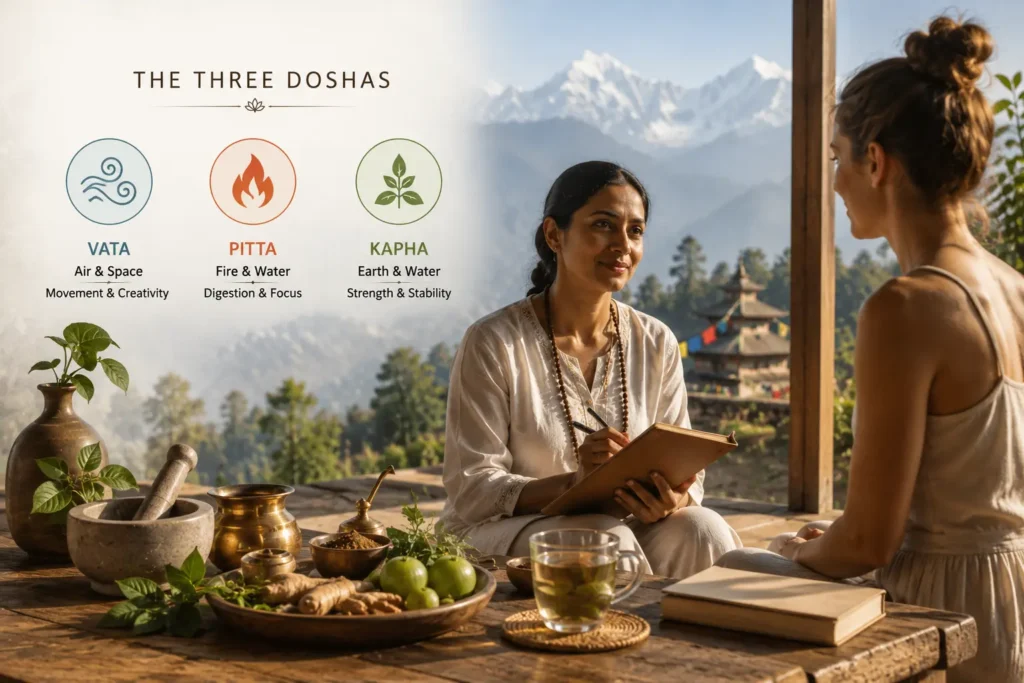
Before you touch a mat, someone checks your dosha. It’s your body-mind type, basically, and it decides what you eat and how you move, whether you actually sleep at night or just lie there.
There are three types in Ayurveda:
- Vata, air and space, gives you movement and ideas but too much and your mind won’t shut off.
- Pitta, fire and water, runs digestion and focus, push it too hard and you’re irritable, overheated.
- Kapha, earth and water, that’s your strength, your steadiness, but leave it too long and things get sluggish.
Nobody’s just one of these. Most people are a mix, one usually louder than the rest.
The National Center for Complementary and Integrative Health says Ayurveda’s been used in India this way for thousands of years, keeping doshas balanced through diet and herbs and daily routine.
Nepal Yoga Home’s Ayurveda retreat program runs on that same idea.
How Your Dosha Shapes Your Yoga Practice?
Food’s not the only thing that shifts, your actual practice does too.
In high Vata, you’ll go slow and stay grounded. High Pitta allows you to cool down, do restorative work and skip anything that builds heat. However, in high Kapha, you’ll flip it, go faster and put in more energy to shake off the heaviness.
Which is why nobody gets handed the same weekly plan here. What works changes depending on where you’re at that week.
A Day of Yoga and Ayurveda at Nepal Yoga Home
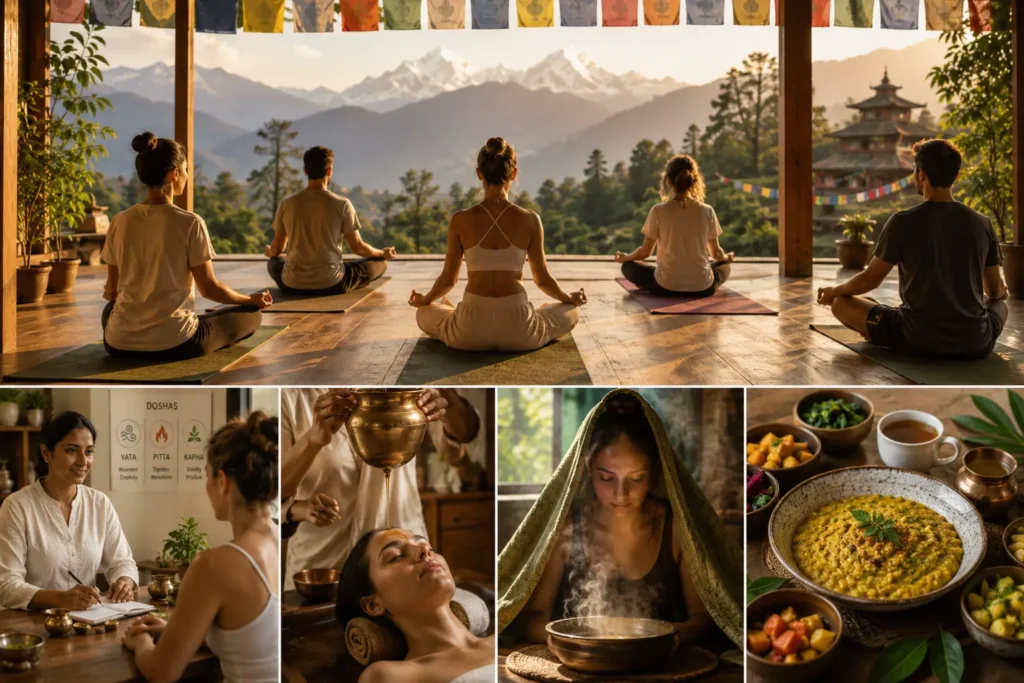
At Nepal Yoga Home, your mornings start early. You’ll complete yoga, pranayama and breathing work before anything else happens.
Then you’ll have a short meditation sit followed by a quick word with the Ayurvedic doctor somewhere in there, therapy, massage maybe or steam.
With us, you’ll have your meals built around your dosha. Evenings slow down, nothing intense, just movement or quiet.
As simple a it looks, it adds up fast though. Most people say the real change isn’t in the body, it’s how quiet their head gets by day three or four.
Common Ayurvedic Treatments You Might Try
Here are some of the common ones that you may want to try:
- Abhyanga, a warm oil massage, calms your nervous system and gets blood moving.
- Shirodhara, oil dripped slowly across your forehead. People call it the calmest part of the whole thing.
- Mini panchakarma, a smaller version of the classic detox, built around your dosha.
Look into Shirodhara sessions or the yogic detoxification process before deciding anything.
What You Can Actually Expect to Feel?
Nobody comes here expecting nothing. Digestion settles in a few days, sleep gets better by week’s end, fog lifts more than expected and your energy stays even, no crashing by 3 pm.
As beautiful and soothing as it seems, it actually works. This is what happens when you eat right, move daily and actually get quiet for once.
Is This Right for Beginners?
Yes. No background needed, none. That’s the whole reason for checking your dosha first, meets you where you are.
Burned out, disconnected, whatever brought you here, therapeutic Yoga is a softer start before the full retreat. However, if you can’t keep going, our yoga Teacher Training exists for that. Yoga Alliance registered schools follow global standards, in case that matters to you.
Choosing the Right Program Length
This is the subject that matters more than people think. Three to ten days for a first taste.
Two Weeks Ayurveda and Yoga Detox Course for something deeper. One Month Ayurveda and Yoga Detox Course for real, lasting change.
Final Thoughts
Yoga and Ayurveda in Nepal were never two separate things, as they were always one system. Your body already knows how to heal, it just needs the right setup.
Whether you want it for three days or thirty, it doesn’t matter. Come join us at Nepal Yoga Home and leave with something you’ll actually use, not just a photo.
Frequently Asked Questions
Can I do a yoga and Ayurveda retreat in Nepal if I only want the yoga, not the treatments?
Honestly, most places bundle both in by default, that’s just how the packages are built. But ask first, some schools will actually shift the mix around if treatments aren’t your thing.
Do I need to be vegetarian to join a yoga and Ayurveda program?
Not really, though you’ll be eating vegetarian or vegan food while you’re there either way. It’s not some rule, your food’s just picked to go easy on digestion during the program.
Is Nepal a good place for this compared to India, where Ayurveda actually comes from?
It holds up fine and a lot of the practitioners here are trained in the same lineages you’d find in India. Plus it’s quieter, with fewer crowds than the bigger Ayurveda spots across the border.
Are yoga and Ayurveda retreats suitable for older adults?
Yes, and the schedule gets tailored anyway once someone checks your dosha and general health. Just mention anything going on health-wise beforehand, so your progress is continuous.
How soon will I notice results from combining yoga and Ayurveda?
Sleep and digestion usually shift within the first few days, that part’s fairly quick. The bigger stuff, steady energy and real clarity- takes longer, closer to a week before it actually works.
by Nepal Yoga Home | Aug 28, 2026 | Ayurveda, Yoga
Most people arrive at an Ayurveda and yoga detox retreat in Nepal expecting a spa holiday. By the time you leave, you’ll have gone through something closer to a full reset than a few relaxing days.
That’s the real difference between a wellness weekend and a proper detox program. One relaxes you for a while. The other changes how your body handles food, stress and sleep long after you’ve flown home.
At Nepal Yoga Home, we’ve been guiding guests through exactly this kind of transformation for over 15 years, from our forested retreat centre just five kilometres outside Kathmandu, near Nagarjuna Hill.
If you’re weighing up a two-week stay against a full month, here’s exactly what to expect, day by day, therapy by therapy, so you can choose the right one for you.
What is an Ayurveda and Yoga Detox?
Ayurveda treats your body as a balance of three doshas, including Vata, Pitta and Kapha. When that balance tips, Ayurveda calls the buildup “ama,” or toxins.
These toxins aren’t just about diet. They build up from poor digestion, disrupted sleep, stress, pollution and simply living faster than your body can process.
An Ayurveda and yoga detox retreat in Nepal is built to clear that buildup using two tools together. Our Ayurvedic therapies work on the physical layer, while your yoga and pranayama sessions work on your nervous system and mind.
That pairing is what separates a genuine Ayurveda and yoga detox retreat in Nepal from a generic massage package. You won’t just get rubbed with oil and sent on your way rather, you’ll follow a plan our doctor designs specifically for your constitution.
The Opening Consultation and Dosha Assessment
Every one of our programmes starts here, not with a massage table. On your first morning with us, our Ayurvedic doctor will sit with you for a proper consultation.
They’ll check your pulse, ask about your digestion, sleep patterns, stress levels and any ongoing health concerns.f From this, they’ll determine your Prakriti and your current imbalance.
That single conversation shapes everything you do with us afterwards:
- Which therapies you’ll receive, and in what order
- The oils and herbs suited to your dosha
- Your daily diet plan
- How your yoga sessions will be paced
No two guests on our Ayurveda and yoga detox retreat in Nepal follow an identical schedule, because no two bodies arrive in the same state.
Two-Week Program: Week-by-Week Breakdown
Fourteen days is our most popular length for first-timers. It’s long enough for you to see real change, short enough to fit around a holiday or a career break.
| Phase |
Days |
Focus |
| Preparation (Purvakarma) |
1–3 |
Doctor consultation, gentle oil massage (Abhyanga), light diet to prepare your digestion |
| Core Therapy |
4–10 |
Daily Ayurvedic treatments, steam therapy, targeted yoga, dietary restriction |
| Rejuvenation (Rasayana) |
11–14 |
Lighter therapies, restorative yoga, gradual reintroduction of regular food |
The first few days are deceptively gentle. Your body needs to be prepared before deeper therapies can do any real work.
By the middle week, you’ll likely notice clearer digestion and better sleep. It’s also the week most guests find hardest, because the diet is at its strictest and old habits tend to protest.
The final days ease you back out gently, so you leave feeling lighter and calmer, with a diet and routine you can actually keep up at home. If two weeks fits your schedule best, our Two Weeks Ayurveda and Yoga Detox Course page has exact dates and pricing.
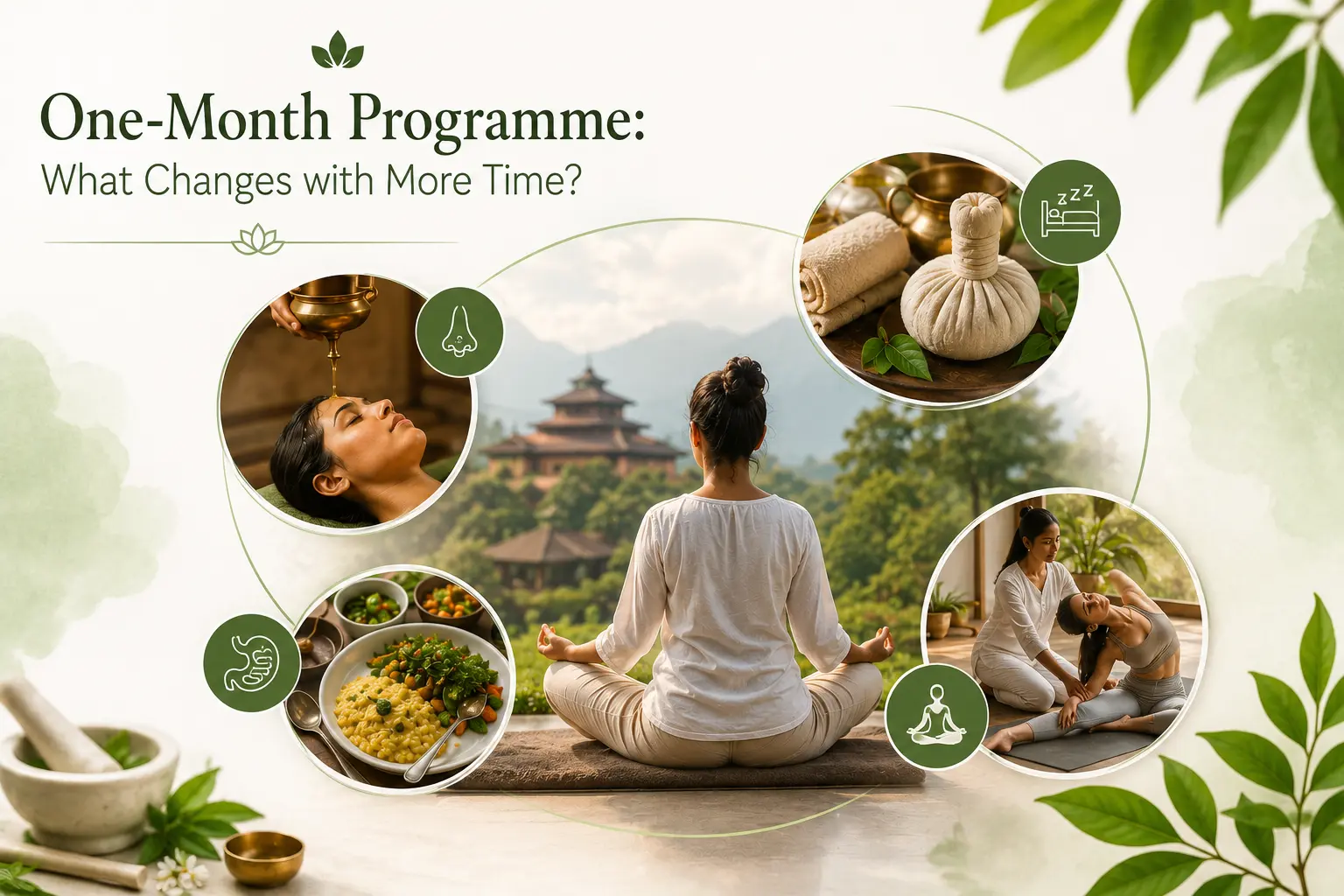
One-Month Program: What Changes with More Time?
A month with us doesn’t just double your number of therapy sessions. It changes the depth of what we can offer you.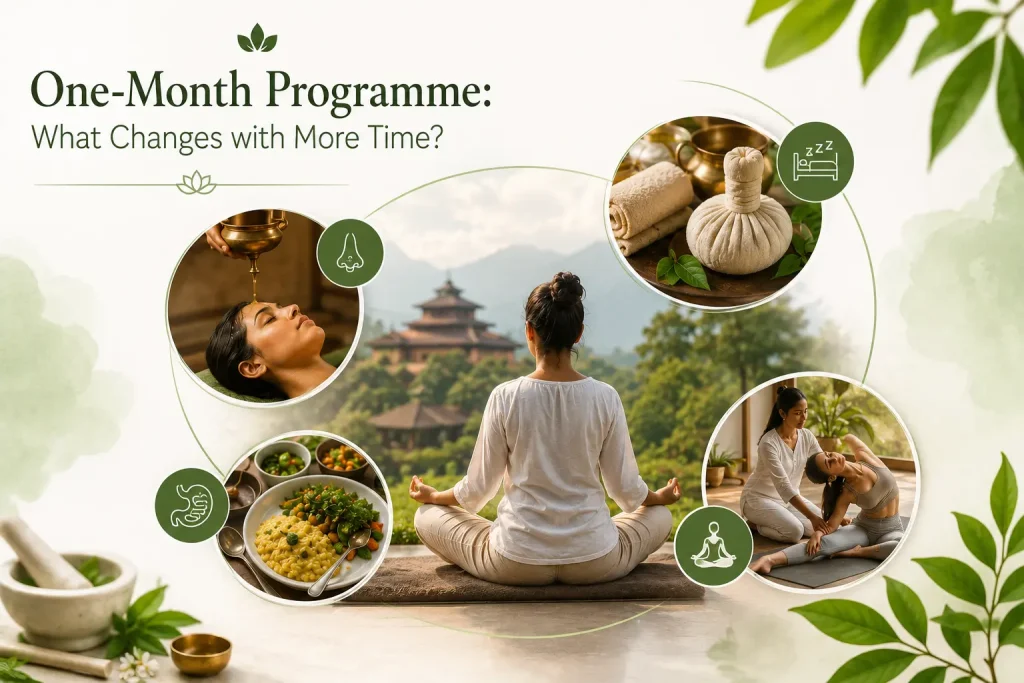
Where our two-week Ayurveda and yoga detox retreat in Nepal focuses on surface-level cleansing and dosha balancing, our one-month programme has room for full Panchakarma stages, the five classical purification therapies, applied in proper sequence rather than a shortened version.
A few things your longer stay allows for:
- Deeper Panchakarma stages, including therapies like Basti (medicated enemas) and Nasya (nasal therapy), which need a longer preparation window
- A true rest week built into your schedule, since a month of continuous intensive therapy would exhaust most bodies
- Slow, supervised food reintroduction, so your digestive fire (Agni) rebuilds properly instead of being shocked back into normal eating
- More yoga teaching time, meaning you leave with an actual home practice, not just a week of stretching
If you’ve dealt with chronic digestive issues, long-term stress or diets that never quite stuck, you’ll likely see more lasting results from the full month with us. Our One Month Ayurveda & Yoga Detox Retreat page breaks down the extended schedule in detail.
Daily Ayurvedic Therapies You Can Expect
The exact therapies you receive rotate based on your consultation, but a handful appear across nearly every Ayurveda panchakarma and yoga retreat in Nepal we run.
| Therapy |
What It Involves |
Purpose |
| Abhyanga |
Full-body warm oil massage, done by two therapists in sync |
Loosens toxins, calms your nervous system |
| Shirodhara |
A slow, steady stream of warm oil poured across your forehead |
Deep relaxation, helps with insomnia and anxiety |
| Swedana |
Herbal steam therapy following massage |
Opens channels so toxins can be flushed out |
| Marma Therapy |
Pressure applied to specific energy points on your body |
Releases blocked energy, reduces pain |
| Basti |
Medicated enema using herbal oils or decoctions |
Deep colon cleansing, mainly in our longer programmes |
None of these are spa treats, they build on each other across your days with us. That’s why committing to a full Ayurveda and yoga detox retreat in Nepal tends to give you far better results than mixing and matching short one-off treatments.
How Yoga Classes Are Adapted to Support Your Detox?
Your yoga classes here aren’t a fitness session in between treatments. We design them around whatever your body just went through on the treatment table.
- After Abhyanga or steam therapy: Gentle, restorative sequences, since your body is already working hard internally.
- On your lighter therapy days: More active asana practice, building strength and flexibility.
- Every evening: Pranayama and short meditation, to settle your nervous system before sleep.
- Toward the end of your programme: Slightly more dynamic classes, as your energy and stamina return.
Our Yoga Alliance-certified instructors check in on which therapy you had that morning before deciding how hard to push a class. It’s one of the small details that makes our Ayurveda and yoga detox retreat in Nepal feel genuinely tailored rather than templated.
Food During the Detox: What You’ll Actually Eat?
This is usually where guests worry the most, and it’s the part that surprises them the most too. You are not fasting with us.
Your meals are built around Kitchari, a simple dish of split mung beans and rice cooked soft with digestive spices like cumin, ginger and turmeric. It’s easy on your digestion and genuinely filling, not a punishment dish.
Alongside Kitchari, you can expect:
- Warm herbal teas throughout the day, chosen for your dosha
- Steamed vegetables, seasonal and locally sourced from around our retreat
- No caffeine, alcohol, processed sugar or heavy dairy during your core therapy days
- A gradual return to normal meals in your final days
Our sattvic, home-style vegetarian food is one of the things past guests mention most often in their reviews, and you’ll likely feel lighter within your first week rather than hungrier.
Who This Programme Is and Isn’t Right For?
We’d rather give you an honest answer here than a sales pitch, because Ayurveda works best when you approach it with the right expectations.
A good fit if you’re:
- Dealing with digestive issues, chronic fatigue or high stress
- A complete beginner to both yoga and Ayurveda
- Looking for a structured reset rather than a passive holiday
Worth a conversation with us first if you’re:
- Pregnant
- Living with a serious heart condition or recovering from recent surgery
- On medication that affects your digestion or blood pressure
If you’re unsure where you fit, that’s exactly what your opening consultation with our doctor is for. We’ll adjust your plan, or if it’s genuinely necessary, hold off on certain therapies rather than force a single schedule on you.
If you want something shorter as a first taste, take a look at our 10 Days Ayurveda Retreat or Four Nights Ayurveda Detox Retreat before committing to a longer stay.
According to the World Health Organization’s overview of traditional medicine, interest in evidence-informed traditional practices like Ayurveda keeps growing worldwide as people look for approaches that complement, rather than replace, modern healthcare.
Conclusion
Choosing between a two-week and a one-month Ayurveda and yoga detox retreat in Nepal really comes down to how deep you want to go, and how much time you can give yourself.
Two weeks will reset your digestion, sleep and stress levels while a full month rebuilds those foundations from the ground up, with proper Panchakarma stages and a slower, supervised return to everyday eating.
Either way, you won’t be left guessing what happens next. Your programme is shaped around you from the very first consultation, and adjusted daily as your body responds to therapy, food and yoga.
Whether two weeks or a full month suits your schedule better, the most useful next step is talking it through with our team directly. You can read what past guests experienced on our testimonials page, or head straight to our booking page to check upcoming dates.
Frequently Asked Questions
Do I need a medical reason to join an Ayurveda detox?
No. Most of our guests come simply wanting a structured reset for energy, sleep or stress, though if you have a serious existing condition, let us know while booking so our doctor can plan around it.
What’s the difference between your 2-week and 1-month programme?
It’s not just extra days tacked on. Your one-month programme allows for deeper Panchakarma stages, a built-in rest period, and a slower return to regular eating.
Will I be hungry on the detox diet?
Our Kitchari-based meals are designed to be filling, not restrictive in the way a fast would be. Most guests tell us they feel lighter, not starved.
Can I still do full yoga classes during the detox?
Your classes are adapted around your therapy schedule rather than cancelled altogether. Expect gentler sessions on heavy treatment days and more active practice when your body has the energy for it.
Is this suitable for complete beginners to yoga?
Yes. The Ayurvedic side of our programme doesn’t require any prior yoga experience, and our instructors build your practice up gradually alongside your therapy.