by Nepal Yoga Home | Oct 22, 2026 | Yoga
You want a break, but you also want it to mean something. Maybe you need rest, relief from stress, or a deeper practice.
The good news is that yoga retreats in Nepal come in many shapes. You can stay for one night or one month, and you can match each stay to what you need right now.
We run retreats at Nepal Yoga Home, and we wrote this guide to help you choose. Find your goal first, then pick the length that fits your calendar.
3 Reasons Nepal Works So Well for a Retreat
- A quiet setting: Our school sits about 5 km from central Kathmandu, beside the Nagarjun forest. You get peace and still stay close to the city.
- Deep yoga roots: Nepal has honoured yoga and meditation for centuries, and that respect shapes every class.
- Experienced teachers: Our founder, Dr. Prakash Acharya, holds a master’s degree in yoga and a PhD in meditation. You can meet the whole team on our teachers page.
We are certified by Yoga Alliance International, and students from about 80 countries have practised with us. That is why yoga retreats in Nepal often feel like a gathering of friends. Our services and facilities page shows where you will stay and what we provide.
8 Goals, 8 Retreats to Match
Decide why you want to go. Then follow the link that fits.
Not sure which one fits? Contact us and we will help you decide.
3 Timeframes for Yoga Retreats in Nepal
Your calendar often decides before your goal does.
Here is what each length gives you:
Short Stays: 1 to 4 Days
Short stays suit layovers, the end of a trek, or a first taste of yoga. You will learn the basics, sleep deeply and leave lighter. If you want to trek first, look at our Everest Base Camp yoga trek or Annapurna yoga trek.
Medium Stays: 1 to 10 Days
A week gives your body time to settle. You stop watching the clock and start enjoying the practice.
Long Stays: 14 Days to 1 Month
Long stays change habits. Our one-month retreat covers asana, pranayama, meditation, chanting, bandha, mudra and yoga philosophy. You leave with a routine you can keep at home.
3 Things Every Stay Has in Common
Across all our yoga retreats in Nepal, you get the same core support:
- Experienced teachers who guide every session.
- A calm, natural setting that helps you slow down.
- Yogic meals that support your practice.
You can read what past guests said on our testimonials page.
4 Goal-Based Paths in Detail
Stress and Burnout
Many guests arrive tired and wired. The 14-day stress management retreat gives you time for rest, breathing and meditation. If you only have a week, try our one-week breathing and meditation retreat or the guided meditation week.
Detox and Ayurveda
Pair yoga with cleansing for a body reset. Start with a one-week yoga detox retreat or yogic detoxification. For more depth, choose a 4-night Ayurveda detox, a 10-day Ayurveda retreat or a 2-week Ayurveda and yoga retreat. Our team includes Ayurveda doctor Dr. Sushmita Ghimire.
Healing and Gentle Practice
If your body needs care, join the one-week therapeutic yoga retreat. Older guests can choose the two-week seniors yoga retreat or the 5-day chair yoga course. Each plan moves at your pace.
Silence and Spirit
For deeper quiet, try a 10-night monastery yoga retreat or a one-week stay in a monastery. If you prefer a longer inward journey, the two-week meditation retreat in Kathmandu is a strong choice.
4 Steps to Choose Your Retreat
- Write your main goal in one sentence.
- Count the days you can truly spare, then subtract travel and jet lag.
- Be honest about your health and fitness. Tell us if you have an injury.
- Choose the shortest stay that can deliver your goal. You can always come back for more.
These steps make yoga retreats in Nepal much easier to compare.
2 Best Seasons for Yoga Retreats in Nepal
Spring (March to May) and autumn (September to November) bring clear skies and mild days. These are the most popular seasons, and autumn is a lovely time to book. Winter mornings feel cold, but the days stay sunny. Monsoon brings rain, though the forest turns bright green.
Plan Your Stay at Nepal Yoga Home
Our FAQ answers common questions, and you can book your stay when you are ready. If you want advice first, send us a message. We will help you pick from our yoga retreats in Nepal based on your goal, time and budget.
Frequently Asked Questions
Do I need experience to join yoga retreats in Nepal?
No, beginners are welcome at our school. Our teachers adjust each class to your level and offer easier options.
What should I pack for a retreat?
Bring loose, comfortable clothes, a warm layer for cool mornings and a refillable water bottle. A small notebook also helps, since many guests like to write after meditation.
How early should I book?
Book as early as you can, especially for autumn and spring dates. Send us your travel dates through the booking page and we will confirm availability.
Can I practise from home if I cannot travel yet?
Yes, you can start with our 5-hour basic online yoga class or 3-hour online meditation. These classes also make a good warm-up before your trip.
Can I bring a group of friends or colleagues?
Yes, we offer dedicated yoga for groups and corporate yoga. Tell us your group size and goals, and we will plan the stay with you.
by Nepal Yoga Home | Oct 17, 2026 | Yoga
Yoga for better posture helps when your back, neck and shoulders feel tired after a long day at a desk. Even a few minutes can make you sit taller and breathe easier.
Most of us slump without noticing, and hours of sitting tighten the hips and weaken the upper back. The good news is that yoga for better posture needs no studio, no fancy mat and very little time.
This guide shares seven easy poses, a quick desk routine and a few daily habits. If you’re new to yoga, our 100-hour beginner course is a friendly place to start.
Why Sitting All Day Hurts Your Posture
When you sit for hours, your body slowly takes the shape of your chair. Some muscles get short, others switch off, and your posture follows.
Here is what usually happens:
- Your hip flexors tighten and pull on your lower back.
- Your chest muscles shorten and round your shoulders forward.
- Your upper back weakens and stops holding you tall.
- Your head drifts toward the screen and strains your neck.
Yoga for better posture tackles all four problems. It stretches what is tight, strengthens what is weak and teaches you to notice when you slump.
7 Easy Poses to Try
1. Mountain Pose
Stand with your feet hip-width apart and spread your toes. Stack your ears over your shoulders and your shoulders over your hips, then breathe in and grow taller. Every yoga for better posture practice starts here, because it shows you what standing tall really feels like. If you work at a desk, stand up and try it right now.
2. Cat-Cow
Sit at the edge of your chair with your hands on your knees. Breathe in, lift your chest and arch your back a little. Breathe out, round your spine and drop your chin. Move slowly for eight to ten breaths, and your stiff spine will wake up in under a minute.
3. Seated Neck Stretch
Sit tall and let your right ear drift toward your right shoulder. Rest your right hand lightly on your head and do not pull. Stay for five breaths, then switch sides. Your neck works hard when your head leans toward a screen, so give it this gentle break often.
4. Chest Opener
Clasp your hands behind your back, or hold a towel if your hands don’t meet. Draw your shoulder blades together and lift your chest while you keep your chin level. A chest opener is a favourite in yoga for better posture because it undoes the rounded shoulders that desk work creates. Hold for five slow breaths.
5. Seated Twist
Sit sideways in your chair and hold the backrest. Grow tall as you breathe in, then turn your chest a little more as you breathe out. Switch sides after five breaths. Twists loosen the middle back and ease that stuck feeling after long meetings.
6. Low Lunge
Step one foot forward, lower the back knee to the floor and let your hips sink. Lift your arms if your balance feels steady. Tight hip flexors pull your pelvis forward, so this pose frees your lower back. Hold for 30 to 45 seconds on each side, and fold a blanket under your knee for comfort.
7. Bridge Pose
Lie on your back, bend your knees and press your feet into the floor. Lift your hips and squeeze your glutes gently. This pose strengthens the back of your body, which sitting tends to switch off. Hold for five breaths, lower slowly and repeat two or three times.
A 5-Minute Desk Routine
Short on time? Try this 5-minute yoga for better posture routine between tasks. You can do all of it from your chair.
| Order |
Pose |
Time |
| 1 |
Seated Mountain (sit tall and breathe) |
30 seconds |
| 2 |
Cat-Cow |
1 minute |
| 3 |
Seated Neck Stretch |
1 minute in total |
| 4 |
Chest Opener |
1 minute |
| 5 |
Seated Twist |
1 minute in total |
| 6 |
Three deep breaths |
30 seconds |
Set a reminder on your phone every two hours. Short breaks work better than one long stretch at night. If your whole team sits all day, our corporate yoga and wellbeing sessions bring this practice to the office. Bigger teams can look at our dedicated yoga for groups.
A Simple Weekly Plan
Yoga for better posture works best in small daily doses, so keep your week light and steady.
| Day |
Practice |
Time |
| Monday |
Desk routine |
5 minutes |
| Tuesday |
Mountain, Low Lunge and Bridge |
10 minutes |
| Wednesday |
Desk routine |
5 minutes |
| Thursday |
Home practice with all 7 poses |
20 minutes |
| Friday |
Desk routine |
5 minutes |
| Saturday |
A longer class |
30 to 45 minutes |
| Sunday |
Gentle stretching |
10 minutes |
Small Habits That Help Between Poses
Poses help, but daily habits matter just as much.
Try these:
- Raise your screen to eye level.
- Keep both feet flat on the floor.
- Stand up every 30 to 45 minutes.
- Keep a water bottle nearby so you have a reason to walk.
- Take three slow breaths before every call.
A few minutes of meditation at lunch also helps you notice tension before it builds up.
Common Mistakes to Avoid
- Pulling hard on your neck during stretches
- Arching your lower back to force your chest up
- Holding your breath in tough poses
- Doing too much on your first day
- Expecting overnight change
Where to Learn
A teacher spots small habits that you can’t see in a mirror. Our teachers guide beginners step by step. You can join from anywhere with our online yoga classes or the 5-hour basic online class.
Prefer your own space? Our yoga at home service brings a teacher to you. For a bigger reset, try a one-week yoga class in Nepal, or build strength with our power yoga workshop. You can see what we offer on our services and facilities page.
Who Should Be Careful
Talk to your doctor first if you have a spinal condition, a recent injury, severe back pain or numbness, or if you’re pregnant. Stop any pose that causes sharp pain. Our therapeutic yoga retreat offers gentler support, and our chair yoga for seniors suits people who prefer to stay seated.
Final Thoughts
Yoga for better posture is not about sitting perfectly straight all day. It is about moving often and noticing when you slump. Start with the five-minute routine tomorrow morning and build from there, and yoga for better posture will feel natural before long.
Read what our students say, then contact us with questions or book your class today.
Frequently Asked Questions
Can yoga for better posture really help?
Yes, regular practice can ease tightness and teach you to sit and stand taller. Results differ from person to person, so stay patient.
How often should I practise yoga for better posture?
Five minutes a day beats one long session each week. Add a longer class two or three times a week if you can.
Which pose is best for rounded shoulders?
The Chest Opener and Cat-Cow work well for most people. Practise them gently and keep your neck relaxed.
Can I do these poses in office clothes?
Yes, the seated poses work fine in everyday clothes. Save the floor poses for home.
Do I need a mat?
A mat helps with Low Lunge and Bridge, but the chair poses need nothing. You can find more answers on our FAQ page.
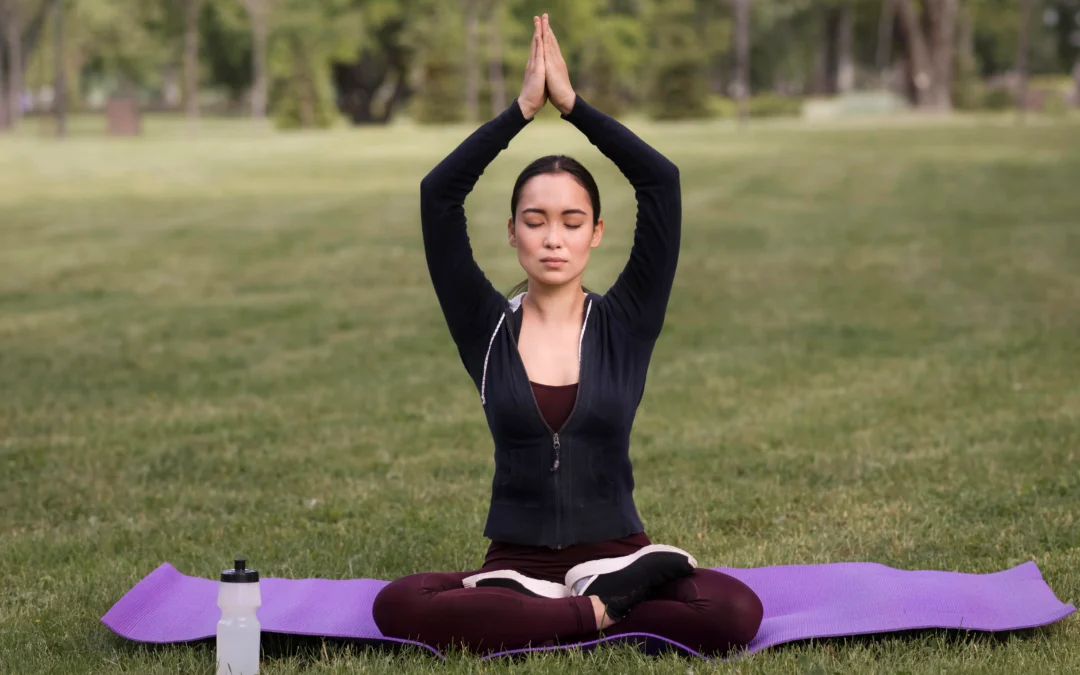
by Nepal Yoga Home | Oct 9, 2026 | Yoga, Yoga School, yoga training and yoga courses
Most of the yoga centres hear this question often: “How often should you practise yoga as a beginner?” Three days a week works well for most people, and it is a good place to start.
New students often worry about doing too little or too much. This guide answers how often you should practise yoga as a beginner with five simple rules.
You will also find a weekly plan, warning signs to watch for and tips to build a habit. If you want expert guidance from day one, our 100-hour beginner course is a good fit.
Short Answer on Frequency of Practice as a Beginner
The short answer to how often you should practise yoga as a beginner looks like this:
- Start with: Three days a week
- Session length: 20 to 30 minutes
- Rest: At least one easy day between harder sessions
- Build up: Add one day or five minutes every three to four weeks
Why Frequency Matters More Than Length?
Your body learns through repetition. When you ask how often you should practise yoga as a beginner, the honest answer is often enough to build skill, but not so often that you feel sore or bored. Muscles, joints and your mind all need time to adjust.
Our teachers see this every month with new students.
How Often Should You Practise Yoga as a Beginner? A Weekly Guide
The right answer to how often you should practise yoga as a beginner depends on your goal. Use this table as a starting point.
| Goal |
Sessions per week |
Length |
| Gentle start, low energy |
2 |
15 to 20 minutes |
| Flexibility and general fitness |
3 |
20 to 30 minutes |
| Stress relief and better sleep |
4 to 5 |
15 to 30 minutes |
| Building strength |
3 to 4 |
30 to 45 minutes |
| A daily habit |
5 to 7 (mostly gentle) |
10 to 15 minutes |
These ranges are general. Adjust them to how your body feels.
5 Simple Rules to Follow
These five rules give you a clear answer to how often you should practise yoga as a beginner.
1. Start with three days a week
Three sessions give your body time to learn the poses and recover in between. Try Monday, Wednesday and Saturday. If three feels like a lot, begin with two and add the third next week.
2. Keep each session short
Twenty to thirty minutes is plenty at the start. A short class you finish beats a long one you skip. Our beginner classes stay simple for this reason.
3. Take rest days
Muscles get stronger while you rest, not while you stretch. Leave at least one day between harder sessions. On rest days, take a walk or sit for a few minutes of meditation.
4. Add time slowly
Increase by five minutes or one extra day every three to four weeks, never both at once. This slow pace protects your wrists, knees and lower back.
5. Match the style to your day
Feeling tired? Choose gentle stretching. Full of energy? Try something stronger, such as our power yoga workshop.
A 4-Week Starter Plan
Here is a simple plan that puts the answer to how often should you practise yoga as a beginner into action.
| Week |
Days |
Minutes per session |
| 1 |
2 |
20 |
| 2 |
3 |
20 |
| 3 |
3 |
25 |
| 4 |
3 to 4 |
30 |
After week four, keep three or four days and slowly make your sessions longer.
Signs You Are Doing Too Much or Too Little
Watch for these signs to check whether your answer to how often should you practise yoga as a beginner is working.
Too much:
- Sore joints that last more than two days
- Constant tiredness
- Dreading your next session
- Sharp pain during any pose
Too little:
- You forget the poses between sessions
- You see no change after a month
- Stiffness comes back within a day or two
Best Time of Day
Morning practice wakes you up and helps you build a routine. Evening practice melts away stress and can help you sleep.
Pick the slot you can keep, because consistency matters more than the clock. If your schedule changes often, our online yoga classes let you practise at any hour.
5 Tips to Build the Habit
Here are five simple habits that you can adopt as a beginner for yoga practise:
- Pick fixed days and write them in your calendar.
- Leave your mat unrolled where you can see it.
- Follow a class instead of guessing. Try our 5-hour basic online yoga class to get started.
- Tick off each session on a paper calendar.
- Book a yoga at home session if you want a teacher to guide you in your own space.
Who Should Be Careful
See your doctor first if you have an injury, high blood pressure, a chronic condition or you are pregnant. Tell your teacher about it before class starts. Gentler options exist, such as our therapeutic yoga retreat and chair yoga for seniors.
Want to Learn Faster?
A short stay can speed up your progress, because you practise daily with a teacher beside you. Try a one night, two days retreat, a one-week yoga class in Nepal or a 10-day rejuvenating yoga retreat. You can also check our services and facilities before you plan your visit.
Final Thoughts
So, how often should you practise yoga as a beginner? Start with three short sessions a week, rest well and grow slowly. Remember that the answer to how often should you practise yoga as a beginner changes as your body gets stronger.
Read what our students say, then contact us with questions or book your class today.
Frequently Asked Questions
How often should you practise yoga as a beginner to see results?
Three sessions a week usually bring small changes in flexibility and mood within a month. Results vary, so stay patient and keep your practise steady.
Is it okay to practise yoga every day?
Yes, as long as most days stay gentle and short. Keep one lighter day each week and listen to your body.
How long should a beginner yoga session last?
Twenty to thirty minutes works well for most beginners. On busy days, even ten minutes still counts.
Can I practise yoga on back-to-back days?
Yes, if you vary the intensity. Follow a strong class with a gentle one so your muscles can recover.
Do I need a teacher at the start?
A teacher is not required, but one helps you avoid common mistakes. Our beginner course gives you that support, and you can read more answers on our FAQ page.
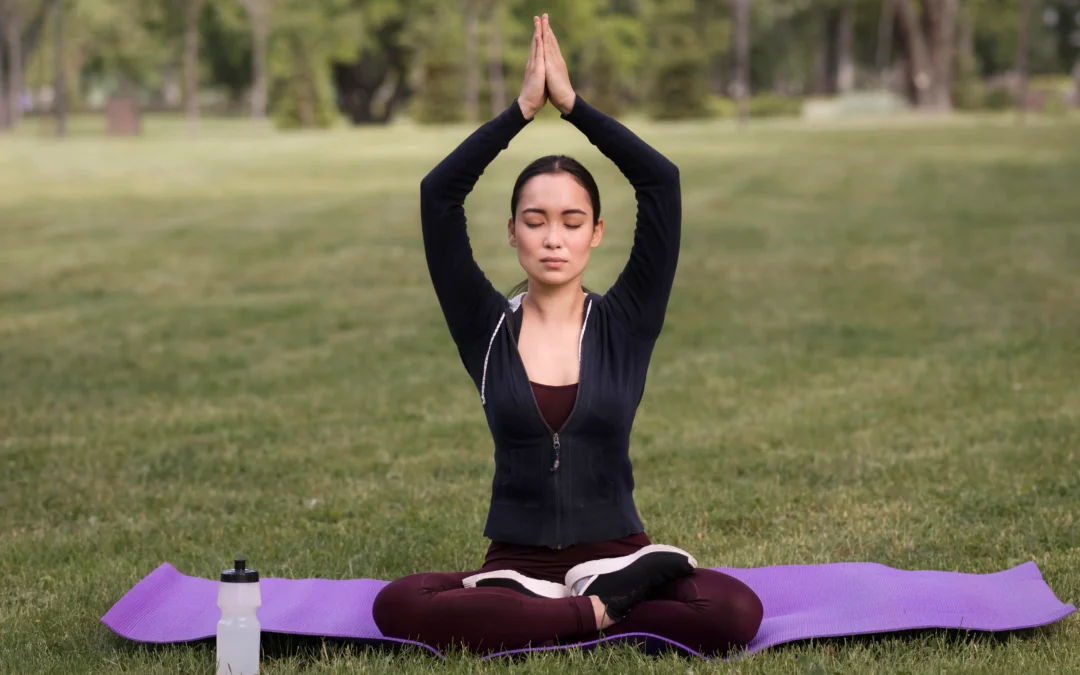
by Nepal Yoga Home | Oct 1, 2026 | Yoga
Yoga for balance and body awareness helps you stand steadier and notice what your body is doing from moment to moment. You don’t need years of practice to feel the difference.
Many people search for yoga poses for balance after a wobbly moment on one leg. A steady routine of yoga for balance and body awareness works better than random poses, because it trains your feet, core and attention together.
This guide shares seven poses, a short sequence and a few safety tips for yoga for balance and body awareness. If you’re new to yoga, our 100-hour beginner course gives you a solid base to build on.
Quick Answer
- What it builds: leg and core strength, focus and proprioception
- How long: 10 to 15 minutes a day, or three to four times a week
- Who it suits: beginners, runners, desk workers and older adults with support
- When to modify: use a wall or chair if you feel unsteady or dizzy
Why Balance and Body Awareness Matter?
Balance comes from strength, flexibility, attention and your senses working as a team. Body awareness, which teachers also call proprioception, is your sense of where your limbs are without looking at them.
Together they make walking, lifting and climbing stairs easier. They also support good posture and sharper focus. Our teachers often see these changes in students within a few weeks.
How Yoga Builds Balance and Body Awareness?
Yoga for balance and body awareness works because it trains your senses as well as your muscles.
- Slow movement gives your brain time to read every small shift.
- Long holds strengthen the tiny stabilising muscles in your ankles, hips and core.
- Steady breathing keeps your attention inside your body, much like meditation does.
- Pressing through your feet improves the feedback you get from the floor.
The 7 Poses
1. Mountain Pose (Tadasana)
Stand with your feet hip-width apart and spread your toes wide. Share your weight evenly between both feet, then scan your body from ankles to crown.
Every yoga for balance and body awareness practice starts here. Beginners can stand with their back against a wall, and everyone should keep their knees soft instead of locked.
2. Tree Pose (Vrikshasana)
Wondering how to stop wobbling in tree pose? Try these steps:
- Fix your eyes on a still point at eye level.
- Press your standing foot evenly into the floor.
- Place the other foot on your calf or ankle, never on the knee.
- Draw your belly in gently and bring your hands to your chest.
Rest a hand on a wall if you need support. We teach this pose step by step in our 200-hour yoga teacher training, and beginners can start in the 100-hour course.
3. Eagle Pose (Garudasana)
Eagle brings yoga for balance and body awareness together, because wrapping your arms and legs forces you to feel where each limb sits. Sink your hips as if you’re sitting in a chair.
If the full wrap feels too much, keep the toe of your top foot on the floor or practise seated. Our Ashtanga and Vinyasa classes are a good place to get your alignment checked.
4. Boat Pose (Navasana)
Sit tall, lean back a little and lift your feet while you balance on your sit bones. Your core does most of the work here. Bend your knees if your back rounds, and hold for three to five breaths. A power yoga workshop can help if you want to build more core strength.
5. Warrior III (Virabhadrasana III)
Hinge forward from your standing leg and lift the back leg until your body forms a T shape. Keep both hip points facing the floor. Rest your hands on a wall or blocks if you tip forward. The most common mistake is letting the lifted hip open to the side.
6. Half Moon Pose (Ardha Chandrasana)
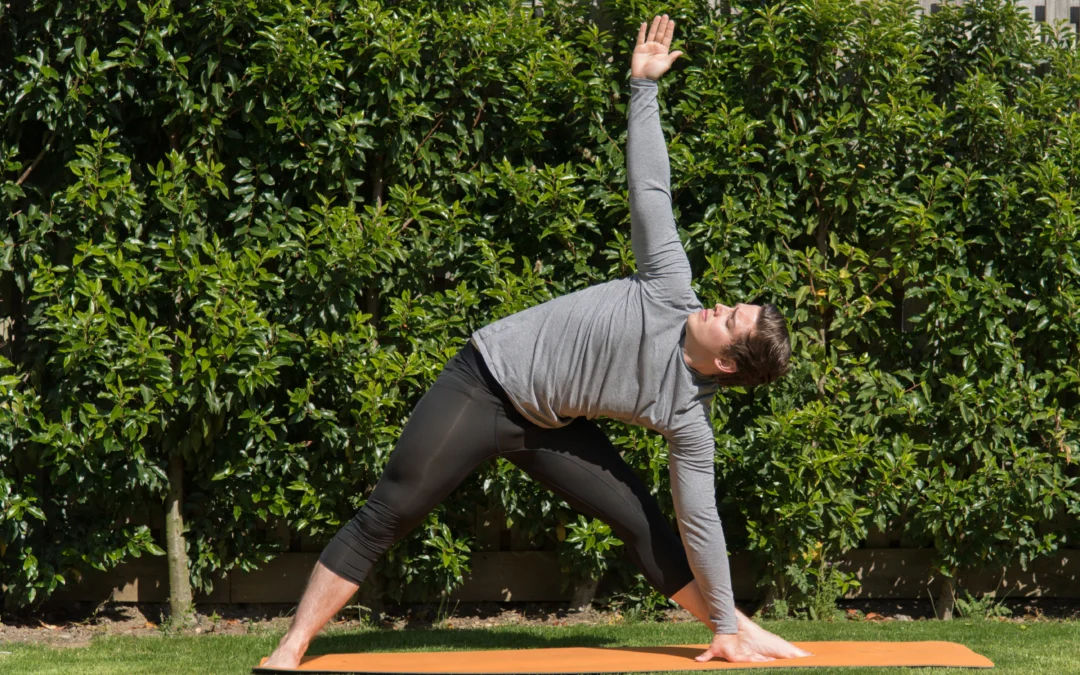
Half Moon adds a fresh challenge to your yoga for balance and body awareness routine. Place a block under your lower hand and stack your top hip over the bottom one. Keep the standing knee soft and look at the floor first. Practise near a wall until you feel steady.
7. Dancer Pose (Natarajasana)
Treat this as a progression pose. Loop a strap around your lifted foot if you can’t reach it, and kick gently into your hand. Stay close to a wall at first. Once you hold it with ease, you’re ready for deeper study in our 300-hour advanced training.
A 15-Minute Balance Sequence
Use this order for yoga for balance and body awareness on busy days. The whole flow takes about 15 minutes with transitions.
| Pose |
Hold |
Breathing cue |
| Mountain |
1 minute |
Slow breaths through the nose |
| Tree |
1 minute each side |
Inhale to grow tall, exhale to settle |
| Eagle |
30 seconds each side |
Keep the breath smooth |
| Boat |
3 to 5 breaths |
Exhale as you lift |
| Warrior III |
30 seconds each side |
Breathe into the standing leg |
| Half Moon |
30 seconds each side |
Long exhales |
| Dancer |
30 seconds each side |
Breathe evenly |
Our services and facilities page shows what we offer if you’d like guided practice. You can also follow along from home with our online yoga classes.
Tips for Practising Safely
Keep your yoga for balance and body awareness practice safe with these habits:
- Pick one fixed gaze point, called a drishti.
- Practise near a wall or chair.
- Go barefoot for better foot feedback.
- Choose steady practice over hard effort.
- Stop if you feel pain or dizziness.
Check with your doctor first if you have an injury, dizziness, a balance disorder or you’re pregnant. Our therapeutic yoga retreat offers gentler options, and expectant mothers can look at our prenatal yoga training.
Start Today
Yoga for balance and body awareness doesn’t need fancy equipment. Pick two or three poses from this list, practise them daily and add more as you grow steadier. Whether you try one pose now or join a full yoga retreat in Nepal, yoga for balance and body awareness rewards patience.
Read what our students say, learn about our founder, contact us with questions or book a class today.
Frequently Asked Questions
Is yoga good for balance?
Yes, slow holds and focused attention train your stability over time. Results vary from person to person, so practise regularly and stay patient.
How long does it take to improve balance with yoga?
Many people notice small gains within a few weeks of regular practice. Short daily sessions of 10 to 15 minutes work well.
Is yoga for balance and body awareness suitable for seniors?
Often yes, especially with a chair or wall for support. Check with your doctor first and try our chair yoga for seniors.
Do I need to be flexible to practise balance poses?
No, balance depends more on strength and attention than on flexibility. Props and modifications make every pose reachable.
Should I practise balance poses barefoot?
Usually yes, because bare feet give you better feedback from the floor. Wear grip socks if you have a health or safety concern.
You can find more answers on our FAQ page.
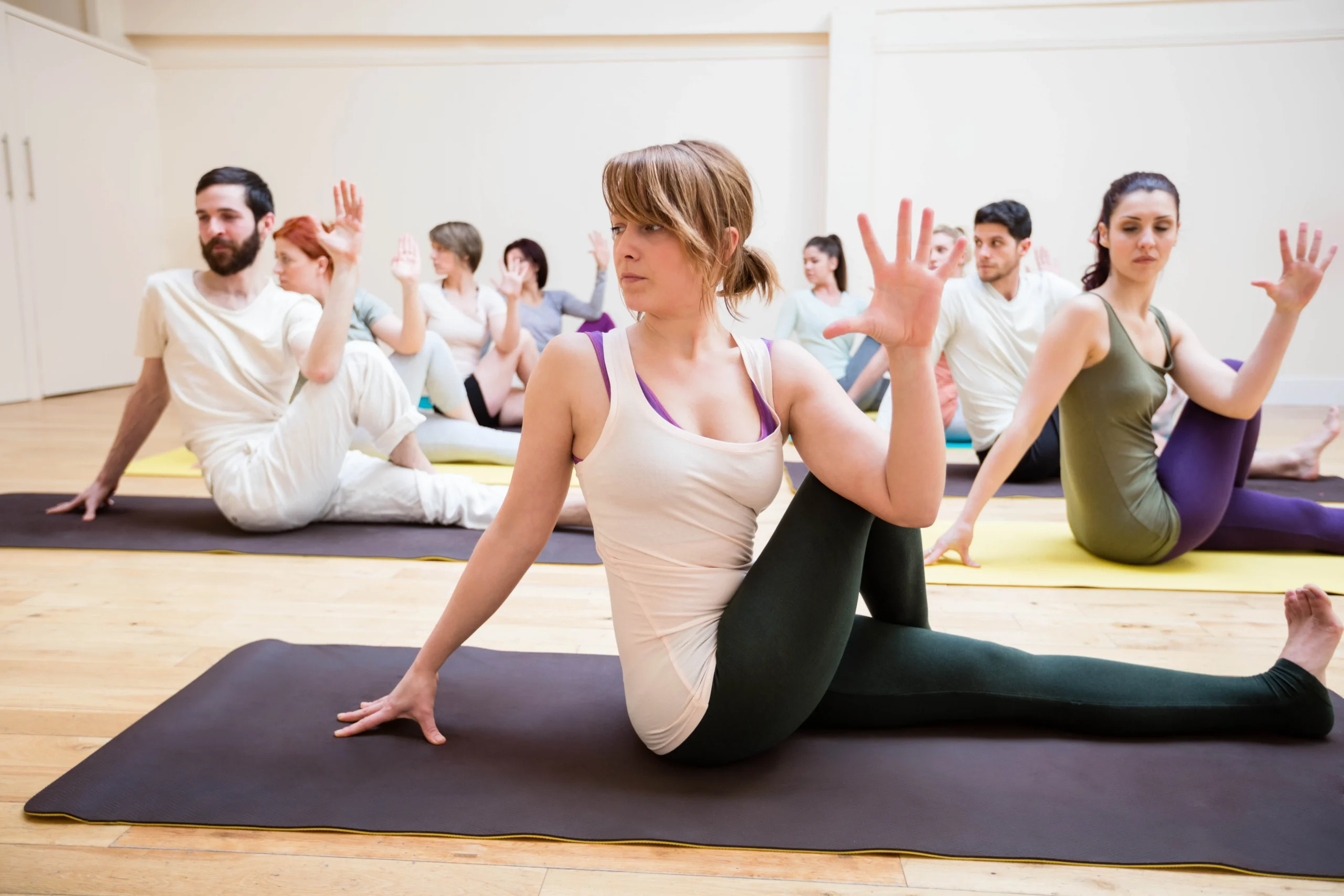
by Nepal Yoga Home | Sep 30, 2026 | Yoga
Yoga teacher training for international students works well in Nepal when you plan early. Most of our trainees fly in from Europe, the US, Australia and other parts of Asia, and they settle in faster than they expect.
Many of them ask one question before booking: can I train abroad and still go home qualified? This guide covers ten practical points about yoga teacher training for international students, so you can decide with clear facts.
If you want a full program, start with our 200-hour yoga teacher training. You can also read about us first to see how we teach.
1. Who Yoga Teacher Training for International Students Suits
Yoga teacher training for international students fits several kinds of people:
- Beginners who want a slow start with the 100-hour beginner course
- Regular practitioners who feel ready to teach
- Career changers who need a full break from work
- Travellers who want study and culture in one trip
It may not suit you if you want a resort stay with nightlife. If you want to test the waters first, try our 5-hour online yoga class before you fly.
2. Language and Teaching Style
Classes run in English, and our teachers explain each Sanskrit term as it comes up. Groups stay small, so you can ask questions without feeling rushed. Teachers demonstrate every pose before you try it, and you practise in pairs to build confidence.
If English is your second language, tell us in advance and we will slow down where needed. You can meet the instructors on our teachers page.
3. Certification
Certification matters most if you plan to teach back home. Ask every school which registrations it holds before you pay, and ask us too. Then confirm our current Yoga Alliance status through the contact page so you get the latest answer.
A certificate also helps more when it comes with real teaching hours, so our courses include practice teaching from the first week.
4. Course Options and Duration
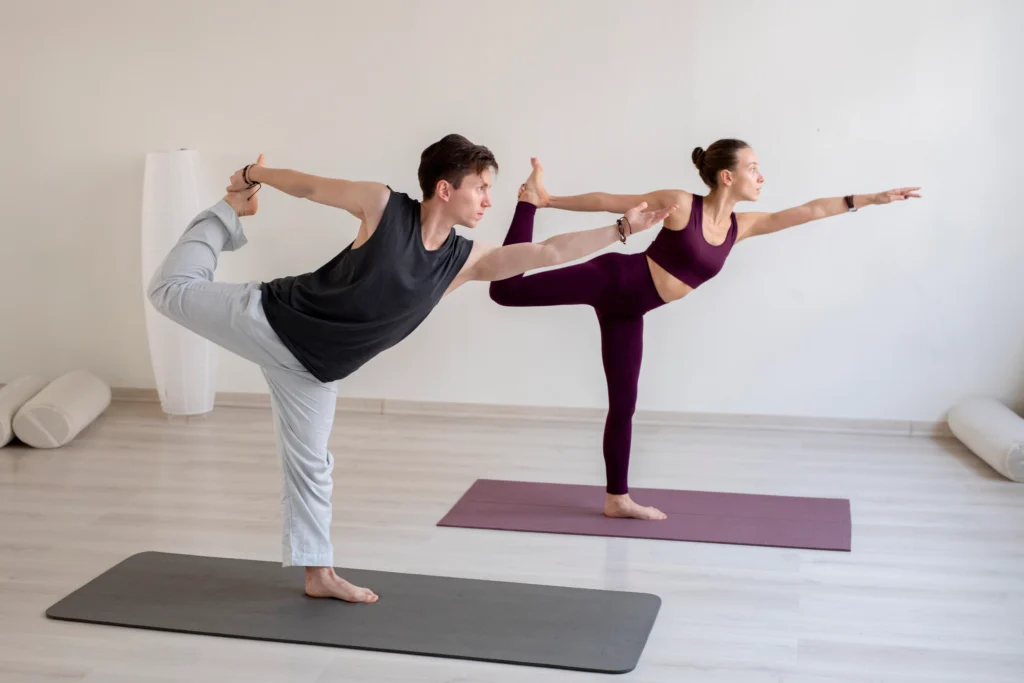
Here is how the main choices compare for yoga teacher training for international students:
If you want to teach mothers-to-be later, look at our prenatal yoga teacher training.
5. Cost and What’s Included
Your fee usually covers tuition, a room, meals and study materials. Check our services and facilities page to see exactly what comes with each course.
Plan separately for these extras:
- Return flights
- Visa fee
- Travel insurance
- Optional excursions
6. Visa and Paperwork

Yoga teacher training for international students usually runs on a tourist visa.
Follow these steps:
- Check your passport validity.
- Apply for a tourist visa online or on arrival.
- Compare the visa length with your course dates.
- Buy travel insurance before you leave.
Rules change, so check the official Nepal immigration website and ask our team if anything looks unclear.
7. Safety and Health
Kathmandu is welcoming, and normal travel sense goes a long way. Drink filtered water, keep copies of your passport, and let staff know if you feel unwell. Many solo women train with us, and we help every student on arrival.
The city is at a mild altitude, but mornings feel cool, so bring a jacket. If you have an injury, see a doctor first and read about our therapeutic yoga program.
8. A Typical Day
Schedules vary by course, but a day often looks like this:
| Time |
Activity |
| Early morning |
Pranayama and asana |
| Late morning |
Vegetarian breakfast and philosophy |
| Afternoon |
Anatomy and teaching practice |
| Evening |
Gentle practice and meditation |
9. Nepal Compared With India and Bali
Here is why many students choose yoga teacher training for international students in Nepal:
- Quieter classes and a Himalayan setting
- Buddhist and Hindu heritage close by
- Lower living costs than Europe or the US
India has a bigger yoga scene, and Bali has more tourists. Nepal has colder winters and longer travel time, so weigh both sides. You can also add a yoga retreat in Nepal or a 10-day yoga tour around your course.
10. Best Time to Go and How to Prepare
March to May and September to November bring the most comfortable weather. Practise daily for a month before you arrive, so your body feels ready for long sessions.
Pack these basics:
- Comfortable yoga clothes
- Warm layers and a light rain jacket
- A refillable water bottle
- Daily medication with a doctor’s note
Ready to Apply?
Yoga teacher training for international students in Nepal gives you expert teaching, a calm setting and a fair price. Learn more about our founder, Dr. Prakash Acharya, then book your stay when you feel ready.
Frequently Asked Questions
Is yoga teacher training for international students in Nepal beginner friendly?
Yes, our 100-hour course starts from the basics and needs no experience. Students with a regular practice can move straight into the 200-hour program.
Is the certificate accepted outside Nepal?
Many students use their certificate to teach in their home countries. Ask us for our current registration details before you book.
How much does the training cost?
The price depends on the course length and the room you choose. Please check the booking page or contact us for the latest fees.
Do you teach in English?
All main classes run in English, and teachers explain Sanskrit terms clearly. Small groups also make it easy to ask for help.
How long does the training take?
The length depends on the course you pick, and the 21-day program is our shortest full option. Each course page lists the current dates.
What food do you serve?
We serve vegetarian meals every day, and our kitchen can adjust for allergies and dietary needs. Tell us before you arrive so we can plan ahead.
Is Nepal safe for solo female travellers?
Kathmandu is generally welcoming, and many women train with us on their own. Our team helps you on arrival and stays available throughout your stay.
Do I need travel insurance?
Yes, buy a policy before you leave home. Choose one that covers medical care and changes to your travel plans.
Can I join if I have an injury?
Talk to your doctor first, then tell us about your condition before arrival. We can suggest safer options and modify poses for you.
Where can I find more answers?
Our FAQ page covers accommodation, meals and arrival details. You can also read what past students say on the testimonials page.