Select Page
How to Use Singing Bowls for Meditation, Stress Relief and Better Sleep: A 7-Step Guide

How to Use Singing Bowls for Meditation, Stress Relief and Better Sleep: A 7-Step Guide

You do not need a studio or a teacher to start. You need one bowl, a soft mallet and a few quiet minutes.

This guide explains how to use singing bowls for meditation, for stress relief and for a calmer evening. We keep the steps simple, so you can try them tonight.

We teach sound practice at Nepal Yoga Home, close to where many of these bowls are made. Let us walk you through it.

What You Need Before You Begin?

Here are some things that you’ll need during your singing bowls meditation:

  • A singing bowl and a padded mallet
  • A cushion or soft ring to rest the bowl on
  • A quiet room and a blanket
  • Five to ten spare minutes

How to Use Singing Bowls: 7 Simple Steps

Here are seven simple steps to use your singing bowls:

Step 1: Choose a Quiet Space and Time

Pick a spot where no one will interrupt you. Silence your phone and dim the lights. Many people prefer early morning or evening, when the house is calm.

Step 2: Set Up Your Bowl

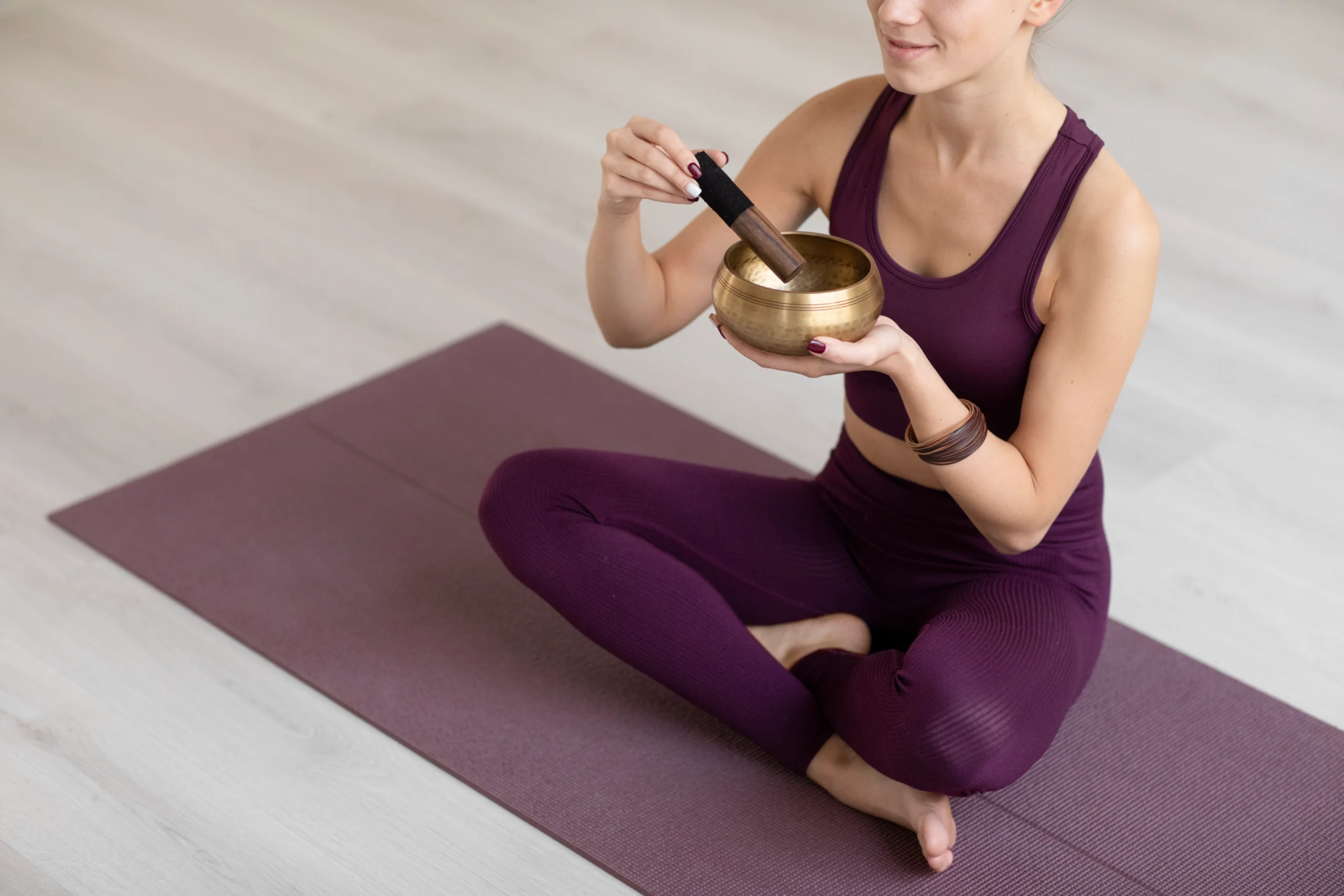
Rest the bowl on a cushion or on your open palm. Keep it steady and away from the edge of a table. Hold the mallet loosely, like a pen.

Step 3: Settle Yourself

Sit tall or lie down. Take a minute of slow breaths before you make any sound. Our meditation page explains simple ways to settle.

Step 4: Strike Once, Gently

Tap the outer rim with the padded mallet. Then listen as the tone rises, holds and fades. Do not strike again until the sound has almost gone.

Step 5: Try Rimming

Press the mallet against the rim and move it in a slow, steady circle, at the pace of a calm breath. If you hear scratching, ease the pressure and slow down. Our Level 1 singing bowl training teaches this in person.

Step 6: Follow the Sound

Let the tone be your anchor. When your mind wanders, and it will, bring your attention back to the sound or your breath. You can also strike on an exhale and let the tone carry the rest.

Step 7: Close Slowly

Finish with a last soft strike. Then rest in silence for a minute or two and notice how you feel.

Match the Practice to Your Goal

Goal Best time Length Style
Meditation Morning 5 to 10 minutes Strike, then rim and focus
Stress relief Midday or after work 3 to 5 minutes Soft strikes with long exhales
Better sleep 30 minutes before bed 5 to 10 minutes Quiet strikes in dim light

How to Use Singing Bowls for Meditation

A bowl gives your mind something to hold. You follow the sound as it rises and fades, so you do not need to “empty your head”. Start with five minutes each morning, and build slowly. For deeper practice, try our 7-hour online meditation course or 10-hour online meditation and breathing training.

How to Use Singing Bowls for Stress Relief

When your day feels loud, take three minutes. Strike the bowl softly and breathe out for longer than you breathe in. This simple reset helps many people pause before reacting. 

Our pranayama page shows breathing methods to pair with the sound. If stress feels heavy, our 14-day stress management retreat gives you time to rest.

How to Use Singing Bowls for Better Sleep
spiritual young man woman practicing yoga indoors 4

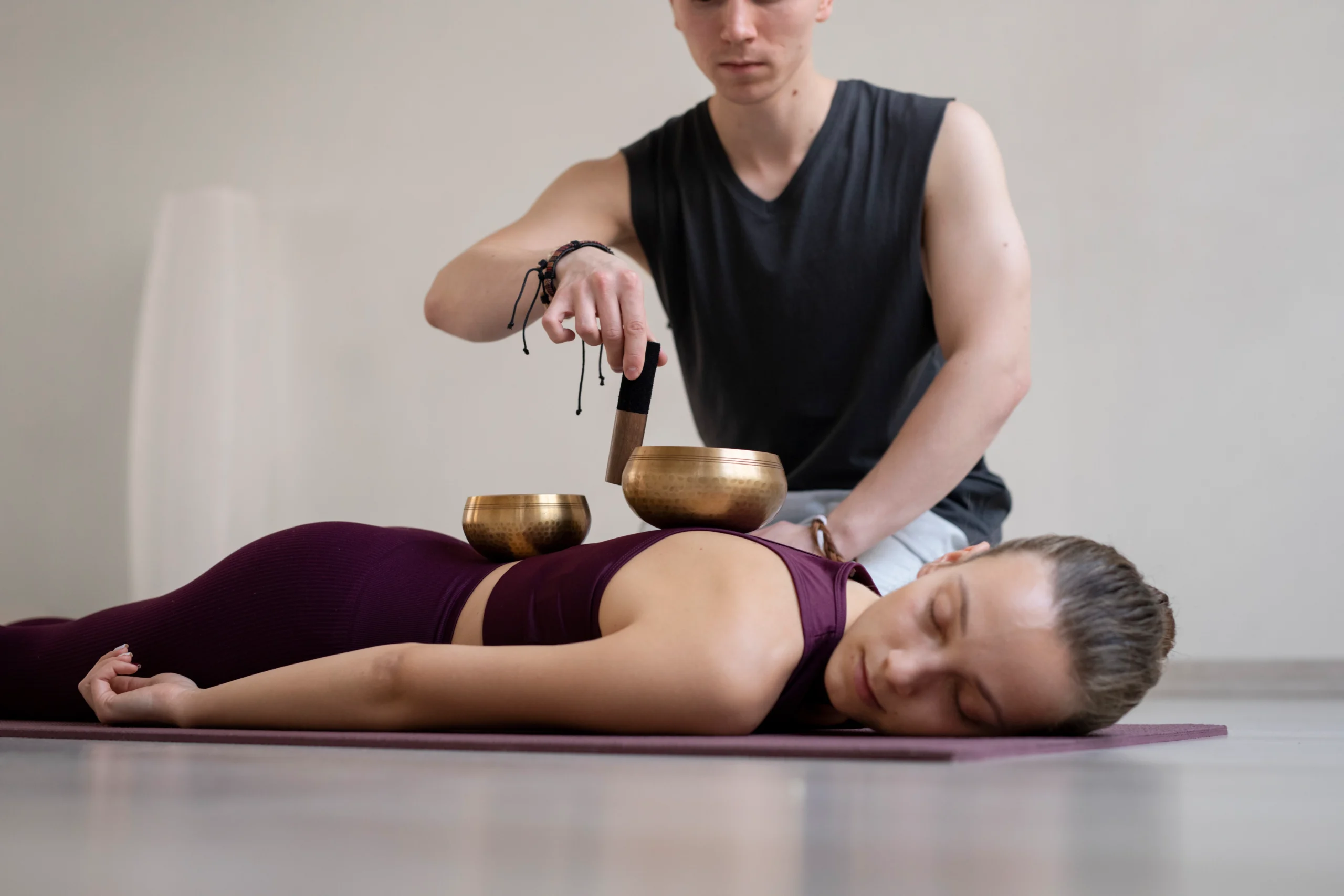
Think of the bowl as part of a bedtime routine, not a sleeping pill. 

Try this:

  1. Turn off screens and dim the lights.
  2. Strike the bowl softly three to five times, with long pauses.
  3. Lie down while the last tone fades.
  4. Breathe slowly until you feel heavy.

Keep the bowl out of reach so you do not need to move. For deeper rest, you might enjoy yoga nidra.

What Does the Research Say?

The evidence is promising, but small. A 2016 study of 62 adults found less tension, anger, fatigue and low mood after a one-hour sound meditation. A 2020 randomised study used a giant bowl and found people felt less sleepy afterwards, though a measured test of sleepiness showed no difference. 

A small 2025 university study in young adults reported better sleep quality over eight weeks, but it was not a controlled trial.

So these methods may help you feel calmer. They do not treat insomnia or anxiety, and they are not a substitute for care.

Keep It Safe

  • Keep the volume soft, and never play close to your ears for long.
  • Avoid placing a bowl on your body if you have a pacemaker or other implant, or during pregnancy.
  • Check with your doctor if you have sound sensitivity, tinnitus, sound-triggered seizures or recent surgery.
  • Do not use a bowl when you need to stay alert, such as before driving.
  • See a doctor if sleep problems or anxiety last.

Learn How to Use Singing Bowls With Us

A teacher can fix your touch in minutes. Choose the path that suits you:

If you want longer quiet, try our one-week breathing and meditation retreat, 10-day meditation holiday or two-week meditation retreat in Kathmandu. Start online with our 3-hour online meditation if you cannot travel yet.

Start Today

Now you know how to use singing bowls in seven steps. Our yoga teachers are happy to guide you, and our services and facilities page shows where you will stay. Read what past guests say on our testimonials page, and check the FAQ. 

Contact us with questions, and book your stay when you are ready. You can also add sound to a 1-week wellness retreat or our 21-day wellness training.

Frequently Asked Questions

What if my bowl will not sing when I rim it?

Slow down and use steady, light pressure. A firmer mallet and a little practice usually help.

Can I use a recording instead of a bowl?

Yes, recorded tones work well for relaxation. A real bowl gives you the added feel of the vibration in the room.

Can my family join in?

Yes, share the sound with family members, and keep the volume very low. Supervise children and never place a bowl on them.

Do I need to be a meditator already?

No, the bowl itself makes a good starting point. Beginners often find it easier than sitting in silence.

Can I combine it with yoga?

Yes, many people strike a bowl before or after a class. Our Kundalini meditation page shows another way to pair sound and movement.
How to Become a Singing Bowl Healer: 7 Steps in Our Complete Guide to Sound Healing Training

How to Become a Singing Bowl Healer: 7 Steps in Our Complete Guide to Sound Healing Training

Close your eyes and picture a room full of people, each lying still while a deep, warm tone rolls through the space. The person who made that sound is a singing bowl healer.

This work can become a real career, and it starts with a few clear steps. Here is how to become a singing bowl healer, from your first bowl to your first paid session.

We teach sound healing at Nepal Yoga Home, in the land where many of these bowls are made. We will share what we know and keep it honest.

What Does a Singing Bowl Healer Do?

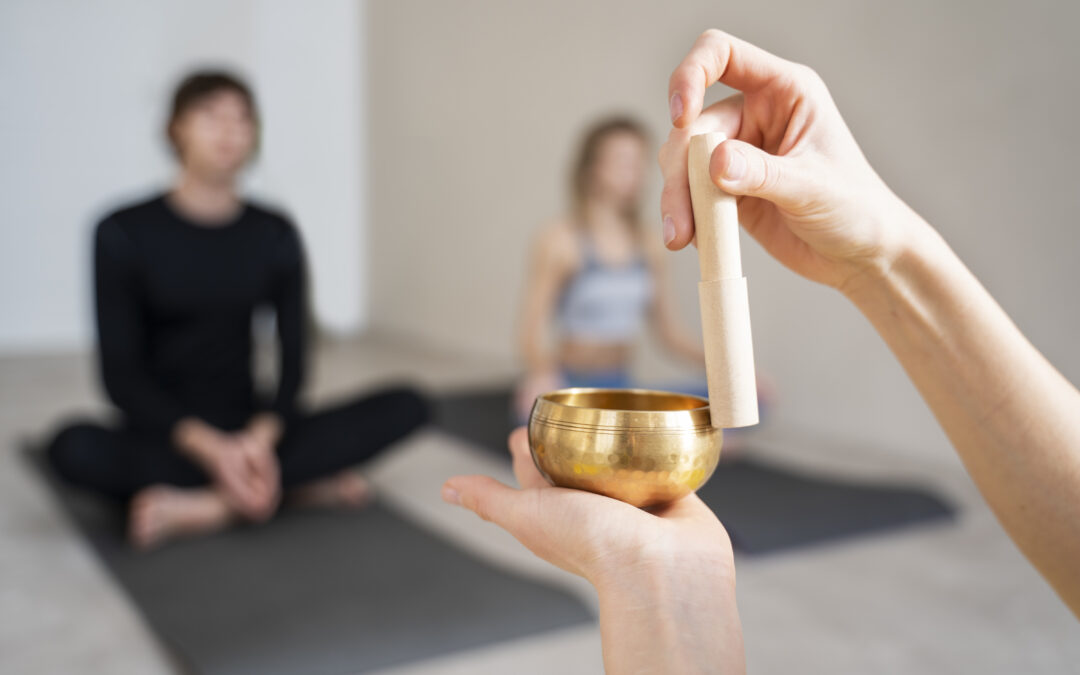
A singing bowl healer plays metal or crystal bowls to guide people into deep rest. Sessions can be a group sound bath, a one-to-one treatment or a short sound practice at the end of a yoga class.

This work supports relaxation and calm. It does not replace medical care, and a good practitioner never promises to cure illness.

A Quick Note on the Bowls

Many people call them Tibetan bowls, but their history is mixed. Writers say the origin stories vary, and the bowls we know today are shaped by many cultures. In the Kathmandu Valley, small family workshops still make them by hand, and Patan has an old tradition of metalwork.

Hand-hammered bowls usually give a layered, complex tone. Machine-made bowls sound cleaner and more uniform. Both can work, so listen before you choose.

7 Steps: How to Become a Singing Bowl Healer

This is how to become a singing bowl healer, one step at a time.

1. Start With Your Own Practice

Calm hands make calm sound. Spend a few weeks with meditation and slow breathing so you know the state you want to guide others into. Our 3-hour online meditation is an easy place to begin.

2. Learn the Basics of Sound and Bowls

how to become a singing bowl healer

Study how bowls are played, how to hold the mallet and how tone and volume shape a session. Our Level 1 singing bowl training runs for 3 nights and gives you a clear start.

3. Take a Structured Training

The field is not regulated, so there is no single required route. That makes the depth and honesty of your training very important. Move step by step: Level 1, then Level 2, or choose the 6-night basic to advanced training.

4. Practise on Real People

Offer short sessions to friends, family or a small community group. Ask what they felt and keep notes. Every session teaches you something about pacing and silence.

5. Learn to Hold Space Safely

Ask clients about their health and comfort before you start, and get their consent. Keep the volume gentle and never make medical claims. Be ready to say “please see a doctor” when someone needs more than relaxation.

6. Add Complementary Skills

Sound works well beside other practices. Many healers add yoga, meditation, Reiki or massage. Our massage teacher training and yoga nidra training pair naturally with bowl work.

7. Build Your Practice

Choose your instruments, think about insurance and write a clear code of ethics. Then tell people what you offer. Many new healers start by joining yoga studios, wellness centres and retreats. A professional practice grows slowly, one trusted session at a time.

Training Paths: How to Become a Singing Bowl Healer at Nepal Yoga Home

become a singing bowl healer

Programme Length Best for
Singing bowl training, Level 1 3 nights Complete beginners
Advanced singing bowl training, Level 2 3 nights Graduates of Level 1
Basic to advanced training 6 nights A full start-to-finish plan
Singing bowl meditation training Check the page Meditation teachers
Singing bowl healing and Kundalini yoga Check the page Yoga lovers

Prefer to combine skills? Look at our 21-day wellness training with yoga, massage and singing bowls, or our 200-hour Kundalini yoga training and 500-hour yoga training with singing bowl.

What a Good Sound Healing Training Covers

If you want to know how to become a singing bowl healer with real skill, look for a course that teaches these parts:

  • How sound and vibration work, in plain language
  • Different bowl types and how to play each one
  • How to structure a sound bath from start to finish
  • Hands-on practice with feedback
  • Ethics, consent and the limits of your role

Check each course page for its exact topics, hours and certificate.

Where a Singing Bowl Healer Can Work

Setting What you might do
Yoga studios Lead a sound bath after class
Retreat centres Guide group sessions in the evening
Wellness spas Offer one-to-one treatments
Workplaces Run short calm sessions with corporate yoga teams
Your own space Host regular sound baths at home or online

5 Tips for Choosing a Training

Knowing how to become a singing bowl healer starts with choosing well.

  1. Ask who teaches, and how long they have practised.
  2. Choose hands-on hours over long lectures.
  3. Pick small groups so you get personal feedback.
  4. Make sure the school teaches safety and ethics.
  5. Be wary of big promises, and ask what the certificate really means.

Why Train in Nepal

You learn close to where the bowls are made. The Kathmandu Valley has workshops, temples and quiet places to practise. Our school sits about 5 km from the city by the Nagarjuna forest, so you can rest between sessions. Our services and facilities page shows rooms and meals, and our yoga teachers can guide you.

If you want to deepen your inner practice first, try our one-week breathing and meditation retreat or our two-week meditation retreat in Kathmandu.

Learn How to Become a Singing Bowl Healer With Us

You do not need to decide everything today. Read what past students say on our testimonials page and check our FAQ. Contact us with any question, and book your training when you feel ready. You can also pair a course with our yoga tour to see more of Nepal.

Frequently Asked Questions

Do I need to be a musician?

No, you do not need any musical training. You need patience, good listening and steady hands.

How many bowls do I need to start?

One or two good bowls are enough for practice. You can add more as your sessions grow.

How do I care for my bowls?

Keep them dry and store them on a soft cloth so they do not scratch. Wipe them gently after use and avoid dropping them.

Are sound sessions safe for everyone?

People with hearing sensitivity, a pregnancy or a medical device should check with their doctor first. Always keep the volume soft and let clients stop whenever they wish.

How long before I can lead paid sessions?

It varies by person, but most healers practise for a while after their first course. Build confidence with free sessions before you charge.