“Should I book a retreat or a teacher training?” That question shows up in the Nepal Yoga Home inbox almost weekly, and it’s a fair one to ask. Yoga training vs yoga retreat is a topic most of you might be confused about. Yoga, Nepal, a few weeks away from your normal routine. In practice, they’re aimed at two completely different people.
A retreat is for slowing down, whereas training is for leveling up. Get that backward, and you’ll either sit through a certification course you never really wanted, or find yourself burnt out on a “relaxing” trip that turned into a full academic schedule.
In this blog, we’ve covered yoga training vs yoga retreat, who tends to actually enjoy each one and how the two connect at a school that’s been running both for 15-plus years now.
What is a Yoga Retreat?
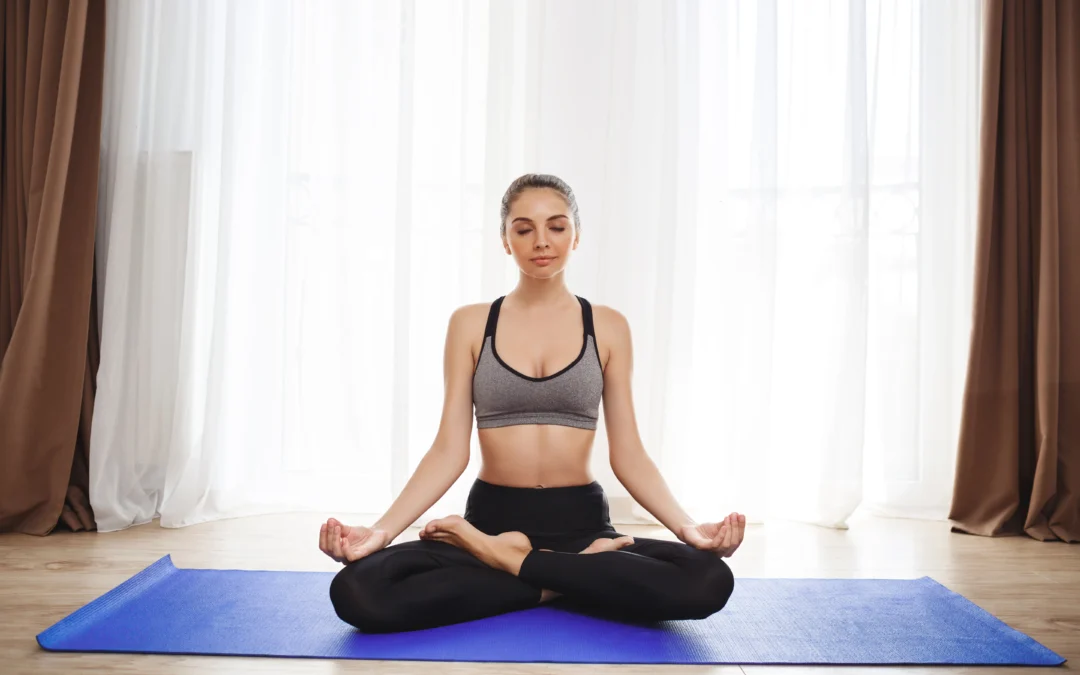
A retreat is basically a wellness holiday that happens to have a schedule. Morning yoga, maybe a session in the evening, decent food and a lot of open space in between. No exams, no homework and nobody’s going to quiz you on Sanskrit.
Most retreats last anywhere from a long weekend to a few weeks and it genuinely doesn’t matter if you’ve never done yoga before.
That’s kind of the whole point, Yoga Retreat in Nepal programs are built for people who need rest more than a curriculum, and the setting usually carries half the experience anyway. A week tucked into the hills outside Kathmandu just hits differently than a Tuesday evening class back home.
According to the U.S. National Center for Complementary and Integrative Health, research links regular yoga practice to reduced stress and improved general wellbeing, which lines up with why most people book a retreat in the first place.
What is Yoga Teacher Training (YTT)?
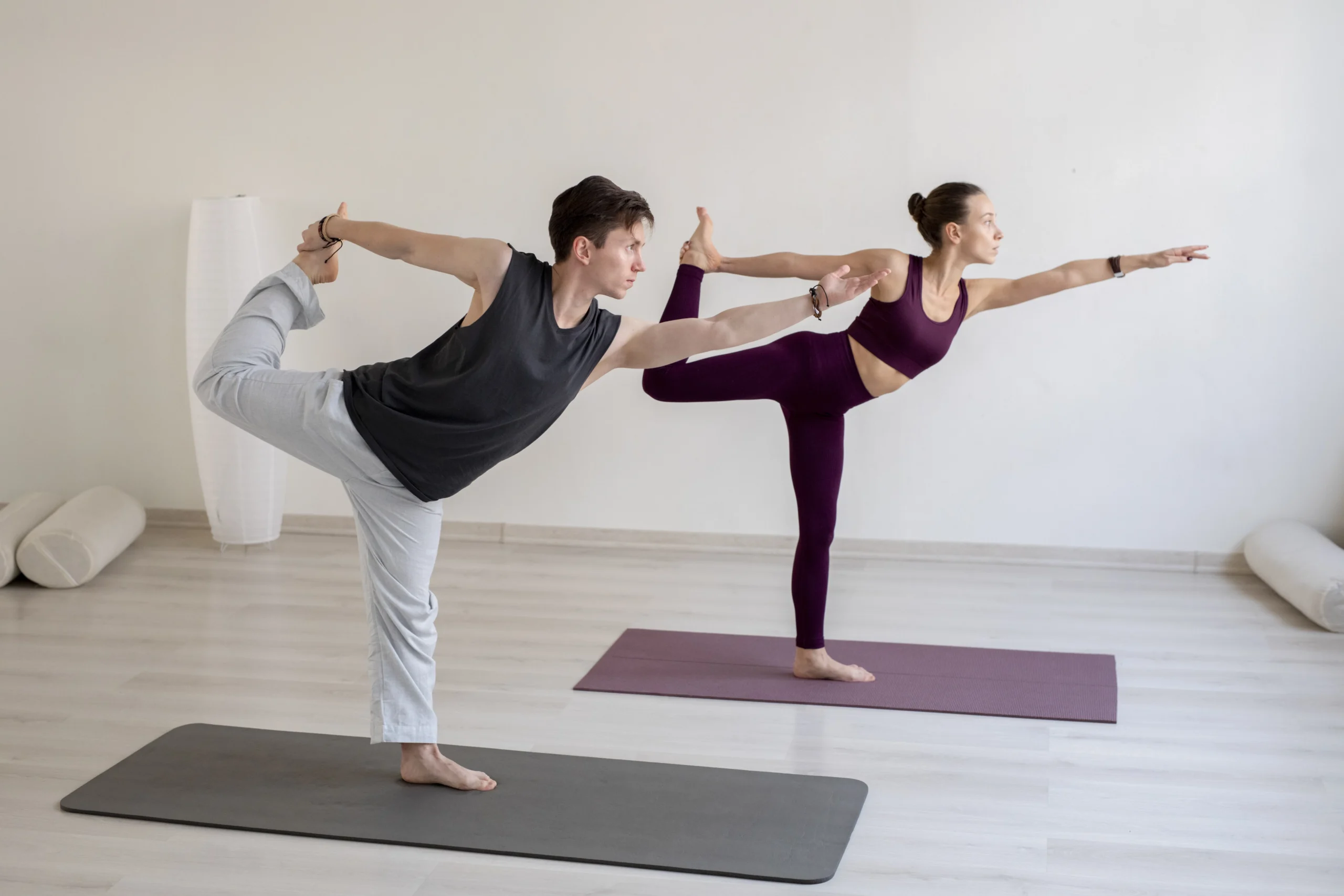
Teacher training is a different beast. It’s a fixed-length course, usually 100, 200, 300, or 500 hours, following a syllabus that bodies like Yoga Alliance actually sign off on. You’re covering anatomy, philosophy, alignment and how to cue an actual class, not just how to flow through your own practice.
Nepal Yoga Home’s 200 Hours Yoga Teacher Training runs for 21 days, and the days fill up fast, Hatha in the morning, theory after lunch and practice teaching in the evening. Ashtanga and Kundalini both get covered too. What you leave with is a Yoga Alliance certificate, and that piece of paper matters the moment you try to teach a class anywhere outside your living room.
Yoga Training vs Yoga Retreat: Main Differences
Here’s a detailed table with a side-by-side comparison to help you understand yoga training vs yoga retreat:
| Area | Yoga Retreat | Yoga Teacher Training |
| Main goal | Rest and reconnecting with your body. Nothing to prove. | Building enough knowledge to actually teach yoga to someone else. |
| Daily rhythm | Loose, maybe one or two sessions a day with room to breathe. | Packed, ten-hour days aren’t unusual between practice and study. |
| Prior experience | None needed. Complete beginners show up constantly. | Some practice helps, but committed beginners still get accepted. |
| End result | No teaching credential, just a well-rested version of you. | A recognised certificate, either 200-hour or 500-hour RYT. |
| Length | Usually a weekend up to around three weeks. | 21 to 29 days for a full program. |
| Who it suits | Travellers and burnt-out professionals wanting an actual reset. | Anyone serious about teaching, or about studying yoga deeply. |
Who Should Book a Yoga Retreat?
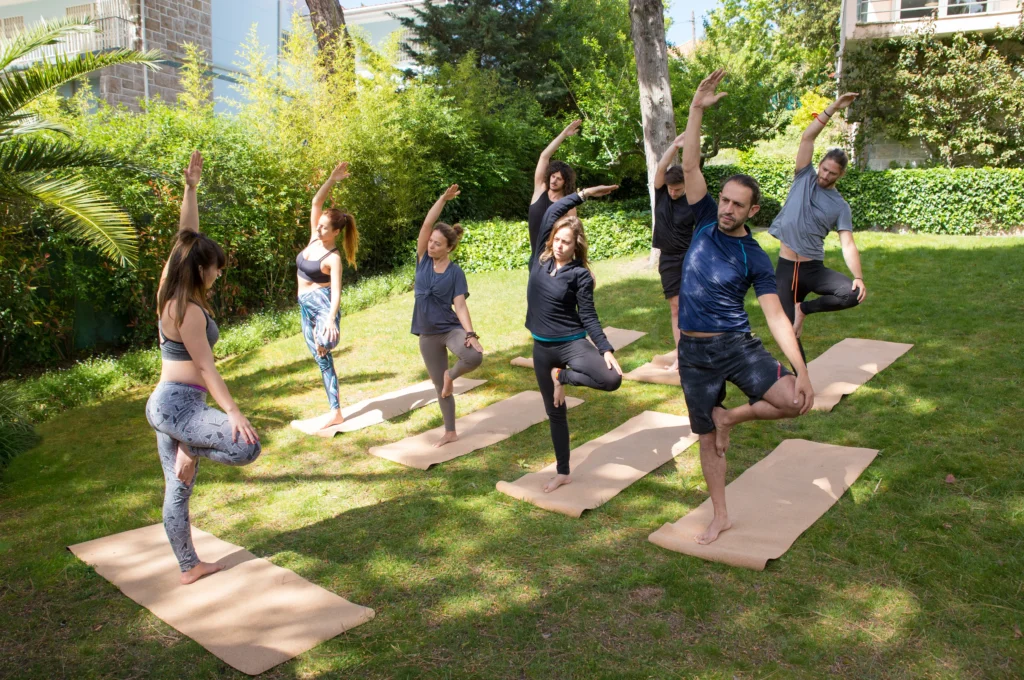
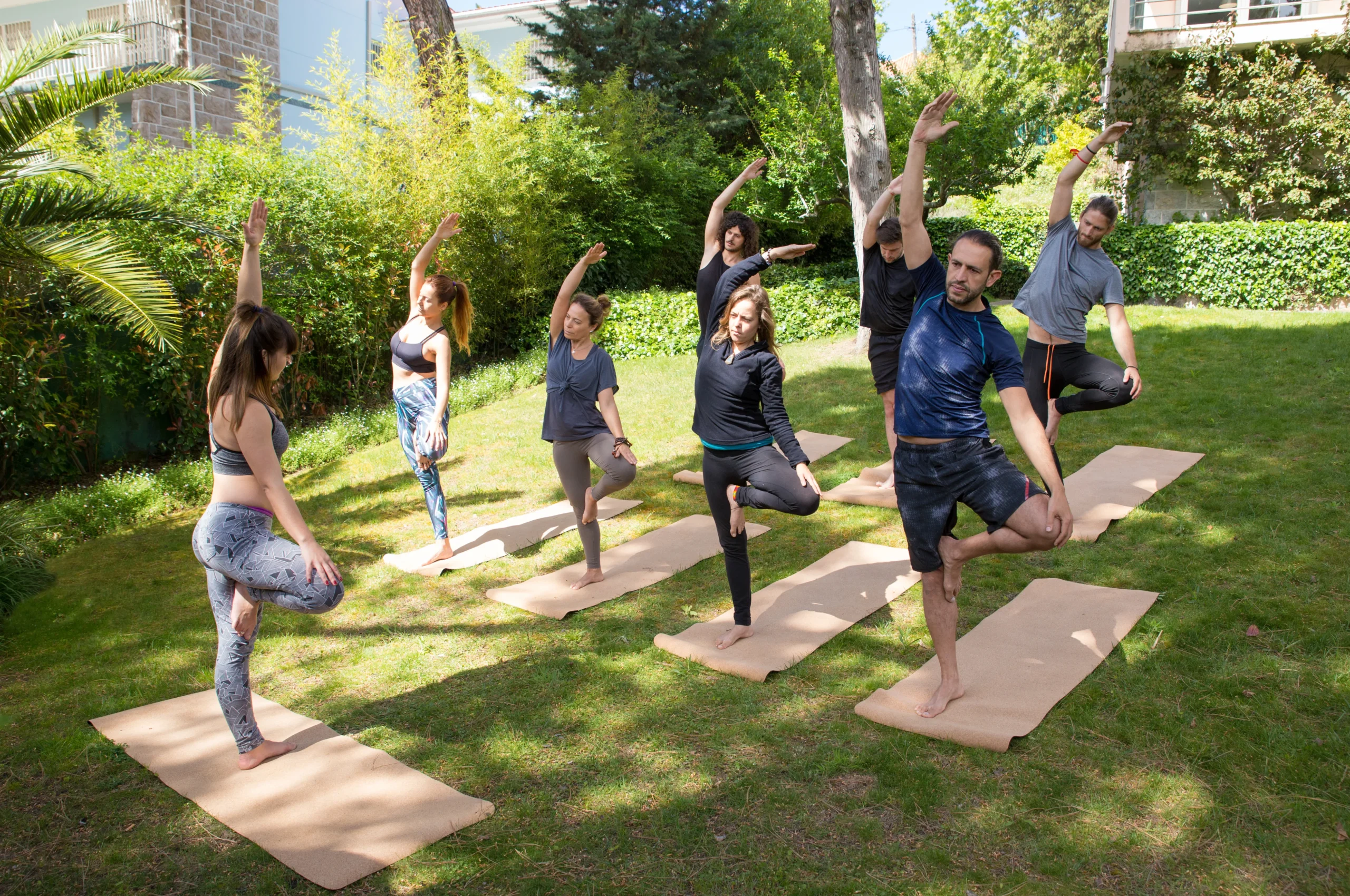
A retreat is probably your option if any of this matches with what you want:
- Your idea of a good holiday is one where you come home calmer, not just with a tan.
- You’ve never rolled out a mat before and would rather not have your first attempt be a three-week course.
- Work’s been relentless and what you need is a break, not a syllabus.
- Maybe you’re traveling with someone who isn’t really “into yoga” but would still enjoy the trip.
- If you’re honest with yourself, given the choice between a nap and an anatomy lecture, you’re taking the nap.
The Wellness Retreat in Nepal and 1 Month Yoga Detox Retreat pages were more or less built with this exact person in mind. Daily yoga, Ayurvedic meals and enough unscheduled time to actually enjoy it.
Who Should Book Yoga Teacher Training Instead?
You can consider booking teach training instead if:
- You already have a practice and want the “why” behind every pose instead of just the “how.”
- It suits anyone who needs an actual certificate before they can teach, whether that’s at a studio, a gym, or online.
- It suits the serious students chasing the deepest version of yoga study available, even if they’ve got zero interest in ever teaching a class.
- It suits people who like structure and would rather follow a schedule than figure things out as they go.
Nepal Yoga Home’s Yoga Teacher Training Course page lays out every level on offer, from a 100 Hours Beginner Yoga Teacher Training up through the 500 Hours Advanced Yoga Teacher Training, so there’s a reasonable starting point no matter your background.
How to Decide Between Yoga Training vs Yoga Retreat in 4 Questions?
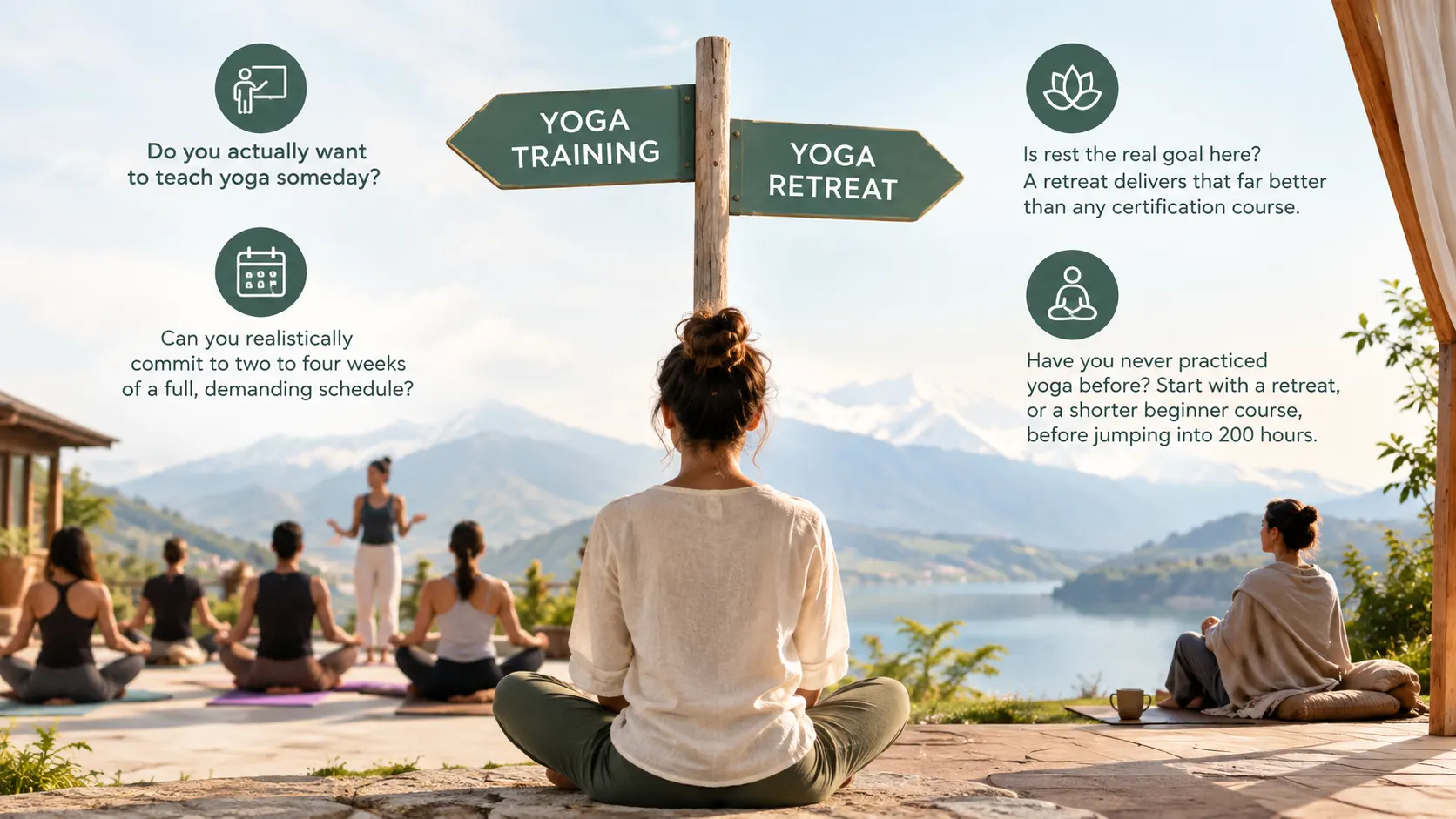
- Do you actually want to teach yoga someday? If yes, a retreat won’t get you there but training will.
- Can you realistically commit to two to four weeks of a full, demanding schedule?
- Is rest the real goal here? A retreat delivers that far better than any certification course.
- Have you never practiced yoga before? Start with a retreat, or a shorter beginner course, before jumping into 200 hours.
Can You Do Both: Yoga Training vs Yoga Retreat?
Plenty of students start with a retreat, like the trip, and come back later for full teacher training once they’ve gotten a feel for the place.
It happens often enough that it’s basically a pattern by now. Dr. Prakash Acharya, who founded Nepal Yoga Home. His teaching team have been running both programs from the same forested campus near Nagarjuna Hill for over 15 years, so this crossover isn’t rare here.
The Booking page has current dates if you’d rather line up a retreat and a training course back to back. You can also check the school’s Testimonials page to see what that crossover actually looked like for past students.
Frequently Asked Questions
Is a yoga retreat cheaper than yoga teacher training?
Usually, yes. Retreats are shorter and skip the extended curriculum, materials and certification fees a training course carries. A short retreat can cost a fraction of a full 200-hour program, though the final price still depends on your accommodation.
Does time on a retreat count toward a teacher training certificate later?
Not really. Yoga Alliance and similar bodies want a completed, structured course, not informal retreat hours. A retreat can still be decent groundwork, it just won’t shave anything off the hours you’ll eventually need.
Do you need to be fit for either one?
No. Both retreats and beginner-level training are built to work around different fitness levels, and poses get modified when needed. What matters more is showing up and putting in the effort day after day.
Is the food or accommodation different between the two?
Both usually include vegetarian meals and a choice of shared or private rooms. Training courses tend to run on a tighter meal and rest schedule because the syllabus demands more of your time, while retreats leave more room to move at your own pace.
What do people usually walk away with?
Retreat guests tend to leave calmer, with a handful of tools for managing stress on their own. Training graduates leave with a Yoga Alliance-recognized certificate, and often enough confidence to start teaching within a few weeks of getting home.