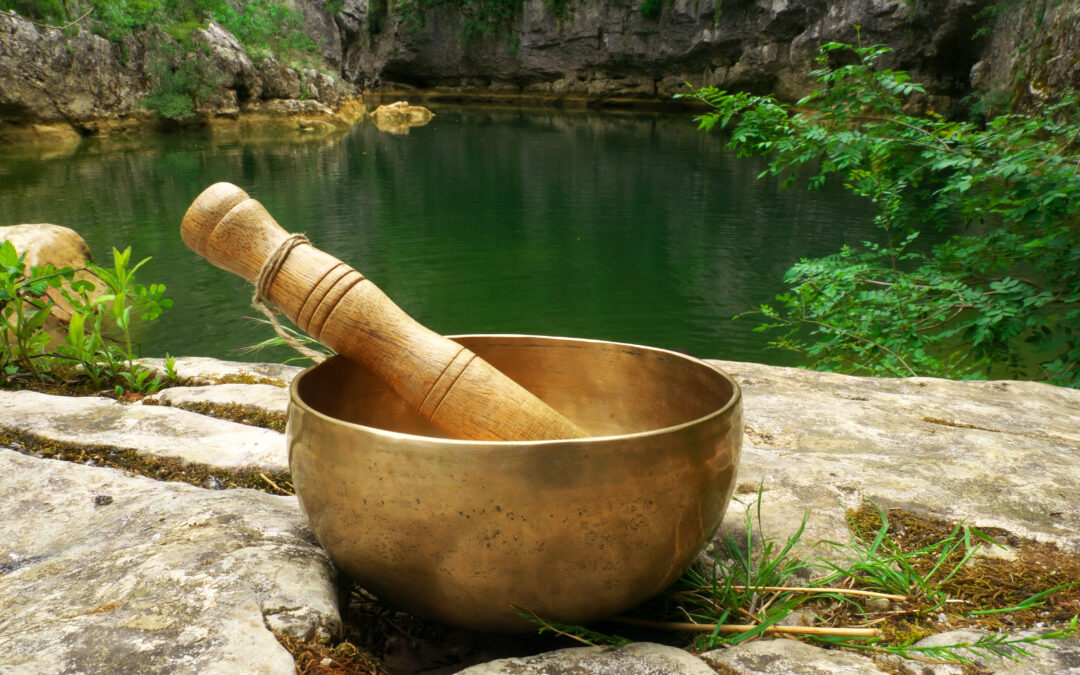
Walk through Kathmandu and you will hear bowls everywhere. Shops ring them, healers play them and travellers stop to listen.
So why learn singing bowl therapy in Nepal instead of at home? The answer mixes culture, hands-on teaching and a calm place to practise.
We teach sound healing at Nepal Yoga Home, and we will share seven reasons. We will also be honest about what is known and what is not.
The Story of the Bowls: What We Know and What We Do Not
Many people call them Tibetan bowls, yet their origin is still debated. Writer Salil Subedi told the Kathmandu Post that the bowls trace back to Nepal, where the metal bowl was once a rice or alms bowl called a “bata”. He says the name “singing bowl” came much later.
Others disagree. A Tibetan monk told the same paper that his monastery does not use them for meditation. One scholar writes that there is no hard evidence that the bowls are ancient or Tibetan. So treat any “ancient lineage” claim with care, and ask each teacher what they can truly back up.
This honesty matters. It helps you choose a teacher who is clear about both the tradition and its limits.
7 Reasons to Learn Singing Bowl Therapy in Nepal
1. A Living Culture of Sound
Temples, stupas and monasteries fill the Kathmandu Valley with bells, chants and quiet. Bowls are part of daily sights. You hear sound used with care, and that shapes your ear.
2. Many Voices, One Place
Healers in Kathmandu, travelling students and long-term residents share ideas here. You can meet people with very different views on the history and use of the bowls. That variety helps you think for yourself.
3. A Chance to See the Craft
Hand-beaten bowls are still made by some artisans in Nepal, though many bowls sold today come from elsewhere. In Patan and Boudha you can listen to many bowls side by side. Hand-hammered bowls usually sound more complex than machine-made ones.
4. Step-by-Step Training
When you learn singing bowl therapy in Nepal with us, you move in clear stages. Level 1 runs for 3 nights, and Level 2 also runs for 3 nights. The basic to advanced training takes 6 nights, with teachers beside you as you practise.
5. Sound Beside Yoga and Meditation
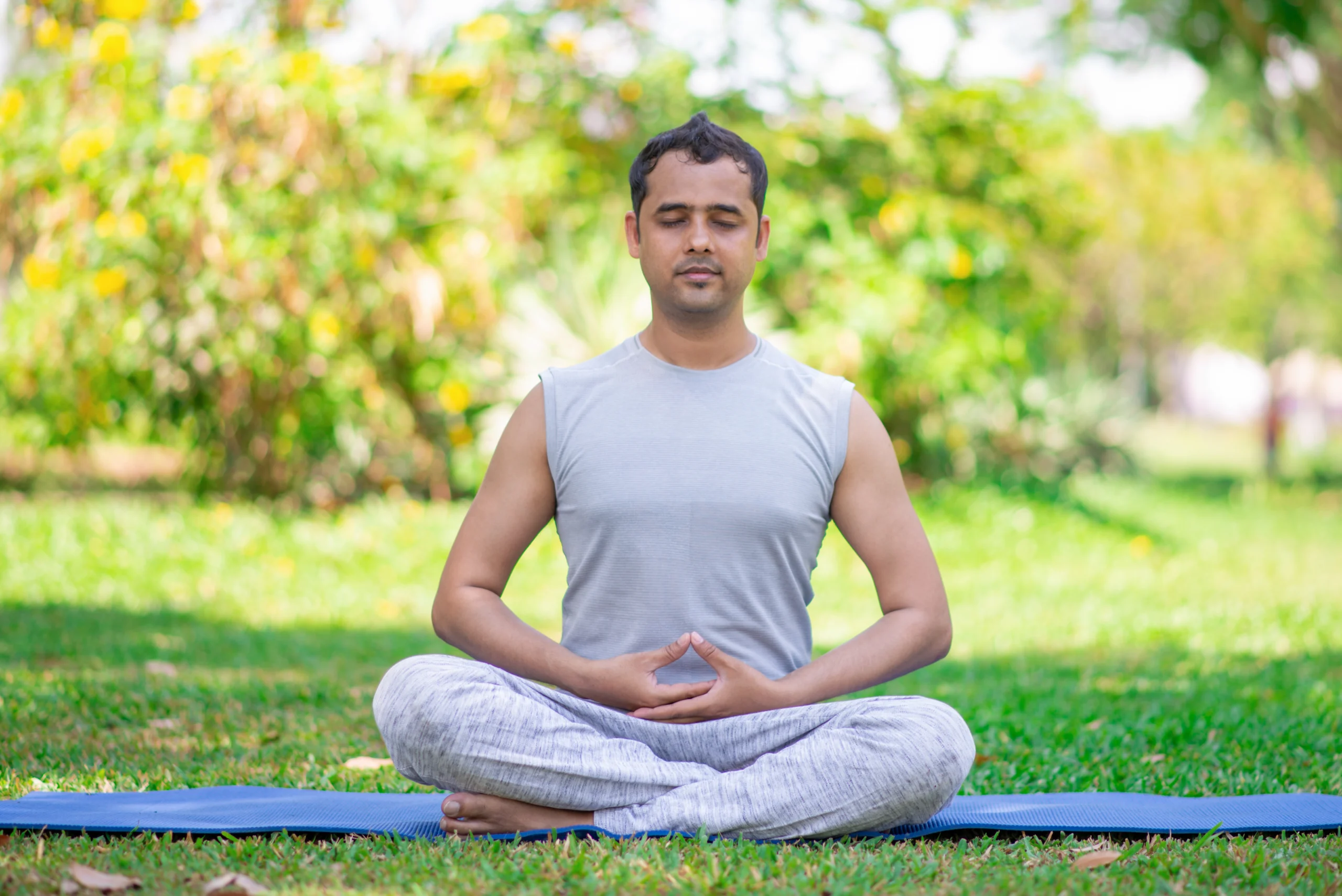
Sound grows stronger with other skills. You can pair it with meditation, Reiki, massage and yoga nidra. Our 21-day wellness training brings yoga, massage and singing bowls together.
6. A Calm Place to Absorb It
Our school sits about 5 km from central Kathmandu, beside the Nagarjuna forest. You study in peace, then rest between sessions. See our services and facilities page for rooms and meals.
7. A Grounded View of Healing
Practitioners in Nepal speak plainly. A healer quoted by the Kathmandu Post said sound cannot cure a disease but can help a person feel better. A neuropsychiatrist in the same article called bowl work a supportive therapy. We teach the same careful view.
Where to Learn Singing Bowl Therapy in Nepal: Our Training Paths
| Programme | Length | Best for |
| Level 1 | 3 nights | Beginners |
| Level 2 | 3 nights | Level 1 graduates |
| Basic to advanced | 6 nights | A complete start-to-finish plan |
| Singing bowl meditation | Check the page | Meditation teachers |
| Singing bowl healing and Kundalini yoga | Check the page | Yoga lovers |
You can also blend sound with teacher training in our 200-hour Kundalini yoga training, 100-hour Kundalini training with singing bowl or 500-hour yoga training with singing bowl. Want to add bodywork? Look at our massage teacher training.
What Healing Experiences Can Feel Like
Many students describe a deep quiet, heavy limbs and slower breathing during a session. Some feel emotional, and others simply fall asleep. Everyone responds differently.
Research is still early. A 2016 study of 62 adults reported less tension, anger, fatigue and low mood after a one-hour sound meditation, but it was observational and small. So if you want to learn singing bowl therapy in Nepal, treat it as a calming practice and a skill, not a cure.
If you want to feel the sound before you train, start with our 3-hour online meditation or our one-week breathing and meditation retreat.
Plan Your Visit
Spring (March to May) and autumn (September to November) bring clear skies and mild days. Add a few extra days to rest, and pair your training with a retreat:
- 10-day meditation holiday
- Two-week meditation retreat in Kathmandu
- One-week monastery yoga retreat
- One-week wellness retreat
- 10-day healthy yoga tour
Keep It Safe
- Ask clients about their health and get consent before every session.
- Avoid placing bowls on the body for anyone with a pacemaker or implant, or during pregnancy.
- Keep the volume soft, especially for people with sound sensitivity.
- Never promise a cure, and refer clients to a doctor when needed.
Learn Singing Bowl Therapy in Nepal With Us
You do not have to decide everything today. Meet our yoga teachers and read about our founder. See what past guests say on our testimonials page, and check our FAQ. Contact us with questions. When you are ready to learn singing bowl therapy in Nepal, book your stay.
Frequently Asked Questions
Do I need musical or healing experience?
No, you can start with no background at all. Patience and a calm mind matter more than skill.
Can I buy a bowl in Nepal?
Yes, but take your time and listen to several bowls first. Ask the seller where and how each one was made, because origin stories vary.
Will I receive a certificate?
Please check each course page, or ask us, for the exact certificate details. We are happy to explain what you will receive before you book.
Can yoga teachers add this to their classes?
Yes, many teachers use a bowl to open a class or close final rest. Our training helps you do it safely and with confidence.
Can I bring my own bowl?
Ask our team before you travel so we can plan for it. Practising on a bowl you know can be a helpful part of learning.