
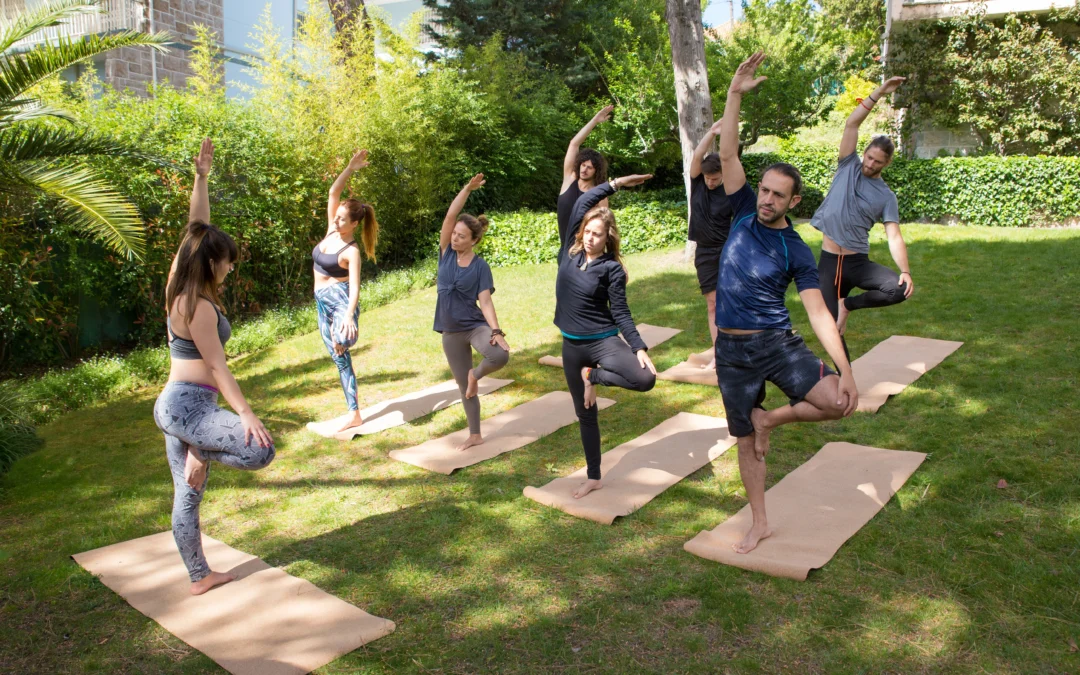
10 Benefits of Joining a Yoga Retreat in Nepal for Your Body, Mind and Wellbeing
Here’s usually how it starts, when life gets loud, sleep gets short and one yoga class a week stops doing much of anything. That’s the point where people start looking into the benefits of joining a yoga retreat.
A retreat works differently than a class because it gives you days, not an hour. Several in a row, actually. No rushing off to the next thing after. That alone is often what it takes to feel a real shift in your body and your head, not just a nice hour of stretching.
Nepal helps too because we have mountain air, slower mornings and a yoga tradition that’s been around for centuries in that part of the world. A studio back home just isn’t set up to compete with that and honestly it was never trying to.
In this blog, we have covered 10 genuine benefits of joining a yoga retreat. These are based on what actually happens over a real multi-day program.
Why Nepal Adds to the Benefits of Joining a Yoga Retreat?
A lot of what gets taught in meditation and yoga classes worldwide traces back to Nepal in the first place. A Yoga Retreat in Nepal usually sits somewhere quiet and green, well clear of traffic and the constant buzz of your phone.
That setting isn’t just for the photos. Fresh air, natural light, fewer things pulling at your attention, it all adds up. Your body slows down faster there and that’s a big part of why the benefits of joining a yoga retreat show up quicker in Nepal than they would at home.
10 Benefits of Joining a Yoga Retreat
Here’s a short detail on table before we get into more detail later:
| Benefit | Mainly Helps | |
| 1 | Improved flexibility and joint mobility | Body |
| 2 | Better sleep quality | Body |
| 3 | Lower cortisol and reduced stress | Mind |
| 4 | Stronger breathing and lung capacity | Body |
| 5 | Improved posture and core strength | Body |
| 6 | Mental clarity and sharper focus | Mind |
| 7 | Emotional resilience | Mind |
| 8 | A reset relationship with food | Body |
| 9 | A genuine support community | Wellbeing |
| 10 | A practice you can sustain at home | Wellbeing |
1. Improved Flexibility and Joint Mobility
One class a week barely touches flexibility. A week or two of daily practice does. Tight hips, hamstrings, shoulders, all of it starts to loosen in a way you can actually feel, not just read about.
A teacher’s also watching your form every day instead of once a week, so bad habits get caught before they set in.
2. Better Sleep Quality
You’ll have active days where phones are mostly off. That’s really it, and it does more for sleep than most apps or supplements manage on their own.
Some retreats add an evening wind-down too, slow stretching or a short meditation before bed. Your body starts to learn when it’s supposed to switch off.
3. Lower Cortisol and Reduced Stress

Cortisol is your stress hormone. Keep the pressure on long enough and it stays high, and that shows up as bad sleep, low mood and sometimes even stomach trouble.
A retreat takes that pressure away for a stretch and swaps it for something steadier. That’s why people go looking for a stress management retreat specifically.
4. Stronger Breathing and Lung Capacity
Pranayama, or breath control, gets practiced daily on most retreats. Give it a week or two and lung capacity and breath awareness both improve, more than most people expect.
There’s a bonus here. Better breathing calms the nervous system on its own, which is part of why stress eases so fast once you’re actually there.
5. Improved Posture and Core Strength
Sitting at a desk all day wears down the muscles holding your spine up. Daily asana rebuilds them, slowly, but it works.
And because someone corrects you in person every day, small posture problems get fixed early instead of becoming years of back pain.
6. Mental Clarity and Sharper Focus
Less screen time and less multitasking. Add a daily meditation practice, and most people notice their thinking gets quieter within a few days. It’s a strange feeling at first, almost too quiet.
That clarity tends to stick around after you get home too, at least if you keep even a few minutes of the habit going.
7. Emotional Resilience
Living close with a group. Following someone else’s schedule. Sitting with your own thoughts during meditation, which sounds easy until you try it. None of that feels comfortable right away. A little frustration or homesickness in the first day or two is normal, not a sign something’s wrong.
Working through it, with teachers and other students around, builds a kind of resilience that outlasts the retreat.
8. Reset Relationship with Food

Meals are simple, fresh, vegetarian and served at the same time every day. No delivery apps, no skipping lunch because you’re busy and no snacking at midnight out of boredom.
By the last few days, plenty of guests notice they’re actually hungry before they eat, instead of eating because the clock says noon.
9. Genuine Support Community
You end up sharing meals, morning practice and quiet afternoons with people who came for roughly the same reason you did. Friendships form fast here, faster than most people expect walking in.
This one’s easy to overlook on paper. But ask anyone who’s actually done a retreat and this is usually the first thing they bring up.
10. Practice You Can Actually Sustain at Home
One class doesn’t build a habit. Fourteen straight days of doing it, without skipping, usually does.
By the end, asana, breathing and a short morning meditation stop feeling like a task and start feeling like just part of the day. That’s the shift that makes it stick once you’re home.
What a Typical Day Looks Like on a Yoga Retreat in Nepal?
Days at Nepal Yoga Home don’t change much from one to the next and that repetition is kind of the whole point:
- Early morning pranayama and meditation
- Asana practice before breakfast
- Fresh vegetarian breakfast
- Yoga philosophy or workshop session
- Vegetarian lunch and rest time
- Optional walk, reading, or free time
- Evening meditation or asana class
- Dinner and an early, screen-free wind-down
Each piece feeds one of the 10 benefits above. Morning pranayama builds lung capacity. Evening meditation supports sleep. It keeps going like that down the whole list.
Is a Yoga Retreat Worth It?
If you want more than a weekend reset, yes. Better sleep, lower stress, a habit that actually sticks, these are the real benefits of joining a yoga retreat and they generally need more than two or three days before any of it shows up.
That’s part of why the 14-day meditation and yoga retreat and the 21-day yoga meditation retreat run as long as they do. Both are set up for total beginners, so no prior experience needed.
If you’d rather check the research than take our word for it, Harvard Medical School has a decent explainer on how yoga affects the body and stress response. The National Center for Complementary and Integrative Health also lays out what current studies actually show, worth a look if you’d rather trust data than testimonials.
In Short
A yoga retreat won’t fix your whole life in two weeks. It was never supposed to. What it gives you is rarer than that: an actual stretch of time to reset, without your phone going off every five minutes.
Between the daily practice, the food, the setting and the people you meet along the way, the benefits of joining a yoga retreat tend to go a lot further than the mat itself.
If Nepal’s been sitting in the back of your mind for a while, this is as good a reason as any to finally book it. Book your retreat and find out what a couple of weeks in the Himalayas actually does.
Frequently Asked Questions
How many days does it take to feel the benefits of a yoga retreat?
Sleep is usually one of the first things to improve, often within three or four days. Nepal Yoga Home runs programs from one week up to a full month, so pick a length based on how deep a change you’re after.
Do I need prior yoga experience to join?
No. Complete beginners join right alongside experienced practitioners and teachers adjust every pose to wherever you happen to be starting.
What is the food like on a retreat?
Simple, fresh, vegetarian meals, three times a day, always at set times. It comes up in almost every guest review as one of the best parts of the whole stay.
Is Nepal Yoga Home certified?
Yes. It’s registered with Yoga Alliance and has been running retreats in Nepal for over 15 years now, from a quiet spot near Nagarjun jungle, not far outside Kathmandu.
Can I combine a yoga retreat with meditation or Ayurveda?
Yes, several programs blend yoga with meditation, breath work, or Ayurveda treatments. Check the retreat page or reach out through the contact page to see what’s currently running.