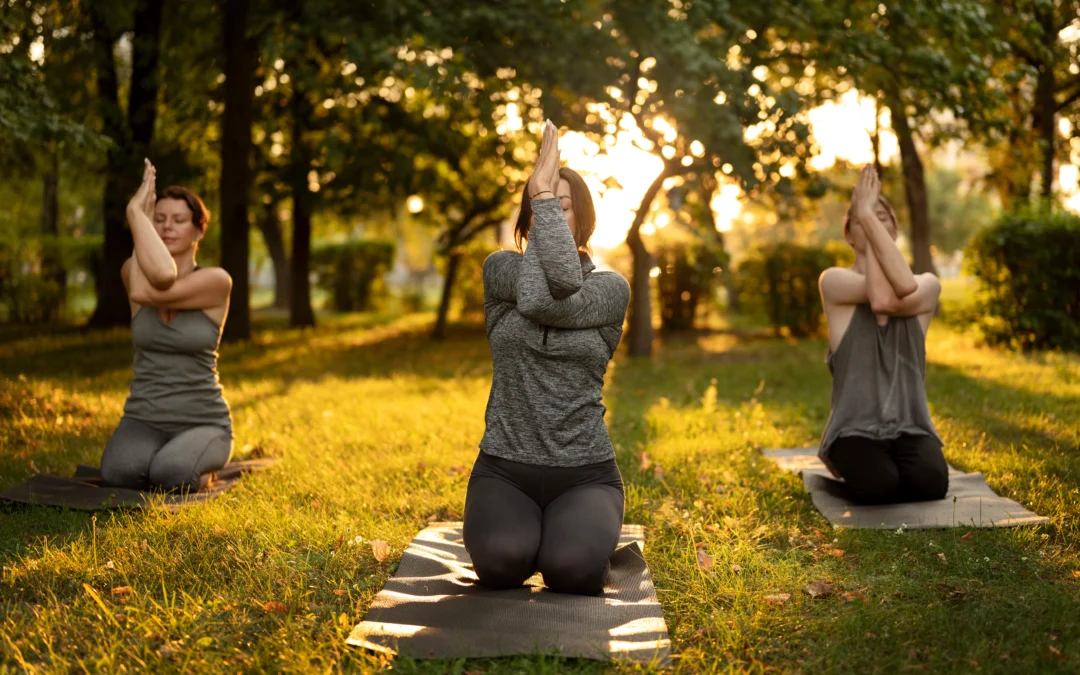
Nepal is where yoga started and you can feel that history in the way it’s taught here. Centers are located in quiet forests near Kathmandu or right on the lake in Pokhara, and most days move slowly, built around simple meals and long practice sessions.
Not every retreat suits every person, though. Some are built for silence and stillness, others for trekking and long hikes, so picking the wrong one can leave you frustrated halfway through.
This guide covers nine things worth checking before you book a yoga retreat in Nepal. Go through them one at a time and you’ll have a much better idea of what actually fits you.
Why Nepal Works So Well for a Yoga Retreat?
Yoga’s roots trace back to this part of the world, so the teaching style feels grounded instead of trendy or overly polished. Add the mountain views and forest settings, and practicing outdoors becomes a normal part of your day rather than something special you plan for.
Most retreats sit in one of two areas. The Kathmandu Valley is known for its temples and quiet hillsides, while Pokhara is known for its lake and the Annapurna range in the background. You can browse the full range on our Yoga Retreat in Nepal page.
1. Know Your Goal First
A retreat and a Yoga Teacher Training are two different things, and mixing them up is a common mistake. A retreat is about practice and rest. A training ends with a certificate you can actually use to teach.
| If you want | Look for a retreat that offers |
| Rest and a reset | Shorter, relaxed programs |
| A daily discipline | Longer, structured schedules |
| Detox and cleansing | Ayurveda-based courses |
| A certificate | A Yoga Teacher Training, not a retreat |
2. Pick Kathmandu or Pokhara
Kathmandu Valley retreats usually sit on forest hillsides, close to temples and not far from the airport, which makes arrival day a lot easier. Pokhara feels different. You get lake views with mountains in the distance and more tourist infrastructure close by if you want it.
If you’d rather stay active, trekking retreats pair yoga with actual hiking. Our Everest yoga trekking and Annapurna yoga trek programs both combine daily practice with real trail time in the mountains.
3. Choose the Right Length
Most people do better starting short before jumping into a longer yoga retreat in Nepal. You’ll know a lot more about what you actually want after even a few days.
- 1 to 3 days: A quick taste, like our 2-day, 1-night or 3-day, 2-night options
- 10 days: Long enough to build a real habit, see our 10-day retreat
- 1 month: A full, deep immersion, see our 1-month retreat
4. Match the Style to Your Body
Not every yoga style suits every body, and this is where a lot of people end up picking the wrong retreat. Hatha moves slowly and works well for beginners. Ashtanga and Vinyasa move faster and ask more of you physically, and you can read more about those on our Vinyasa yoga and 10-day Ashtanga retreat pages.
Dealing with an injury or old pain? Our Therapeutic Yoga program is built for that. Older travelers often do better with the gentler pace of our Seniors Yoga course, and anyone chasing real quiet should look at our Monastery Yoga Retreat.
5. Check Who’s Teaching
Look for Yoga Alliance certification rather than just a long bio full of years of experience. Class size matters too. Smaller groups mean the teacher can actually correct your form instead of just calling out poses from the front.
Reading real feedback helps more than most people expect. Check our Testimonials page, and you can also get to know the instructors ahead of time through our Teachers page.
6. Look at Food and Rooms Too
Vegetarian meals are pretty standard at most centers in Nepal, but it’s still worth asking if they can handle specific allergies or restrictions. Room setup matters more than people think as well. Shared and private rooms come at different prices and change how the whole stay feels.
Small things like hot water, wifi rules, and laundry access get overlooked until you’re actually there and need them. You can see our full setup on the Services & Facilities page.
7. Time It With the Season for Yoga Retreat
| Season | Months | What to Expect |
| Spring | March to May | Clear skies, warm days |
| Autumn | Sept to Nov | Best overall weather |
| Monsoon | June to Aug | Rain, more classes moved indoors |
| Winter | Dec to Feb | Cold nights, quieter centers |
Spring and autumn are the easiest months to plan a trip around, since the weather stays fairly predictable and outdoor practice rarely gets cancelled.
8. Compare What’s Included in the Price of Yoga Retreat
Most packages include accommodation, meals, and daily classes as the baseline. Extras like spa treatments, visa fees, and travel insurance usually cost more and don’t always get mentioned upfront, so ask before you pay a deposit.
Detox focused programs such as our 1 Week Yoga Detox Retreat or Ayurveda Detox Course tend to cost a bit more because of the added therapies. Stress relief programs like the 2 Week Stress Management Retreat often bundle counseling sessions into the price too.
9. Sort Out the Practical Stuff
Nepal offers visa on arrival for most nationalities, but check the current rules before booking flights since these things do change. Getting travel insurance that actually covers your retreat dates matters more than people realize, and it’s one of the first things people skip.
If you have an injury, are pregnant, or have had a hard time with meditation in the past, mention it to the organizers before you arrive rather than after. It also helps to get the deposit and cancellation policy in writing so nothing gets confusing later.
Before locking in your dates, check our FAQ page for common questions, then head over to Booking to reserve your spot. If you’d rather ease into things slowly, our Holiday Yoga Meditation Retreat is a decent middle ground.
Final Thoughts
Choosing the right yoga retreat in Nepal really comes down to matching your goal, your schedule, and your budget to the right program. Skip that step and even a beautiful setting won’t fix a retreat that’s wrong for you.
Work through the nine points above one at a time. By the end, you’ll know exactly what kind of retreat you need and where to book it.
FAQ
What’s the difference between a yoga retreat and a Yoga Teacher Training?
A retreat is for rest, practice, and personal time with no certificate at the end. A Yoga Teacher Training follows a set curriculum and leads to a Yoga Alliance-recognized certificate.
How long should my first yoga retreat be?
Start small, like 3 days or a week. You’ll get a real feel for the pace and style before signing up for anything longer.
Kathmandu or Pokhara, which is better?
Kathmandu gives you forest quiet and temples close by. Pokhara gives you lake views and mountains in the background. Both work well, it just depends what you’re after.
Do I need yoga experience to join?
No, most yoga retreat welcome complete beginners along with advanced practitioners. Just tell the organizers your level ahead of time so they can plan accordingly.
What’s usually included in the price?
Accommodation, meals, and daily classes come standard in most packages. Spa treatments, visa costs, and travel insurance are usually separate charges.
Is a retreat safe for older adults or people with injuries?
Yes, as long as you mention it before you arrive so the schedule can be adjusted. Our Seniors Yoga and Therapeutic Yoga programs are built specifically for that.
What’s the best time of year to go?
Spring and autumn give you the clearest skies and most comfortable weather. Monsoon and winter are quieter seasons but come with rain or cold, depending on where you go.