The Right Place to Learn Authentic Himalayan Singing Bowl Training in Nepal: 7 Reasons to Choose Nepal Yoga Home
You want to learn singing bowls properly, not just watch a video. You also want a teacher who is honest, a calm place to practise and a plan that makes sense.
That is what good Himalayan singing bowl training in Nepal should give you. In this guide, we explain how to judge a course and why many students choose us.
We run the training at Nepal Yoga Home, on Goldhunga Road in Kathmandu. Here is what to expect.
What Does “Authentic” Mean in Himalayan Singing Bowl Training?
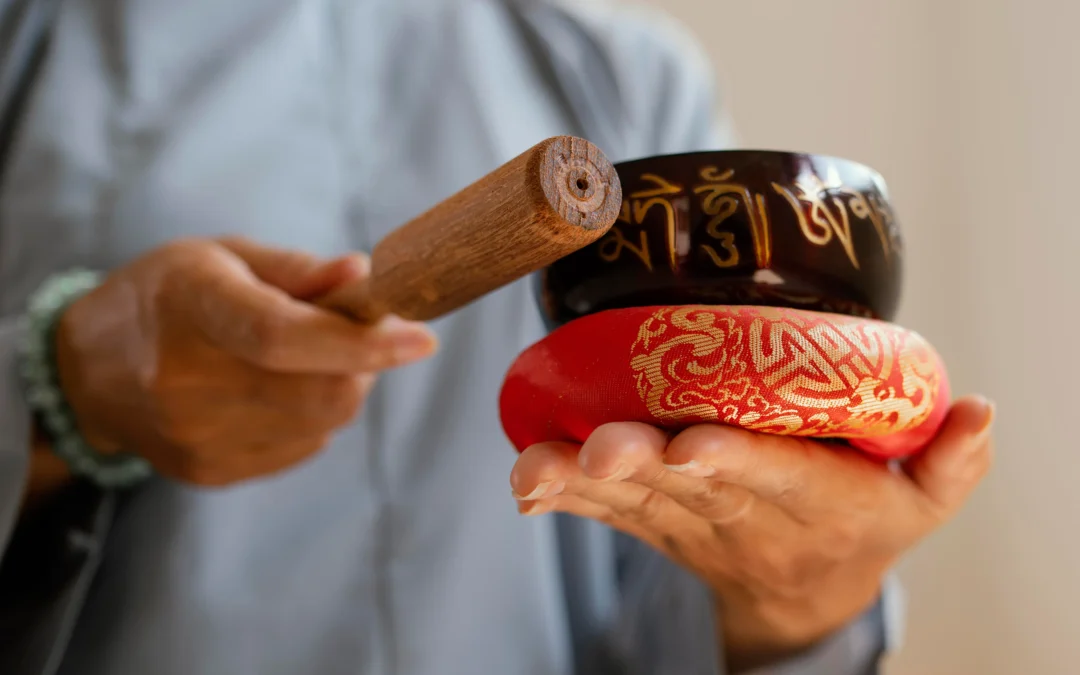
The word gets used a lot, so let us be clear. The history of singing bowls is debated. Some writers trace the bowls to Nepali metalwork, while a Tibetan monk told the Kathmandu Post his monastery does not use them for meditation.
So we do not promise a secret ancient lineage. For us, authentic means real Himalayan-style bowls, hands-on practice, honest history and careful ethics. A school that is open about what it knows is a school you can trust.
Authenticity also means you can ask any question. If you want to know where a bowl was made or how a technique started, we will tell you what we know and what we do not.
7 Reasons to Choose Nepal Yoga Home
1. A Trusted Kathmandu School
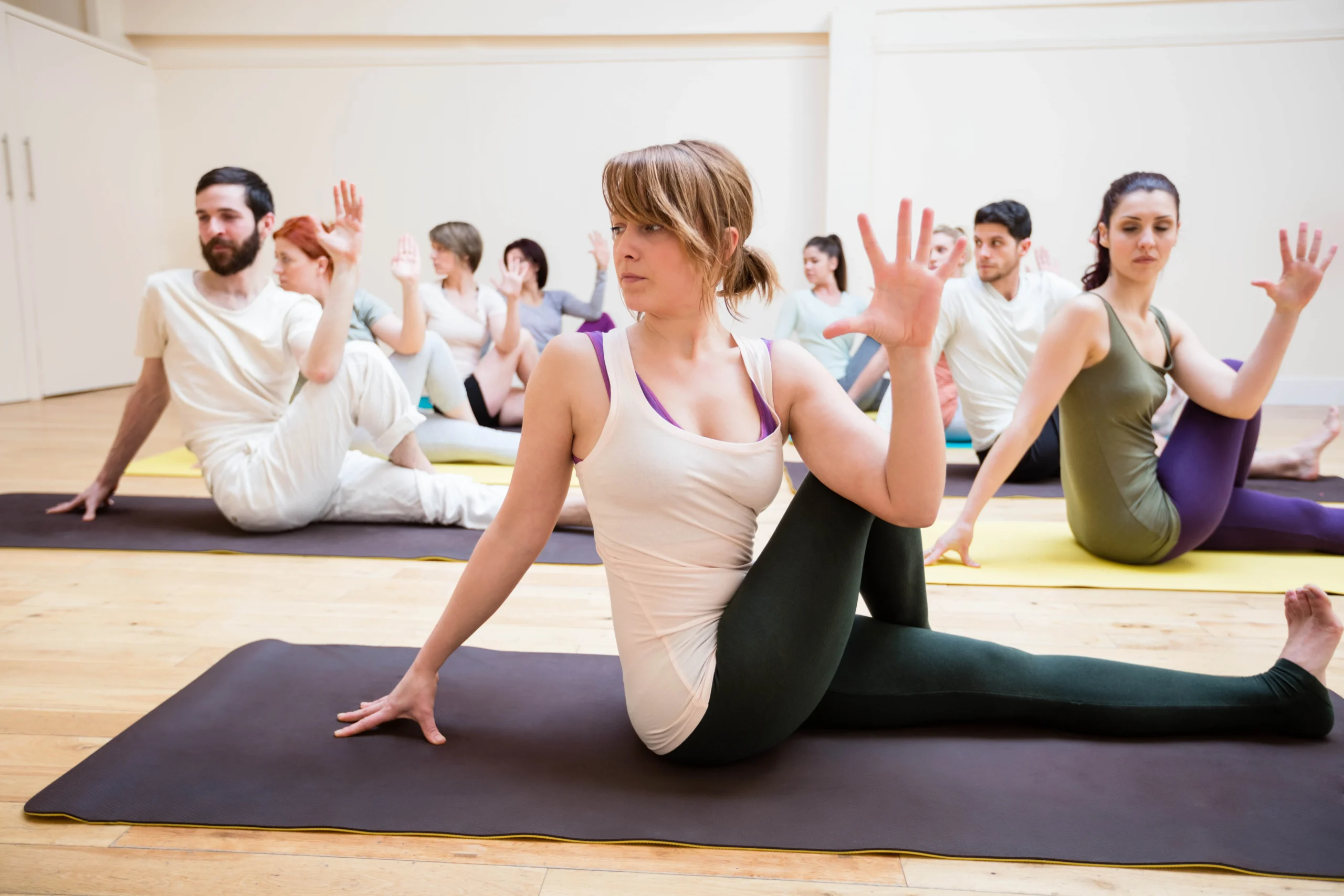
We have run courses for more than 15 years and have welcomed over 10,000 visitors. Our school is registered with the Yoga Alliance International Registry. We sit beside the Nagarjuna forest, about 5 km from the city centre, and students from about 80 countries have trained here.
Our team of more than 40 people keeps classes, meals and rooms running smoothly, and past guests often describe the atmosphere as family-like. Read about us on our about us page.
2. Clear Levels That Build Step by Step
You do not need to guess where to begin. Level 1 runs for 3 nights, and Level 2 also runs for 3 nights. Our basic to advanced training takes 6 nights and covers the whole path. Level 1 is for beginners, and Level 2 builds on it, so you can take them as two separate parts.
Taking the levels in two parts also helps you absorb the practice. This clear plan is what makes our Himalayan singing bowl training in Nepal easy to follow.
3. A Daily Rhythm of Yoga and Sound
Sound practice works best when your body and mind are calm. Our Level 1 day mixes yoga with bowl classes, so you arrive at the bowls relaxed. The yoga sessions loosen your body, and the evening class helps you unwind after a day of listening.
This is a sample day, and it may change:
| Time | Activity |
| 7:00 am | Yoga class |
| 9:30 am | Breakfast |
| 11:00 am | Singing bowl training class |
| 2:00 pm | Lunch |
| 5:00 pm | Yoga class |
| 7:00 pm | Dinner |
4. Theory and Hands-On Practice
Each day includes a bowl session, with theory on some days and practical work on others. You learn by playing, not just by listening. Practical days give you time to hold the mallet, find the sweet spot of each bowl and feel how touch changes sound.
Our yoga teachers guide you, and our founder, Dr. Prakash Acharya, holds a master’s degree in yoga and a PhD in meditation. One guest who stayed two weeks for yoga and bowl training praised the experienced teachers in a BookRetreats review.
5. Skills You Can Combine
Sound pairs well with other practices. You can add Reiki, massage teacher training or yoga nidra. Our 21-day wellness training joins yoga, massage and singing bowls. You can also choose a 200-hour Kundalini yoga training or a 500-hour yoga training with singing bowl.
Many students stack courses over one longer stay, which saves travel time. A second skill also gives you more ways to help clients later, so choose what fits your work.
6. Comfort and Simple Food
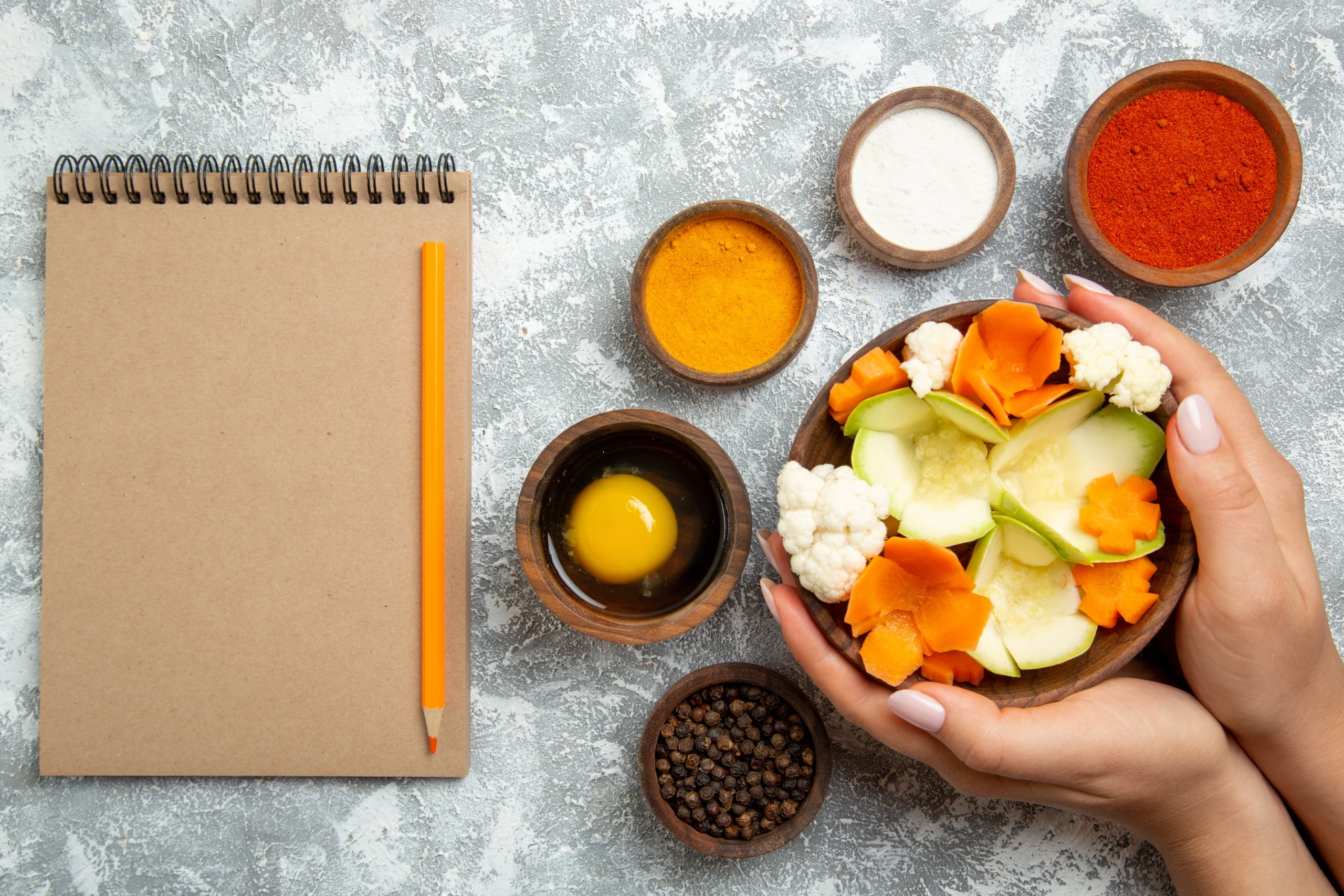
You rest and eat well between sessions. Meals are vegetarian, with tea through the day, and rooms come with hot water and Wi-Fi. Good rest matters, because sound practice asks you to listen closely.
Nearby, you can walk, hike or cycle when you want fresh air between classes, and the garden is a quiet spot to practise. Our services and facilities page shows rooms and meals in detail.
7. A Grounded, Honest Approach
We teach sound as a supportive practice for relaxation. We do not promise to cure illness, and we teach you to say so to your clients. A neuropsychiatrist quoted in the Kathmandu Post made the same point, and we agree.
In class, we practise how to explain a session to a new client in plain words. We also practise how to say no when a request is beyond your role. Honest teaching protects both you and the people you help.
Himalayan Singing Bowl Training in Nepal at a Glance
| Programme | Length | Best for |
| Level 1 | 3 nights | Beginners |
| Level 2 | 3 nights | Level 1 graduates |
| Basic to advanced | 6 nights | A full start-to-finish plan |
| Singing bowl meditation | Check the page | Meditation teachers |
| Singing bowl healing and Kundalini yoga | Check the page | Yoga lovers |
What to Look for in Himalayan Singing Bowl Training in Nepal
Before you book anywhere, ask these questions:
- Who teaches, and how long have they practised?
- How many hours are hands-on?
- Is the daily schedule clear and published?
- Do they teach safety, ethics and client care?
- Are the history claims honest and not exaggerated?
A good school answers calmly and in detail. Be wary of courses that promise a cure or a guaranteed income, and choose depth over speed. You can ask us all five.
Who Is This Training For?
- Complete beginners who feel drawn to sound
- Yoga and meditation teachers who want a new skill
- Massage therapists and wellness practitioners
- Travellers who want a meaningful few days in Nepal
- Anyone who wants to deepen their own practice
No musical background is needed. You only need patience and a willingness to listen.
What You Can Take Home
After your Himalayan singing bowl training in Nepal, you can take home:
- Confidence with striking and rimming a bowl
- A basic way to structure a calm session
- Ethics and client care, including when to refer someone to a doctor
- A simple routine you can practise at home
- A stronger personal meditation habit
Practice after the course matters most, so we encourage short sessions with friends and family first. Please check each course page for the exact topics and certificate details, or ask us before you book.
A Sample Learning Path
Here is one way students plan their Himalayan singing bowl training in Nepal:
| Step | Programme | Why |
| 1 | 3-hour online meditation | Feel the sound first |
| 2 | Level 1 | Learn the basics |
| 3 | Level 2 | Build on your skills |
| 4 | Reiki or massage training | Add a second skill |
| 5 | Retreat or wellness stay | Practise and rest |
You do not need every step. Pick the ones that fit your goals and time.
Plan Your Visit
Spring (March to May) and autumn (September to November) bring clear skies and mild days. Add a few rest days around your course so you do not rush. You can pair the training with a retreat:
- One-week breathing and meditation retreat
- 10-day meditation holiday
- Two-week meditation retreat in Kathmandu
- One-week wellness retreat
- 10-day healthy yoga tour
Safety and Ethics
- Ask about health and get consent before every session.
- Avoid placing a bowl on the body for anyone with a pacemaker or implant, or during pregnancy.
- Keep the volume soft, especially for people with sound sensitivity.
- Never promise a cure, and refer clients to a doctor when needed.
Start Himalayan Singing Bowl Training in Nepal With Us
You do not have to decide everything today. Read what past students say on our testimonials page, and check our FAQ. Contact us with any question. When you are ready to begin your Himalayan singing bowl training in Nepal, book your stay.
Frequently Asked Questions
Can you cater to food allergies?
Meals are vegetarian, and we can plan around most dietary needs. Please tell us about any allergies when you book.
What should I wear to class?
Wear loose, comfortable clothes that let you sit and lie down easily. Bring a warm layer for cool mornings and evenings.
Can you help with airport pickup?
Please ask our team about arrival options when you book. Share your flight details and we will guide you.
Is the training only for people who want to work as healers?
No, many students come to deepen their own practice. You can use what you learn at home for calm and focus.
Can I do Level 1 and Level 2 back to back?
Ask us about dates and availability before you plan your travel. We can suggest a schedule that fits your time in Nepal.