
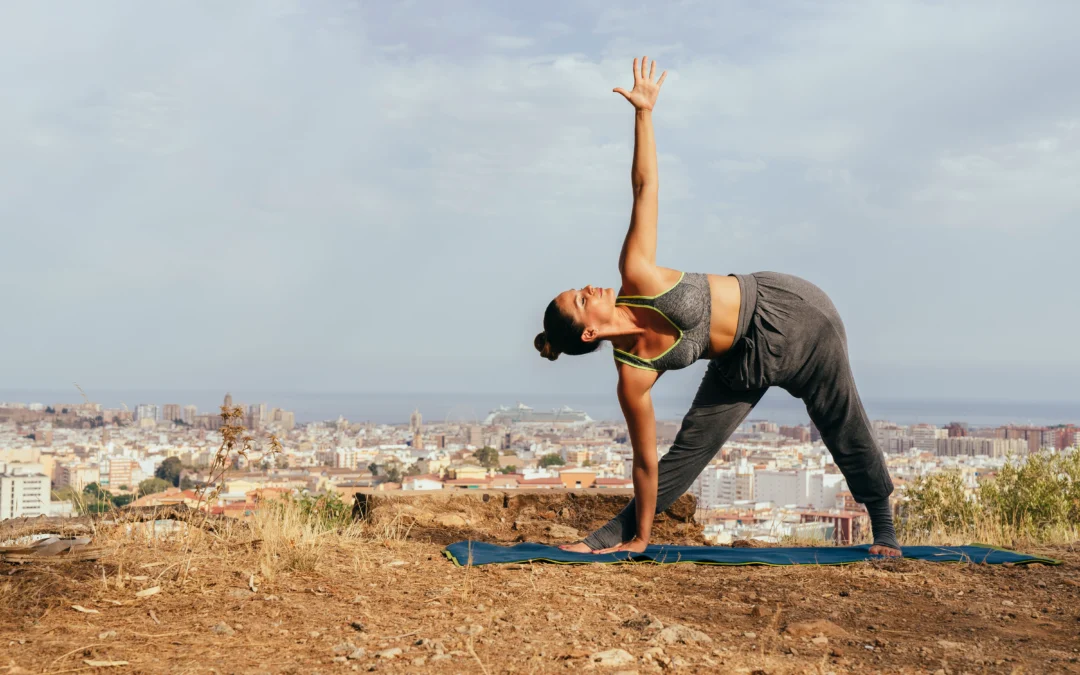
Yoga for runners fixes the tight hips, stiff hamstrings and sore calves that miles of road can leave behind. Ten minutes on the mat after a run can change how your legs feel the next day.
Most runners spend hours building endurance but almost no time on mobility. Yoga for runners fills that gap, and it also teaches you to breathe and relax under effort.
This guide shares eight poses, a short routine and a weekly plan. If you’re new to yoga, our 100-hour beginner course builds a strong base.
Why Runners Need Yoga?
Running repeats the same forward motion thousands of times. That pattern tightens some muscles and weakens others.
Yoga for runners helps in four clear ways:
- It lengthens hamstrings, calves and hip flexors.
- It strengthens the core and small stabilising muscles.
- It improves balance on uneven trails.
- It calms your mind before and after hard efforts.
8 Poses for Flexibility and Recovery
1. Downward-Facing Dog
This pose stretches calves, hamstrings and the arches of your feet. Press your hands into the floor, lift your hips and bend your knees as much as you need. Pedal your feet slowly to loosen the calves. Hold for five slow breaths.
2. Low Lunge
Tight hip flexors shorten your stride, and this pose opens them. Step one foot forward, drop the back knee to the floor and sink your hips gently. Lift your arms if your balance feels steady. Hold for 30 to 45 seconds on each side as this yoga for runners is quite good.
3. Pigeon Pose
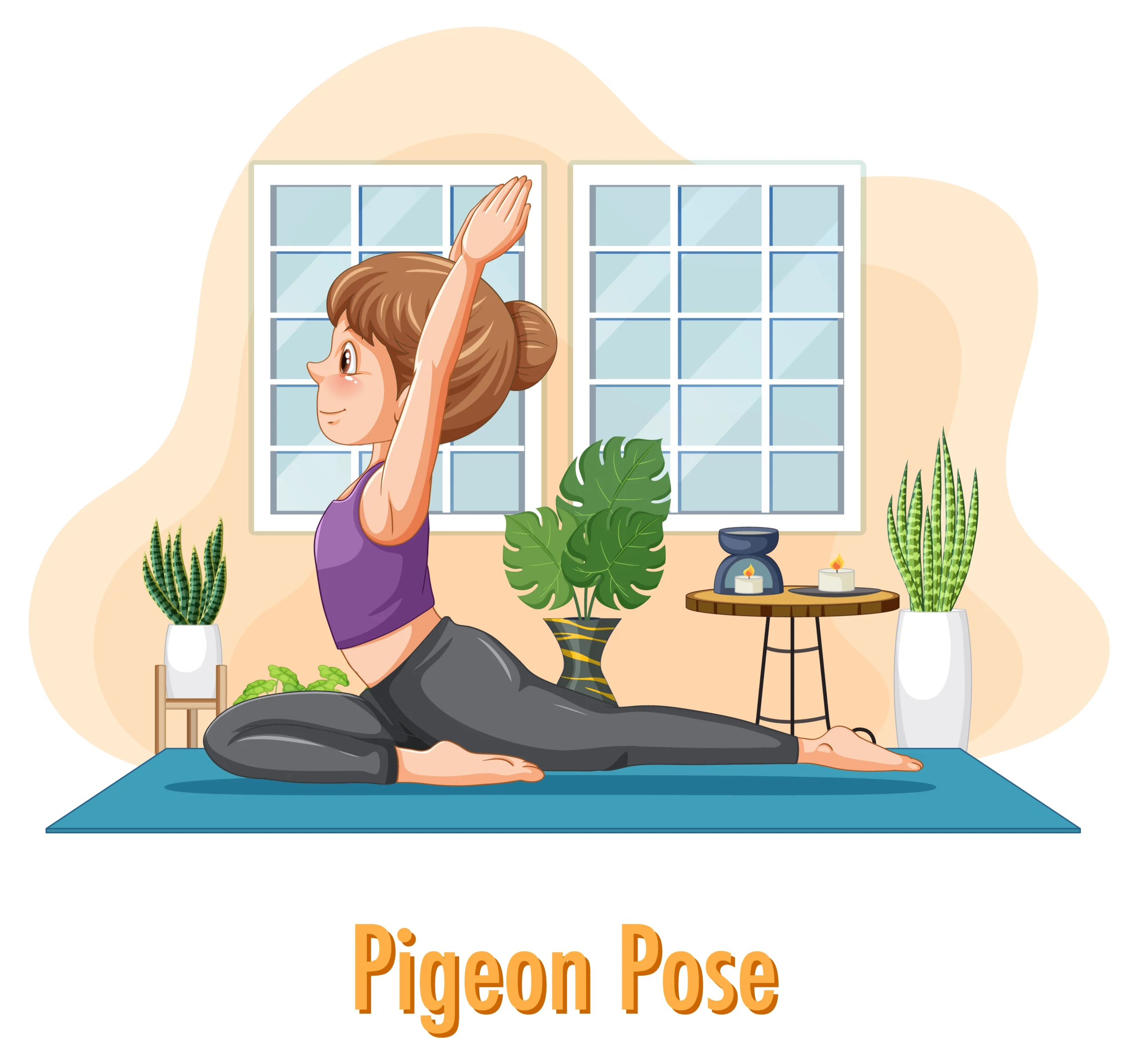
Pigeon targets the glutes and outer hips, which work hard on every run. Bring one shin forward on the floor and extend the other leg behind you. If that hurts your knee, lie on your back and try the figure-four stretch instead. Place a folded blanket under your hip for comfort.
4. Standing Forward Fold
Stand with your feet hip-width apart and fold from the hips for better yoga for runners. Keep your knees soft and let your head hang heavy. This pose lengthens the hamstrings and lower back. Sway slowly from side to side to release extra tension.
5. Reclined Hamstring Stretch
Lie on your back and loop a strap around one foot. Straighten that leg toward the ceiling and keep the other foot on the floor. Hamstring tightness shows up fast on the road, so give each side a full minute.
6. Child’s Pose
Kneel, sit back on your heels and rest your forehead on the floor. Widen your knees if your hips feel tight. This pose eases your lower back and lets your breathing slow down. Stay for one to two minutes.
7. Legs Up the Wall
Sit sideways against a wall, then swing your legs up as you lie back. Your tired legs get a rest from gravity, and many runners feel lighter right away. Stay for three to five minutes. Add a few rounds of guided breathing to deepen the effect.
8. Reclined Spinal Twist
Lie on your back, hug one knee across your body and look the other way. Keep both shoulders on the floor. The twist releases your spine and hips after a long run. Hold for one minute on each side.
A 15-Minute Post-Run Routine
Use this order after an easy or long run. Move slowly and breathe through your nose.
| Order | Pose | Hold |
| 1 | Downward Dog | 5 breaths |
| 2 | Low Lunge | 45 seconds each side |
| 3 | Pigeon or figure four | 1 minute each side |
| 4 | Standing Forward Fold | 1 minute |
| 5 | Reclined Hamstring Stretch | 1 minute each side |
| 6 | Reclined Spinal Twist | 1 minute each side |
| 7 | Legs Up the Wall | 3 minutes |
Skip Child’s Pose here if you prefer a longer finish on the wall. Our teachers often suggest ending with a few quiet minutes of rest.
A Simple Weekly Plan
Yoga for runners works best when it fits around your training. Try this schedule:
| Day | Run | Yoga |
| Monday | Easy run | 10 minutes after |
| Tuesday | Speed work | Rest |
| Wednesday | Easy run | 15-minute routine |
| Thursday | Rest | 30-minute full class |
| Friday | Tempo run | 10 minutes after |
| Saturday | Long run | 15-minute routine |
| Sunday | Rest | Gentle stretching |
Move the days around to suit your race calendar.
Common Mistakes to Avoid
- Stretching cold muscles with deep holds before a run
- Forcing your hips into Pigeon when your knee complains
- Holding your breath in tough poses
- Skipping yoga in the week before a race
- Comparing your flexibility with other students
Where to Learn
A good class helps you move safely and get more from each pose. Our Ashtanga and Vinyasa classes build strength and flow, while the power yoga workshop suits runners who like a stronger pace. If you train at odd hours, try our online yoga classes or the 5-hour basic online course. A teacher can also visit you through our yoga at home service.
For a bigger reset after race season, a one-week yoga class in Nepal or a 10-day rejuvenating retreat gives your legs real time to recover. You can see what we offer on our services and facilities page.
Who Should Be Careful
Talk to your doctor first if you have an injury, joint pain, high blood pressure or you’re pregnant. Pain that lingers for days needs a professional opinion, not more stretching. Our therapeutic yoga retreat offers a gentler path for runners who are healing.
Final Thoughts
Yoga for runners doesn’t need much time or gear. Pick three poses from this list, add them to your next cooldown and build from there.
Read what our students say, then contact us with questions or book your class today.
Frequently Asked Questions
Is yoga for runners better before or after a run?
Light movement works before a run, and deeper stretches work best afterward. Warm muscles lengthen more safely.
How often should runners do yoga?
Two to three sessions a week suit most runners. Short sessions after easy runs count too.
Can yoga prevent running injuries?
Yoga for runners can reduce tightness and improve balance, which may lower injury risk. It does not guarantee protection, so build your mileage slowly.
Do I need to be flexible to start?
No, you can begin with tight hamstrings and stiff hips. Use blocks, straps and bent knees to make each pose reachable.
Which pose helps sore legs the most?
Many runners pick Legs Up the Wall after a long run. You can find more answers on our FAQ page.