
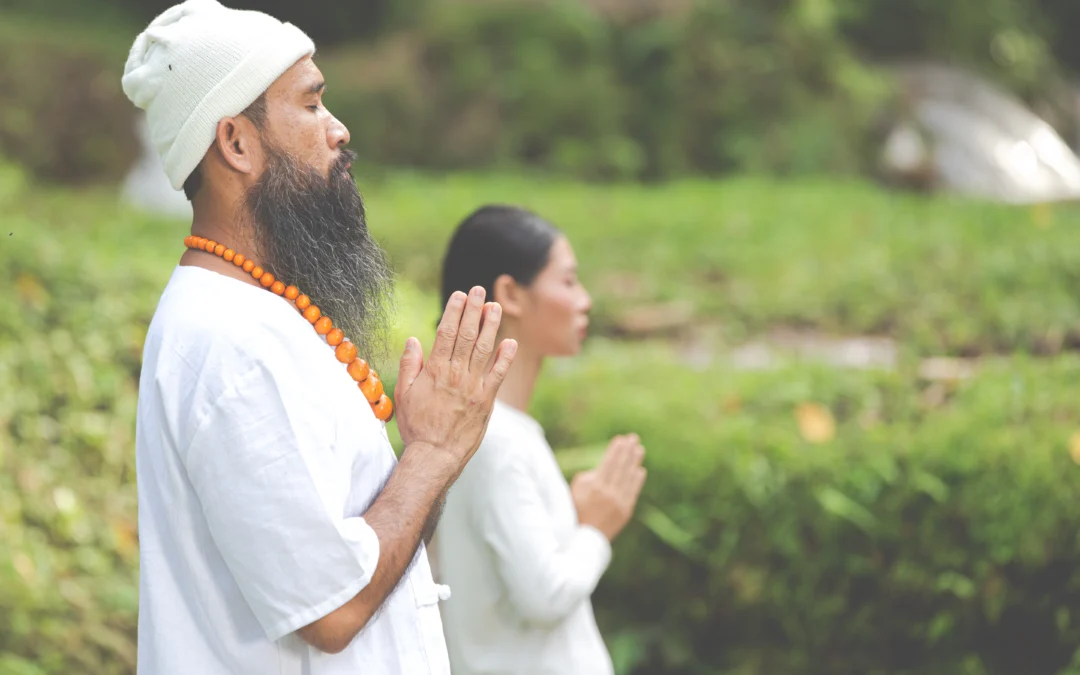
Most people imagine silence as peaceful from the first minute. The truth is more interesting, and more human.
This guide walks you through what actually happens during mouna sadhana, day by day. You will also learn how to begin at home.
We teach silence as part of our retreats at Nepal Yoga Home in Kathmandu. Here is what we see, and what many silent retreat writers report.
The Short Version
- Mouna sadhana is the yogic practice of silence, usually silence of speech.
- The first days often feel noisy inside, not quiet.
- Calm tends to arrive slowly, and feelings may surface first.
- You can start with just one hour at home.
What Is Mouna Sadhana?
“Mouna” means silence in Sanskrit, and “sadhana” means spiritual practice. A formal vow of silence is called mouna vrata. Mouna can mean not speaking, but it can also mean watching your inner speech and reactions.
The Himalayan Institute makes a helpful point. Complete silence belongs to the state of samadhi, so before that, we practise silence rather than possess it. That is why mouna sadhana is a practice you can begin imperfectly.
What Actually Happens in Mouna Sadhana
Day 1: The Noise Gets Louder
You stop speaking, and your mind starts talking more. You plan, replay and judge. Many retreat writers describe a mind like a restless monkey. This is normal, and it does not mean you are failing.
Your job is simple: eat, walk and sit, and notice the chatter without feeding it. Our meditation guide can help you settle.
Day 2: Restlessness and Surprise
You may feel bored, irritated or oddly emotional. Small things, like someone coughing, can feel huge. You also start noticing things you usually miss, such as the taste of food or the sound of wind.
One psychologist quoted by WW says our minds can take a few days to settle. So be patient with the second day.
Day 3: The Mind Starts to Soften
Something shifts. The chatter does not vanish, but it loses some of its pull. You feel a thin space between you and your thoughts.
This is where mouna sadhana starts to feel like rest. Breath practice helps here, so try our guide to pranayama.
Day 4: Feelings Surface
Without distractions, old worries and emotions can rise. You might feel sadness, anger or deep gratitude, sometimes all in one afternoon. Retreat teachers expect this and guide people through it.
Stay kind to yourself. Feel it, name it gently and let it pass. Do not try to fix it.
Day 5: Quiet Clarity
By now, many people feel lighter and clearer. Decisions look simpler, and your senses feel sharper. The quiet is no longer empty. It is full of small details.
Still, results differ. Some people reach this by day three, and others never feel “special” at all. Both are fine.
After Silence: Coming Back to Words
Speaking again can feel strange. Go slowly, and choose your first words with care. Notice how often you speak without needing to. A short walk, a journal page and a simple meal help you land softly.
Myths vs Reality
| Myth | Reality |
| Silence means a blank mind | You watch thoughts without chasing them |
| It must feel peaceful at once | The first days are often restless |
| Only monks can do it | Anyone can start with an hour |
| You must do it perfectly | Practice matters more than perfection |
| It is only about not talking | It also includes inner quiet |
What Does the Research Say?
Research on silent retreats is growing, but still limited. One report on a 7-day Vipassana retreat found better mindfulness, mood regulation and attention four weeks later. Many retreat studies, though, lack control groups, so we cannot prove cause and effect.
Silence can also bring up strong emotions. So treat mouna sadhana as a contemplative practice, not a treatment.
How to Start Mouna Sadhana at Home
Begin small. Choose a level and build slowly:
| Level | Length | What to do |
| Beginner | 1 hour | No speaking, no phone, a short walk |
| Intermediate | Half a day | Add meditation and a silent meal |
| Deeper | One full day | Add mantra or breath practice, journal at the end |
Your First Silent Hour
- Tell your household what you plan to do.
- Silence your phone and put it out of sight.
- Sit for 10 minutes and follow your breath.
- Walk slowly, and notice sounds and sights.
- Close with a few lines in a journal.
For a gentle guided start, try our 3-hour online meditation or 10-hour online meditation and breathing training.
Mouna Sadhana at Nepal Yoga Home
Silence is part of daily life with us. Our sample 200-hour schedule ends the day with silence at 9 pm, and our 21-day programme listings mention mouna sadhana and deep silence. Our school sits about 5 km from the city, beside the Nagarjuna forest, and that quiet helps. Please ask us exactly how silence fits each programme.
You can choose a stay that fits your time:
- 3 nights, 4 days yoga retreat
- One-week guided meditation
- One-week breathing and meditation retreat
- One-week monastery yoga retreat
- 10-night monastery yoga retreat
- 14-day meditation and yoga retreat
- 14-day stress management retreat
- 21-day yoga and meditation retreat
- 3-week transformative guided meditation
- One-month meditation retreat
You can also deepen the practice with mantra chanting and yoga nidra.
Practise Mouna Sadhana Safely
- Start short, and lengthen the practice slowly.
- If you have a history of trauma, depression or anxiety, speak with a qualified professional first.
- Stop and speak up if you feel unsafe or overwhelmed.
- Antar mouna and silent practice are contemplative, and they do not replace mental health care.
Start Your Silence With Us
You do not have to decide everything today. Meet our yoga teachers, read what guests say on our testimonials page and check our services and facilities. Browse our FAQ, contact us with questions and book your stay when you are ready to practise mouna sadhana.
Frequently Asked Questions
Can I read or write during mouna?
It depends on the style of practice you choose. Many people keep a short journal, and some prefer no reading at all.
Can I practise while living with family?
Yes, share your plan and agree on a short time. Even one quiet hour can feel meaningful.
What if I must speak in an emergency?
Speak at once, and then return to your practice. A vow should never put anyone at risk.
Do I need meditation experience?
No, silence itself is a good teacher. Start small, and add meditation as it feels natural.
Is silence the same as being alone?
No, you can be quiet in a room full of people. Many retreats practise silence together, which many people find supportive.