
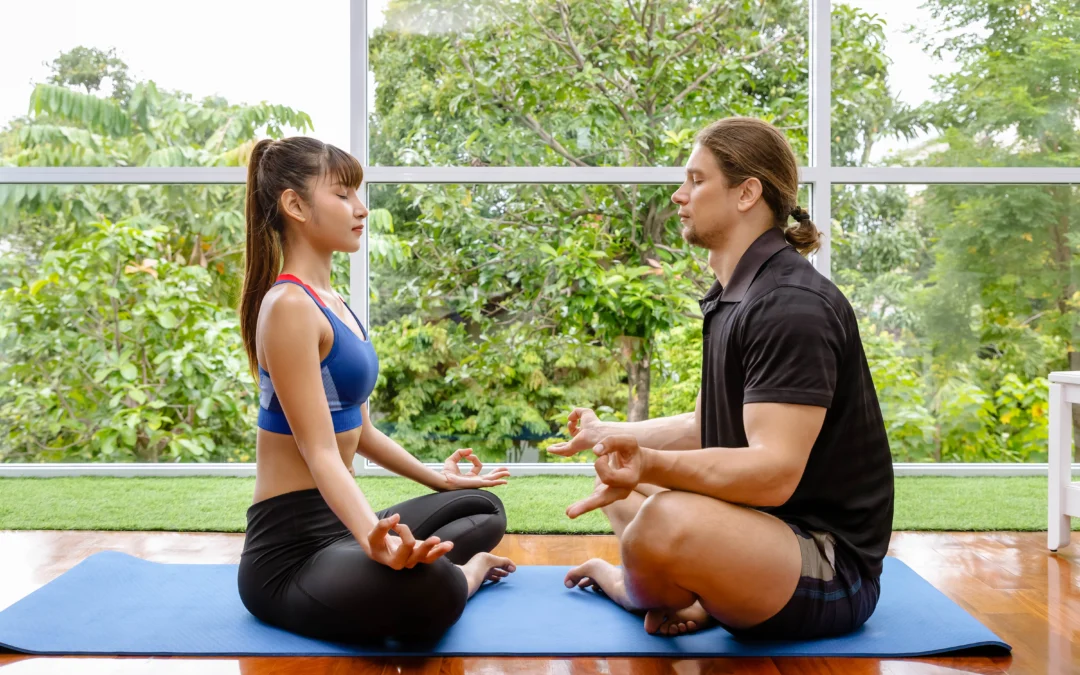
You have learned the poses, the breathing and the philosophy. Now someone points to a room full of students and says, “Go ahead and teach.”
That moment is the teaching practicum, and it is where a student becomes a teacher. Many people feel nervous about it, yet it often becomes the most rewarding part of the course.
In this guide, we explain what a teaching practicum in yoga teacher training involves, how many hours you need and how to prepare. We teach it every month at Nepal Yoga Home.
What Is a Teaching Practicum in Yoga Teacher Training?
A teaching practicum is the supervised, hands-on part of your course. You plan a class, lead real students through it and receive feedback from your teachers.
Think of it as a bridge. Lectures give you knowledge, and the teaching practicum shows you how to use it. Without that bridge, even a strong practitioner can freeze in front of a group.
Yoga Alliance is the largest registry for yoga teachers. Its 200-hour standards set aside 10 hours for practicum, because teaching is a skill you learn by doing.
7 Things to Know About Teaching Practicum in Yoga Teacher Training
1. It Is Hands-On, Not Theory
You teach instead of only listening. You stand, speak, demonstrate and guide real people through poses.
2. Ten Hours Is the Usual Benchmark
Yoga Alliance’s 200-hour standards include 10 practicum hours. At Nepal Yoga Home, every trainee completes at least 10 hours of supervised teaching practice. That means you never leave with theory alone. Our 200-hour yoga teacher training runs for 21 days, and teaching practice sits inside the daily schedule.
3. You Observe, Assist, Then Lead
Most programmes build in stages:
| Stage | What you do | What you learn |
| Observe | Watch teachers and classmates | How a class flows |
| Assist | Support a class with simple help | How to read bodies and the room |
| Lead a segment | Teach a short part, like a warm-up | Clear cues and pacing |
| Lead a full class | Plan and teach a whole session | Structure and confidence |
4. Feedback Is the Heart of It
After each class, you hear what worked and what to adjust. Feedback comes from your teachers, and often from classmates too. Write it down and use it in your next session. That loop of teach, listen and improve is where growth happens.
5. You Practise Real Teaching Skills
- Cueing: Giving short, clear instructions
- Sequencing: Ordering poses in a safe, logical flow
- Voice and pace: Speaking calmly and steadily
- Demonstration: Showing a pose without losing sight of your students
- Time management: Fitting warm-up, main practice and rest into one class
- Safety: Offering options for different bodies
6. It Builds Confidence Fast
Nerves are normal. The first few minutes feel loud in your head, and then you settle. By your last class, you speak with more ease and trust your own voice.
7. It Is About Growth, Not Perfection
Nobody expects a flawless class. Teachers look for care, clarity and a willingness to learn. A wobbly moment is part of the process, so treat each class as practice.
Practicum vs Teaching Methodology
These two terms often confuse new students. Teaching methodology is the study of how teaching works, including communication, teaching styles and group dynamics. The practicum is where you apply those ideas with real people. You need both, and each one makes the other stronger.
Our Teaching Practicum at Nepal Yoga Home
Teaching practice is one of nine subjects in our syllabus, alongside asana, pranayama, meditation, philosophy and anatomy. Our teachers supervise the class, so you always have guidance in the room.
Here is what you can expect:
- At least 10 hours of supervised practice for teaching practicum in yoga teacher training
- A 21-day course that starts on the 1st of every month
- Teaching practice built into the daily schedule, next to Hatha textbook study and detox sessions
- Styles you have studied in class, mainly Hatha yoga and Ashtanga Vinyasa
- Guidance from experienced yoga teachers, led by Dr. Prakash Acharya
You finish with a Yoga Alliance certified certificate. To hear from past trainees, visit our testimonials and YTTC students pages. You can also check our services and facilities to see where you will stay while you train.
Why the Teaching Practicum Matters
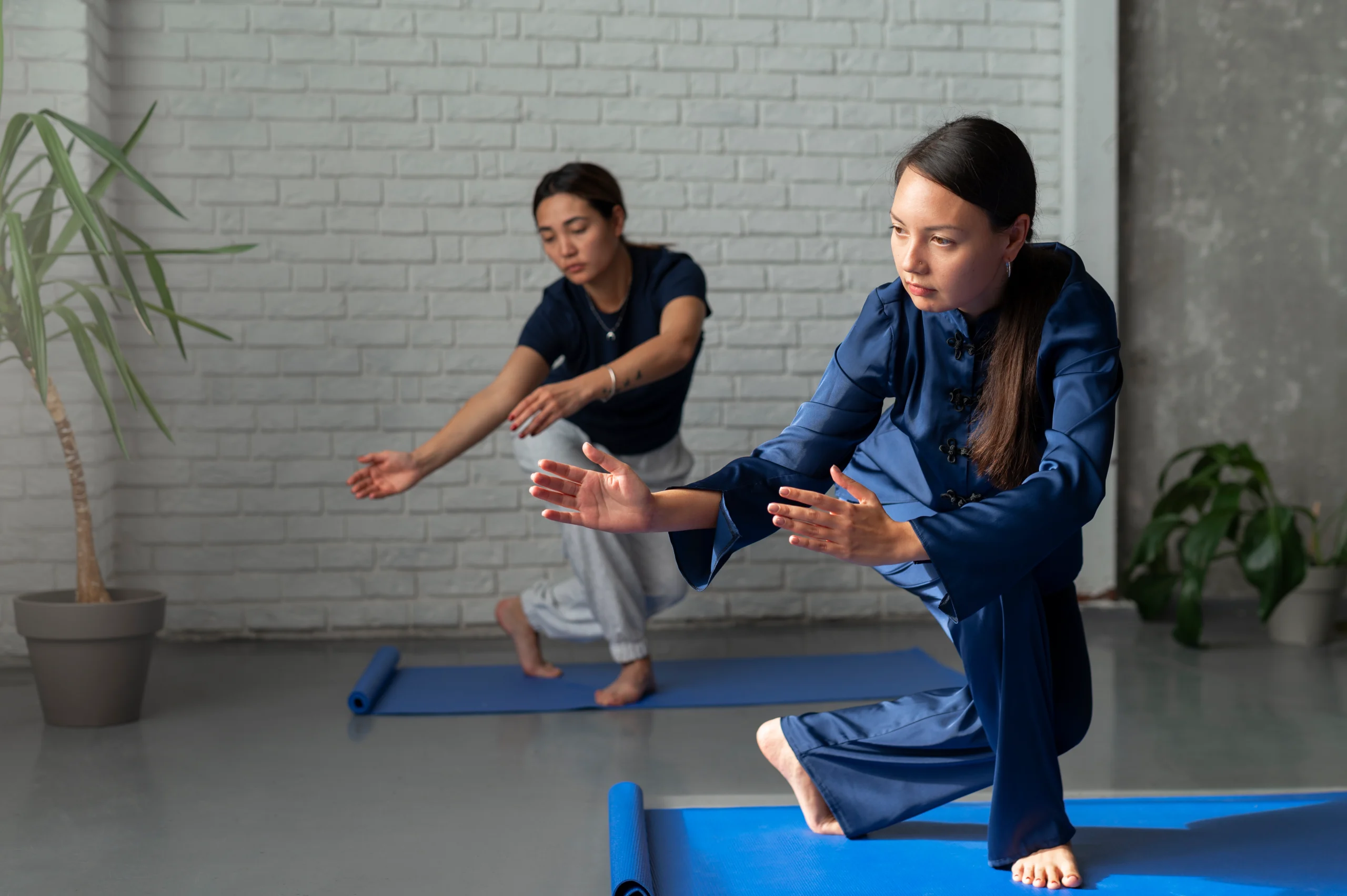
- Safety: Practice helps you spot risky alignment before a student gets hurt in teaching practicum in yoga teacher training
- Clarity: You learn to explain a pose in a few simple words instead of a long speech.
- Confidence: Standing in front of a group becomes familiar, not scary.
- Readiness: Studios and retreat centres want teachers who can lead a class, not only demonstrate a pose.
6 Tips to Prepare for Your Teaching Practicum in Yoga Teacher Training
- Learn pose names and the basic order of a class before you arrive.
- Practise teaching out loud to a friend or a mirror.
- Write a short class plan before each session.
- Use plain words. Short cues help students more than long explanations.
- Pause and breathe. The slow breathing you learn in pranayama classes calms nerves.
- Welcome feedback with curiosity, not defence.
5 Common Mistakes to Avoid for Teaching Practicum in Yoga Teacher Training
- Talking too fast: Slow down and let students settle into each pose.
- Packing in too many poses: A simple class taught well beats a crowded one.
- Reading your notes instead of watching students: Look up and notice how people move.
- Skipping options for beginners: Always offer an easier version.
- Comparing yourself with classmates: Every teacher finds a different voice.
Pick the Training That Fits You
| Training | Best for |
| 100-hour beginner yoga training | A short, gentle start to teaching |
| 200-hour yoga teacher training | Your first full certification |
| 300-hour advanced training | Deepening after your 200 hours |
| 500-hour advanced training | A complete multi-style path |
If you have a special interest, look at our children yoga teacher training, prenatal yoga training or yoga nidra training. Want a taste before you commit? Join a one-week yoga retreat class. Prefer to start from home? Our 200-hour online yoga training is another option.
Start Your Training With Us
Reading about a teaching practicum helps, but standing in front of a class teaches you more. Our team will guide you from your first cue to your last class. Browse our FAQ, contact us with any question, and book your training when you are ready.
Frequently Asked Questions
Is the practicum graded like an exam?
Most schools focus on feedback and growth instead of a strict pass or fail test. Ask any school how it assesses trainees, and feel free to ask us about ours.
What if I am shy about speaking in front of people?
Many trainees feel shy at first, and that is completely normal. Starting with short segments helps your voice settle before you lead a full class.
Can I complete a practicum online?
Yoga Alliance now allows online and hybrid trainings, so many online courses include live practice teaching. Check how a school delivers it before you enrol.
Do I have to plan to teach after the course?
No, some students join only to deepen their own practice. Teaching practice is still part of the syllabus, and it sharpens your understanding of every pose.
Can I keep practising teaching after I graduate?
Yes, you can begin with friends, family or a small community class. Regular teaching builds the confidence that your course started.