
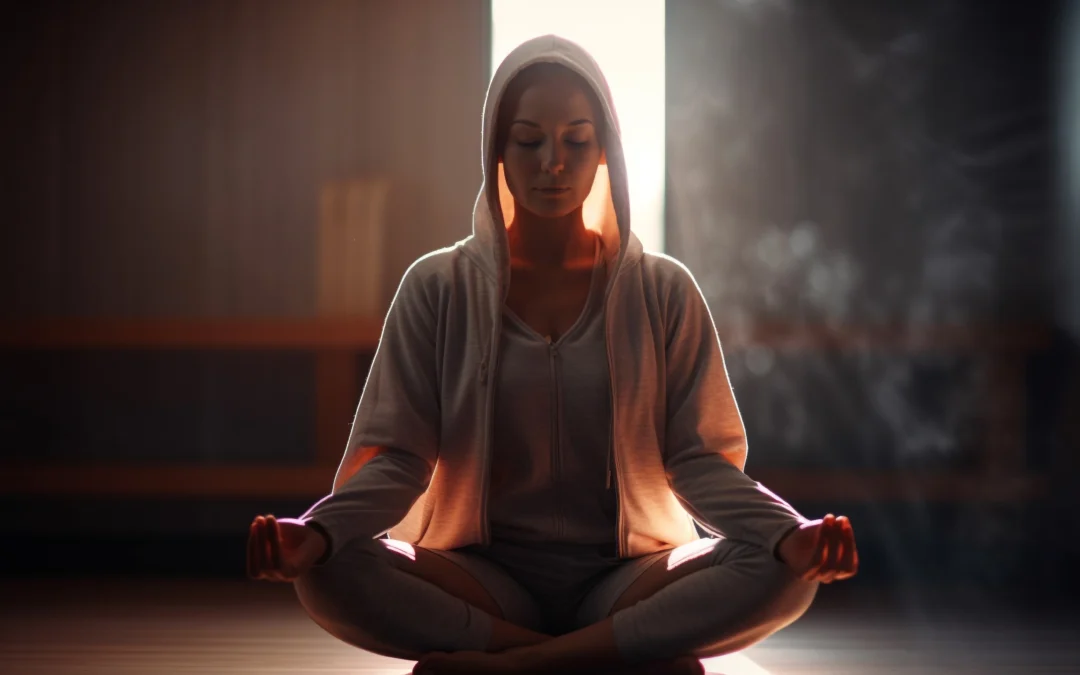
A silence meditation retreat in Nepal asks you to stop talking and start listening. For several days you drop small talk, screens and constant noise.
Most first-timers wonder what they will actually do all day. This guide walks you through seven things that happen, from your first evening to the last quiet morning.
You will also find a sample schedule, packing tips and a few safety notes. If you want a gentle start first, read our introduction to meditation.
What Is a Silence Meditation Retreat in Nepal?
On a silence meditation retreat, you practise meditation for most of the day and speak very little or not at all. You still follow a schedule, eat meals and rest, but you do it without conversation. The goal is simple: notice your breath, your body and your thoughts without reacting to every one of them.
Nepal suits this practice well. Quiet hills, old monasteries and a long meditation tradition make it easy to slow down. Our 10-night monastery yoga retreat shows how the setting supports deep rest.
7 Things That Happen During the Silence Meditation Retreat in Nepal
1. You Arrive and Settle In
Your silence meditation retreat in Nepal starts with a welcome and a short talk. The team explains the rules, the schedule and the rooms. You also share any health issues, medication or allergies, so they can look after you properly.
Spend the first evening unpacking and resting. You can see the grounds on our services and facilities page before you arrive.
2. The Silence Begins
At a set time, the talking stops. Many retreats also ask you to put your phone away and avoid reading or writing. This feels strange on day one, and many guests report that it gets easier by day three.
You can still ask for help. Teachers stay available for questions about practice, health or safety.
3. You Follow a Daily Schedule
Structure keeps the days steady. You wake early, meditate several times, rest between sessions and sleep early. The pattern removes decisions, so your mind can settle.
4. You Practise Sitting and Walking Meditation
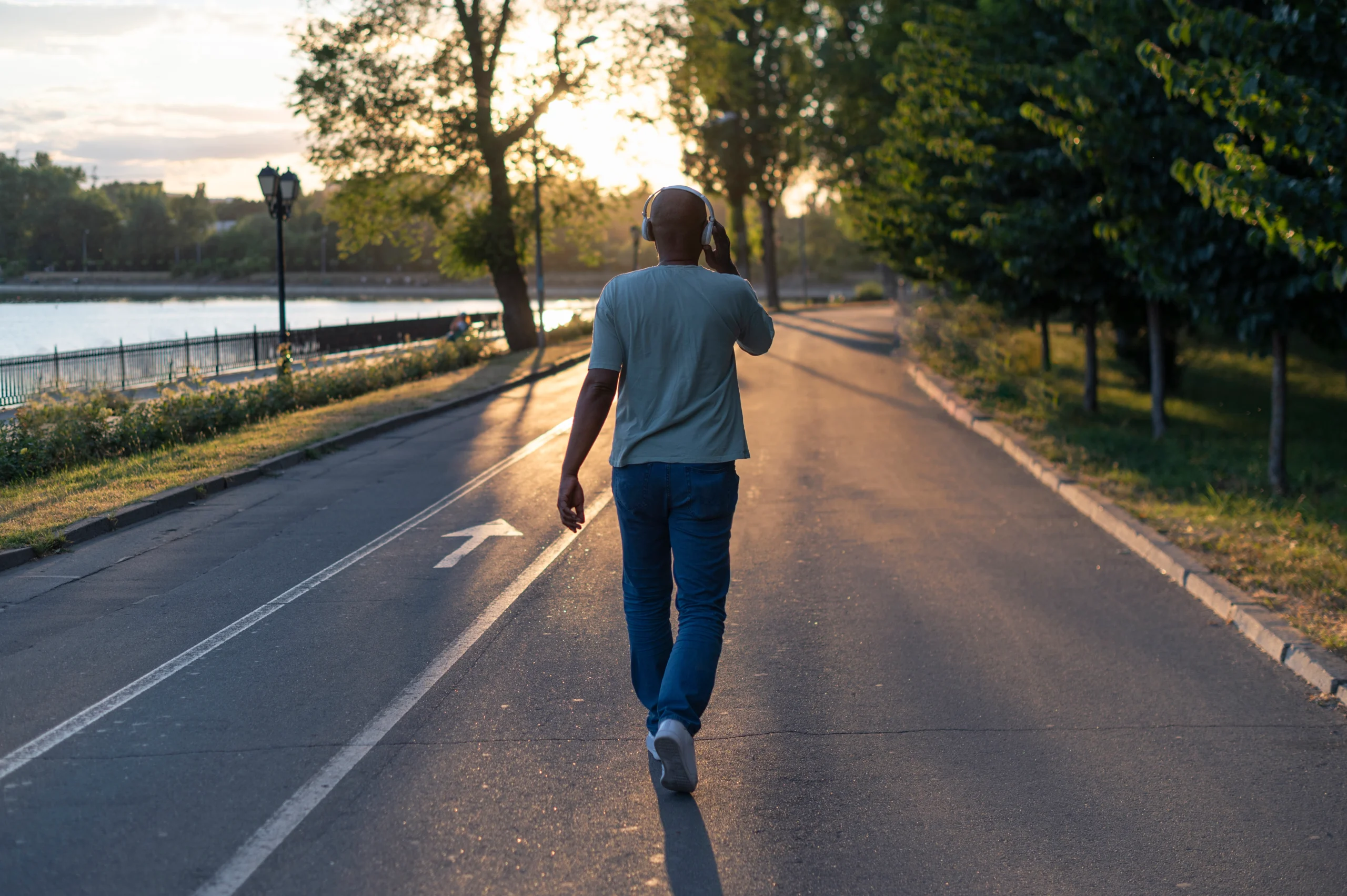
Sitting is the main practice. You keep your spine tall, close your eyes and follow your breath. When your mind wanders, you bring it back without scolding yourself.
Walking meditation breaks up long sits. You walk slowly and feel each step on the ground. Our 10-day meditation training teaches both methods step by step.
5. You Add Breathing and Gentle Yoga
Many retreats include gentle yoga and breathing exercises to prepare the body for sitting. Light stretching loosens stiff hips and backs, and slow breathing calms a busy mind. A one-week breathing and meditation retreat pairs both with daily practice.
You can also learn deep relaxation through Yoga Nidra, which many guests enjoy in the evening.
6. You Eat Simple Food Slowly
Meals are usually vegetarian, warm and plain. You eat without talking and pay attention to taste, texture and fullness. This changes how you eat more than most people expect.
Coffee, alcohol and heavy food stay off the menu. Tell the kitchen about allergies when you arrive.
7. You Face Hard Moments and Then Return to Speech
Silence brings up restlessness, boredom, sadness and sometimes joy. Most people feel at least one hard day, usually between days two and four. Teachers suggest simple ways to work with it, such as returning to your breath or taking a slow walk.
On the final day, the silence ends gently. You share your experience with the group and plan how to keep your practice going at home.
A Sample Day
| Time | Activity |
| 5:30 am | Wake up |
| 6:00 am | Sitting meditation |
| 7:00 am | Gentle yoga and breathing |
| 8:00 am | Breakfast in silence |
| 9:30 am | Guided meditation |
| 11:00 am | Walking meditation |
| 12:30 pm | Lunch |
| 2:00 pm | Rest |
| 3:30 pm | Sitting meditation |
| 5:30 pm | Light dinner |
| 7:00 pm | Evening meditation or Yoga Nidra |
| 9:00 pm | Sleep |
Times differ between programs, so treat this as a general guide.
Choose a Retreat Length
A silence meditation retreat in Nepal can last from a few days to a month. Pick the length that matches your experience.
| Length | Best for | Option |
| 1 week | First-timers | 1-week guided meditation |
| 10 days | A deeper first retreat | 10 days meditation holiday |
| 14 days | Building a habit | 14-day meditation and yoga retreat |
| 3 weeks | Long, steady practice | 21-day yoga meditation retreat |
| 1 month | Full immersion | 1-month meditation retreat |
If stress is your main reason for coming, our 14-day stress management retreat may fit better. Short on time? Try a 3-hour online meditation session before you commit.
How to Prepare
A little preparation makes the first days easier. Before your silence meditation retreat in Nepal, do the following:
- Practise sitting quietly for 10 minutes a day.
- Cut back on caffeine and late-night screen time.
- Tell family and work that you will be offline.
- Pack loose, comfortable clothes and a warm layer.
- Bring a water bottle, any prescribed medicine and a small notebook for after the retreat.
- Ask the school which rules apply, such as phone use and talking.
Who Should Be Careful
A silence meditation retreat in Nepal suits most healthy adults, but not everyone. Speak to your doctor first if you have a mental health condition, a recent loss, a chronic illness or you are pregnant. Tell the team about your history, because long periods of silence can stir up strong feelings. Never stop prescribed medicine on your own.
Final Thoughts
A silence meditation retreat in Nepal gives you rest, simple food and plenty of space to hear your own thoughts. Start with a shorter stay, talk openly with the team and give yourself a few days to settle.
Meet our teachers, see the grounds in our gallery and read what past guests say on our testimonials page. When you feel ready, contact us with questions or book your stay.
Frequently Asked Questions
Do I have to be silent the whole time?
Rules differ from one retreat to another. Check the program details and ask the team before you book.
Can beginners join a silence meditation retreat in Nepal?
Yes, many beginners join and do well. Choose a shorter program and follow the teachers’ guidance.
What if I find it too hard?
Talk to a teacher, who can adjust your practice or suggest a rest. Hard days are common and they usually pass.
Will I have free time?
Yes, you get rest breaks and quiet time between sessions. Most guests spend them walking, resting or sitting by the window.
What should I bring?
Bring loose clothes, a warm layer and any prescribed medicine. You can read more answers on our FAQ page.