by Tirtha Acharya | Oct 5, 2026 | Meditation
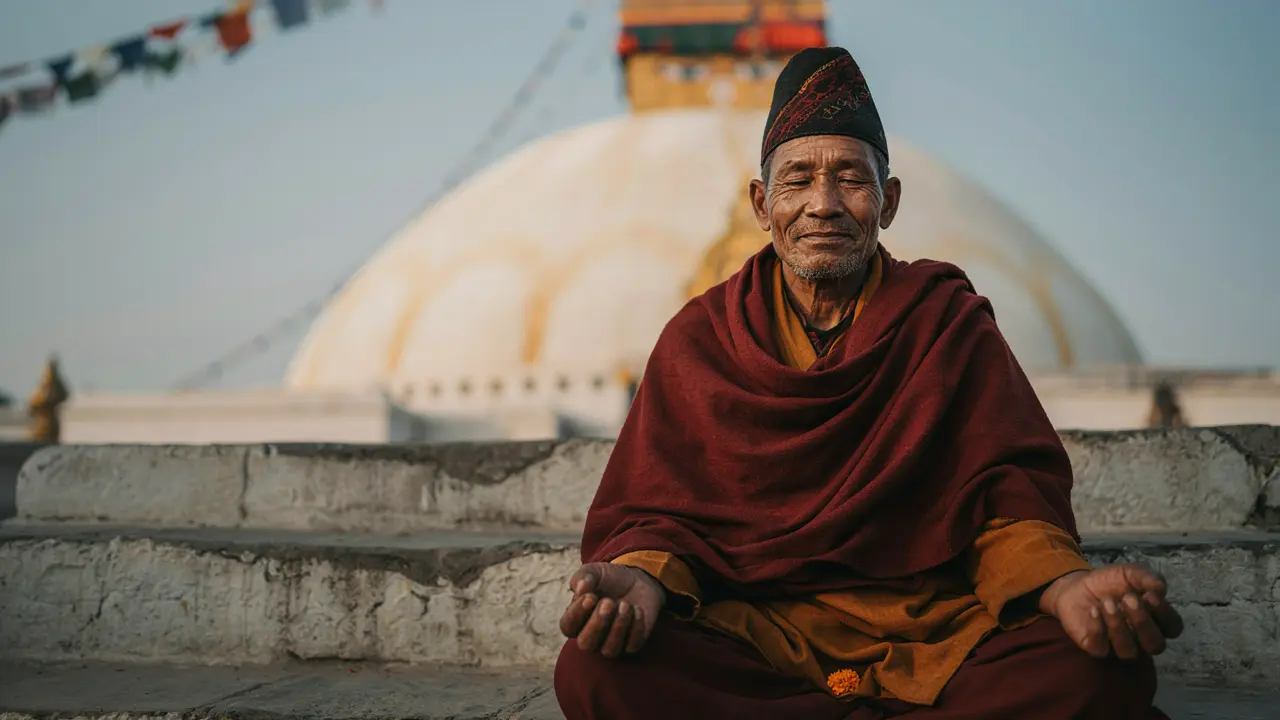
Meditation is the technique to train the mind, like the way that fitness is all about to train the body. Nowadays it is practiced all over the globe to make a sense of peaceful and internal harmony. In fact, meditation is less about belief and more about varying awareness, finding consciousness, and attaining the peace. Also, it includes a simple approach to helping to achieve better health and peaceful life.
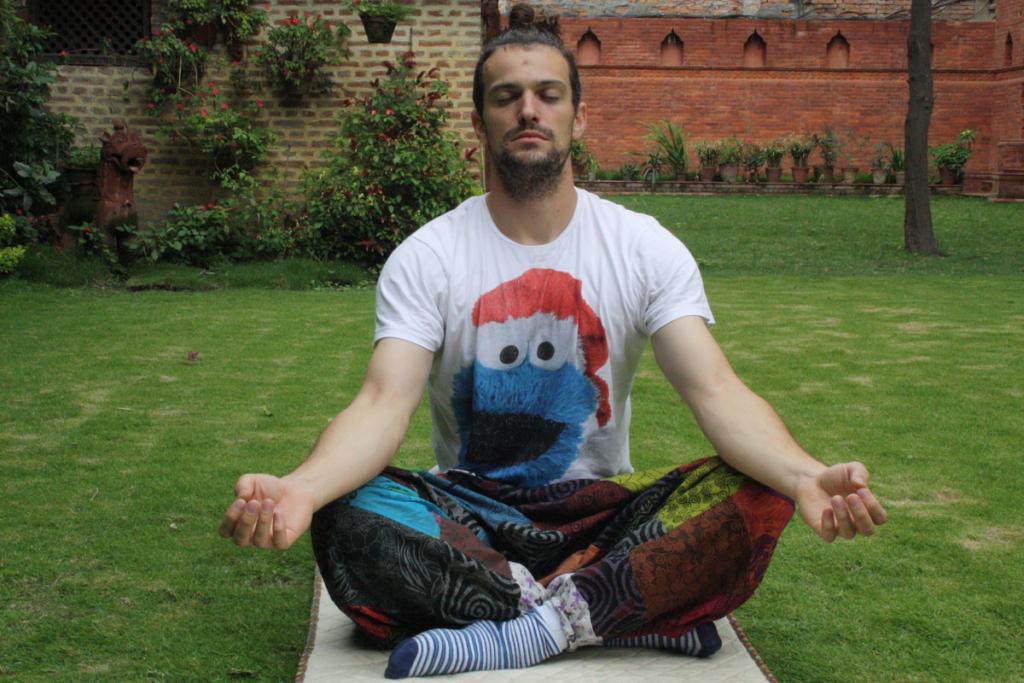
Due to hectic schedule in today’s modern life, most of the people get stressed. Well, stress and fatigue make us discontented, annoyed and frustrated. It can even bring a negative impact on our health and life. We are mostly very busy and feel there is no time for meditation. But meditation truly offers you more time as a mediator making your mind fresh and more focused.
Types of Meditation
| 1. Concentration |
2. Mindfulness |
3. Focused |
| 4. Open monitoring |
5. Effortless Presence |
6. Vipassana |
| 7. Loving Kindness |
8. Mantra |
9. Transcendental |
| 10. Yoga |
11. Sound |
12. Breathing |
| 13. Emptiness |
14. Guided meditation |
15. Heart Rhythm |
| 16. Kundalini |
17. Guided Visualization |
18. Qi Gong |
| 19. Zazen |
20. Spiritual |
21. Movement |
| 22. Chanting |
23. Compassion |
24. Body scan or progressive relaxation |
| 25. Breath awareness |
26. Kundalini yoga |
27. Zen |
| 28. Primordial Sound |
29. Shiva |
30. Raja Yoga |
| 31. Dynamic |
32. kriya Yoga |
32. Soul |
Benefits
Meditation comes up with lots of benefits for both physical and mental health. Well, Meditation can also assist to comprehend our own mind. We can find out the effective way to convert our mind from negative to positive, from anxious to calm, from sad to joyful.
Check Out The Benefits of Mediation
- More feelings of comfort
- More happiness, Less stress
- Deeper relaxation
- Lower blood pressure
- better blood circulation
- Lower heart rate
- Less perspiration
- Slower respiratory rate
- Less anxiety
How To Start Meditation For Beginners?
Meditation gives time to relax and delicate understanding in a hectic world where our mind is mostly dulled. In fact, different types of meditation types and techniques are there which helps to get the most out of it.
How Can You Learn To Meditate?
Well, it may be really difficult for beginners to sit in one place for a long time and think of doing nothing or enclose an “empty mind.” Understanding your desire for help, we organize some handy classes that help you during this procedure when you start out. Generally, the simplest way to start meditation is by concentrating on the breath.
This meditation practice is an outstanding beginning to meditation techniques
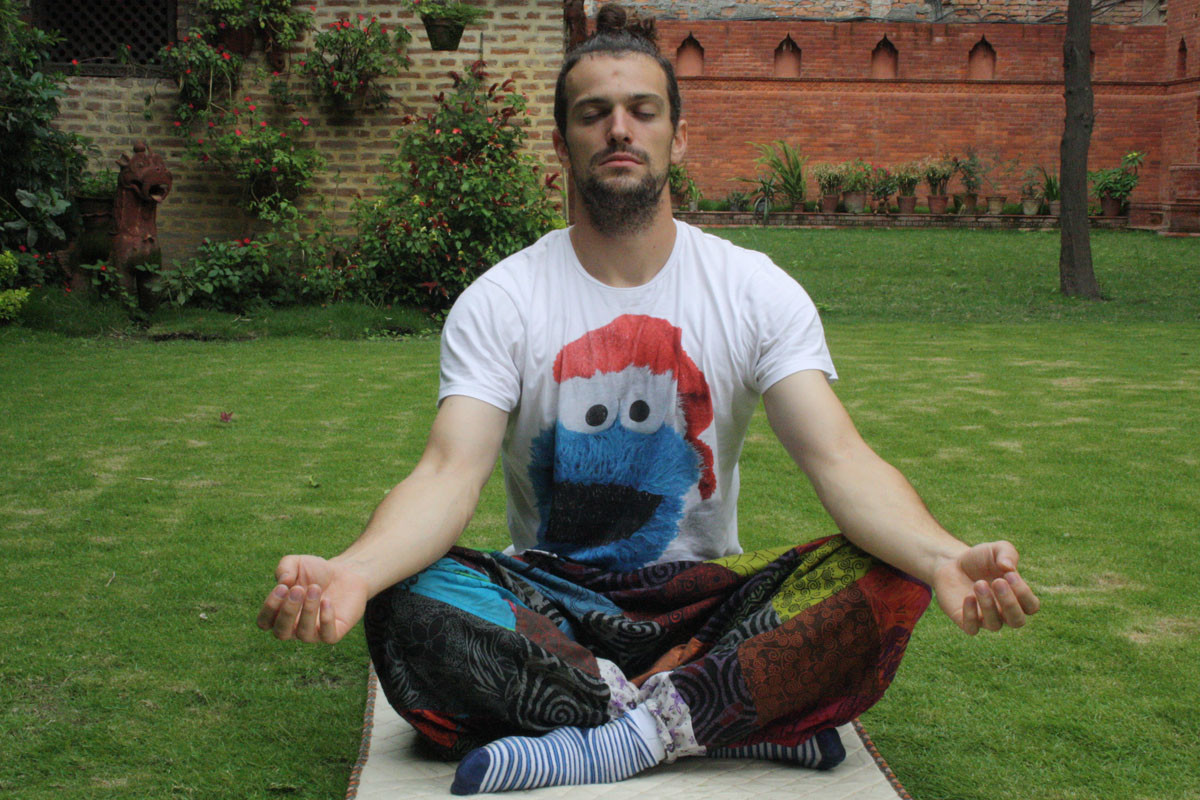
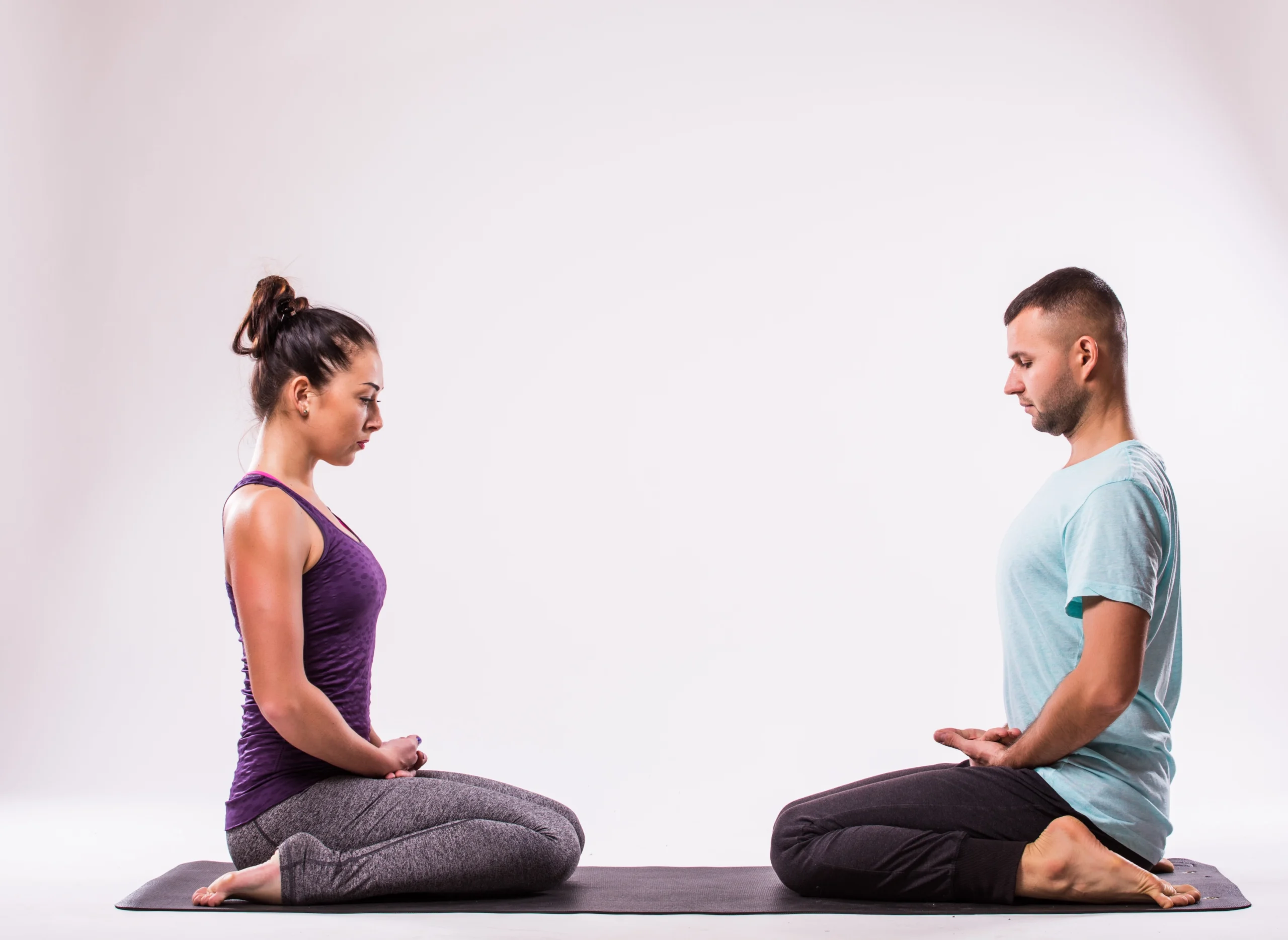
- Sit or simply lie down with comfort. You can also use a chair or cushion.
- Close your eyes.
- Do not make an effort to control the breath just start breathing naturally.
- Pay more attention to the breath and on the way, the body moves with every inhale and exhales.
- Observe the pressure of your body when you breathe. Notice your chest, shoulders, rib cage, and abdomen. Just pay attention to your breathing but do not control its pace or concentration. If your mind ambles, return your concentration back to your breath.
Concentration Vs Meditation
Concentration and meditation counts on the two mental states of sense and most of the people often get confused with one another. In reality, both of them are different.
Concentration is the most frequent techniques to prepare for meditation. It offers a focused action or movement to a particular goal. It involves a mental picture, willpower, and recurring performance. In fact, concentration depends upon the strength of controlling mind. And mostly involves an extended focus and awareness of the mind.
Alternatively, meditation also involves a mental state. It is frequently the converse of concentration. It is not a distracted mind but an uncluttered mind. Not like concentration, there is fewer or no brain action while carrying out this function.
In fact, meditation does not need any control, willpower, or way. The thoughtful mind comes up with more liberty and less boundary. The key aim of meditation is to achieve self-realization, extended responsiveness, and not direct or any preferred consequence.
Join meditation retreat in Nepal with Nepal Yoga Home, we reckon for the best meditation center in Kathmandu.
If you are interested for short retreat check this out- 5 Days Meditation program in Nepal

by Nepal Yoga Home | Oct 3, 2026 | Meditation
You finish your course feeling calm and clear, then real life pulls you back into the rush. Many students ask how to maintain meditation practice at home once the bells, the silence and the group are gone.
You do not need hours of free time or special tools. You need a short routine that fits your real day.
This guide gives you 8 habits, a 10-minute routine and a 30-day plan to maintain meditation practice at home. If you want a stronger base first, our 100-hour breath work and meditation training can help.
A Simple Way to Maintain Practice at Home
To maintain meditation practice at home, keep it short, fixed and simple:
- Sit at the same time every day.
- Start with 10 minutes.
- Use one technique for 30 days.
- Shorten the session on hard days instead of skipping it.
Why Practice Fades After Training
At the course, a timetable and your classmates kept you on track. Home has none of that. Most people stop for these reasons:
- No fixed time
- High hopes that fade when progress feels slow
- Busy days and no one to check in
- No teacher to answer questions
Missing a few days is normal. You can restart at any time.
8 Habits to Maintain Meditation Practice at Home
1. Start Small and Fix a Time
To maintain meditation practice at home, begin with just 10 minutes. Sit before you check your phone, while the house is still quiet. Add 2 to 5 minutes each week, and pick a time you can keep rather than the “perfect” one.
2. Create a Simple Corner

Set up one spot with a cushion or chair, a blanket and soft light. When you sit there every day, your mind learns the cue and settles faster. You do not need anything fancy.
3. Stick to One Technique
Choose breath awareness, mantra or a body scan, and keep it for 30 days. Switching methods every week breaks the habit before it forms. Our introduction to meditation page explains each method.
4. Link It to an Existing Habit
Attach your sitting time to something you already do, like brushing your teeth or finishing morning tea. Spend two minutes on pranayama first to settle your breath. The old habit then reminds you to start.
5. Keep a Short Journal
Write three lines after each session: the time, how it felt and one thing you noticed. Keep the notebook beside your cushion so you never skip this step. After two weeks, read it back and you will see progress you missed.
6. Use Sound and Chanting
Chant a short mantra before you sit. You can learn more about mantra chanting on our site. You can also strike a singing bowl to mark the start, and our singing bowl meditation training shows you how.
7. Plan for Hard Days
Three quiet minutes still count. Use these quick fixes:
| Problem |
Quick fix |
| Restless mind |
Count ten breaths, then start again |
| Sleepiness |
Sit upright and keep your eyes slightly open |
| Boredom |
Watch the boredom itself for a few breaths |
| Travel |
Sit on the edge of the bed for five minutes |
| Sick day |
Lie down for a yoga nidra style rest |
8. Stay Connected
People who maintain meditation practice at home for years rarely do it alone. Join our 10-hour online meditation and breathing course or the 7-hour online meditation course. Find a friend who also sits daily, and write to our teachers when questions come up.
A Simple 10-Minute Routine
This routine helps you maintain meditation practice at home on busy mornings.
| Minutes |
Step |
| 1 |
Sit down and settle your body |
| 2 |
Breathe deeply and slowly |
| 5 |
Practice your main technique |
| 1 |
Rest in silence |
| 1 |
Write your journal note |
Your First 30 Days
This plan eases you in, so you can maintain meditation practice at home without burning out.
| Week |
Time |
Focus |
| 1 |
10 minutes |
Show up every day |
| 2 |
12 minutes |
Keep the same time and place |
| 3 |
15 minutes |
Stay with one technique |
| 4 |
15 to 20 minutes |
Add one longer weekend session |
Mistakes That Make It Hard to Maintain Meditation Practice at Home
- Copying a full retreat day
- Chasing a “perfect” session
- Judging yourself for having thoughts
- Quitting after a gap instead of restarting
- Comparing yourself with others
If meditation brings strong anxiety or sadness, pause and talk to a teacher or a health professional.
Conclusion
You can maintain meditation practice at home with small, steady steps. Pick one time, one corner and one technique, and keep going on the hard days.
When you want a reset, join a one-month meditation retreat. Read how other students kept going on our testimonials page, check the FAQ, or contact us to plan your next course.
Frequently Asked Questions
How long should I meditate each day after training?
Start with 10 to 15 minutes and add a few minutes each week. Steady daily practice helps more than one long session.
What if I miss a few days?
Sit down again with a short session and drop the guilt. Even three minutes of quiet breathing restarts the habit.
Is morning or evening better?
Mornings suit most people because the house is quiet and the mind is fresh. Choose any time you can keep, and avoid sitting right after a heavy meal.
Why does it feel harder at home than during the course?
At the course, you had a schedule, a group and silence. At home you build those yourself, so a fixed time and corner help a lot.
Can I meditate in a noisy home?
Yes, you can use the sounds around you as your point of focus instead of fighting them. You can also pick a quieter hour of the day.
Can online classes help me keep up my practice?
They give you guidance and a reason to show up. A short class once a week works well for many students, and our 3-hour online meditation retreat is an easy place to start.
When should I return for a retreat or advanced course?
Come back when your routine feels stuck or you want deeper study. Our 10-day meditation training and 200-hour pranayama and meditation training are good next steps.
by Nepal Yoga Home | Sep 23, 2026 | Meditation
You’ve booked your seat and now the nerves are creeping in. What do you pack, what happens on day one, and how do you get your head ready for two or three weeks of silence?
A meditation retreat in Nepal isn’t a spa weekend. It’s a real change of pace and knowing what’s coming ahead of time makes the adjustment much smoother.
This guide covers packing, daily life on retreat and a few habits worth building before you land in Kathmandu. None of this is generic travel advice, it’s based on how retreat centers in Nepal actually run.
By the time you finish reading, you’ll know what belongs in your bag and what to work on in your head before your meditation retreat in Nepal starts.
Why a Meditation Retreat in Nepal Feels Different?
Nepal hasn’t adopted meditation as a trend. People here have practiced it for generations, and that shows in how retreats are run. Kathmandu Valley is full of monasteries, stupas and temples that locals actually use, not just tourist stops.
A few things set retreats here apart from ones back home:
- Rooms tend to be basic, and that’s on purpose, fewer comforts mean fewer distractions
- Power cuts happen now and then, especially outside the busier travel months
- Kathmandu’s air can get dusty before monsoon season, so keep a light scarf handy for city days
- You’re a short walk from a real Buddhist or Hindu meditation lineage, not a version imported for tourists
Nepal Yoga Home offers a few different retreat lengths, including:
If flying out isn’t an option right now, the three-hour online meditation retreat is a decent way to test the waters first.
What to Pack for Your Meditation Retreat in Nepal

Pack light. Almost everyone brings too much on their first meditation retreat and wishes they hadn’t by day three.
Clothing
- Loose, breathable layers. Mornings are cool and afternoons heat up fast
- A shawl or light blanket for the meditation hall, since indoor temperatures shift a lot
- Shoes you can slip on and off easily, since you’ll be entering and leaving the hall often
Meditation gear
- Only bring your own cushion if you already have one you swear by. Most centers have seating covered
- A notebook, in case you want to write down what comes up during the day
Health and practical items
- Basic toiletries (these aren’t always provided)
- Any regular medication, kept in the original bottles
- A universal plug adapter
- A small amount of cash in Nepali rupees for extras
Documents
- A copy of your passport
- Travel insurance information
- Visa confirmation. Most nationalities can get one on arrival, but double check the current rules before flying out
Leave at home: Extra gadgets, your work laptop and anything else that’s just going to pull your focus away from the retreat.
What to Expect Once You Arrive
Here’s roughly how a day unfolds on a meditation retreat in Nepal:
| Time |
Activity |
| 5:30 to 6:00 AM |
Wake up, light stretching |
| 6:00 to 7:30 AM |
Morning meditation sitting |
| 8:00 AM |
Breakfast (vegetarian) |
| 9:30 to 11:30 AM |
Pranayama and philosophy session |
| 1:00 PM |
Lunch |
| 3:00 to 5:00 PM |
Walking meditation or yoga |
| 6:30 PM |
Light dinner |
| 7:30 to 8:30 PM |
Evening sitting |
A few things worth knowing before you show up:
- Rooms are usually shared, and meals stay simple and vegetarian
- Some stretches of the day are kept quiet, occasionally silent altogether, so ask your center about their policy beforehand
- Feeling bored, restless or a bit emotional in the first couple of days is normal. It doesn’t mean you’re doing it wrong
- If you’d like some time to explore the city between sessions, the holiday yoga-meditation retreat is built with that in mind
How to Mentally Prepare Before You Land
Packing the bag is the simple part. Getting your mind ready matters more.
- Start a small daily practice now: Even ten quiet minutes a day for a couple of weeks beforehand makes the first sittings on retreat much less of a shock.
- Ease off caffeine and screens gradually: Cutting it all out on day one of the retreat is a rough way to start.
- Let people know you’ll be offline: Set an away message, give one emergency contact number to family, and actually put the phone down once you arrive.
- Skip the expectations: Go in curious instead of chasing a specific result. Most people say what they got out of it was different from what they expected, and usually better.
- Speak with your teacher first: If you’re dealing with an injury, illness or a hard history with meditation. A good center will work around that.
Want a sense of how past students prepared and what caught them off guard? The testimonials page has real stories worth reading before you commit.
Choosing the Right Retreat for You
Not every meditation retreat in Nepal will suit you the same way.
A few questions worth asking before you book:
- How many hours of silence are built into the day, and is it optional?
- What’s the accommodation like, shared or private?
- Is the teaching guided, rooted in Buddhist practice, or a blend of yoga and meditation?
- What’s actually included in the price, meals, airport pickup, study materials?
Take a look at the services and facilities page or read through the full meditation retreat program to see what’s covered.
You can also check the teacher profiles to know who’s actually leading your sessions.
Coming Home: Don’t Skip This Part
The retreat doesn’t really end the moment you leave the hall. Keep your first day back easy. No packed schedule, no rushing into work mode.
Even five minutes of sitting each day helps carry what you built on retreat into ordinary life instead of losing it in the first busy week.
Conclusion
Getting ready for a meditation retreat in Nepal comes down to three things really: pack light, understand the daily rhythm, and settle your mind before you worry too much about your bag.
Nepal brings its own character to the whole thing, the altitude, the temples, the quiet of the valley, but good preparation looks pretty much the same wherever you go.
Ready to book? The full list of retreat options is a good place to start, or check the FAQ page for anything this guide left out.
FAQs
Do I need meditation experience before joining a retreat in Nepal?
Not at all. Most retreats, including the ones at Nepal Yoga Home, welcome complete beginners alongside experienced practitioners. Your teacher adjusts the pace to wherever you’re starting from.
What’s a good length for a first meditation retreat in Nepal?
A one week retreat is a solid starting point before you commit to something longer. It gives you enough time to settle into the rhythm without overcommitting on your first attempt.
Will I have phone access during the retreat?
That depends on the program’s silence policy. Some retreats allow limited phone use in the evenings, others ask you to hand devices in for the whole stay, so it’s worth checking with your center directly.
Is Kathmandu safe for someone attending alone?
Yes, and most centers arrange airport pickup so you’re not navigating the city solo right after landing. Solo travelers actually make up a good share of people on retreats in Nepal.
by Nepal Yoga Home | Sep 19, 2026 | Meditation
Meditation Retreat in Nepal: 7-Step Complete Guide to Finding Peace, Focus & Inner Awareness
When it’s 11 pm, you’re lying in bed, and your brain is replaying a meeting from Tuesday, an email you forgot to send and something awkward you said in 2019.
Does this sound familiar to you? Most of us just call it being busy. A weekend away doesn’t touch it and scrolling makes it worse. That’s roughly why people end up searching for a meditation retreat in Nepal.
The idea is simple. You leave your phone habits behind, sit in a quiet place, and let trained teachers walk you through breathing, posture and silence, one day at a time. No prior experience needed.
This guide is built around three things people usually want: peace, focus and inner awareness. Across seven steps, we’ll cover how to pick a retreat, what you’ll actually practise, what a day looks like, and how to keep going once you’re home.
Step 1: Work Out Which Style Suits You
Search for a meditation retreat in Kathmandu or Pokhara and you’ll find four main styles:
- Vipassana: Ten days of strict silence, usually donation-based. The classic pick for a silent meditation retreat in Nepal.
- Monastery courses: Tibetan Buddhist teachings, talks and long sitting sessions.
- Yoga and meditation: Breathwork, posture, chanting and sitting practice in one routine. Nepal Yoga Home sits here.
- Wellness and sound healing: Singing bowls, Ayurveda and gentler sessions.
Step 2: Understand Why Nepal Works
Nepal is where the Buddha was born, and the Kathmandu Valley is full of working monasteries. Hindu and Buddhist traditions sit side by side, so you’ll hear chanting at dawn and see prayer flags everywhere.
Head out to the forested Nagarjun foothills and it gets properly quiet. That setting does a lot of the work for you, which is why a meditation retreat in Nepal feels nothing like a class back home.
Step 3: Choose Your Length
A 10 day meditation retreat in Nepal is a popular first choice, but you’ve got options:
Searching for a meditation retreat Nepal for beginners? Any row works, since the teaching starts with the basics.
Step 4: Practise for Peace, Focus and Inner Awareness
- Peace: Relaxation, slow pranayama and yoga nidra calm the body first. Slow the breath and the mind usually follows. Most people feel this in the first few days.
- Focus: A steady seat, hand mudras and mantra chanting give your attention something to hold. The mind still wanders. You just get quicker at noticing.
- Inner awareness: Once you’re settled, you watch your breath and thoughts without fighting them. Silent sitting and mindfulness belong here.
Step 5: What to Expect at a Meditation Retreat, Hour by Hour
Nepal Yoga Home’s rough daily flow looks like this:
- 7 am: yoga posture practice
- 8 am: breathing and meditation
- 9 am: breakfast, then free time
- 12 pm: relaxation and chanting
- 4 pm: self-practice or silent sitting
- 6 pm: philosophy and meditation
- 9 pm: silence
Timings shift with the teacher and the season.
Step 6: Plan the Season, Cost and Packing
- Season: The best time for a meditation retreat in Nepal is spring (March to May) or autumn (September to November). Monsoon is wetter, but indoor programmes keep running.
- Cost: The cost of a meditation retreat in Nepal depends on style, length and room type, so ask for inclusions in writing. Nepal Yoga Home’s course covers accommodation, three meals and herbal tea.
- Packing: Warm layers, loose clothes, a journal and any medication. Mornings get cold.
- Visa: Most travellers get one on arrival, but check current rules.
Step 7: Practise Safely and Take It Home
Don’t force your mind quiet. It backfires. Deep meditation isn’t right for everyone, especially with serious mental health conditions, and a retreat isn’t clinical treatment. If that’s you, talk to your doctor and the teachers first, or start with the gentler two-week stress management retreat.
Before you book, check:
- Who the teachers are and how long they’ve taught
- A written daily schedule
- What the fee covers
- Whether beginners are welcome
At home, keep it small. Ten to twenty minutes at the same time daily, or a 3-hour online meditation session for a bit of structure.
Conclusion
A meditation retreat in Nepal won’t fix your life in a week. What it gives you is a few reliable tools and enough quiet to try them. Peace comes first, focus follows, and awareness shows up when you stop chasing it. If you want a meditation retreat in Nepal that starts with the basics, Nepal Yoga Home is a good place to begin. Read what past students say on the testimonials page, then send your dates through the booking page.
Frequently Asked Questions
Do I need experience to join?
No, and most people arrive as complete beginners. Nepal Yoga Home’s course starts with basic breathing and sitting, then adds deeper techniques as the days pass. All you really need is some patience with yourself.
Is the retreat completely silent?
Only some are. Vipassana centres keep strict silence for ten days, while a yoga and meditation programme usually has guided classes with silent sitting built in. Check the daily schedule before you book so nothing surprises you.
How long should my first retreat be?
A week to ten days is plenty for a first go. It’s long enough to settle in without feeling trapped. If you love it, adding more time later is easy.
Is it safe if I have anxiety or trauma?
Many people find meditation calming, but deep practice doesn’t suit everyone. A retreat is no replacement for clinical care. Talk to your doctor and the teachers before you book.
What’s included in the fee?
At Nepal Yoga Home, you get accommodation, three meals a day and herbal tea, plus the daily classes. Room type changes the price. Always confirm inclusions in writing before you pay.
by Nepal Yoga Home | Sep 17, 2026 | Meditation
A lot of people put off booking a meditation trip to Nepal for years, usually because they assume they’ll embarrass themselves somehow. That’s mostly not how it goes. Meditation in Nepal for beginners starts with fifteen minutes of sitting, not an hour, and the room is rarely full of stern monks watching anyone’s knees.
What tends to actually go wrong isn’t the sitting part. It’s showing up nervous, not knowing which place to pick or having no idea what a real day even looks like once you get there.
We have written this simple and detailed blog to sort that out. By the end of this blog, you’ll know about the places to go, what happens once you sit down, what to pack and a bit of what nobody mentions beforehand.
Why Should You Consider Doing Meditation in Nepal for Beginners?
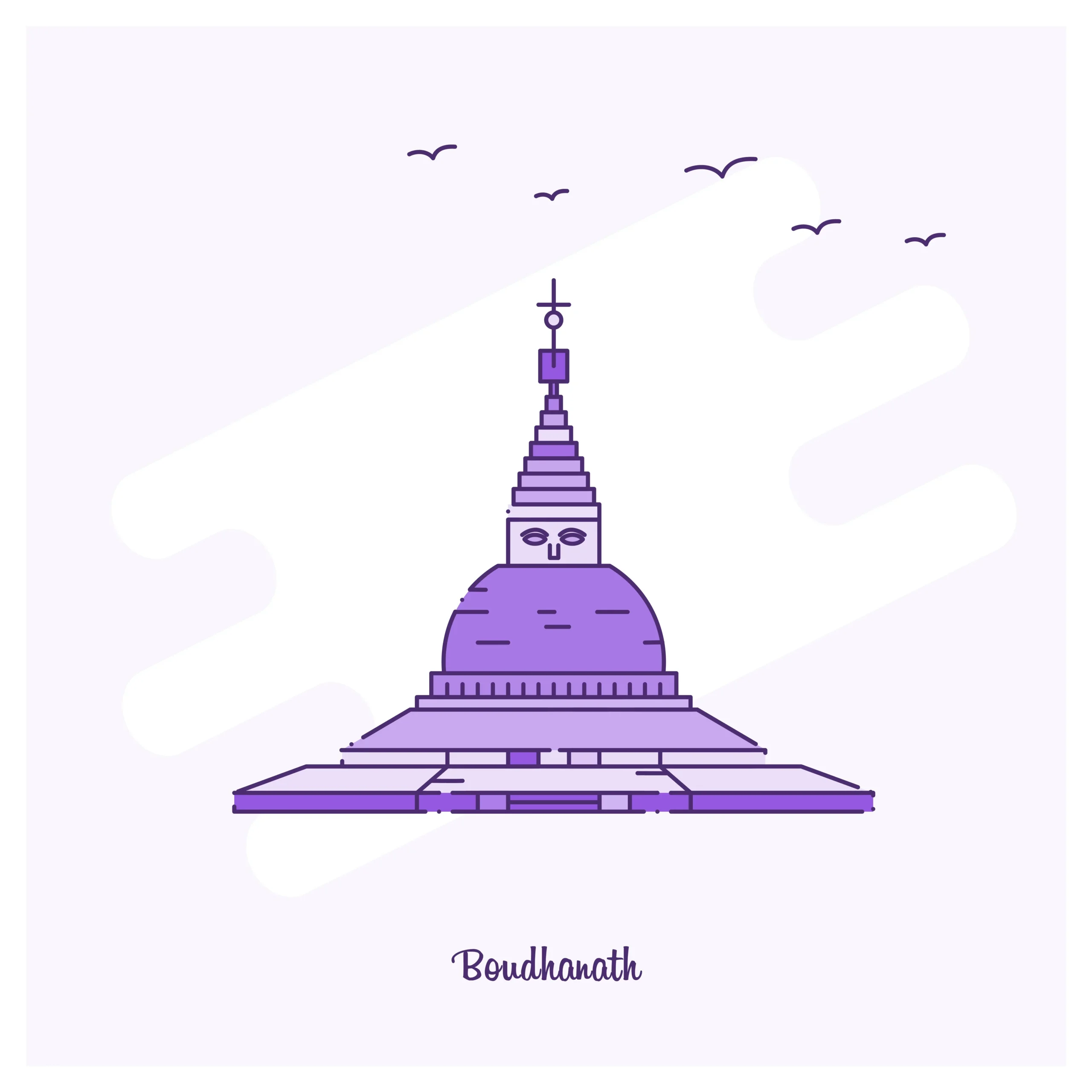
Nepal doesn’t really package meditation as a product the way some retreat brochures do. Monks have been chanting at Boudhanath long before Instagram existed, and Kathmandu’s temples run on their own schedule regardless of who’s watching.
That’s the thing that makes meditation in Nepal for beginners feel less staged than a studio session back home.
Travelers end up sitting in the same courtyards locals have used for generations. For them, it’s an ordinary Tuesday. For a first-timer, it might be the first time they’ve sat still on purpose in years.
Do You Need Any Background First?
People ask this constantly before booking anything and it’s an obvious question for a beginner. A few of the longer monastery courses are genuinely built for those who’ve already done months of practice elsewhere.
Most programs aren’t that, though. Courses aimed at meditation in Nepal for beginners, including the yoga and meditation retreats run around Kathmandu, start from nothing on purpose. Posture and breath come first and everything else waits.
7 Places Worth Knowing for Meditation in Nepal for Beginners
Some of these show up on every postcard rack in Thamel while others hardly get a mention outside old travel forum threads, yet beginners often end up liking them more.
We have listed seven such places that are worth knowing:
- Kopan Monastery: A few hundred monks live on this hillside above Boudhanath, and unlike a lot of monasteries, some of the courses here are actually meant for outsiders.
- Boudhanath Stupa: Every evening pilgrims walk laps around this thing clockwise, spinning prayer wheels the whole way. Nobody will be checking your IDs at the gate. Anyone can fall into that loop and start reciting along.
- Swayambhunath: Also known as the Monkey Temple offers you great views over the valley, but it fills up fast once the tour buses arrive. Go before sunrise and it’s mostly just quiet. However, sometimes you will notice actual monkeys causing minor chaos.
- Dharma Shringa Vipassana Meditation Center: This one’s serious with ten days, structured, tucked into the hills north of the city. Not really a first stop, more like where someone goes once they’ve already decided this isn’t just a curiosity.
- Namo Buddha Monastery: It is located a couple of hours outside Kathmandu. The distance is basically the whole appeal here, especially for anyone who found the city’s traffic and noise impossible to think through.
- Pashupatinath: This Hindu temple is located along the Bagmati. This one’s different from everything else on the list: cremations happen here, pilgrims come through constantly and it can feel intense rather than peaceful at first. Plenty of first-timers still say it’s the one they remember most.
- Retreat Centers Built Specifically for Beginners: Places like Nepal Yoga Home pair meditation with yoga on a schedule that assumes zero prior experience, which honestly makes them the easiest place to start out of everything on this list.
For anyone who can’t decide, a retreat center is usually the easiest starting point. Someone explains exactly what to do, so nobody’s left standing outside a monastery gate wondering if they’re allowed in.
What Actually Happens During a Day?
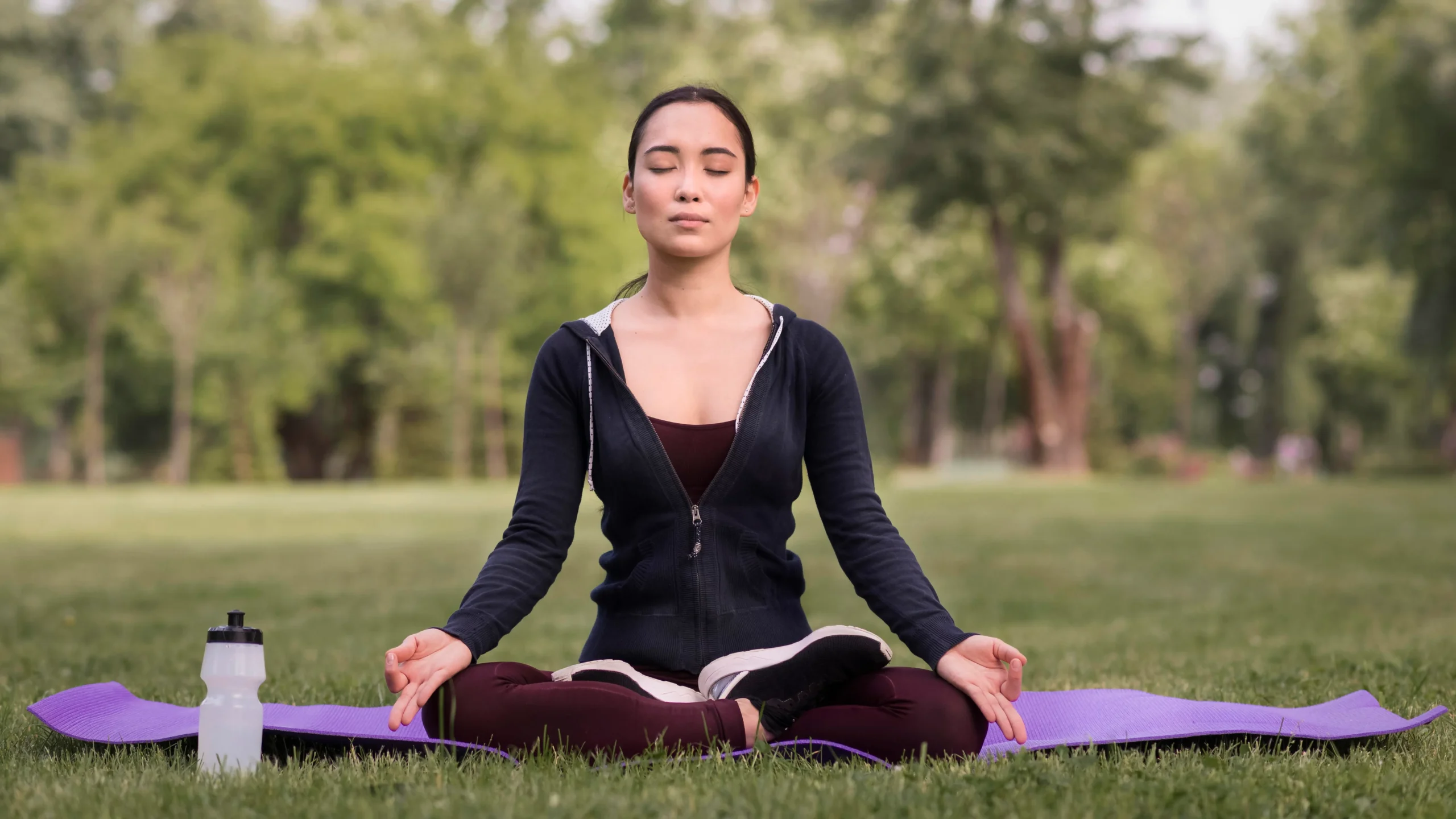
People picture something closer to punishment. It’s usually not, especially in programs designed around meditation in Nepal for beginners rather than seasoned monks.
A first day tends to run something like this:
- A short early sit, breath only, nothing too difficult
- A talk after, explaining why the mind wanders constantly during that first sit (it happens to everybody)
- Tea or a plain breakfast before the group comes back together
- An afternoon session, sometimes after therapeutic yoga loosens things up first
- A relaxed evening discussion to wrap the day
Nobody gets handed an hour of silence on day one. It builds slowly, a few extra minutes each sitting, until it stops feeling like an assignment.
Different Styles to Offer You Different Feeling
Not everything labeled “meditation” in Nepal is the same practice. As a beginner it’s worth knowing the differences before picking a place.
| Style |
Where You’ll Find It |
Works Well For |
| Vipassana |
Dharma Shringa Center |
Beginners who want a clear technique and real structure |
| Tibetan Buddhist mantra and visualization |
Kopan Monastery, Boudhanath |
Anyone curious about the philosophy, not just the sitting |
| Breath-based mindfulness |
Retreat centers pairing yoga with meditation |
People who’d rather ease in slow |
Some travelers try two or three of these on one trip, a monastery in the morning, a retreat center in the afternoon, just comparing what feels right.
Getting Ready Beforehand
Small preparation saves real discomfort once travelers land.
- Loose clothing that covers shoulders and knees, temples expect it
- A light shawl. Sitting halls run cold before sunrise even on warm days
- Restlessness the first couple sessions is normal, not a personal failure
- Add a rest day when pairing this with an Ayurveda retreat, because both take real energy out of a person
Thinking About Booking Something
Nepal Yoga Home runs beginner-paced meditation and yoga programs out of Kathmandu, and their testimonials page is full of people who started off exactly as unsure as any first-timer might feel.
Some stretch it into a longer yogic detoxification program for a fuller reset. Others just book a short stay through the booking page and decide from there.
Final Thoughts
Meditation in Nepal for beginners was never about showing up already good at it. It’s about sitting somewhere this practice has lived for centuries and letting a patient program handle the parts nobody’s learned yet.
A sunrise at Swayambhunath, a week at a Kathmandu retreat center, whatever gets someone through the door works. Start small. The rest tends to follow at its own pace.
Frequently Asked Questions
Do beginners need any yoga or meditation background before joining a beginner program?
No. Most people show up with zero. Programs designed for beginners, Nepal Yoga Home included, assume everyone is starting cold, so the early lessons are just posture and breathing before anything harder comes up.
How big are the groups in a beginner meditation session?
Depends on the place, but beginner-focused retreats usually keep numbers small on purpose. That way an instructor can actually see how someone is sitting and fix small things instead of talking at a full room.
Does a meditation retreat booking in Kathmandu usually cover airport pickup?
Often yes, several Nepal Yoga Home packages include it, though not every listing does. Worth confirming directly with whoever handles the booking so nobody’s standing around the arrivals hall figuring it out alone.
Can a short beginner meditation stay lead into something bigger, like a yoga teacher training?
Yes. Most people do this a lot, actually, using the short stay as a low-pressure test before committing to weeks of training. It’s a decent way to find out if the daily rhythm even suits someone before signing up for more.
by Nepal Yoga Home | Sep 8, 2026 | Meditation
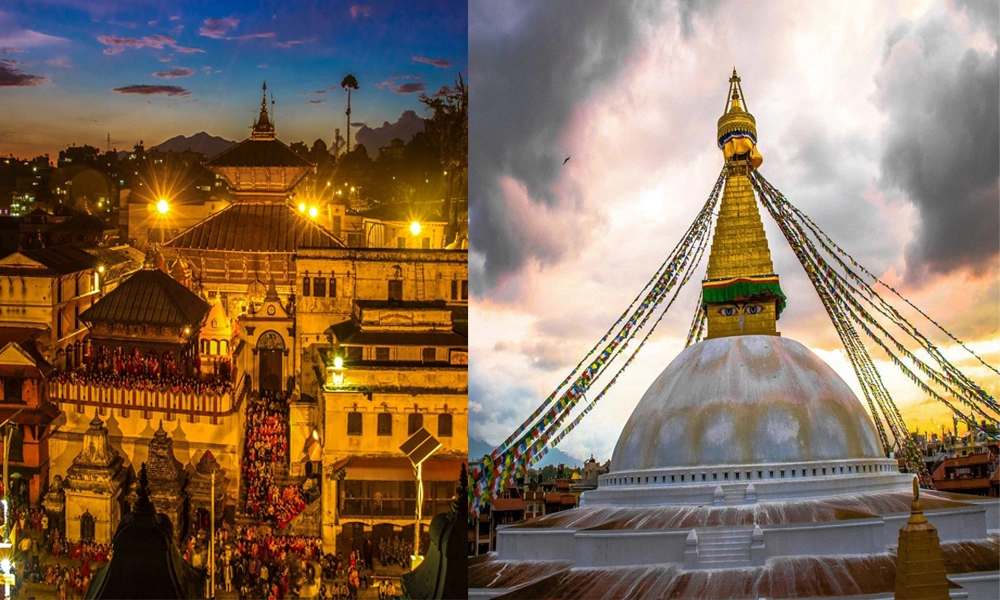
Why does almost every yoga retreat in Kathmandu send guests to the Pashupatinath temple at some point? That’s something a lot of people wonder. When you stand on the Bagmati riverbank one time, you stop asking.
A short drive away from Pashupatination temple you’ll get to see Boudhanath stupa. Between the two you’ve got the emotional center of the whole valley.
This blog shows what each site actually means, how not to be that tourist once you’re there and how we fit both into retreats at Nepal Yoga Home.
Pashupatinath Temple: Nepal’s Most Sacred Hindu Site
Pashupatinath temple is on the Bagmati River on Kathmandu’s eastern edge. It’s dedicated to Shiva in his form as Pashupati, protector of all living beings and it’s been the country’s most important Hindu pilgrimage site for longer than anyone can really pin down.
Parts of the complex go back over a thousand years. What’s actually standing now is only a few centuries old, since fires and earthquakes have both taken their toll more than once, and the whole place has been rebuilt piece by piece over generations.
Down by the water are the cremation ghats. Families carry out funeral rites right out in the open, no curtains, no privacy, nothing hidden from view. It’s a lot to take in the first time. When you’re there, you’ll experience how quiet everyone in the group is, nobody says much for the rest of that walk.
Non-Hindus can’t get into the main shrine. Everything around it though, the courtyards, the forested hill behind, all of that is open to anyone who wants to wander through. If you only do one thing here, make it the evening aarti. Bells, lamplight bouncing off the river and the smell of incense drifting everywhere.
Boudhanath Stupa: A Center of Tibetan Buddhist Practice
Short taxi ride from Pashupatinath temple and you’re at Boudhanath. The stupa rises above its own little neighborhood of shops and cafes, prayer flags strung between rooftops in every direction you look. Thousands of Tibetan refugees settled here after 1959 and the area has felt like a center of Buddhist life in exile ever since.
You notice it the moment you turn onto the main road. Something about the pace of things just slows down. More than fifty monasteries surround the stupa now, plus the cafes, thangka workshops, a shop or two pushing singing bowls on tourists who don’t know any better (some bowls are the real thing, plenty aren’t).
The painted eyes on the tower look out in all four directions at once. Ask a local and most will tell you it’s the Buddha keeping watch over everyone, everywhere, at the same time, which is a nice thought whether or not you buy into it literally.
Both sites, plus five others, make up the Kathmandu Valley’s UNESCO World Heritage listing. Worth knowing, mostly because it says something about how much sacred ground got packed into one small valley. The official listing has the full rundown if you want it straight from the source.
Visiting Etiquette: What to Know Before You Go?
A little prep goes further than most people assume.
Here are some things to know before going to Pashupatinath temple and Boudhanath stupa:
- Try to cover shoulders and knees.
- Shoes off before entering any shrine or monastery, that one is not negotiable.
- Don’t photograph cremation ceremonies at Pashupatinath temple, it just isn’t the moment for that.
- Walk clockwise around the Boudhanath stupa the way everyone else doing kora does.
- Try to keep your voice down near active prayer areas as sound carries further than people expect.
Foreign visitors need entry tickets at both spots. The Pashupati Area Development Trust sets the current rules for the temple grounds, worth a quick check since things shift now and then without much notice.
Mornings run calmer at Pashupatinath temple before the tour buses roll in. Late afternoon at Boudhanath, once the light turns gold and the butter lamps start getting lit, beats every other hour there, at least in my opinion.
How These Sites Fit Into a Yoga Retreat Schedule?
Most guests treat both sites as one relaxed half-day, not something squeezed between other stops on a bigger city tour. Nepal Yoga Home sits about five kilometers out, in the quiet slopes of Nagarjuna Hill, close enough that the Pashupatinath temple and Boudhanath stupa make for an easy morning trip.
We build the excursion into the schedule between practice sessions. That way people come back to a forested campus instead of a hotel stuck in downtown traffic.
A lot of guests on our one month yoga retreat or monastery yoga retreat tell us afterward it ended up being the part they remember most. After fifteen years of hearing that, it stopped surprising us a while ago.
Every once in a while, someone on our one month meditation retreat heads back to Pashupatinath temple a second time near the end of their stay. It hits completely differently once you’ve settled into a few weeks of daily practice, in a way that’s hard to explain until it happens to you personally.
Meditating at Boudhanath: A Living Practice
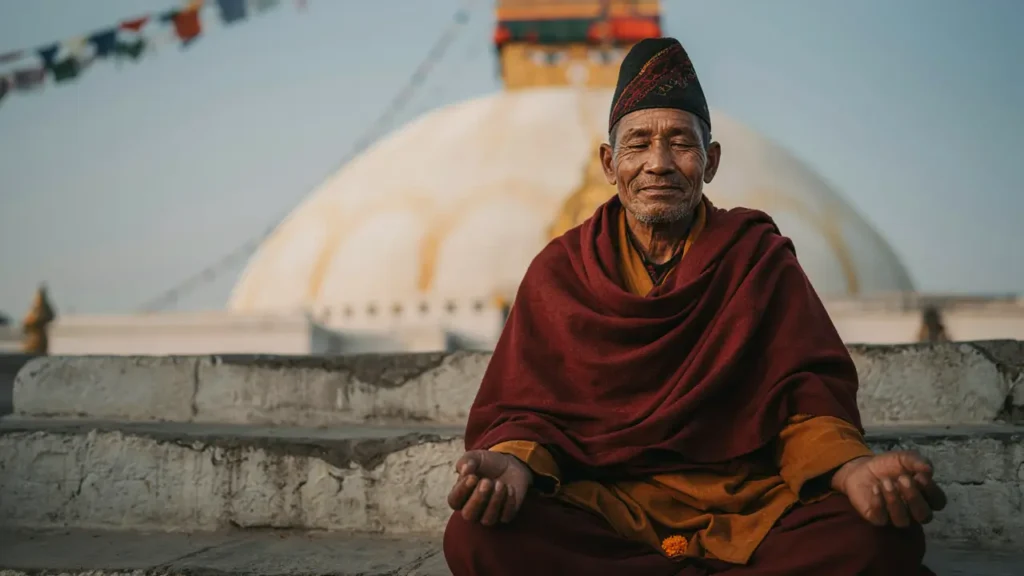
The kora, that circling walk around the Boudhanath stupa, is basically meditation while walking. Thousands of people do it daily without thinking twice about it, prayer wheels spinning, mala beads clicking through fingers, mantras murmured under people’s breath, sometimes for an hour, sometimes much longer than that.
Find a seat at one of the rooftop cafes overlooking the dome afterward. Just sit there a while with what you saw. Quite a few of our students describe it as an extension of the meditation training they’re already doing back at the school, just with a much better view attached.
If you’ve already got a breathing practice, bringing it here adds something a studio session simply can’t reach on its own. This is lived, ongoing devotion. Not something staged for a photo, whatever it might look like scrolling through someone’s feed later that night.
Plan a Retreat That Includes Sacred Site Visits
If reading this has you wanting to see the Pashupatinath temple and Boudhanath stupa yourself, a retreat takes most of the guesswork off your hands.
We’ve arranged trips like this for guests from more than eighty countries over the past fifteen-plus years, on top of daily yoga, home-cooked vegetarian meals, and a place that genuinely starts to feel like family the longer you stick around.
Take a look at our yoga retreats in Nepal or the 500-hour advanced yoga teacher training if sightseeing alone isn’t quite enough. Our gallery has real guest photos and the booking page is right there whenever you’re ready.
Still weighing it? Our FAQ page covers most of what people ask about schedules, food, and daily life on retreat. Anything it misses, just message us directly.
Frequently Asked Questions
Is the Pashupatinath temple open to non-Hindu visitors?
Only the main shrine is closed off. Everything else including the surrounding grounds, the riverside ghats, the forested hill, is open to anyone holding a valid ticket.
What should I wear?
Shoulders and knees covered at both the Pashupatinath temple and the Boudhanath stupa is preferred more by native peopl. We suggest you to wear shoes you can slip off easily since you’ll be doing it a lot on uneven stone.
Are temple visits included in Nepal Yoga Home’s retreats?
Depends on the package. Message our team directly and we’ll work a sacred sites excursion into your dates.
How much time should I set aside for both sites?
A half day, comfortably. Pashupatinath and Boudhanath sit close enough together within the Kathmandu Valley that you won’t lose half your trip getting between them.