Meditation in Nepal for Beginners: 7 Best Places and Experiences for Spiritual Travelers
A lot of people put off booking a meditation trip to Nepal for years, usually because they assume they’ll embarrass themselves somehow. That’s mostly not how it goes. Meditation in Nepal for beginners starts with fifteen minutes of sitting, not an hour, and the room is rarely full of stern monks watching anyone’s knees.
What tends to actually go wrong isn’t the sitting part. It’s showing up nervous, not knowing which place to pick or having no idea what a real day even looks like once you get there.
We have written this simple and detailed blog to sort that out. By the end of this blog, you’ll know about the places to go, what happens once you sit down, what to pack and a bit of what nobody mentions beforehand.
Why Should You Consider Doing Meditation in Nepal for Beginners?
Nepal doesn’t really package meditation as a product the way some retreat brochures do. Monks have been chanting at Boudhanath long before Instagram existed, and Kathmandu’s temples run on their own schedule regardless of who’s watching.
That’s the thing that makes meditation in Nepal for beginners feel less staged than a studio session back home.
Travelers end up sitting in the same courtyards locals have used for generations. For them, it’s an ordinary Tuesday. For a first-timer, it might be the first time they’ve sat still on purpose in years.
Do You Need Any Background First?
People ask this constantly before booking anything and it’s an obvious question for a beginner. A few of the longer monastery courses are genuinely built for those who’ve already done months of practice elsewhere.
Most programs aren’t that, though. Courses aimed at meditation in Nepal for beginners, including the yoga and meditation retreats run around Kathmandu, start from nothing on purpose. Posture and breath come first and everything else waits.
7 Places Worth Knowing for Meditation in Nepal for Beginners
Some of these show up on every postcard rack in Thamel while others hardly get a mention outside old travel forum threads, yet beginners often end up liking them more.
We have listed seven such places that are worth knowing:
- Kopan Monastery: A few hundred monks live on this hillside above Boudhanath, and unlike a lot of monasteries, some of the courses here are actually meant for outsiders.
- Boudhanath Stupa: Every evening pilgrims walk laps around this thing clockwise, spinning prayer wheels the whole way. Nobody will be checking your IDs at the gate. Anyone can fall into that loop and start reciting along.
- Swayambhunath: Also known as the Monkey Temple offers you great views over the valley, but it fills up fast once the tour buses arrive. Go before sunrise and it’s mostly just quiet. However, sometimes you will notice actual monkeys causing minor chaos.
- Dharma Shringa Vipassana Meditation Center: This one’s serious with ten days, structured, tucked into the hills north of the city. Not really a first stop, more like where someone goes once they’ve already decided this isn’t just a curiosity.
- Namo Buddha Monastery: It is located a couple of hours outside Kathmandu. The distance is basically the whole appeal here, especially for anyone who found the city’s traffic and noise impossible to think through.
- Pashupatinath: This Hindu temple is located along the Bagmati. This one’s different from everything else on the list: cremations happen here, pilgrims come through constantly and it can feel intense rather than peaceful at first. Plenty of first-timers still say it’s the one they remember most.
- Retreat Centers Built Specifically for Beginners: Places like Nepal Yoga Home pair meditation with yoga on a schedule that assumes zero prior experience, which honestly makes them the easiest place to start out of everything on this list.
For anyone who can’t decide, a retreat center is usually the easiest starting point. Someone explains exactly what to do, so nobody’s left standing outside a monastery gate wondering if they’re allowed in.
What Actually Happens During a Day?
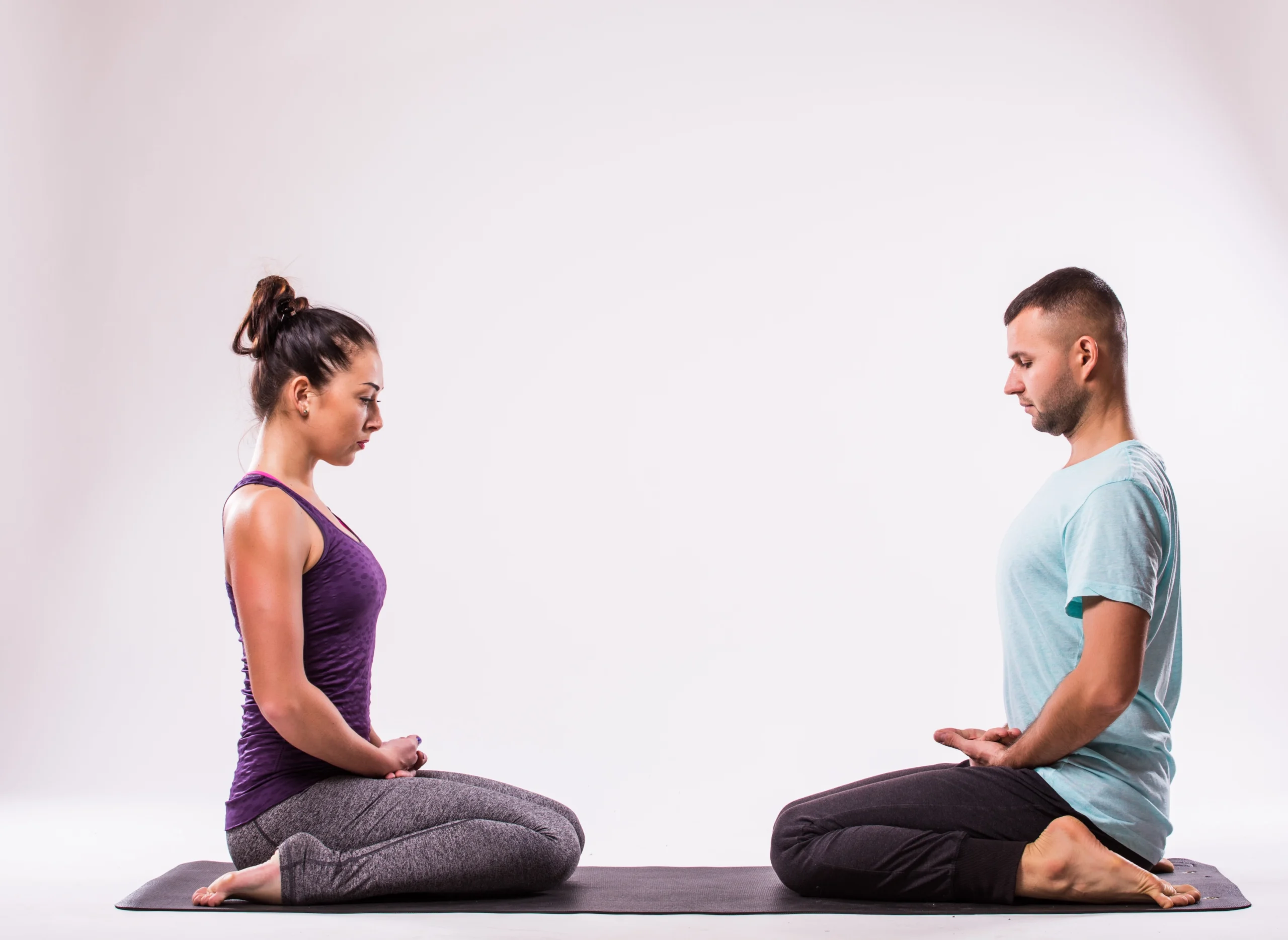
People picture something closer to punishment. It’s usually not, especially in programs designed around meditation in Nepal for beginners rather than seasoned monks.
A first day tends to run something like this:
- A short early sit, breath only, nothing too difficult
- A talk after, explaining why the mind wanders constantly during that first sit (it happens to everybody)
- Tea or a plain breakfast before the group comes back together
- An afternoon session, sometimes after therapeutic yoga loosens things up first
- A relaxed evening discussion to wrap the day
Nobody gets handed an hour of silence on day one. It builds slowly, a few extra minutes each sitting, until it stops feeling like an assignment.
Different Styles to Offer You Different Feeling
Not everything labeled “meditation” in Nepal is the same practice. As a beginner it’s worth knowing the differences before picking a place.
| Style | Where You’ll Find It | Works Well For |
| Vipassana | Dharma Shringa Center | Beginners who want a clear technique and real structure |
| Tibetan Buddhist mantra and visualization | Kopan Monastery, Boudhanath | Anyone curious about the philosophy, not just the sitting |
| Breath-based mindfulness | Retreat centers pairing yoga with meditation | People who’d rather ease in slow |
Some travelers try two or three of these on one trip, a monastery in the morning, a retreat center in the afternoon, just comparing what feels right.
Getting Ready Beforehand
Small preparation saves real discomfort once travelers land.
- Loose clothing that covers shoulders and knees, temples expect it
- A light shawl. Sitting halls run cold before sunrise even on warm days
- Restlessness the first couple sessions is normal, not a personal failure
- Add a rest day when pairing this with an Ayurveda retreat, because both take real energy out of a person
Thinking About Booking Something
Nepal Yoga Home runs beginner-paced meditation and yoga programs out of Kathmandu, and their testimonials page is full of people who started off exactly as unsure as any first-timer might feel.
Some stretch it into a longer yogic detoxification program for a fuller reset. Others just book a short stay through the booking page and decide from there.
Final Thoughts
Meditation in Nepal for beginners was never about showing up already good at it. It’s about sitting somewhere this practice has lived for centuries and letting a patient program handle the parts nobody’s learned yet.
A sunrise at Swayambhunath, a week at a Kathmandu retreat center, whatever gets someone through the door works. Start small. The rest tends to follow at its own pace.
Frequently Asked Questions
Do beginners need any yoga or meditation background before joining a beginner program?
No. Most people show up with zero. Programs designed for beginners, Nepal Yoga Home included, assume everyone is starting cold, so the early lessons are just posture and breathing before anything harder comes up.
How big are the groups in a beginner meditation session?
Depends on the place, but beginner-focused retreats usually keep numbers small on purpose. That way an instructor can actually see how someone is sitting and fix small things instead of talking at a full room.
Does a meditation retreat booking in Kathmandu usually cover airport pickup?
Often yes, several Nepal Yoga Home packages include it, though not every listing does. Worth confirming directly with whoever handles the booking so nobody’s standing around the arrivals hall figuring it out alone.
Can a short beginner meditation stay lead into something bigger, like a yoga teacher training?
Yes. Most people do this a lot, actually, using the short stay as a low-pressure test before committing to weeks of training. It’s a decent way to find out if the daily rhythm even suits someone before signing up for more.