by Nepal Yoga Home | Apr 30, 2026 | Yoga
Yoga is not just a matter of physical exercises, it is a perpetual discipline and awareness, a quest for finding balance. People move around different places in the world to get better practices and certifications, however among all these destinations yoga learning in Nepal becomes one of the most authentic experiences which subjective affordability accompanied by immense spirituality. Based on the long-standing traditions of the Himalayas, Nepal offers to provide an atmosphere for learning yoga where it does not isolate as an academic practice but integrates into life itself.
The Spiritual Roots of Yoga in Nepal
Nepal is a land where spirituality comes so easily, naturally flowing into daily existence. It lies between India and Tibet and has for thousands of years been considered a sacred center among yogis, monks, and all categories of spiritual seekers. The Himalayan region is long connected with meditation, ascetic life, and yogic practices.
Yoga learning in Nepal stays more attached to the original philosophies than what commercial yoga hubs deliver. Hatha Yoga, Raja Yoga, Karma Yoga, and Kundalini Yoga represent major components practiced here. Many teachings are provided under the influence of ancient texts, for example, the Yoga Sutras of Patanjali, Bhagavad Gita, and Hatha Yoga Pradipika.
Exploring the Himalayan Environment’s Influence on Learning
The most powerful setting of yoga practice in Nepal is its Himalayas. Mountains, rivers, forests, and clean air-all these come together at one place to create harmony and peace that naturally supports meditation and self-awareness. Practicing yoga in such a setting allows the practitioner to throw off common urban-based stress and noise as well as digital distractions of the modern world. The tranquility found within the Himalayas’ energy helps to focus on breathing and keeping mindful so that it is easier to go into the deeper dimensions of yoga.
Authentic and Knowledgeable Yoga Teachers
Real and smart Yoga Teachers, People who teach yoga in Nepal are known for their great knowledge and old-school training. Many teachers have learned for years using the guru–shishya way in ashrams and places of spirit. Yoga study in Nepal focuses on proper pose setup, breath watchfulness, control, and inside change.
Affordable and Easy-to-Access Yoga Teacher Training
Low cost is another major factor that drives a large number of international students. In comparison with Western countries and some other popular destinations for yoga, high-quality teacher training in Nepal comes at very pocket-friendly rates. Course fees are inexpensive plus general expenditure on food, accommodation, and transportation, among others. Several yoga schools offer an all-inclusive program that covers the cost of training, three meals per day, lodging, and study materials while making Nepal quite accessible to every financial strata of student.
Internationally Recognized Certification Programs
Yoga learning in Nepal, though conservative toward teaching styles, falls within the embrace of international professional standards. Many of the schools are registered with Yoga Alliance and offer 200-hour, 300-hour, and even 500-hour programs for Yoga Teacher Training. This certification enables graduates to teach yoga anywhere around the globe.
Strong Focus on Meditation and Mindfulness
Meditation. That is what yoga is about in Nepal. Because on Hindu and Buddhist teachings, schools here tend to throw in a lot of head games and inside looks. Students pick up several meditation tricks like breathing meditations, chanting mantras, and mindfulness exercises. This creates emotional control, focus, and self-awareness-the-real-needs-of-a-teacher-and-practitioner-of-yoga.
Cultural Immersion and Yogic Lifestyle
Study of Yoga in Nepal is not limited to sticks, it offers total cultural immersion. Learners get a taste of simple living and yogic lifestyle with sattvic vegetarian diet, early morning practice and daily discipline. Temple, monastery and sacred Himalayan site visits are often included in training. This immersion enables students to experience yoga in everyday life rather than just on the mat.
For more blogs visit on our Nepal Yoga Home blog section.
by Nepal Yoga Home | Dec 1, 2025 | Yoga
Benefits of Hot Yoga have become increasingly popular during recent years because it combines three essential elements which include physical workouts with meditation alongside a special environment experience. What are the hot yoga benefits that make people attracted to this form of exercise? Knowing the health advantages of hot yoga can assist beginners and experienced practitioners to determine whether this fitness yoga matches their needs.
What is Hot Yoga?
The essence of hot yoga consists of practicing yoga inside rooms heated to 95°F to 105°F (35°C to 40°C), with different levels of humidity. Bikram yoga stands as the best-renowned form of hot yoga because it involves a structured order of 26 postures alongside two breathing exercises. Also, Vinyasa and Hatha are suitable for practice in heated settings. The practice becomes more intense because of heating procedures and delivers valuable rewards to practitioners.
The Top Benefits of Hot Yoga
Enhanced Flexibility: Hot yoga helps in improving body flexibility. Stretching more deeply becomes possible because heat creates muscle relaxation which protects you from possible injuries. The increased temperature makes it simpler to perform challenging poses that normally be harder in non-heated spaces. Regular practice in hot conditions results in expanded motion capability along with higher flexibility between body parts.
Detoxification Through Sweat: During hot yoga sessions the high room temperature makes you sweat abundantly to remove toxins from your body. Typical sweating does not cleanse your system independently, yet it helps your body’s detox functions through the combination of open pores and better blood flow.
Improved Cardiovascular Health: One of the hot yoga benefits is it helps your heart health through elevated heart rate levels and better blood flow throughout your body. The combination of high temperatures and challenging movements delivers important tests to your cardiovascular system to strengthen it progressively. Your overall fitness level together with your endurance capacity improves through this practice.
Stress Relief and Mental Clarity: A combination of yoga meditation and hot temperatures creates a special ambiance which promotes mental relaxation. The process of focusing on breath alongside movements within a heated environment allows your mind to clear up. Hot yoga benefits serve many practitioners as an essential method to eliminate daily mental stress from their lives.
Increased Strength and Muscle Tone: Hot yoga benefits deliver an overall body workout that enables individuals to engage all their muscles. Maintaining postures under hot conditions requires additional work that strengthens your body and shapes your muscles. The warm temperatures in hot yoga affect blood circulation which allows better muscle recovery.
Weight Loss and Calorie Burn: Hot yoga benefits the body in burning more calories which makes it an effective in weight loss. Your body needs to put in greater effort during the heated workout to burn more calories. Hot yoga works as an effective weight loss tool when added to a proper balanced diet.
Better Balance and Coordination: Hot yoga instruction on alignment and posture development leads to better body balance and coordination skills through exercise. Exercising in heated spaces forces your body to maintain stability which improves your ability to understand your position in space.
Is Hot Yoga Right for You?
Hot yoga delivers numerous health benefits, but people should carefully evaluate if this workout matches their current fitness level and overall health targets. The practice of hot yoga delivers intense challenges that not all individuals can handle because of the temperature conditions. Make sure to consult with doctor about hot yoga before starting it if you have any medical conditions which include heart problems and low blood pressure together with heat sensitivity.
Before beginning hot yoga practice new participants must follow a gradual approach while paying attention to their bodily signals. Staying hydrated, taking appropriate rest time and avoiding excessive strain is very important if you are novice. Your body will develop heat tolerance through time resulting in complete hot yoga benefits.
Tips for Successful Hot Yoga Practice
Hydrate: Water consumption should be planned before beginning class and should continue during class and post-class exercise period.
Dress: Wear lightweight clothing made from fabrics that absorb sweat properly.
Bring a Towel: The utilization of a yoga towel would aid you in maintaining mat grip and managing sweat during your sessions.
Listen to Your Body: If you feel dizzy or lightheaded, take a break and cool down.
Conclusion
Anyone practicing hot yoga should maintain both mindfulness and self-awareness because this method requires careful consideration. People who want to experience hot yoga benefits should try to understand its effects on their body. The workout experience in hot yoga functions as a connection between your body and your limits while enabling inner peace development. The hot temperature in hot yoga creates a special experience that enables participants to push through their physical and mental obstacles in a friendly atmosphere. Listening to your body combined with honoring its needs will lead to success in hot yoga.
For more blogs visit on our Nepal Yoga Home blog section.
by Nepal Yoga Home | Nov 10, 2025 | Yoga
What is Partner Yoga?
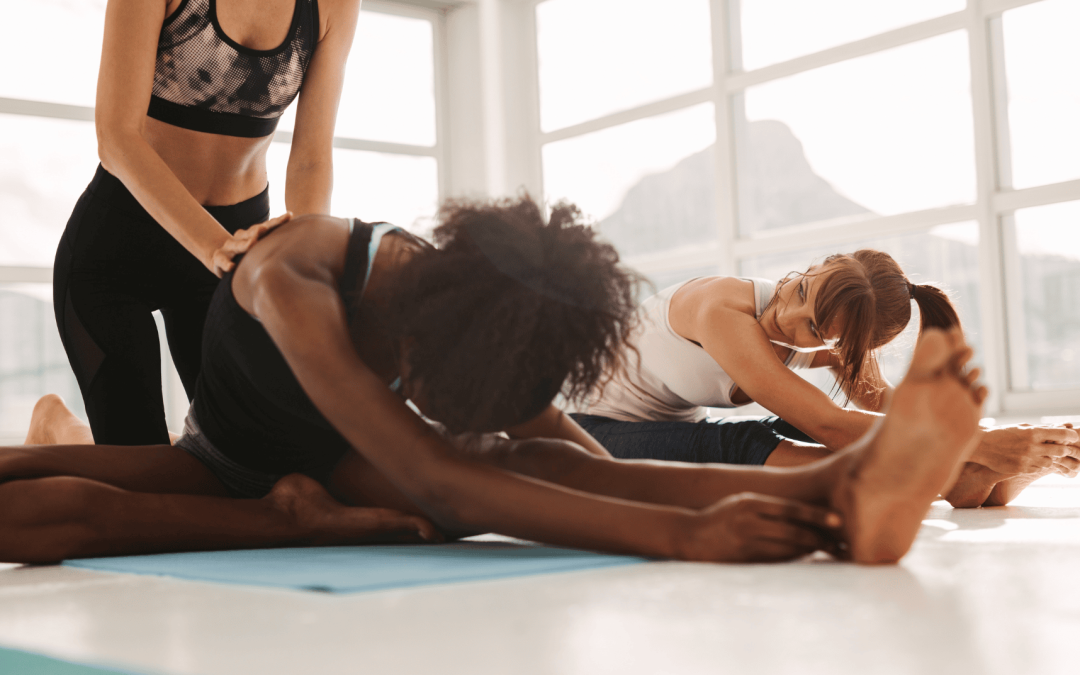
Partner yoga is practices of two people to carry out yoga poses as a single team. The practice unites traditional yogic positions with necessities of trust and group communication along with teamwork. The basis of partner yoga starts with uniting both physical and mental elements between two individual partners. The practice of working together through body weight, alignment and breath enables partners to deepen stretches and improve posture and maintain balance in practice. Different yoga postures permit leaning into each other together with alignment, holding, and lifting positions to create simultaneous physical and emotional integration. Partner yoga benefits mutual awareness that develops empathy between partners while supporting each session and results in moving meditation experiences.
Partner Yoga Benefits – Types of Partner Yoga
The style of partner yoga practice depends on your objectives combined with your partner’s comfort level as well as your personal relationship. The different types of partner yoga contribute distinctive elements by helping partners improve emotional bonds and have recreational time as well as join forces for increased flexibility. Several popular forms of partner yoga exist which you should try as follows.
- Restorative Partner Yoga: The practice concentrates on effortless movement and soft assistance between partners. This Partner yoga benefits people who want to reduce stress and recover from fatigue or share peaceful moments with their partner. Both partners assist each other with supported yoga postures by utilizing cushions and bolsters or by using their bodies for deep relaxation.
- Acro Yoga (Acrobatic Partner Yoga): The combination between yoga and acrobatics with therapeutic massage creates acro yoga which presents intense forms for therapeutic practice. This practice requires one person to elevate their companion into the air as another keeps them stable from the floor. Developing physical strength through partner movements needs perfect coordination with trust in addition to shaping significant bonds and feelings of joy.
- Therapeutic Partner Yoga: The goal of therapeutic partner yoga focuses on supporting emotional health through healing practices. The therapeutic process requires movements at a gentle pace together with a mindful touch that concentrates on tension relief through specific postures. Partner yoga benefits allow people dealing with emotional stress or physical pain and trauma to regain healing benefits through this practice.
- Mirror Yoga (Synchronized Movement): When practicing this variation of partner yoga couples perform the same poses as they stand opposite each other. The two partners match each other’s pose while keeping their bodies directly in front. This partner yoga benefits practice to foster awareness together with balance between two partners bringing harmony.
- Romantic or Intimacy-Focused Yoga: Couples use this specific type of partner yoga which brings emotional closeness through heart-opening positions and gentle physical contact and maintaining eye contact. These poses require nothing more than two people sharing their vitality through attentive presence.
- Group or Family Partner Yoga: Partner yoga benefits to grow into group or family practice sessions. The practice suits parents with their children along with groups of friends who intend to perform cooperative workouts through yoga sessions. Through this partner yoga benefits individuals develop teamwork abilities along with the capacity to wait and build lasting positive shared experiences.
Key Partner Yoga Benefits
Strengthens Emotional Bonds: The practice of partner yoga helps partners create stronger emotional connection. Moving through poses enables both of you to become dependent, which builds trust as well as intimacy between you. Interacting together through yoga develops emotional sensitivity between partners which strengthens their emotional bond.
Improve Communication: The practice of partner yoga depends consistently on good communication. Effective communication becomes vital for guiding poses while balancing together properly because both partners must express themselves freely and maintain active listening skills. Through this partner yoga benefits you will improve communication abilities which will help your relationship overcome challenges more smoothly.
Builds Trust: Any strong relationship requires trust as its base element. Performing partner poses requires a great deal of trust because partners must support each other while maintaining their positions. By repeatedly trusting your partner you will build more security and deeper connection within your relationship.
Enhances Physical Connection: Partners who practice yoga together create better physical bond health between one another. During partner yoga practice the combination of supportive touches generates loving feelings throughout the relationship.
Boosts Fun and Playfulness: Every relationship requires the eternal essence of humor and enjoyment to stay strong. Partner yoga creates recreational poses with its fun practice which generates feelings of happiness along with positive energy between couples. Partner yoga becomes extraordinary, shared experiences that become eternal memories together.
Encourages Mindfulness and Presence: During partner yoga practice you must maintain full presence in current time. Your mindful approach will help you value your partner, and your time spent together. When you stay focused on the present moment you manage to clear away mental distractions, so you connect deeply with your partner.
The Essence of Partner Yoga
Partner yoga practices the fundamental principle that individuals support one another best when working as partnerships. This practice teaches us to establish emotional and physical harmony when spending time with another person. The partner yoga benefits partners to practice yoga through intentional connection with others. Practicing yoga as a group enhances the bond between you and your friends or family members because it includes the element of physical connection, and it teaches you to breathe together while performing coordinated exercises.
The foundation of partner yoga requires having trust between the two participants. Various yoga postures demand that one person depends on their partner by using their support for bending and balancing. The action of laying your body weight into another person’s grasp fosters within you a profound sense of trust and security. You learn both mental and physical capabilities to surrender control and stay in synchrony with another person’s movements. Partner yoga provides experiences of great emotional and spiritual importance that make the practice resemble a meaningful representation of both life and relationships.
Conclusion
The practice of partner yoga leads people into a path of building bonds combined with mutual trust development while strengthening their growth together. This practice welcomes you to maintain presence within your physical being while strengthening your bond with whomever practices alongside you. When two people perform yoga exercises together they obtain multiple advantages that extend their practice beyond traditional postures on the mat. Partner yoga benefits people in a distracted world reconnect through focused exercises that help them unite. The beauty of partner yoga makes it an excellent exploration for people who want shared exercise space and enhanced bonding with others along with mindful experiences.
For more blogs visit on our Nepal Yoga Home blog section.
by Nepal Yoga Home | Nov 7, 2025 | Uncategorized, Yoga
Transform Your Mind with the Spiritual Aspects of Yoga
During recent times yoga has become highly popular through active physical practice because it develops body flexibility strength and improves mental clarity. The complete essence of yoga reaches well past what practitioners learn in traditional postures and breathing techniques. Yoga emerged as a profound spiritual practice which humans have cultivated through many centuries. In this blog, we will learn the spiritual aspects of yoga that produce transformations in both body and psychological states and spiritual conditions.
The Origins of Yoga
The Origin of Yoga was from ancient Nepal. The Sanskrit word “yuj” forms the basis of “yoga” through two meanings that express union or joining together. This union refers to the connection between the individual self (Atman) and the universal consciousness (Brahman). According to its philosophy yoga focuses on spiritual development through self-realization that leads to inner peace as its core principle.
The Yoga Sutras by Patanjali established the eight divisions of yoga known as Ashtanga Yoga that lead followers to meaningful self-purpose. The physical postures (asanas) stand as one limb, but yogic disciples learn about spirituality from the other components such as ethical principles (yamas and niyamas), breath control (pranayama), and meditation (dhyana).
The Spiritual Aspects of Yoga
Self-Discovery and Inner Awareness: The strongest spiritual aspects of yoga occur when it creates self-awareness within individuals. Yoga helps people become aware of their inner experiences without criticism by teaching two practices: meditative techniques and mindful physical activity.
Connection to the Divine: Yoga functions as a method through which people can achieve divine connection and reach higher levels of self-awareness. Spiritual aspects of yoga help people create closer relationships with God, the universal forces or fundamental inner understanding. The link between humanity and spirituality can be strengthened through the practices of mantras, gratitude and sankalpa rituals.
Cultivating Compassion and Love: Through spiritual aspects of yoga practices practitioners learn to show kindness not just to other people but also to themselves which promotes a bond with the greater whole and universal relationships.
Transcending the Ego: The expression of “I” known as the ego frequently blocks our spiritual development. The practice of yoga in a sustained manner helps people rise above their ego to understand their essential unity with all others. A complete shift in how you see life serves as a major spiritual aspects of yoga which creates deeply satisfying inner peace and freedom.
Awakening Kundalini Energy: Various spiritual traditions understand yoga as a method that helps people activate the sleeping Kundalini energy existing at the base of their spine. Kundalini yoga and meditation stand as specific practices that help people activate Kundalini energy with their focus on spiritual development.
Integrating the Spiritual Aspects of Yoga into Daily Life
Set an Intention: Start each practice through setting an intentional goal that reflects your spiritual yoga goals whether it be peace or gratitude.
Practice Mindfulness: Practicing mindfulness as a part of your daily routines with simple activities such as eating, walking or conversations with others preserves the spiritual qualities you learned in yoga.
Serve Others: Participate in meaningful service (seva) while showing kindness because these activities foster compassion and selflessness that form the spiritual foundation of yoga.
Meditate Regularly: Devote regularly to meditating for even small daily intervals to build spiritual connection and understand the spiritual aspects of yoga.
Conclusion
Understand these spiritual aspects of yoga to discover deeper meanings about your life purpose and discover better connections and achieve inner peace. A journey through yoga extends through your entire lifetime since it enables you to journey inside yourself while finding infinite possibilities.
Before beginning your yoga practice spend time giving honor to the spiritual elements that matter in this practice. The practice of yoga goes beyond physical movements since its purpose is to unite your physical body with your emotional center.
For more blogs visit on our Nepal Yoga Home blog section.
by Nepal Yoga Home | Nov 2, 2025 | Uncategorized, Yoga
In yoga practice the principal focus resides on the connection which occurs between breath, body and between mind and movement. Through its practice it teaches practitioners to create both mental clarity and physical equilibrium to achieve inner tranquility. Yogis at any level agree that yoga poses become harder to achieve if proper support elements are missing. The adoption of yoga props serves as the solution for improving your practice. The basic equipment provides users with a completely new practice perspective.
Props in yoga practice assist beginners along with experienced practitioners through helping them maintain safety while providing comfort and reaching better effectiveness in their practice. Yoga props usage in your exercise adds more value while you practice with purposeful caution. Proper guidance together with the appropriate tools will enable you to both protect your joints and deepen stretching abilities that lead to increased movement awareness.
What Are Yoga Props?
Yoga props usages serve as supportive tools for risk-free safe performance and optimal effectiveness when practicing yoga. Common yoga props include:
- Yoga blocks
- Straps
- Bolsters
- Blankets
- Wheels
- Chairs
- Walls
The benefits of each tool depend on the precise yoga posture as well as personal physical requirements. Using yoga props enables flexibility for specific movements based on your individual muscle potential.
Why Yoga Props Matter?
Yoga props usages demonstrate strength rather than indicating weakness since these tools enable you to achieve empowerment in your practice. Yoga props enhance your body positioning while reducing chances of injuries during practice and allowing deep controlled movements.
The following list outlines key reasons which support using yoga props during practice:
- The assistance of props functions best for extended poses and acts as supportive equipment.
- The appropriate use of props enables users to develop proper spinal alignment and proper body posture.
- The use of props creates comfort by relieving pressure on bones and skeletal muscles.
- The practice is accessible to everyone because of improvements made regarding age and physical abilities.
How to Use Yoga Props in Different Poses
You can improve your yoga practice by using props in particular poses according to the following examples. The examples here shows practical applications of yoga props usages.
Downward-Facing Dog (Adho Mukha Svanasana)
The prop choice for this practice includes both yoga blocks and wall support. Position your hands on blocks while keeping your heels close to a wall surface. The wrist pressure eases up and the alignment becomes better through this technique.
Yoga props usages provide essential support to people who have tight hamstrings and shoulder problems while permitting easier and comfortable execution of this pose.
Seated Forward Fold (Paschimottanasana)
Prop Used: Strap and bolster
Use a strap around your feet to pull toward you for a greater stretch of the body. The placement of knee or belly supports on a bolster will enhance your comfort during the move.
Correct usage of yoga props converts this pose into a relaxed experience instead of a strainful one.
Bridge Pose (Setu Bandhasana)
Prop Used: Yoga block
Place a block under your sacral bone to obtain improved support when you opt for this restorative back bending pose. A body can experience relaxation during this posture which simultaneously extends the chest area and opens the hips.
The application of basic props constitutes a straightforward method to access yoga props benefits.
Reclining Bound Angle Pose
Props Used: Bolster, blankets, blocks
A bolster should support your spine while blocks should support your knees, and a blanket should rest under your head. Using this specific combination enables you to experience deep relaxation together with gentle movements that open the hips.
People can experience both the luxury and therapeutic effects of using yoga props by adopting this pose.
Standing Poses (Trikonasana, Warrior II, etc.)
Prop Used: Block
Placing a block under your hand in Tirkonasana (Triangle Pose) helps keep your balance while maintaining proper positioning of your body.
The yoga props usage during standing yoga poses strengthens your foundational stability thus making props ideal for sustaining extended yoga poses.
How Beginners Can Start with Props
- The first step for beginners in yoga and prop users should be simple practices.
- A block helps you move your floor position nearer to your body.
- Straps serve as helpful adjuncts when your hand position fails to connect with your feet.
- A folded blanket offers support when you sit for poses to create a more aligned pelvis position.
Your yoga practice will experience significant enhancement through basic changes achieved by yoga props usage.
Props in Restorative and Yin Yoga
Manifestations of props hold fundamental significance in Restorative and Yin yoga because people need to maintain poses for elongated durations. The main purpose of these practices targets tension release instead of muscle strengthening. Having a slower pace and softening the body through deep internal focus serves as the vital practice elements of these yoga sessions.
The yoga props usage during yoga practice provides extended periods of relaxation and stabilization among these different styles. The props enable a secure space that permits the nervous system to move into a parasympathetic state where healing and relaxation can occur.
You will practice poses in Restorative yoga for 10–20 minutes yet in Yin yoga sessions you will maintain each position for 3 to 5 minutes. When practicing these poses without proper support tools the experience can be problematic and cause harm. You can release physical strain and mental resistance through proper yoga props usage.
Conclusion
The use of props does not translate to performing less in practice. It’s about providing care for your body and performing best in each movement. Yoga props usage creates new possibilities within your yoga practice. By connecting efforts to relaxation, you can reach poses that previously seemed unreachable without straining yourself. Props offer freedom. Freedom to modify. Freedom to explore. Yoga props help every practitioner who advances their practi
For more blogs visit on our Nepal Yoga Home blog section.
by Nepal Yoga Home | Oct 25, 2025 | Yoga
Yoga retreats are the retreats for the positive transformation of life. When you participate in a yoga retreat you gain access to a new life pattern which unites your body movements with breathing exercises and moments of tranquility. Making a choice from among numerous worldwide retreat options causes decision anxiety. A well-structured yoga retreats guide offers important assistance in this process. The blog presents detailed information about daily schedules while providing a perfect yoga retreats guide to match your objectives.
What to Expect at Yoga Retreats
Daily Yoga Sessions: Participating in yoga retreats means taking part in multiple yoga classes taught by proficient instructors each day. Practice sessions at the retreat consist of various types of yoga from gentle Hatha and Yin variants to active Vinyasa sequences based on the retreat program. The yoga lessons at the retreats match both beginning and experienced practitioners so they can experience deeper skills while uniting their bodies with nature.
Meditation and Mindfulness Practices: Yoga retreats include a combination of meditation exercises together with breathwork sessions known as Pranayama and mindfulness teaching practices. The practices provide a way to calm your mind and lower stress levels while developing clear mental awareness. New meditators can easily benefit from guided sessions that guide their practice without any prior experience.
Healthy, Nourishing Meals: Food functions as a central component of any yoga retreat. The typical food provided at retreats comes from plant-based ingredients while offering a nutritious and enjoyable dining experience. The menu targets fresh salads, heartful grain bowls and Ayurvedic food concepts. The meals at the retreat support body wellness while following both yoga practice and wellness principles.
Connection with Nature: Most yoga retreats occur in attractive natural environments. The natural environment intensifies your retreat experience. It creates a sense of grounding and calmness.
Workshops and Activities: The wellness centers provide additional programs through workshops and activities which deepens your retreat experience. Among the possible activities at yoga retreats are experiencing yoga philosophy education and learning to cook as well as taking part in outdoor activities such as hiking. The facilities at retreats may include spa services together with journaling sessions or sound healing activities among other creative experiences.
How to Choose the Right Yoga Retreat
Define Your Goals: The first step should involve an examination of your individual objectives. Your objectives could be either searching for inner spiritual growth or experiencing a period away from your regular activities. Your defined goals enable you to make choices by selecting a retreat which matches your purposes.
Consider the Location: Your retreat experience will be strongly affected by the chosen setting. Select a retreat location that matches your personal preferences because this establishment determines the overall experience you will have.
Check the Schedule and Style: Verify that the planned daily activities match what you are looking for in the program.
Research the Instructors: Your experience mostly depends on the quality of instructors that lead it. Check their credentials and teaching approach as well as their professional experience. Understanding their teaching philosophy through researched material will help you find the right yogic institution.
Set a Budget: Your choice of yoga retreats guide depends on your budget level therefore determines your financing capacity before starting your search.
Read Reviews: Reading reviews from participants who have attended the retreat in the past helps you understand its quality level. Seek truthful feedback or search for proper yoga retreats guide that covers teaching experience, staff performance and many more.
Benefits of Attending a Yoga Retreat
A properly designed yoga retreat gives you more than better yoga abilities. A yoga retreat serves to change your thinking process and boost your physical energy while bringing you back to essential values. Following a yoga retreats guide provides you with the unique experience of how this type of retreat helps you develop mental clarity alongside emotional balance while fostering spiritual advancement.
Yoga retreats guide enables participants to detach themselves from their regular life distractions. Participating in regular practice alongside nourishing meals within a supportive community leads to physical and mental weightlessness. Most individuals undergo transformative experiences during their retreat time. You will experience complete concentration on your body breath and inner thoughts because you have no work obligations and no phone interruptions. A deep state of presence stands as the core reason behind why retreats deliver such significant effects.
Conclusion
Your choice of yoga retreat depends directly on your personal preferences including your intended goals together with your preferred comfort level while determining the type of experience you wish to have. The right yoga retreat guide enables you to discover a retreat which helps your yoga path while creating opportunities to rest and reflect and restore your energy levels. A retreat provides meaningful value independent of your specific preferences or motivations among peaceful nature, yoga style curiosity and needed routine break.
For more blogs visit on our Nepal Yoga Home blog section.