
Nepal has been home to spiritual seekers from around the world. The mountains in the backdrop, along with the deep roots of history, are something that we focus on. But learning yoga isn’t enough. Yoga teaching ethics is something that will keep everyone interested.

Yoga education should revolve around the ethical aspects. As soon as that can be achieved, the authenticity and general attraction come right away. With yoga teaching ethics, it will lead to a safe, respectful, and transformative experience for the students.
However, if you miss out on the ethics factor, you will be missing out on the authenticity. Sadly, yoga might just be another commodity that you might be looking at without depth, responsibility, or intention.
The Rule Most Yoga Schools Overlook: Responsibility to Students
Most of the yoga schools in Nepal focus on alignment, sequencing, positions, and asanas. But the most important part of yoga teaching ethics tends to be overlooked most of the time. A yoga teacher is someone who holds responsibility for the physical, emotional, and psychological safety of the students.
It is fair to say that this responsibility goes beyond correct postures. The responsibility of the teacher must be to teach based on one’s competence. Also, there should be an avoidance of harmful adjustments. Every teacher must be able to respect the experiences and limits of the students.
Moreover, there should be transparency about the qualifications of the teacher. Most of the time, schools use fake certificates and credentials, which creates a major issue. You shouldn’t exploit the trust or vulnerability of the student.
There should also be proper confidentiality about the personal information of the student. Schools that don’t follow basic ethics might face issues of injuries, unhealthy relationships, and pressure. This could impact the overall learning experience of the student.
Consent, Safety, and Boundaries in the Yoga Classroom
Lack of clear ethics could impact the understanding of any student. If the clear line in case of yoga teaching ethics isn’t drawn, you could see the misuse of physical touch and verbal ability at the same time. This could impact the overall outcome for the students.
When the ethical classroom strategy is followed, you will find informed consent. On the other hand, students feel violated if the consent isn’t met. Yoga ethics teaching also focuses on asking before offering hands-on adjustments, provides opt-out options without adjustments, and also explains why a particular adjustment is suggested.
This creates an understandable environment with respect. Not only during training, but the ethical teacher never crosses the line when it is a conversation about a personal matter. Also, there will be no invasive questioning over-spiritualizing.
With a fine line drawn in all of this, you will find major comfort in all the students. There will be a sense of empowerment rather than the feeling of being controlled.
Authentic Teaching vs. Commercialized “Spiritual Tourism”
There are two types of teaching, one is the authentic one, while the other one remains as a commercialised one. Talking about the teaching aspect, yoga teaching ethics tends to be overlooked when we talk about commercialised teaching. However, every authentic teaching focuses on guidelines provided by Yoga Alliance.
As the value of yoga has been increasing, the commercialisation of the skill is also seen massively. With such commercialisation, you might find that most courses don’t do the basics right and provide the certificates.
We aware you to ignore all such flashy courses and focus on the long-term growth. The warning sign for flashy but less effective courses includes fake promises of becoming a master in weeks. Added to that major focus on sefies, retreats, and less focus on lineage, study, and daily discipline.
You will also find silence when it comes to accountability and professional conduct. All of this makes the course massively questionable. However, you can easily identify whether a course is authentic or not. Some of the key ways to do so include:
- Daily self-practice
- Humility in learning
- Better services for the students
- Lifelong study of philosophy and yoga teaching ethics
- Use of yoga even after completion of the course
How Ethical Teacher Training Shapes Better Instructors
Yoga teaching ethics revolve around the ethical teaching of the students. The ethical foundation for students to study changes every time a teacher approaches it in their own way. The ethical foundation is set by plenty of questions, like Is this safe, Is it necessary, What could be the impact of this on my students.
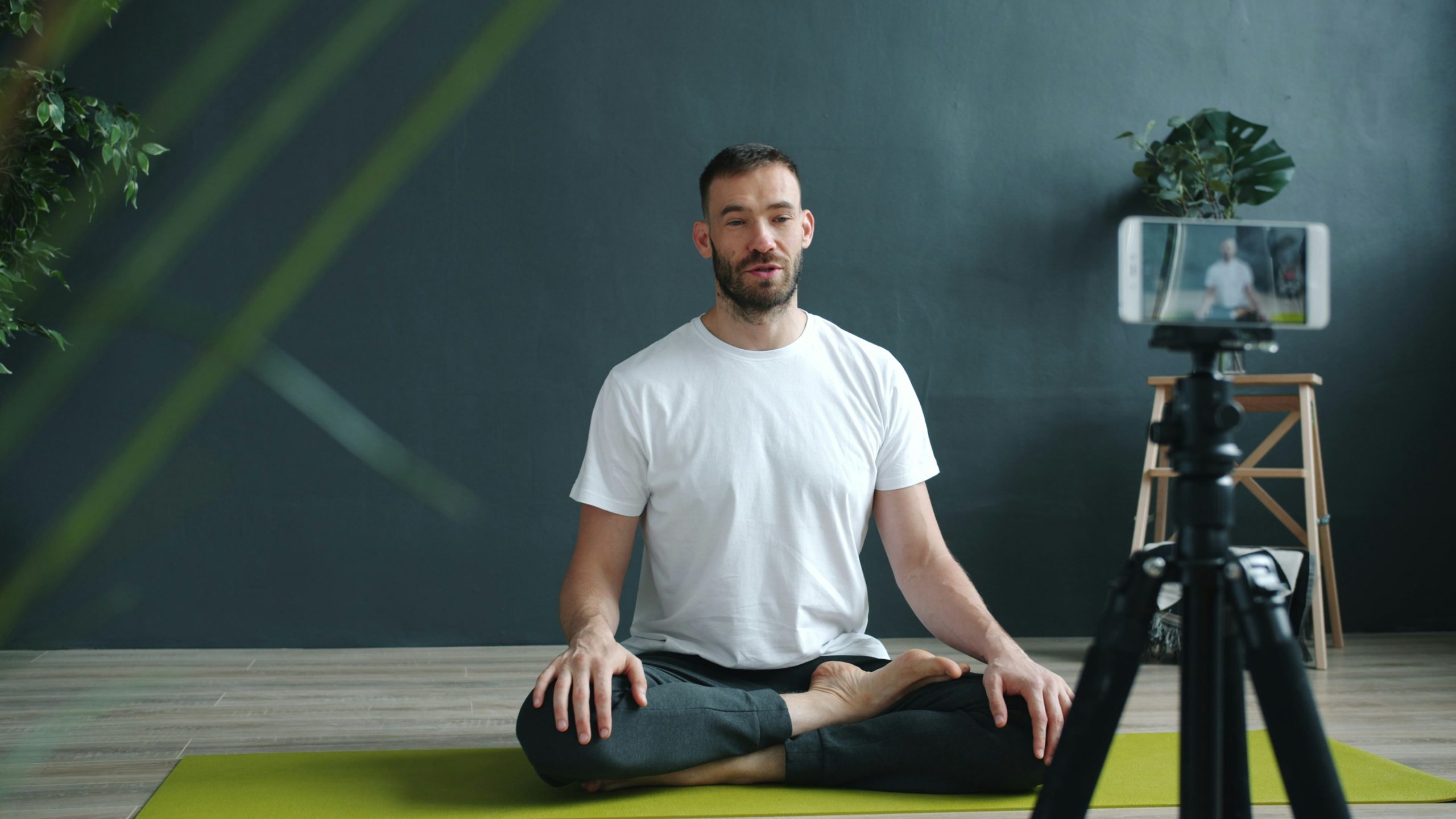
All of these questions help the teacher to move on ethical paths. As a result of ethical training, it encourages teachers to offer modifications rather than forcing the issue. Also, this allows the teacher to listen more and speak less. You will credit teachers and teachings more clearly.
Lastly, with ethical foundations, it helps in maintaining professionalism in relationships as well. An ethical teacher will help you to keep learning way after the course is completed.
A Case for Ethical Leadership: Lessons from Nepal Yoga Home
Nepal Yoga Home keeps yoga teaching ethics always at the top. More than the number of students, it is the ethics that plays a leading role for us. It is Nepal Yoga Home that demonstrates the right example of how ethics can be integrated in the right way without marketing it too much.
We use yoga teaching ethics in daily practice and the lessons that we provide. For Nepal Yoga Home, ethics aren’t compromisable at all. Meanwhile, the core lessons that we emphasize include respect for cultural roots and traditions.
Similarly, the sense of responsibility must be present for students of all levels. The awareness of physical, emotional, and energetic boundaries, along with honesty about capability and experience, is what makes it important.
We understand that humility will take us a long way rather than being in the competition. Nepal Yoga Home believes yoga should create a habit and lifestyle for the students rather than for teachers who are celebrities.
Conclusion
Yoga teaching ethics is an aspect that can’t be overlooked at all. There are plenty of yoga teaching schools in Nepal, but what differentiates one from the other is the ethical considerations. Nepal is home to some of the authentic yoga practices and ethics that keep it alive to this day.
Nepal Yoga Home has also been doing its bit to keep the ethical consideration in mind. We treat yoga as a lifestyle rather than just a course, which makes the ultimate difference. For us yoga teaching ethics is the key focus.