


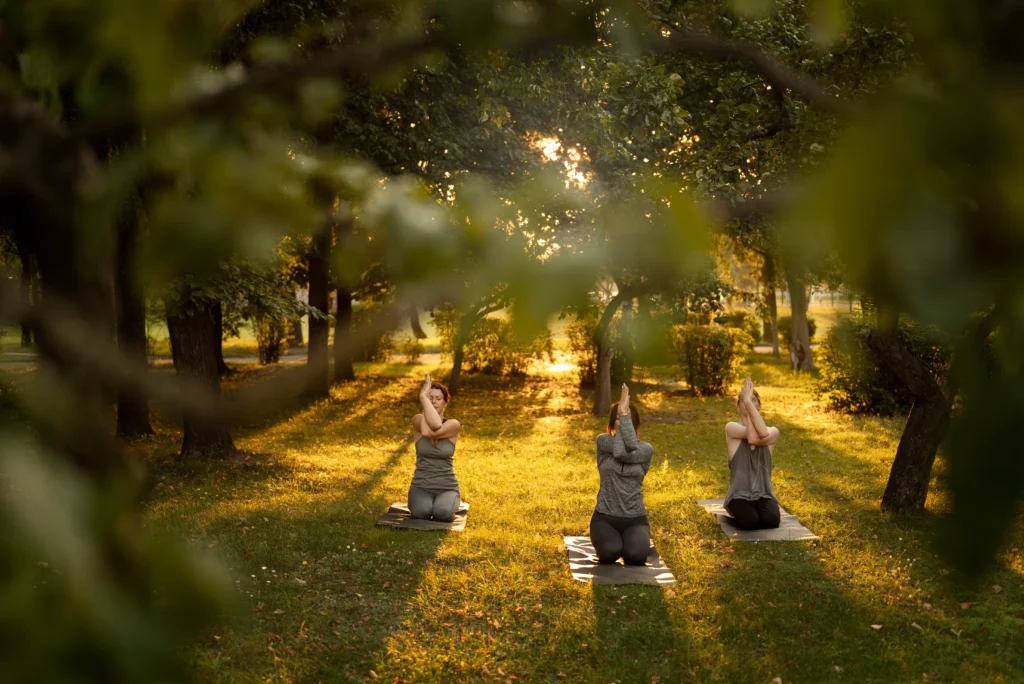
Nepal isn’t just a pretty backdrop for a yoga holiday. It’s where a lot of what people practice on their mats actually comes from.
The philosophy, the Himalayan setting, and the Hindu and Buddhist heritage woven into daily life here give a yoga retreat in Nepal a different weight than the same week spent at a beach resort somewhere else.
That said, “different weight” doesn’t mean every option is a good one for you personally. Retreats here range from three day tasters to month long immersions, from silent meditation intensives to trekking and yoga combos, and the price tags swing just as widely.
This guide breaks the decision down into nine practical points, so that when you do book a yoga retreat in Nepal, you’re choosing it on purpose rather than by accident.
Why Nepal Is a Top Destination for a Yoga Retreat?
Yoga as a philosophy traces back to this part of the world, and practicing here, with the Himalayas visible from the mat and centuries old monasteries a short walk away, tends to feel different from practicing at home.
It’s part of why a yoga holiday in Nepal keeps showing up on people’s lists even when closer options exist. Most retreats sit in one of two regions: the Kathmandu Valley, with its forested hillside settings and easy access to temples and monasteries, or Pokhara, lakeside with the Annapurna range as a backdrop and a bit more traveler infrastructure nearby.
Neither is objectively better. It depends on whether you want quiet immersion or a slightly livelier base. To see what a full program looks like once you’ve picked a direction, check our yoga retreat in Nepal page.
1. Get Clear on Your Goals
Before comparing a single itinerary, figure out why you actually want this trip. A retreat, a transformational program, and a Yoga Teacher Training are three different things, and people often search for one when they mean another.
A retreat is built for rest and reconnecting with your practice, with minimal structure and no certification involved.
Within “retreat,” there’s still variation worth sorting through:
- Ayurveda and detox focused, built around diet changes and cleansing routines
- Meditation-heavy, with long sitting sessions and less physical intensity
- Asana-focused, meant to deepen your practice technically
2. Choose the Right Location
A yoga retreat in Kathmandu, particularly one set in the forested hills near Nagarjun, where our own center sits, puts you close to Boudhanath, Pashupatinath, and Kathmandu’s old monasteries. It suits people who want the cultural and spiritual side of Nepal woven into their week, not just the yoga.
A yoga retreat in Pokhara puts Phewa Lake and direct Annapurna views right outside your window, with more restaurants and shops close by. It suits people who want scenery and a bit more social buzz around their practice.
There’s a third option worth mentioning: trekking-combination retreats, for people who want yoga in the morning and miles on the trail in the afternoon. Our Everest yoga trekking and Annapurna yoga trek programs are built specifically around that combination.
3. Decide on Duration
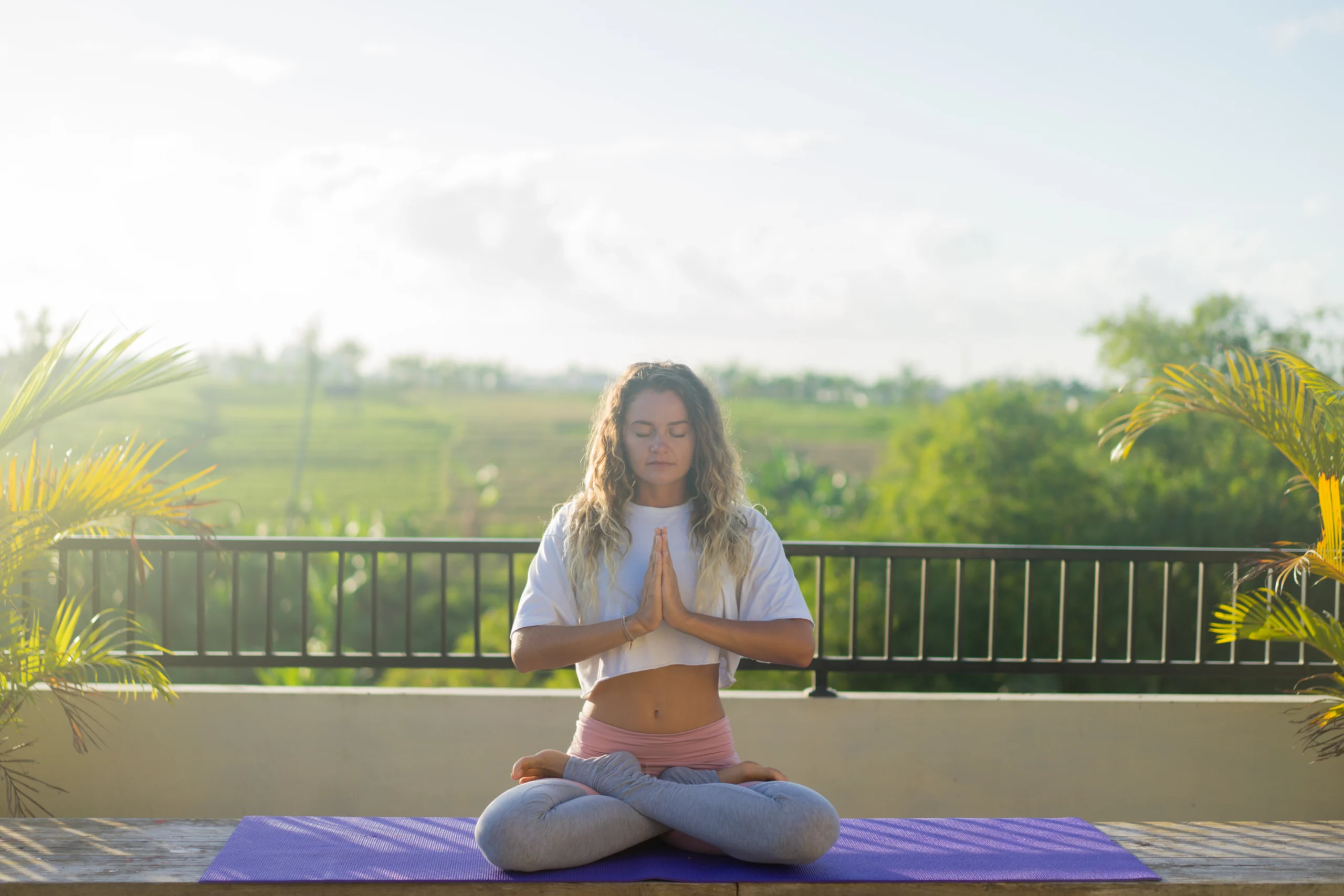
How long you stay changes what the retreat can actually give you, and this is one of the more commonly underestimated factors. A short taster, our 3 day, 2 night or even 1 night, 2 day programs, is enough to reset and get a feel for the format, especially if you’ve never done a retreat before.
A 1-week yoga retreat in Nepal is the sweet spot for most first-timers: long enough to build a routine, short enough to fit a normal vacation.
Two weeks lets that shift go deeper, and a full 1 month retreat is where people tend to build something closer to a daily discipline rather than just a good week.
If it helps to think in outcomes rather than days:
| Duration | What you typically get |
| A few days | A reset |
| 1 week | A reintroduced practice |
| 2 weeks | Visible progress |
| 1 month | A habit you can carry home |
Most people are better off starting shorter and coming back for longer once they know what they’re walking into.
4. Match the Yoga Style and Skill Level
Not every retreat teaches the same way, and reading past the marketing photos matters here. Hatha-based programs are gentler and foundational, good for beginners or anyone wanting a slower pace.
Ashtanga and Vinyasa retreats are more dynamic and physically demanding. If that’s your style, our dedicated Ashtanga Vinyasa page and 10-day Ashtanga retreat are built specifically around that intensity.
Kundalini focused weeks lean into energy work and breath practices rather than pure physical sequencing, and restorative or yoga nidra programs are about as gentle as it gets.
If you’re managing an injury or want a gentler entry point regardless of style, our therapeutic yoga and seniors’ yoga programs are built with exactly that in mind.
5. Check Instructor Credentials and Group Size
The yoga retreat in Nepal is only as good as the person teaching it. Yoga Alliance certification is a reasonable baseline to check for, but it’s worth going further:
- How many years has this teacher actually been leading retreats, not just teaching classes?
- What languages do they teach in?
- Have they worked with your skill level before?
Our teachers page lists backgrounds and certifications for exactly this reason, and it’s worth reading a handful of testimonials from past guests too. A real account of someone’s week tells you more than any program description will.
Ready to Find Your Retreat in Nepal?
Running your options through these nine points takes more effort than picking the first listing that shows up in search results, but it’s the difference between a week that actually gives you what you came for and one that just looks good in photos. Explore our full range of yoga retreats in Nepal, from short resets to month long immersions, or go straight to booking once you’ve worked out which program fits.
Frequently Asked Questions
What’s the difference between a yoga retreat in Nepal and a yoga teacher training?
A retreat is focused on practice and rest, with no certification involved. A Yoga Teacher Training runs a set curriculum and leads to a Yoga Alliance recognized certificate, so it suits people who want to teach afterward rather than just recharge.
How long should my first yoga retreat in Nepal be?
A few days to a week is a sensible starting point before committing to something longer. It gives you a real feel for the pace and format without risking a full two or four weeks on a guess.
Kathmandu or Pokhara, which is better for a yoga retreat in Nepal?
Kathmandu suits people who want culture, monasteries, and a quieter forest setting near the airport. Pokhara suits people who want lake and mountain views with more infrastructure nearby, so the right answer depends on what kind of week you’re after.
Do I need prior yoga experience to join a yoga retreat in Nepal?
No, most retreats, including ours, welcome complete beginners through advanced practitioners. What matters is being upfront about your experience level and any injuries so the instructor can adjust for you.