


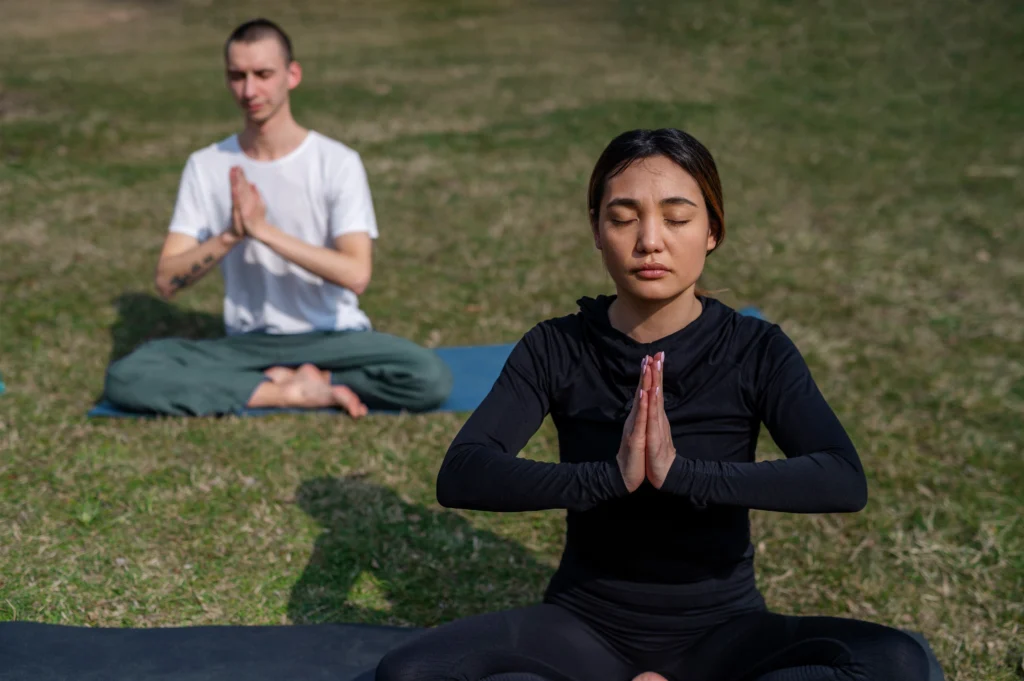
You’ve booked your seat and now the nerves are creeping in. What do you pack, what happens on day one, and how do you get your head ready for two or three weeks of silence?
A meditation retreat in Nepal isn’t a spa weekend. It’s a real change of pace and knowing what’s coming ahead of time makes the adjustment much smoother.
This guide covers packing, daily life on retreat and a few habits worth building before you land in Kathmandu. None of this is generic travel advice, it’s based on how retreat centers in Nepal actually run.
By the time you finish reading, you’ll know what belongs in your bag and what to work on in your head before your meditation retreat in Nepal starts.
Why a Meditation Retreat in Nepal Feels Different?
Nepal hasn’t adopted meditation as a trend. People here have practiced it for generations, and that shows in how retreats are run. Kathmandu Valley is full of monasteries, stupas and temples that locals actually use, not just tourist stops.
A few things set retreats here apart from ones back home:
- Rooms tend to be basic, and that’s on purpose, fewer comforts mean fewer distractions
- Power cuts happen now and then, especially outside the busier travel months
- Kathmandu’s air can get dusty before monsoon season, so keep a light scarf handy for city days
- You’re a short walk from a real Buddhist or Hindu meditation lineage, not a version imported for tourists
Nepal Yoga Home offers a few different retreat lengths, including:
- One-week breathing and meditation retreat
- Two-week meditation and yoga retreat
- One-month meditation retreat in Nepal
If flying out isn’t an option right now, the three-hour online meditation retreat is a decent way to test the waters first.
What to Pack for Your Meditation Retreat in Nepal

Pack light. Almost everyone brings too much on their first meditation retreat and wishes they hadn’t by day three.
Clothing
- Loose, breathable layers. Mornings are cool and afternoons heat up fast
- A shawl or light blanket for the meditation hall, since indoor temperatures shift a lot
- Shoes you can slip on and off easily, since you’ll be entering and leaving the hall often
Meditation gear
- Only bring your own cushion if you already have one you swear by. Most centers have seating covered
- A notebook, in case you want to write down what comes up during the day
Health and practical items
- Basic toiletries (these aren’t always provided)
- Any regular medication, kept in the original bottles
- A universal plug adapter
- A small amount of cash in Nepali rupees for extras
Documents
- A copy of your passport
- Travel insurance information
- Visa confirmation. Most nationalities can get one on arrival, but double check the current rules before flying out
Leave at home: Extra gadgets, your work laptop and anything else that’s just going to pull your focus away from the retreat.
What to Expect Once You Arrive
Here’s roughly how a day unfolds on a meditation retreat in Nepal:
| Time | Activity |
| 5:30 to 6:00 AM | Wake up, light stretching |
| 6:00 to 7:30 AM | Morning meditation sitting |
| 8:00 AM | Breakfast (vegetarian) |
| 9:30 to 11:30 AM | Pranayama and philosophy session |
| 1:00 PM | Lunch |
| 3:00 to 5:00 PM | Walking meditation or yoga |
| 6:30 PM | Light dinner |
| 7:30 to 8:30 PM | Evening sitting |
A few things worth knowing before you show up:
- Rooms are usually shared, and meals stay simple and vegetarian
- Some stretches of the day are kept quiet, occasionally silent altogether, so ask your center about their policy beforehand
- Feeling bored, restless or a bit emotional in the first couple of days is normal. It doesn’t mean you’re doing it wrong
- If you’d like some time to explore the city between sessions, the holiday yoga-meditation retreat is built with that in mind
How to Mentally Prepare Before You Land
Packing the bag is the simple part. Getting your mind ready matters more.
- Start a small daily practice now: Even ten quiet minutes a day for a couple of weeks beforehand makes the first sittings on retreat much less of a shock.
- Ease off caffeine and screens gradually: Cutting it all out on day one of the retreat is a rough way to start.
- Let people know you’ll be offline: Set an away message, give one emergency contact number to family, and actually put the phone down once you arrive.
- Skip the expectations: Go in curious instead of chasing a specific result. Most people say what they got out of it was different from what they expected, and usually better.
- Speak with your teacher first: If you’re dealing with an injury, illness or a hard history with meditation. A good center will work around that.
Want a sense of how past students prepared and what caught them off guard? The testimonials page has real stories worth reading before you commit.
Choosing the Right Retreat for You
Not every meditation retreat in Nepal will suit you the same way.
A few questions worth asking before you book:
- How many hours of silence are built into the day, and is it optional?
- What’s the accommodation like, shared or private?
- Is the teaching guided, rooted in Buddhist practice, or a blend of yoga and meditation?
- What’s actually included in the price, meals, airport pickup, study materials?
Take a look at the services and facilities page or read through the full meditation retreat program to see what’s covered.
You can also check the teacher profiles to know who’s actually leading your sessions.
Coming Home: Don’t Skip This Part
The retreat doesn’t really end the moment you leave the hall. Keep your first day back easy. No packed schedule, no rushing into work mode.
Even five minutes of sitting each day helps carry what you built on retreat into ordinary life instead of losing it in the first busy week.
Conclusion
Getting ready for a meditation retreat in Nepal comes down to three things really: pack light, understand the daily rhythm, and settle your mind before you worry too much about your bag.
Nepal brings its own character to the whole thing, the altitude, the temples, the quiet of the valley, but good preparation looks pretty much the same wherever you go.
Ready to book? The full list of retreat options is a good place to start, or check the FAQ page for anything this guide left out.
FAQs
Do I need meditation experience before joining a retreat in Nepal?
Not at all. Most retreats, including the ones at Nepal Yoga Home, welcome complete beginners alongside experienced practitioners. Your teacher adjusts the pace to wherever you’re starting from.
What’s a good length for a first meditation retreat in Nepal?
A one week retreat is a solid starting point before you commit to something longer. It gives you enough time to settle into the rhythm without overcommitting on your first attempt.
Will I have phone access during the retreat?
That depends on the program’s silence policy. Some retreats allow limited phone use in the evenings, others ask you to hand devices in for the whole stay, so it’s worth checking with your center directly.
Is Kathmandu safe for someone attending alone?
Yes, and most centers arrange airport pickup so you’re not navigating the city solo right after landing. Solo travelers actually make up a good share of people on retreats in Nepal.